Why So Many Gen Z Women Seem to Dress the Same — and What “Zero Style” Says About Modern Fashion
Why So Many Gen Z Women Seem to Dress the Same — and What “Zero Style” Says About Modern Fashion
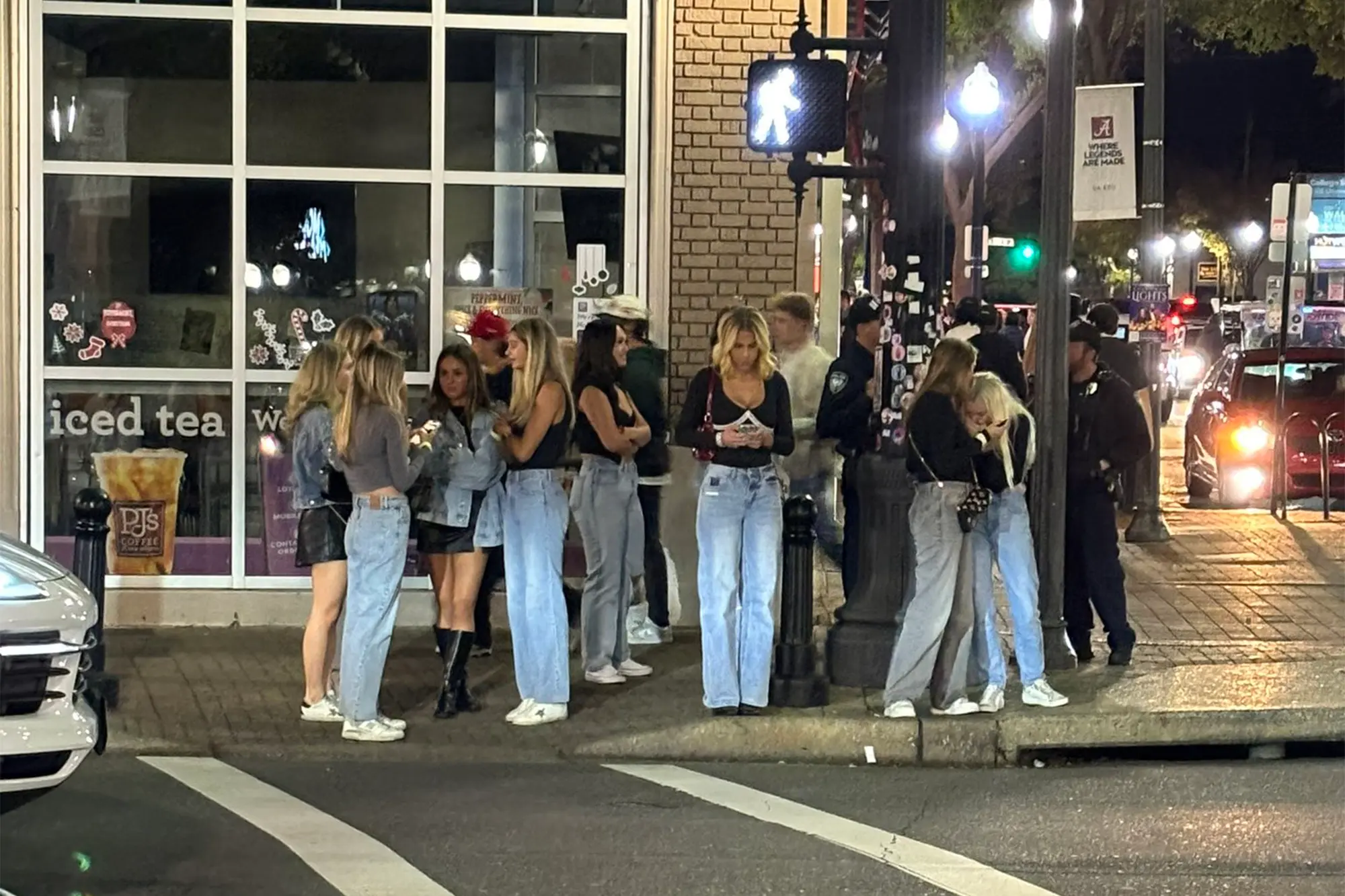
NEW YORK — From oversized blazers and straight-leg jeans to minimalist sneakers, tiny sunglasses and carefully coordinated neutral outfits, a familiar fashion formula appears everywhere among young women.
The phenomenon has prompted a provocative question: Has Gen Z lost its individual style?
A New York Post lifestyle report explores the rise of what has been described as “zero style” — a look in which young women follow remarkably similar fashion formulas, often influenced by social media trends rather than personal experimentation.
When Everyone Starts Looking the Same
Fashion has always moved in cycles, but social media has dramatically accelerated those cycles.
Platforms such as TikTok and Instagram allow a particular outfit, accessory or aesthetic to spread globally within hours. A look that once might have taken months to become mainstream can now appear across thousands of accounts almost immediately.
The result is a paradox: young consumers have access to more fashion inspiration than any previous generation, yet many end up wearing remarkably similar combinations.
Instead of following a single celebrity or designer, Gen Z can follow hundreds of influencers whose wardrobes increasingly overlap.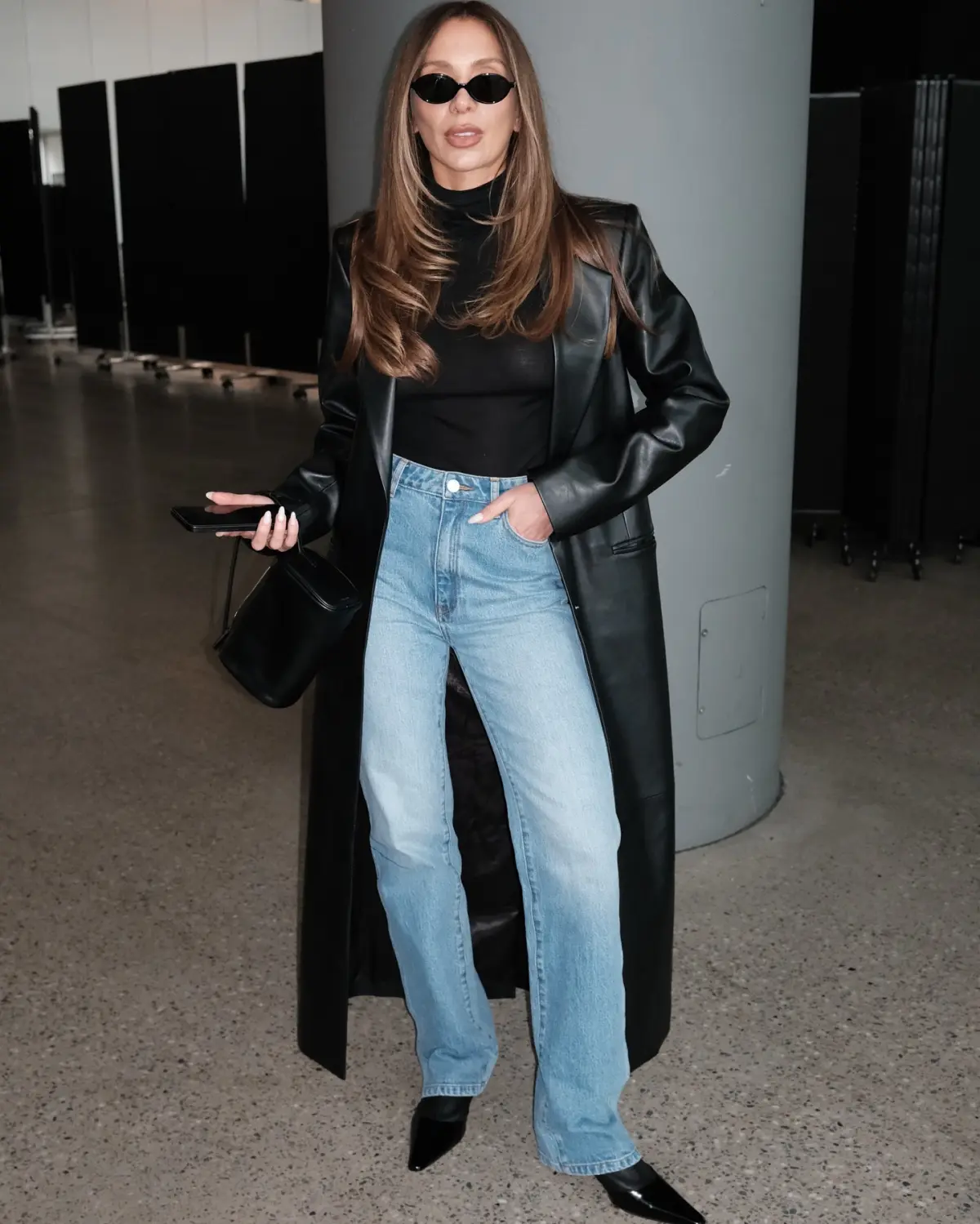
The Rise of the “Uniform”
The modern Gen Z wardrobe often revolves around recognizable pieces and aesthetics.
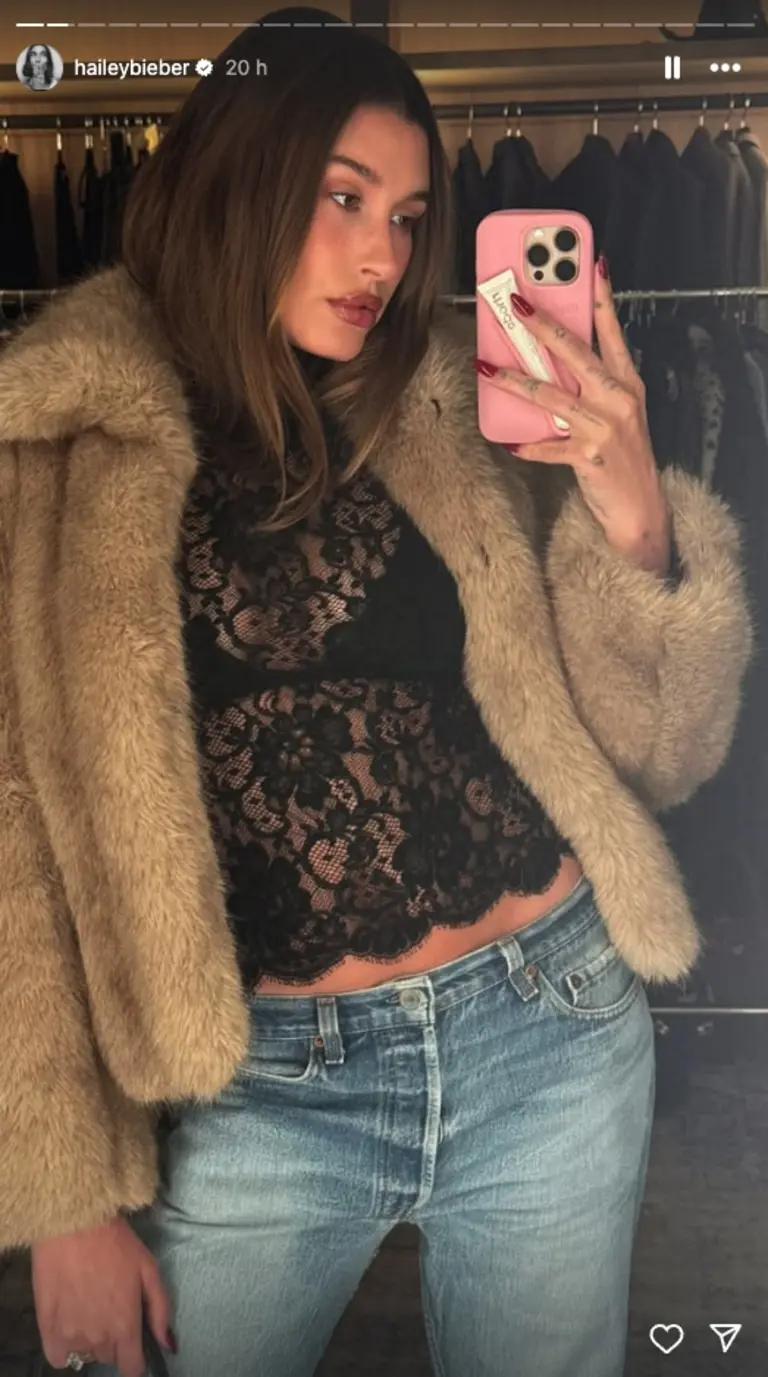
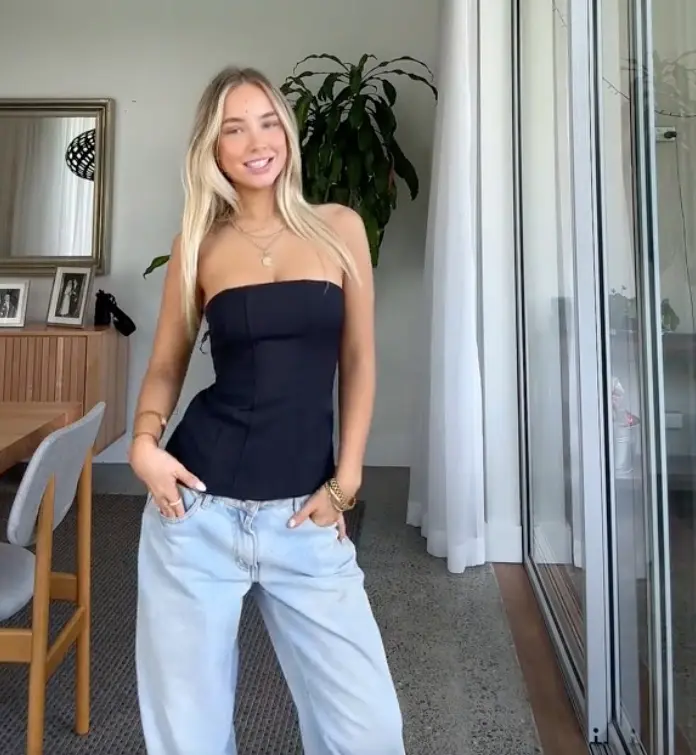
Oversized jackets, wide-leg or straight-leg denim, cropped tops, minimalist footwear, tote bags and understated jewelry can be mixed and matched into outfits that feel fashionable without appearing overly experimental.
That formula has an obvious advantage: it is easy to copy.
A young woman does not necessarily need to develop a personal fashion vocabulary from scratch. She can see an outfit online, purchase similar pieces and reproduce the look almost immediately.
Fashion discovery has effectively become a shopping recommendation system.
TikTok Changed the Way Trends Spread
One major difference between Gen Z and previous generations is the speed at which trends rise and disappear.
Before social media, fashion trends were filtered through magazines, television, celebrities and fashion houses. Today, a viral TikTok can transform an obscure clothing item into a must-have almost overnight.
The same algorithm that introduces people to new styles can also repeatedly show them similar styles.
That creates what fashion observers sometimes describe as an algorithmic feedback loop: users engage with certain aesthetics, platforms show them more of those aesthetics, and brands respond by producing more products that fit the trend.
Eventually, individuality can become difficult to distinguish from trend participation.
Is “Zero Style” Really a Lack of Style?
Not necessarily.
What looks like conformity to one generation can look like a deliberate aesthetic to another.
Gen Z has also embraced fashion experimentation through thrift shopping, vintage clothing, gender-fluid styling, nostalgic revivals and rapidly changing microtrends. The same young consumers criticized for dressing alike may switch between completely different aesthetics depending on what is trending online.
In that sense, “zero style” may not mean having no style at all. It may describe a generation whose concept of style is increasingly fluid, collective and internet-driven.
The Pressure to Look Good Online
There is also a psychological element.
Social media encourages people to think about how their appearance will be photographed, viewed and judged. Clothing that looks polished in a photograph can therefore become more attractive than clothing that is simply comfortable or unusual.
A predictable outfit can provide a sense of security.
When millions of people are constantly comparing themselves with carefully curated images, dressing in a recognizable aesthetic can reduce the risk of standing out in an unwanted way.
In other words, conformity can sometimes feel safer than originality.
Fashion Has Always Had Its Uniforms
The irony is that young people dressing alike is hardly a new phenomenon.
Previous generations had their own recognizable uniforms: punk, grunge, preppy fashion, hip-hop streetwear and the minimalist looks of the 1990s all created communities whose members could appear remarkably similar.
The difference today is speed and scale.
A trend can spread simultaneously across cities, countries and continents, creating a level of visual uniformity that would have been difficult to achieve before the internet.
Individuality May Be Making a Comeback
At the same time, fashion’s current cycle could eventually produce the opposite reaction.
When everyone adopts the same look, standing out becomes fashionable again.
Vintage pieces, handmade clothing, unusual accessories and personal styling can become valuable precisely because they are harder to replicate. As consumers become tired of algorithm-driven aesthetics, the desire to look different may once again become a major fashion trend.
The question may therefore not be whether Gen Z has lost its style.
Instead, it may be whether personal style is being redefined in an era when inspiration, shopping and identity are all shaped by the same social-media algorithms.
For now, the familiar Gen Z “uniform” remains one of the clearest examples of how dramatically the internet has changed the way young people discover, adopt and express fashion.