Charlie Kirk becomes an unlikely meme among young people, including supporters
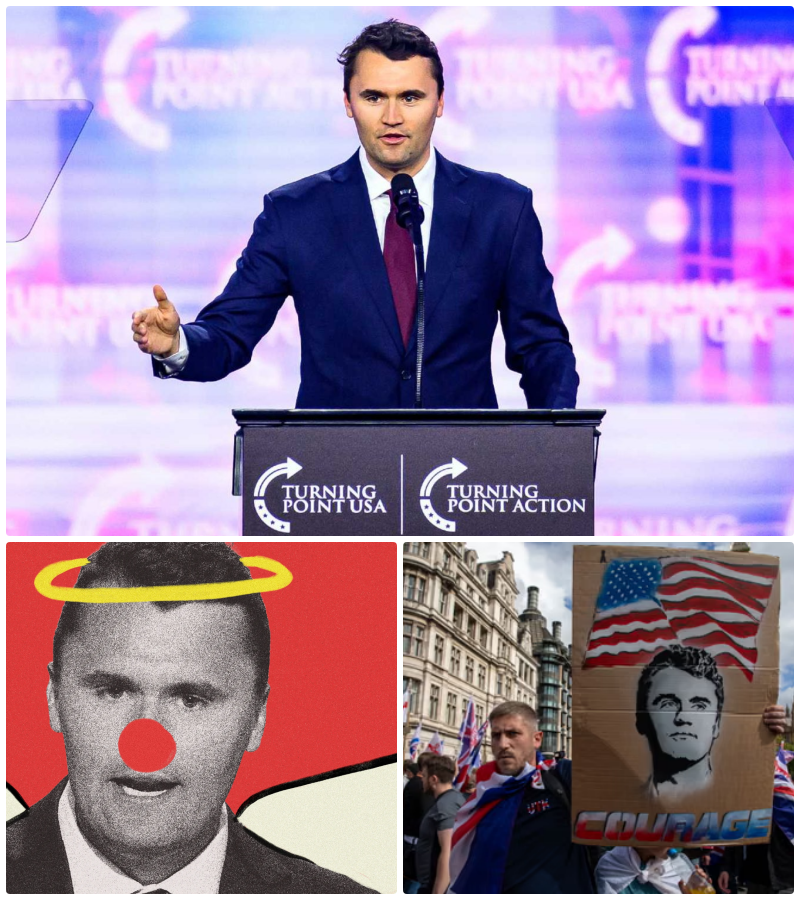
Crude jokes about the Maga luminary are exploding online – less than a year after conservatives were suppressing any slander against him
Ten months since his assassination, Charlie Kirk’s name and likeness are still proliferating online. Just not the way the far-right activist would have wanted.
Audio of the gunshot that killed him has become a TikTok meme, as have ironic reposts of the apparent AI-slop song We Are Charlie Kirk, which was originally created as a posthumous tribute. He was the butt of a crude joke during the Netflix roast of the Hollywood star Kevin Hart in May. The next month, a viral tweet encouraged people to take “a shot” in his honor on Juneteenth. And a trend known as “Kirkification” has emerged, in which internet pranksters superimpose his face on to unlikely images, such as the Mona Lisa, a woman in a bikini, or Jeffrey Epstein.
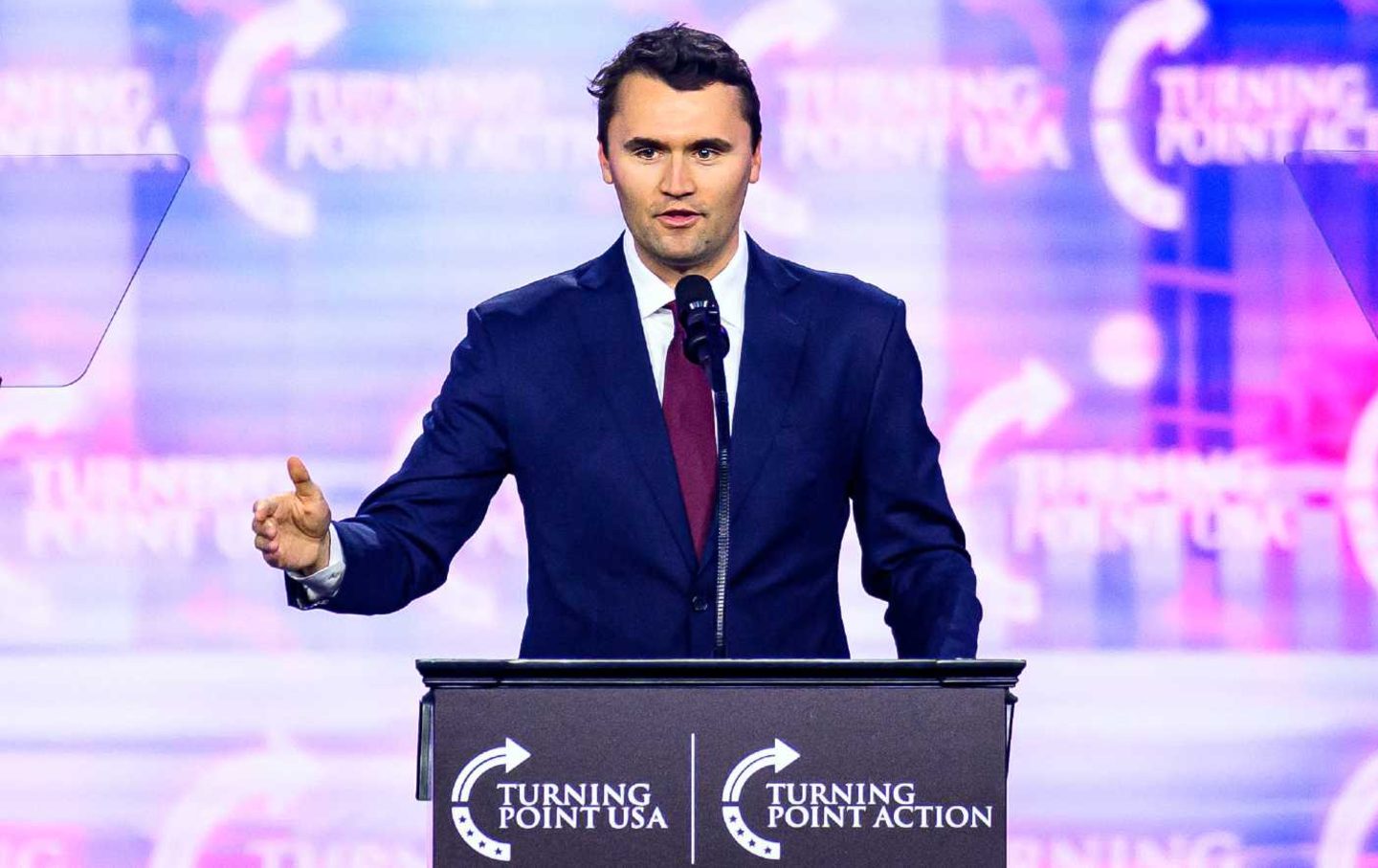
This contemptuous, at times nihilistic humor marks a dramatic shift from the period immediately following Kirk’s death in September, in which conservatives sought to suppress criticism of the late Maga luminary. Hundreds of people were fired or otherwise disciplined for denouncing him (which has since resulted in several settlements over alleged first amendment violations).
The attempted censorship actually intensified the satirization of Kirk online, said Alex Turvy, a media sociologist and author of an upcoming book about internet culture, Memes in the Machine.
“For the first few weeks, the only safe thing to say was praise,” he said. “When you mandate reverence on a medium built for irony [the internet], you don’t freeze the image, you load the spring. A lot of the mockery was that pressure releasing.”
The meme-ification of Kirk threatens to upend the legacy he had carefully cultivated during his lifetime. It has also distracted from the prosecution of his alleged shooter, Tyler Robinson. Preliminary hearings began in Provo, Utah, this week, during which prosecutors reportedly showed graphic videos of Kirk’s final moments. Robinson has not yet entered a plea.
The online noise also demonstrates how Kirk’s organization, Turning Point USA, has struggled to retain its grip on online discourse since his death – even with his widow, Erika, at the helm – and how quickly other rightwing influencers have sought to supplant him. (Turning Point did not respond to a request for comment.)
“The jokes about Charlie Kirk are symbolic of what have been pretty seismic shifts happening within the online culture,” said Eviane Leidig, director of research and outreach at the Center for the Study of Organized Hate.
A lot of young people [are] looking at him and the legacy of his messaging and thinking that it’s really cringe
Eviane Leidig
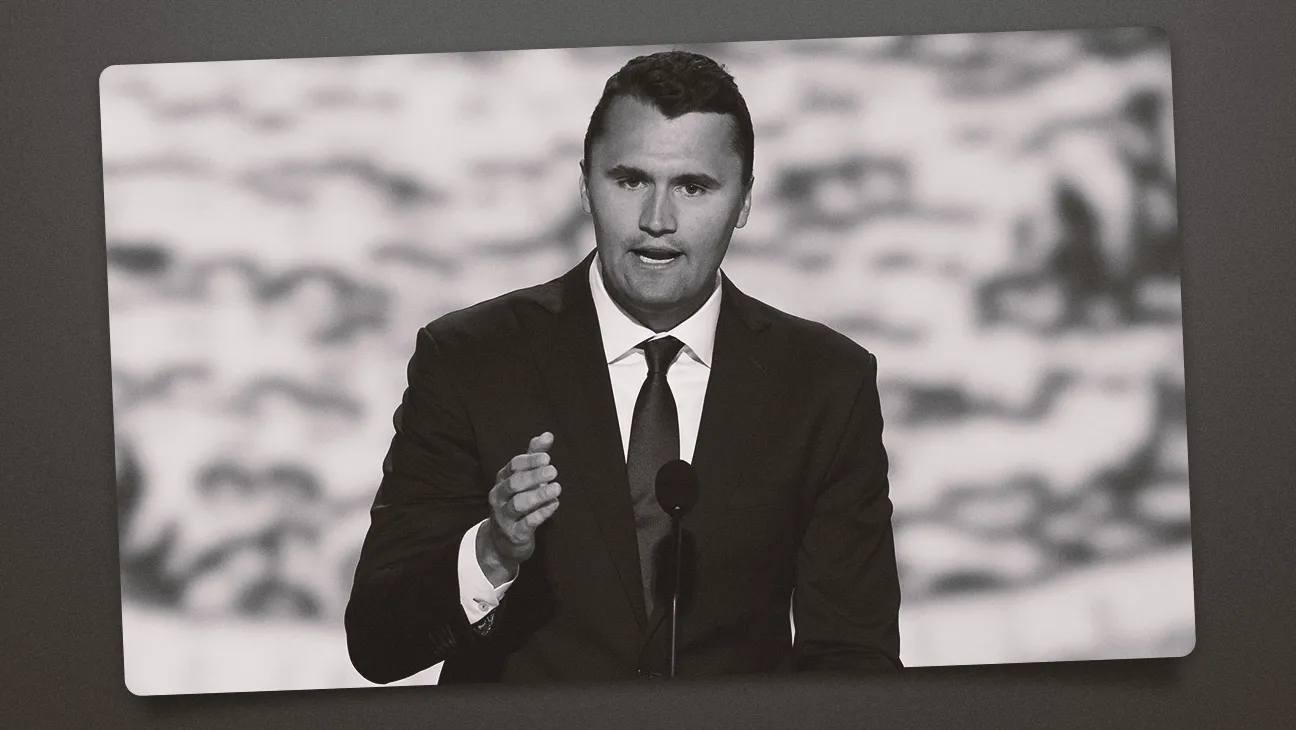
“After his passing, there was really a power vacuum when it came to who was going to be the next big voice for young conservatives and for Maga,” she continued. Figures such as Candace Owens and the white nationalist Nick Fuentes are among those who have jockeyed for clout.
Already, Leidig said, Kirk has fallen out of favor with the younger generation of conservatives – a shift that had begun while he was alive. “A lot of young people [are] looking at him and the legacy of his messaging and thinking that it’s really cringe,” she said. “It’s not cool any more.”
At the peak of his influence, Kirk was Maga’s youth whisperer, able to generate viral clips that extended the Republican party’s reach. His comments were often incendiary, and he was accused of outright bigotry. During one 2023 stream, for instance, he declared that “in urban America, prowling Blacks go around for fun to go target white people. That’s a fact.” In 2025, he commented about Taylor Swift and her then fiance, Travis Kelce: “Reject feminism. Submit to your husband, Taylor.”
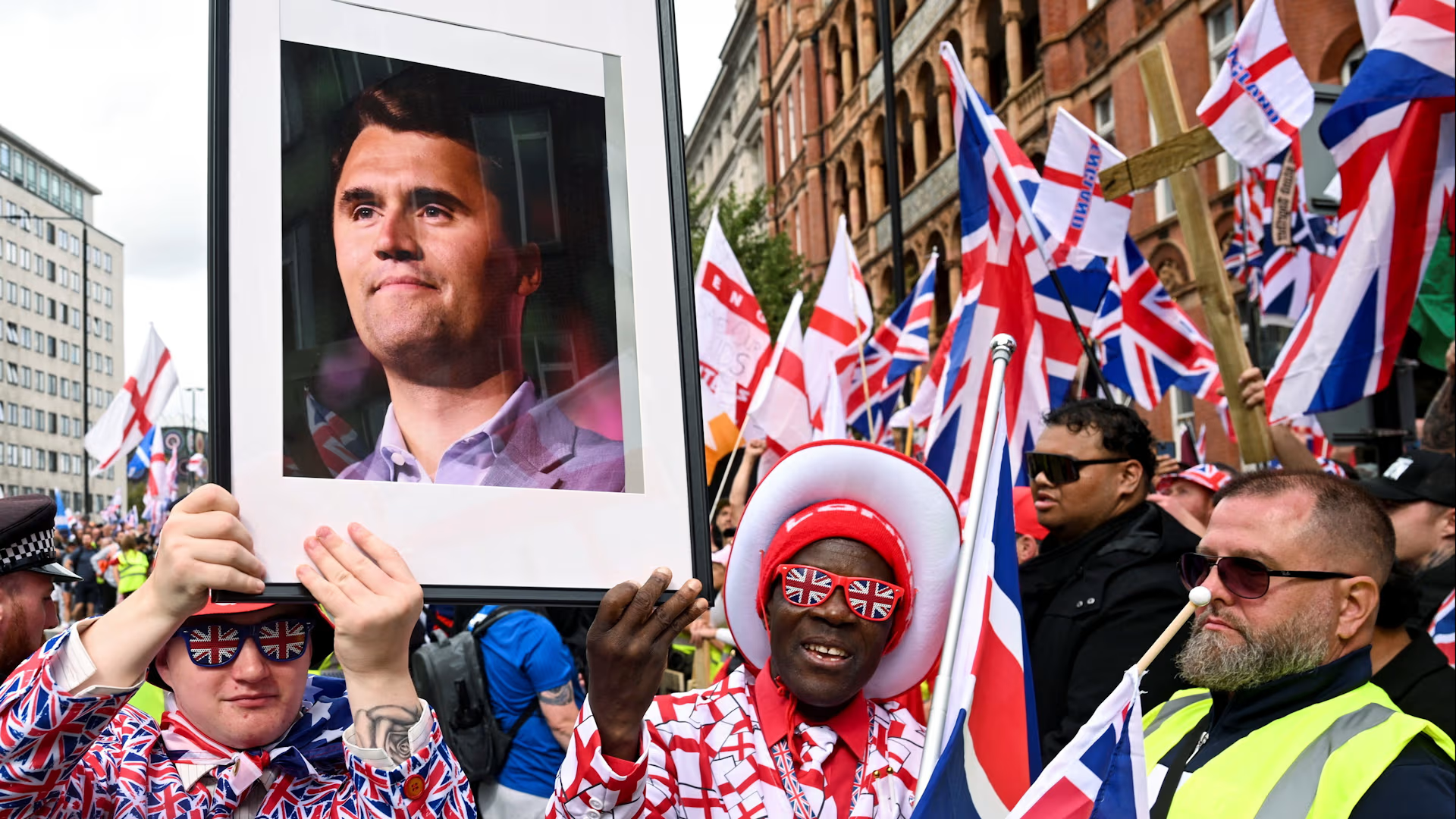
Kirk himself was a product of internet culture. He traveled the country challenging college students to debates (which was the reason he was at Utah Valley University on the afternoon of his assassination), and participated in online political brawls with liberals. These gatherings weren’t actually about generating productive dialogue or changing minds. Rather, they were designed to create viral clips, said Jamie Cohen, associate professor of media studies at Cuny Queens College.
Kirk fit into what Cohen describes as a collective of “media martyrs”, a group of online voices who claim to be bravely countercultural. His tactics appealed particularly to young men who saw him as a “truthsayer”, Cohen argued. In his view, Kirk’s acolytes believed they had been marginalized in a culture that had deprioritized white men. They saw him “as brave and willing to say what others won’t”, Cohen said, “though they rarely realized that Kirk was basically making it up for clicks and views”.
Source: https://www.theguardian.com/us-news/2026/jul/09/charlie-kirk-meme-young-supporters