Baylen Dupree’s Wedding Rehearsal Took an Emotional Turn When Her Tics Became Overwhelming
- NgoPhong
- August 12, 2026
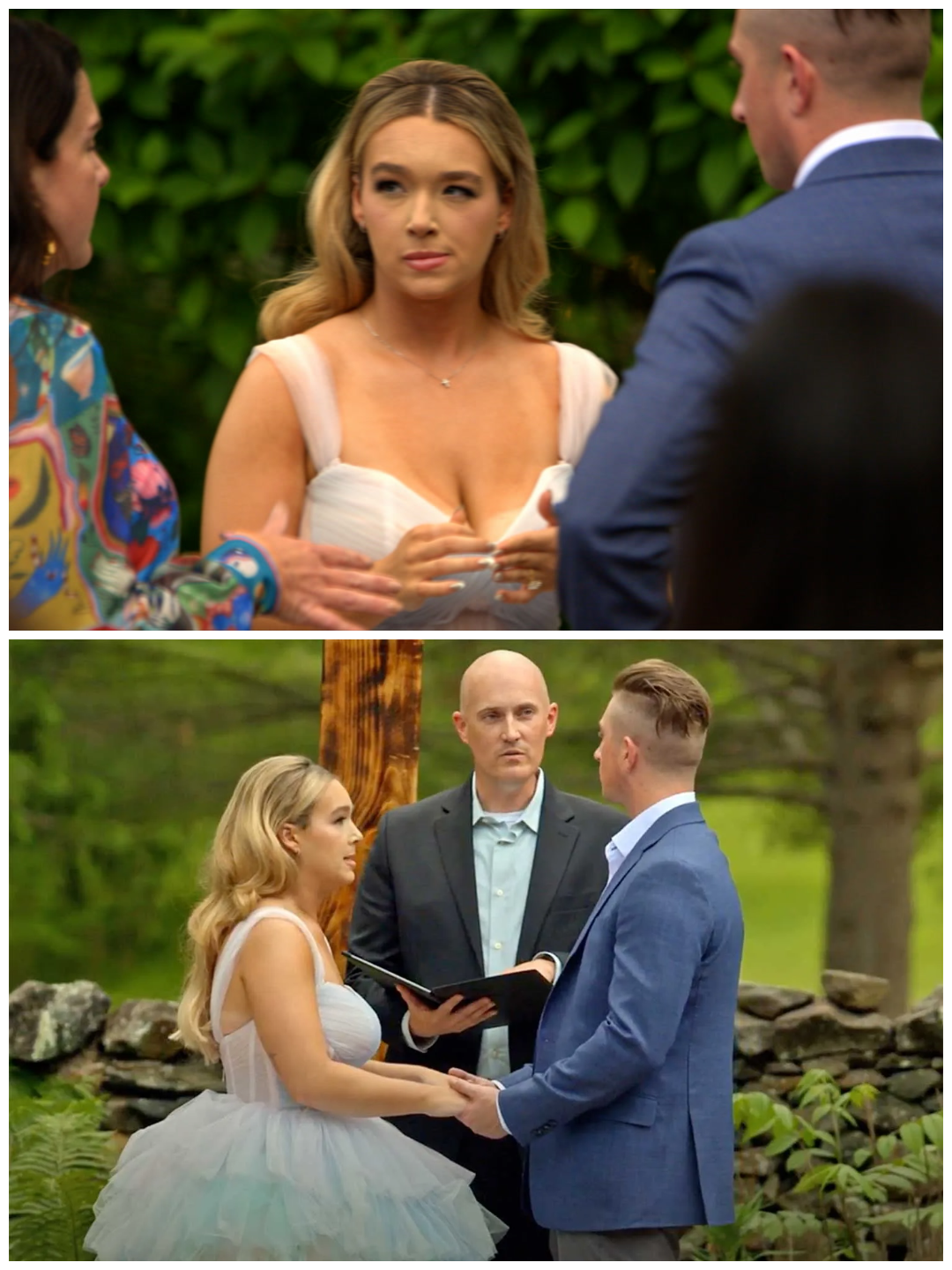
Baylen Dupree had imagined her wedding rehearsal as one of the final happy steps before marrying Colin Dooley.
Instead, the evening became a reminder of something she has spent years learning to live with: even on the most meaningful days, Tourette syndrome can interrupt without warning.
Dupree, the social media personality and star of Baylen Out Loud, experienced a severe tic episode during her wedding rehearsal, leaving her overwhelmed at a moment when emotions were already running high.
The incident unfolded as she prepared to marry Dooley, her longtime partner and one of the most important sources of support in her life.
For Dupree, the episode was frightening and frustrating.
For the people around her, it became another example of the unpredictability of Tourette syndrome — and of the kind of patience and understanding required when symptoms intensify.
A Major Milestone Came With Major Emotions
Dupree has built a large following by openly documenting what life with Tourette syndrome can look like.
Her content often shows the humor, awkwardness and difficulty that come with involuntary movements and vocal tics. But some moments are much harder than others.
The wedding rehearsal was one of them.
With the ceremony approaching, Dupree was surrounded by family, friends and the people who would be part of her wedding day.
The setting should have felt celebratory.
Instead, the stress and emotion of the occasion appeared to contribute to a powerful burst of tics.
Dupree became increasingly distressed as the episode continued.
The moment was particularly difficult because she wanted to participate fully in the rehearsal and enjoy the excitement leading up to the wedding.
Her body, however, was not cooperating.
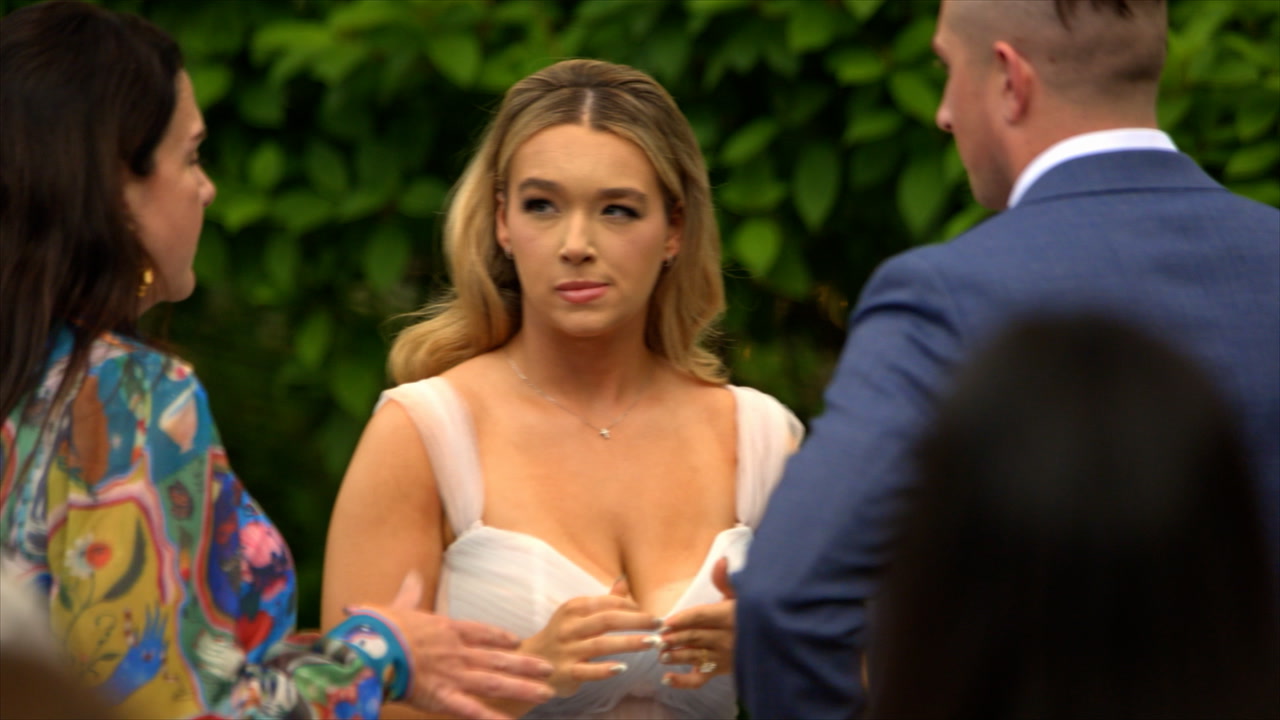
Colin Dooley Stayed Close
Throughout Dupree’s public journey with Tourette syndrome, Dooley has become a familiar presence.
Their relationship has often shown viewers what support can look like when one partner lives with a neurological condition that can suddenly become highly visible.
During the rehearsal episode, that support became especially important.
Dooley remained close as Dupree struggled through the tics.
He did not treat the moment as embarrassing or something that needed to be hidden.
Instead, his response reflected the familiarity the couple has developed over time.
For Dupree, that kind of acceptance has been central to their relationship.
She has previously spoken about how important it is to have someone who understands that her tics are not intentional and that moments of escalation can happen regardless of the setting.
A wedding rehearsal did not change that reality.
Tourette Syndrome Does Not Pause for Big Moments
One of the reasons Dupree has attracted such a large audience is that she has shown how Tourette syndrome can appear during ordinary routines as well as major life events.
The condition can involve involuntary movements and sounds that a person cannot simply switch off.
For Dupree, symptoms can intensify under stress or strong emotion.
That means joyful situations can sometimes become physically difficult even when nothing is emotionally “wrong.”
The wedding rehearsal captured that contradiction.
Dupree was preparing for something she deeply wanted.
She was surrounded by people who loved her.
Yet the intensity of the moment still contributed to an experience that became exhausting and upsetting.
The episode offered a more complicated picture of living with Tourette syndrome than the short clips that often circulate online.
Tics can be funny in one moment and painful in another.
They can become part of a person’s identity without defining the entirety of that person.
And they can show up at exactly the moment someone most wishes they would not.
Her Family Helped Her Regain Control
As Dupree became overwhelmed, the people around her worked to help her settle.
The rehearsal temporarily became less about wedding logistics and more about helping her through the episode.
That shift was important.
Rather than pressuring her to continue as if nothing were happening, those around her responded to what she needed in the moment.
Dupree has often emphasized the importance of having people who recognize the difference between reacting to a tic and reacting to the person experiencing it.
The wedding rehearsal illustrated that distinction clearly.
The tics were disruptive.
Dupree herself was not the problem.
The people who loved her understood that.
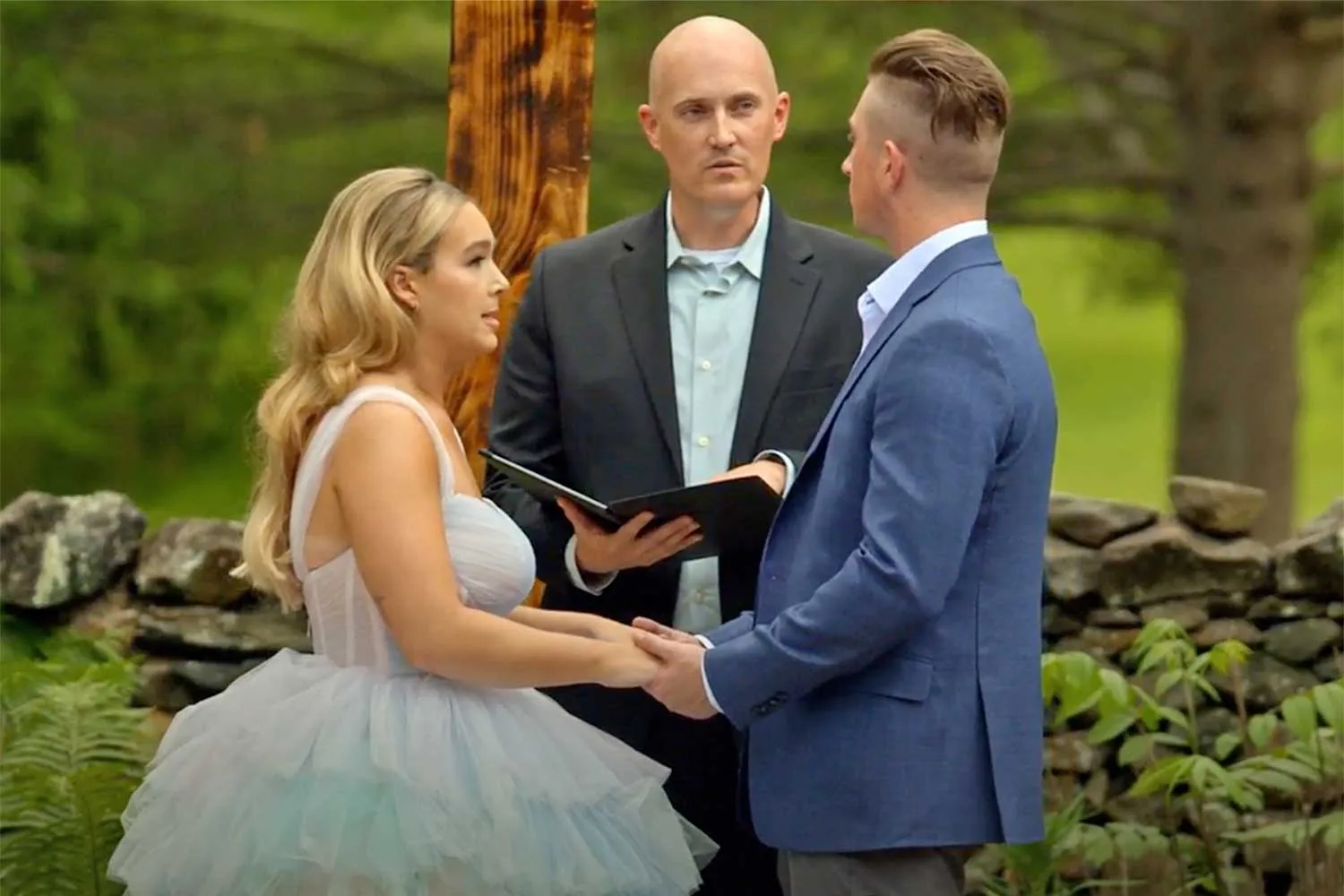
The Wedding Carried Extra Meaning
Dupree and Dooley’s relationship has become a major part of her public story.
As her audience has watched her navigate life with Tourette syndrome, they have also watched the couple build a partnership around acceptance.
Their wedding therefore represented more than a conventional celebrity milestone.
It was the culmination of a relationship in which Dooley had already seen Dupree through highly visible and difficult moments.
The rehearsal episode became another one of those moments.
It did not cancel the joy surrounding the wedding.
But it showed the reality underneath the polished images people normally associate with ceremonies and celebrations.
For Dupree, getting married did not mean Tourette syndrome suddenly became less complicated.
It meant stepping into a new stage of life with someone who already understood that complication.
Dupree Has Made Visibility Part of Her Platform
Years before the wedding, Dupree began sharing videos of her tics online.
Her openness attracted followers who were curious, supportive or dealing with Tourette syndrome themselves.
That visibility eventually led to Baylen Out Loud, which gives viewers a deeper look at her family life, relationships and daily challenges.
The series has shown situations that short social media videos cannot always capture.
There are moments when Dupree laughs at something unexpected her tics produce.
There are also moments of exhaustion, embarrassment and frustration.
The wedding rehearsal belonged firmly in the second category.
It showed the emotional cost that can come when symptoms become intense at a time that already carries enormous pressure.
Yet Dupree allowed that moment to be seen.
That decision was consistent with the way she has approached her platform from the beginning.
She has rarely presented Tourette syndrome only when it is convenient.

The Episode Did Not Define the Wedding
The most important part of the rehearsal was what happened after the difficult moment.
Dupree was still moving toward her wedding.
The tic episode became part of the experience, but not the whole experience.
That distinction matters.
For someone living with a chronic neurological condition, major milestones do not happen in a separate, symptom-free version of life.
They happen inside the same reality as everything else.
Dupree’s rehearsal showed that reality clearly.
There was excitement.
There was love.
There was stress.
And there was a moment when her tics became overwhelming enough to stop everything else.
Then the people around her helped her through it.
For Dupree and Dooley, that may have been one of the clearest reminders of what they were actually preparing to promise each other.
Marriage would not remove the difficult days.
It would mean facing them together.
And as Dupree moved closer to the ceremony, the rehearsal became less a story about something going wrong and more a story about what happened when it did.
She was not left alone with the fear or frustration.
The people closest to her stayed.
And the wedding still moved forward.