A 5-Year-Old Died of Cancer. Then Her Parents Donated Her Brain to Science.
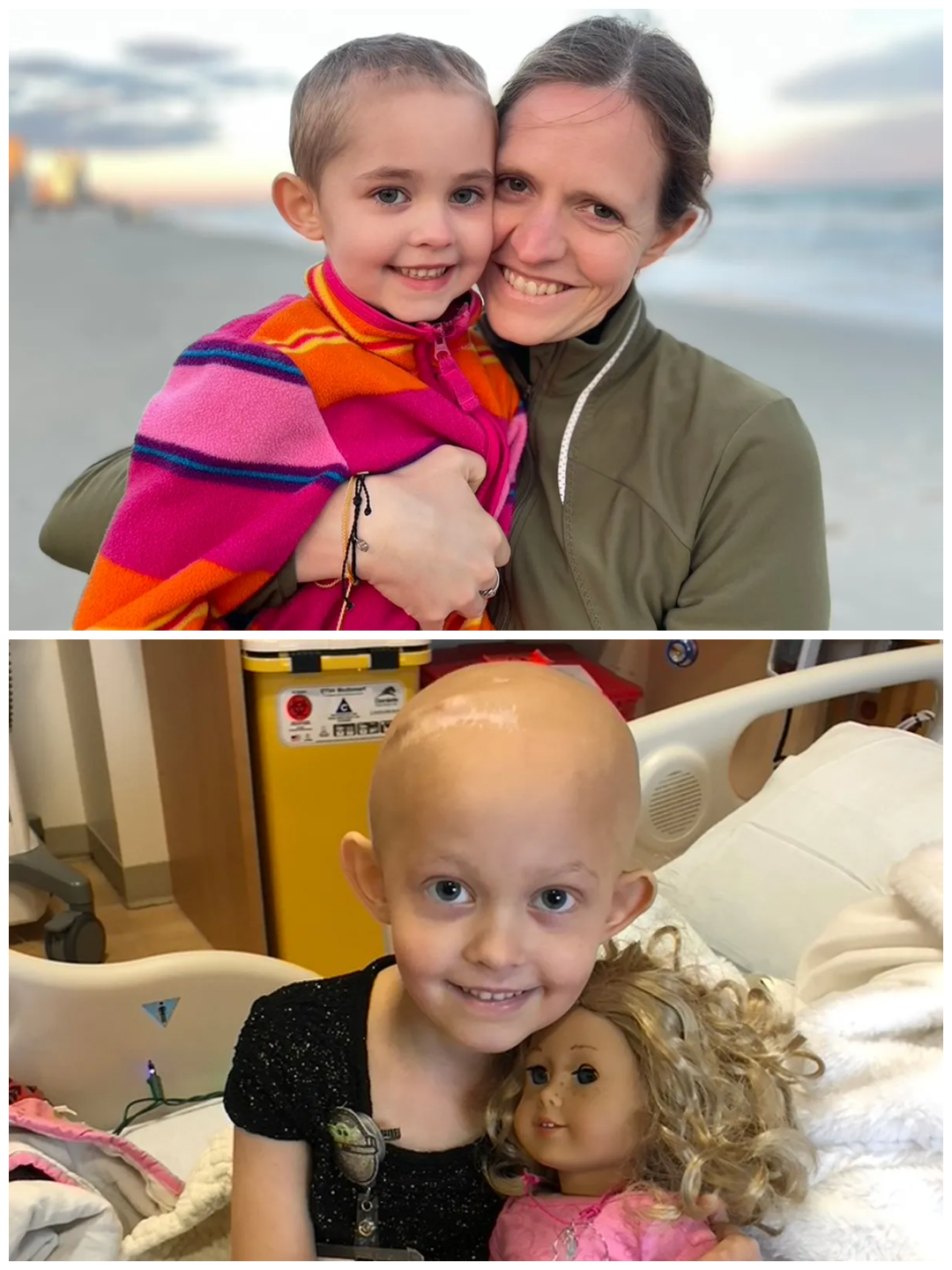
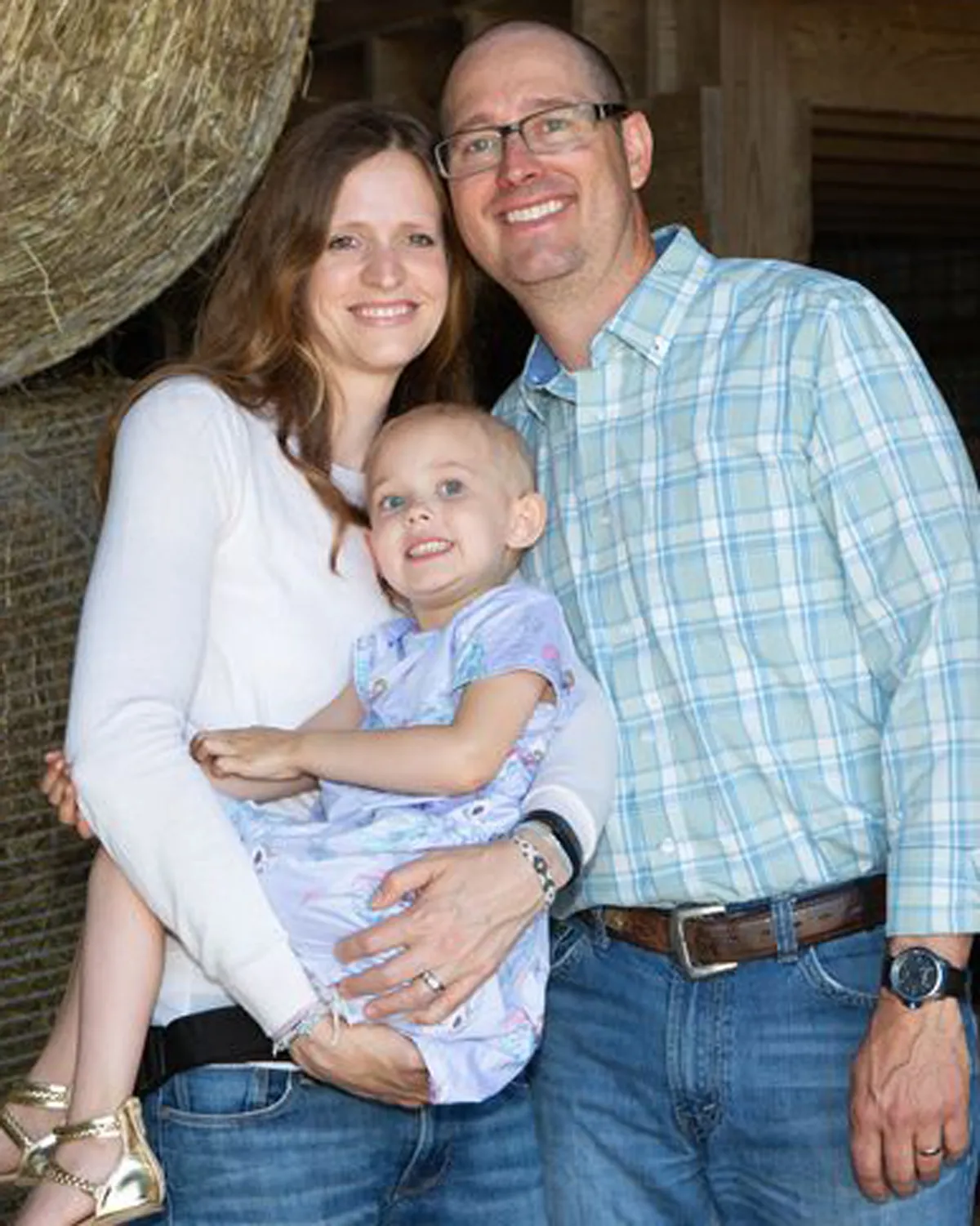
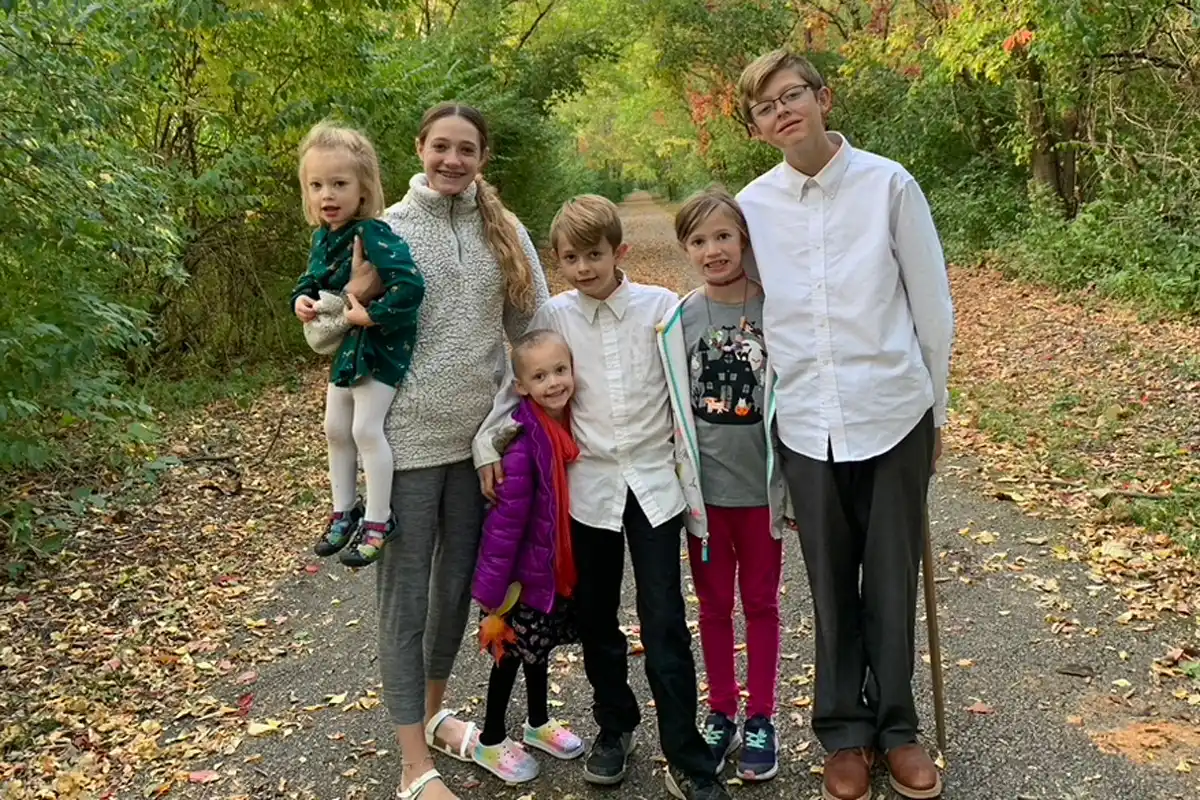
The first headache came during a family road trip. Cecilia Crockett was four years old, and her parents, Allison and Ben, figured she was tired or carsick.
Then came the appointment for what they thought was a routine checkup. The doctor noticed her eyes weren’t tracking together. They figured she might need glasses. The news came instead like a stop sign on a highway they’d been speeding down.
The golf-ball-sized tumor sat at the geographic center of her brain, an area so deep they’d need a map and a prayer to reach it. The diagnosis was pineoblastoma, an aggressively rare pediatric brain cancer that accounts for fewer than 1% of childhood tumors. Before the week was out, her parents sat in a consultation room at Riley Children’s Hospital, and a doctor told them their lives would never be the same.
“Within a day or so, we realized that our lives were going to change,” Ben Crockett told PEOPLE, remembering the moment he felt the floor drop out from under him. “I don’t think we could even comprehend at that point what he meant.”
The Morning She Sat Up
Cecilia underwent multiple rounds of chemotherapy. During her very first round, her tumor hemorrhaged. She nearly died that day in the hospital.
Doctors rushed to hook her up to platelets, and she lived, defying the first of many impossibly short timelines. Her parents made the choice against radiation, having seen too much data on what it does to developing brains. Instead, they dragged the word “remission” around the farm where they lived in Thorntown, Indiana, hoping it would stick.
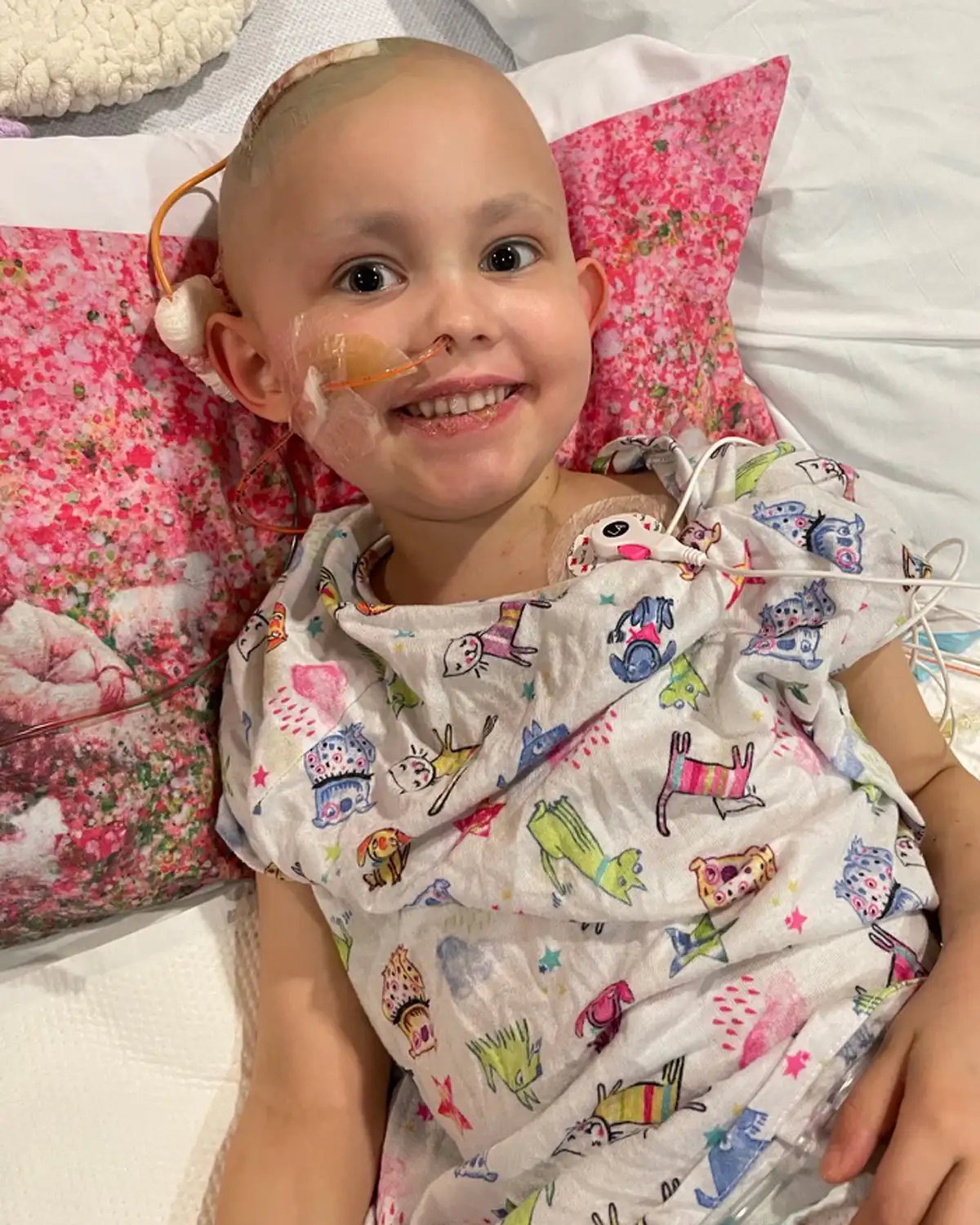
In 2022, doctors again told the family that Cecilia only had 24 hours to a week left. They took her home to be with her siblings. Instead of sleeping, she recovered.
With the help of her pain pump—which she named George—she began to walk and talk again. She started a second and third round of chemo in late 2022. By January 2023, she was on a “plethora of medications” for various infections, but the family still held hope.
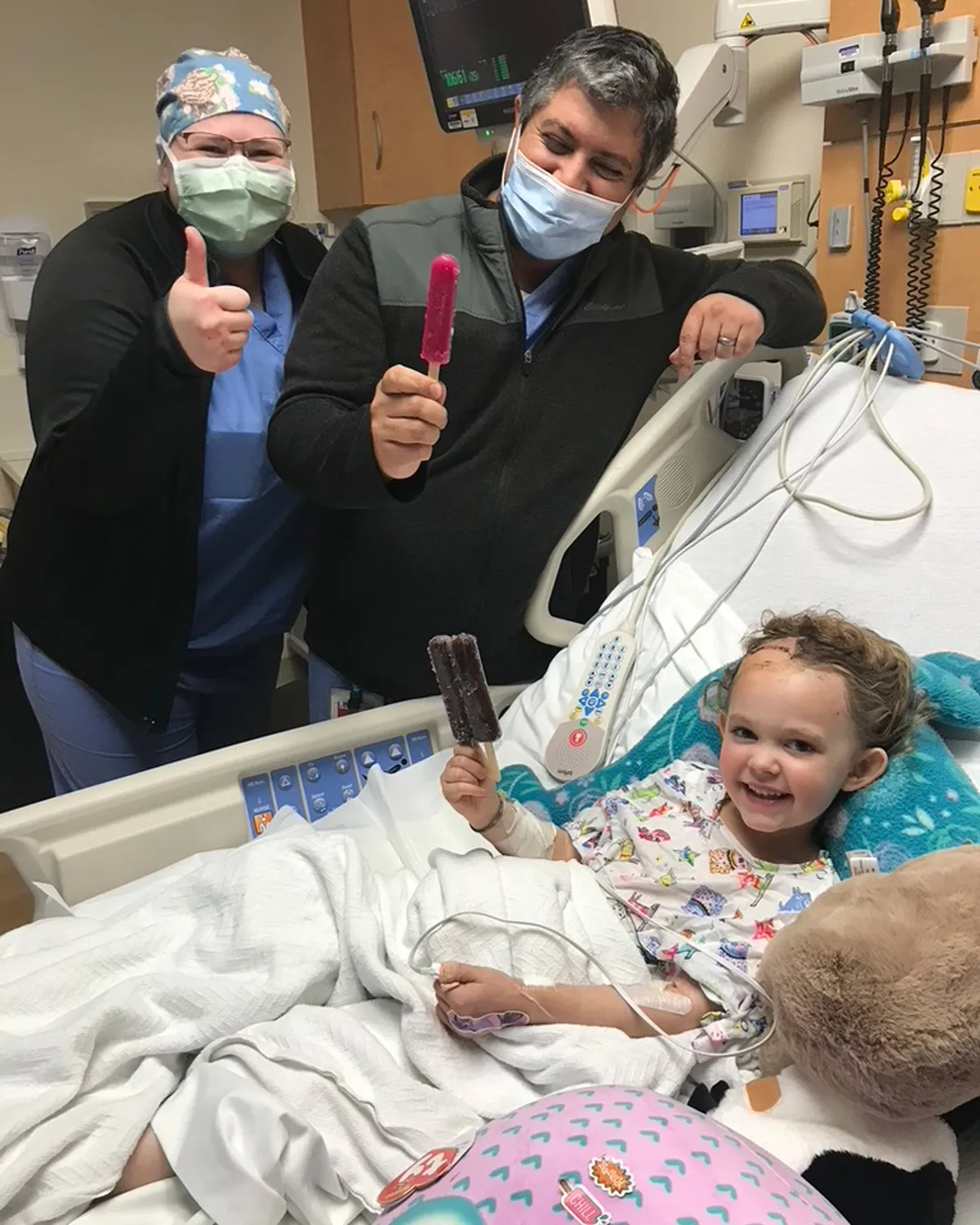
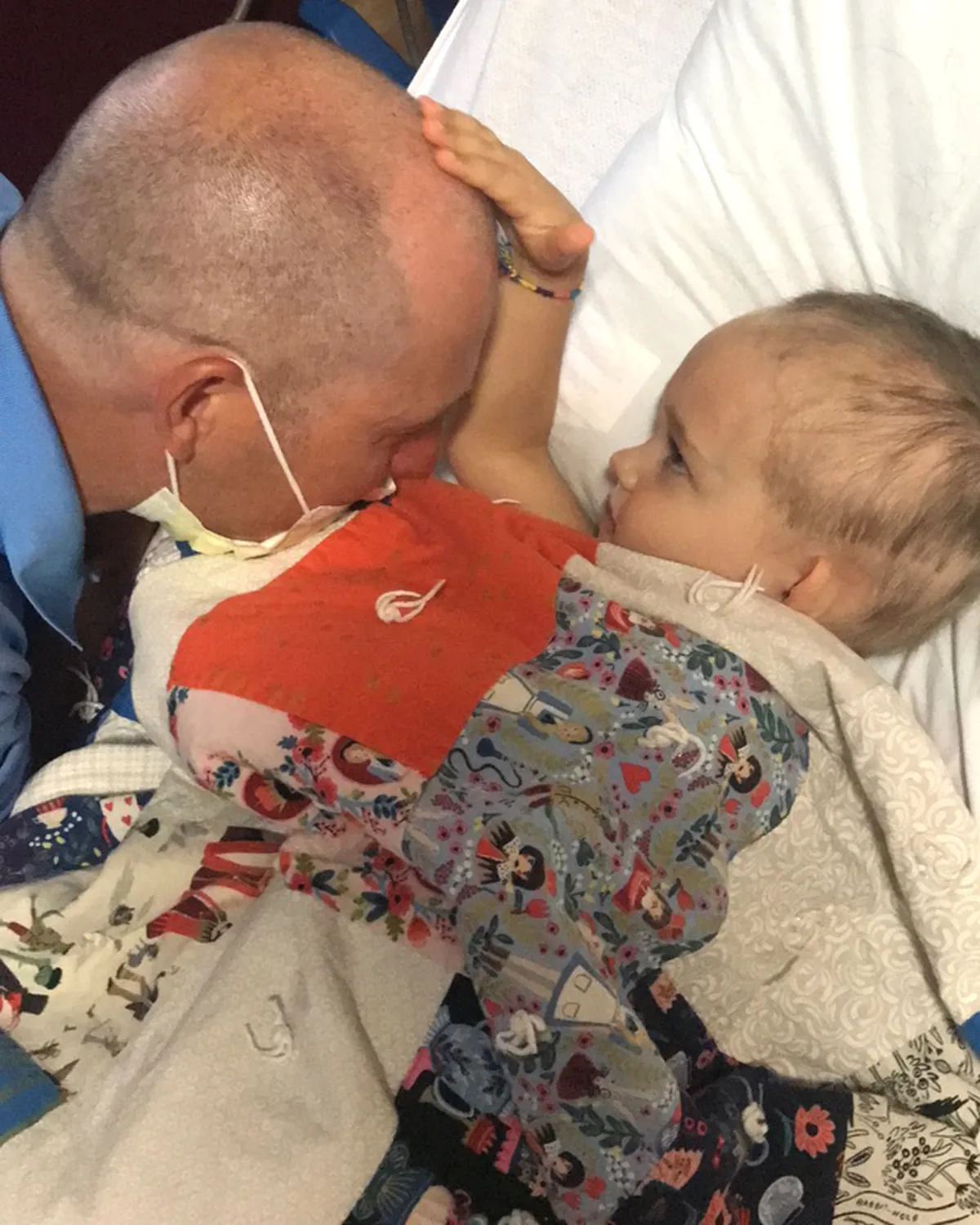
Surgery again. Doctors warned her parents that she might not wake up for days.
“And at about 6:00 a.m., I hear this voice that says, ‘Daddy, can we wake up?'” Ben recalled. He walked over to her bedside, amazed. “I just said, ‘Cecilia, how are you so brave?'”
The reply, he said, came with perfect clarity.
“Daddy, I have important stuff to do.”
She closed her eyes and didn’t wake again for 12 hours. It wasn’t a hallucination from the meds; it was a declaration of intent.
The Question That Changed Everything
The doctors went in several more times to cut the tumor, but it kept regrowing. By February 2023, Allison began to mentally prepare for the inevitable. While researching pediatric brain cancer, she’d found studies out of the United Kingdom that mentioned a concept she’d never seen in U.S. articles: parents donating their child’s brain tissue for research after they die.
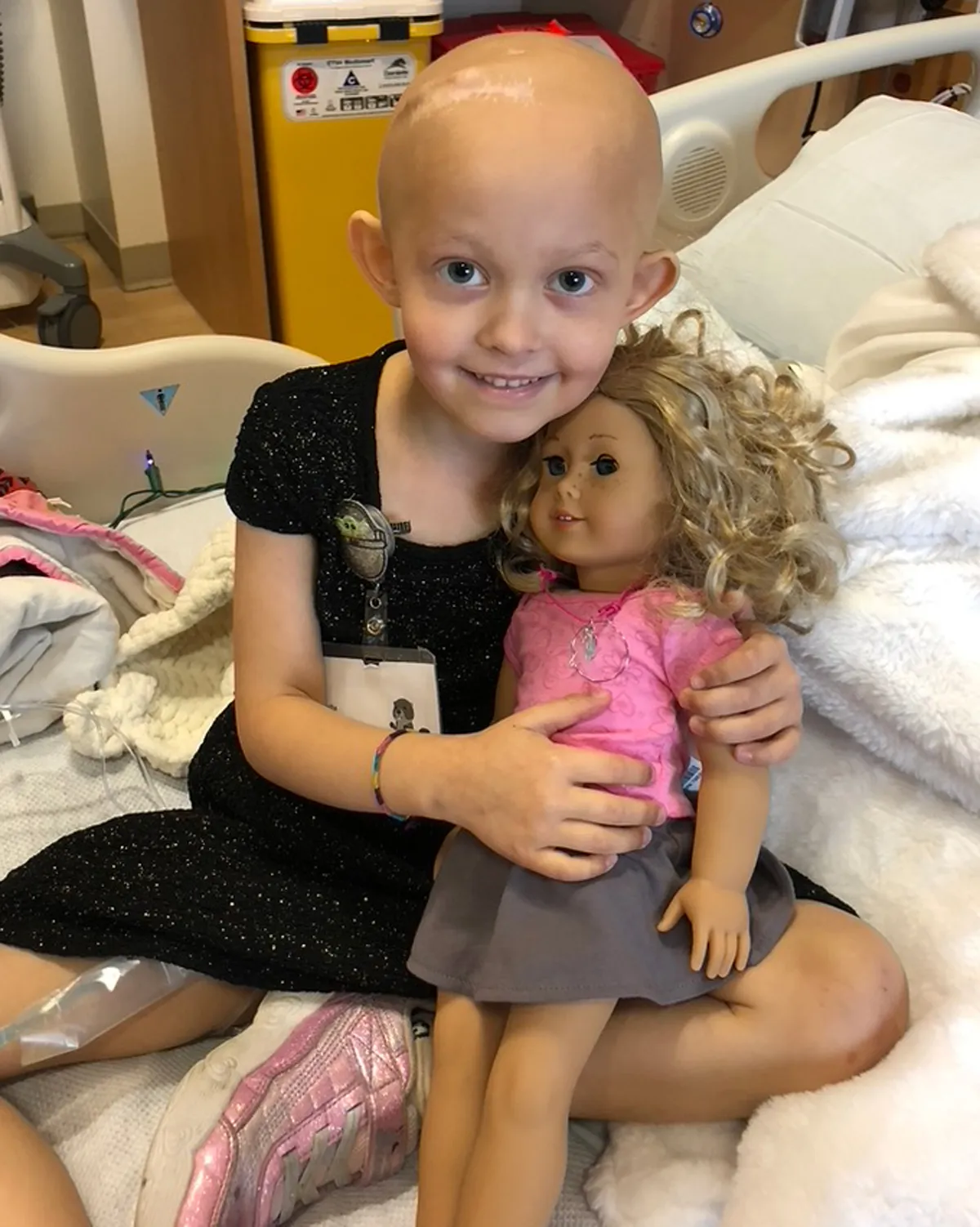
“I don’t know if people do that here,” she told PEOPLE. “It feels like there’s some neuro-ethics involved, because the brain is the center of your identity. It holds all your memories”.
The thought was crushing. To think about a 5-year-old’s memories in a lab. But she kept mulling it over, and Ben saw the gravity in her eyes when she finally brought it up.
“It’s hard to even imagine this, and even as I say it, it hurts a little,” he said, recalling her question to him. “If we’re going to lose the battle, is there at least something we could do to either save Cecilia’s brain tissue or do something to further research?”
The Gift in the Grief
Cecilia died on July 19, 2023, at home in Thorntown, Indiana. She was 5 1/2 years old.
Following their heartbreaking decision, Cecilia’s brain tissue was donated—one of the first such donations for pediatric brain cancer in Indiana -5. The doctors at IU School of Medicine and Riley Children’s Hospital found something rare in her donation: a timeline.
Because the tumor had been biopsied multiple times during her 15-month fight, researchers had access to a historical record of how the cancer changed over time, in its DNA and cellular evolution.
“It provides a rare opportunity to examine how a tumor changes over time,” Dr. Jignesh Tailor, a pediatric neurosurgeon, said .
The family seeded a Pediatric Neuro-Oncology Research Fund with a $25,000 gift. The fund now supports researchers and scholars working to find targets for these rare tumors.
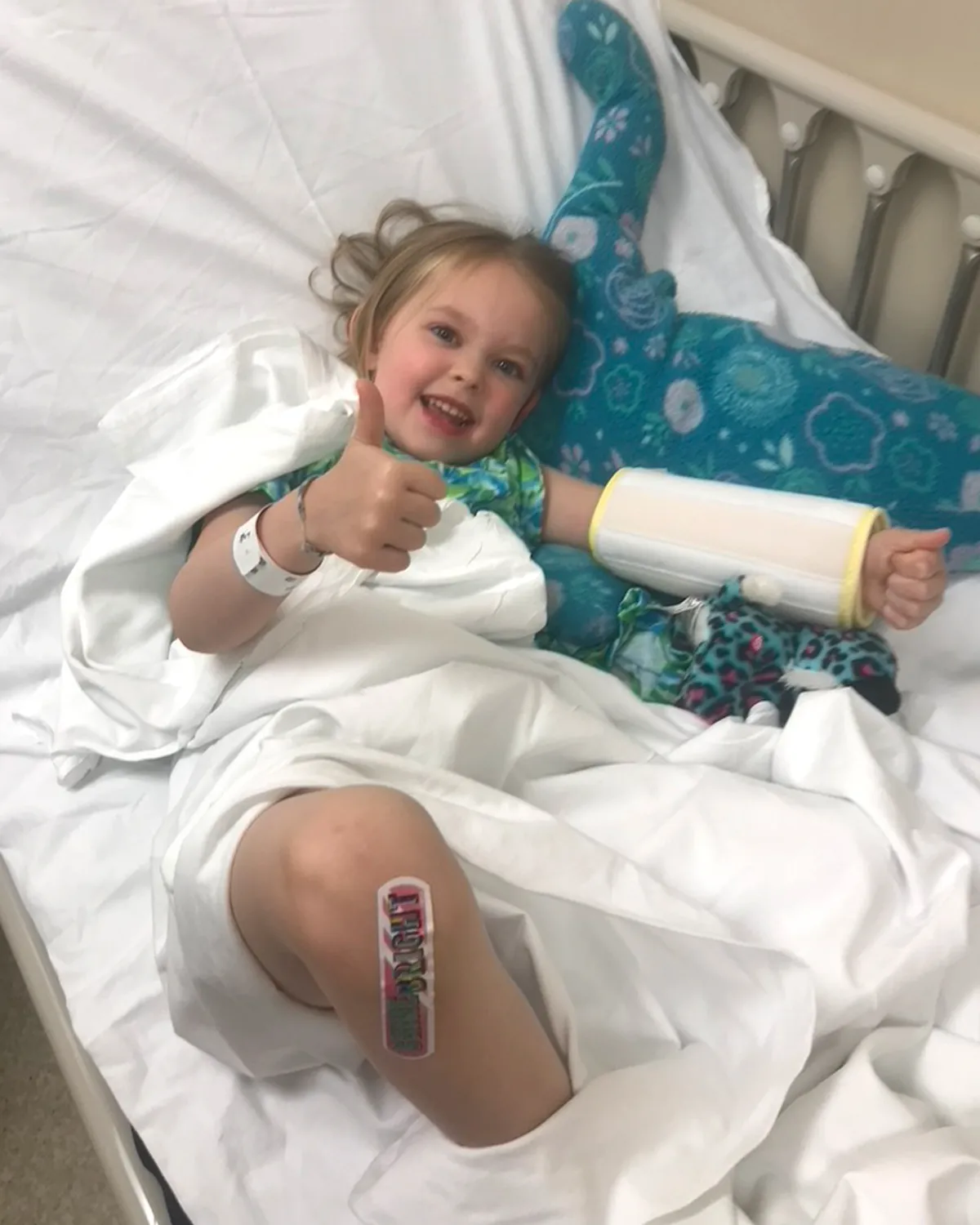
As her father remembered those last days, he didn’t recall a 5-year-old who was scared or angry. He recalled a child who, in those final weeks, used to gather the family together for a ritual: she made them all say what they were grateful for.
On one of those last nights, she had her own phrase for the feeling in her chest. She said she was “sad-grateful.” Sad to be leaving, but deeply grateful for the home she’d known.
A few hours before she died, Ben wrote down one last thing she said, the same thing she’d told him in the hospital after her surgery.
“I have important stuff to do.”