Angelina Jolie Never Thought Lisa Rowe Was ‘Insane’ — And That Choice Changed Girl, Interrupted

Angelina Jolie’s performance as Lisa Rowe in Girl, Interrupted can feel unpredictable, confrontational and deeply unsettling.
But Jolie herself approached the character from an almost completely opposite direction.
While audiences might have watched Lisa and seen someone unstable, Jolie has said she never believed she was portraying an “insane” woman at all. In her mind, Lisa was the person who saw the world around her most clearly.
That distinction was not a small acting choice. It was the foundation of the performance.
Looking back on the 1999 film, directed by James Mangold, Jolie revealed that she genuinely viewed Lisa as the only sane character in the story — and intentionally played her that way.
“I really, genuinely thought I was the only character who was sane,” Jolie said of her perspective on Lisa.
For viewers who remember Lisa as one of the film’s most volatile personalities, that explanation offers a striking new way to look at the performance.

Jolie Wasn’t Trying to Play “Crazy”
One of the most revealing parts of Jolie’s reflection is that she was almost bothered by the way some people praised her work.
People told her she was convincing at portraying someone who seemed insane.
Jolie saw it differently.
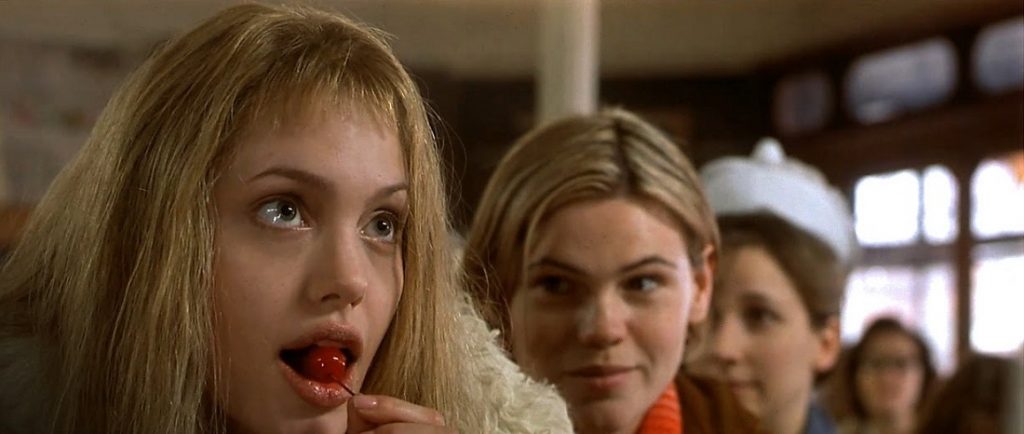
She did not enter scenes thinking about how to make Lisa appear irrational or unstable. Instead, she approached the character as someone who believed she understood exactly what was happening around her.
From Lisa’s own perspective, there was logic behind the way she behaved.
Jolie’s interpretation was centered on honesty. She saw Lisa as a person who expressed things directly, without softening them simply because other people might find them uncomfortable.
That bluntness, Jolie suggested, was part of why the character could appear so extreme.
She wasn’t trying to manufacture madness for the camera.
She was playing a woman who, in her own mind, refused to pretend.
That Perspective Changes the Performance
The difference between playing a character as “insane” and playing a character who believes everyone else is wrong can completely change the energy of a scene.
An actor approaching Lisa as someone deliberately irrational might emphasize chaos.
Jolie’s approach creates something more uncomfortable.
Lisa does not need to believe she is frightening.
She does not need to believe she is out of control.
She can enter a conversation convinced that she is simply saying what everybody else is afraid to say.
That gives the character a confidence that can make her even harder to ignore.
It also explains why Jolie’s performance does not depend on Lisa constantly signaling that something is wrong with her. From Jolie’s point of view, Lisa would have no reason to do that.
She believes she is making sense.
Everyone else simply cannot handle her version of the truth.
That contradiction — between how Lisa sees herself and how others may see her — becomes one of the most intriguing ideas behind Jolie’s interpretation.

Honesty Became the Key to Lisa
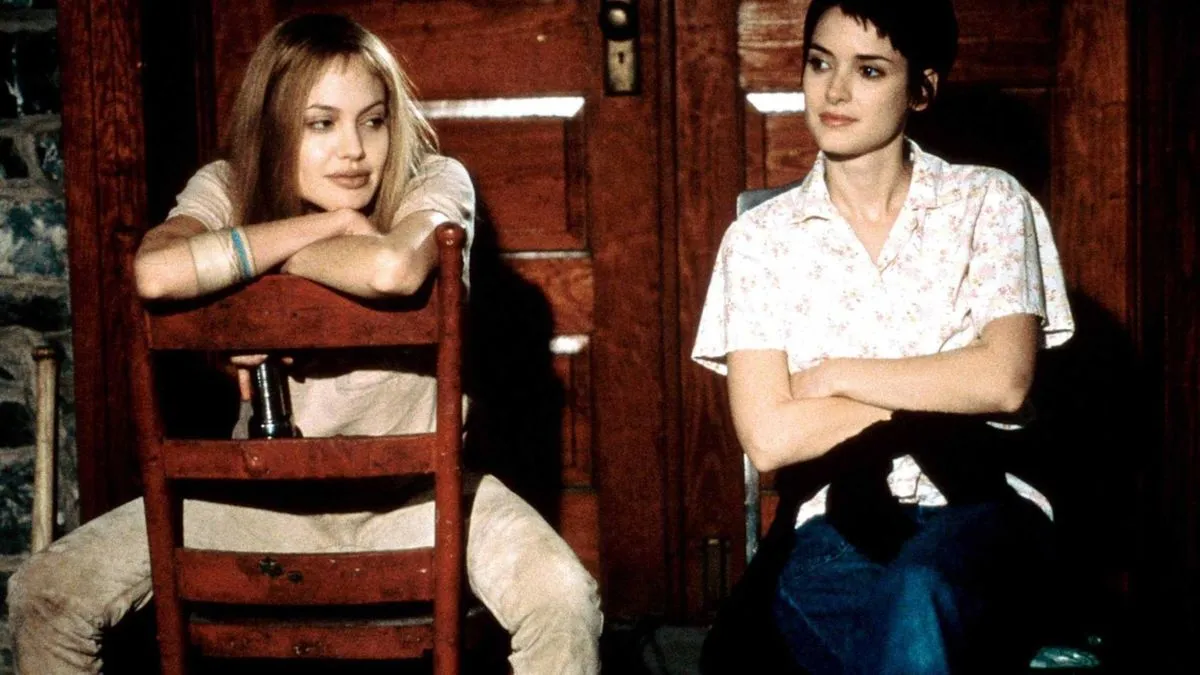
Jolie described Lisa not as insane but as intensely honest, suggesting that the character’s refusal to filter herself was what could make her appear “crazy” to other people.
It is an unusually simple explanation for such a memorable screen presence.
Rather than building the character around a label, Jolie appears to have focused on Lisa’s internal point of view.
If Lisa believed herself to be sane, then Jolie could not play her as though she were consciously demonstrating instability.
Instead, every confrontation could come from conviction.
Every uncomfortable observation could feel justified.
Every reaction could make sense from inside Lisa’s own world, even when the people around her experienced it very differently.
That approach also creates a fascinating tension for an audience.
Viewers are left to decide how much of Lisa’s behavior comes from insight, how much comes from her refusal to accept boundaries, and whether brutal honesty automatically makes someone more truthful than the people surrounding them.
Jolie’s interpretation does not necessarily answer those questions.
It makes them harder to dismiss.
A Character Who Never Saw Herself the Way Others Did
The most interesting part of Jolie’s comments may be the gap between intention and reaction.
She believed she was portraying someone sane.
Some viewers saw an extraordinarily convincing portrayal of someone who was not.
Those two interpretations existed inside the same performance.
And Jolie’s surprise at the response suggests just how completely she had committed to Lisa’s point of view.
She was not standing outside the character, judging her.
She was looking outward through Lisa’s eyes.
That is what makes the revelation so compelling years after Girl, Interrupted first appeared in 1999.
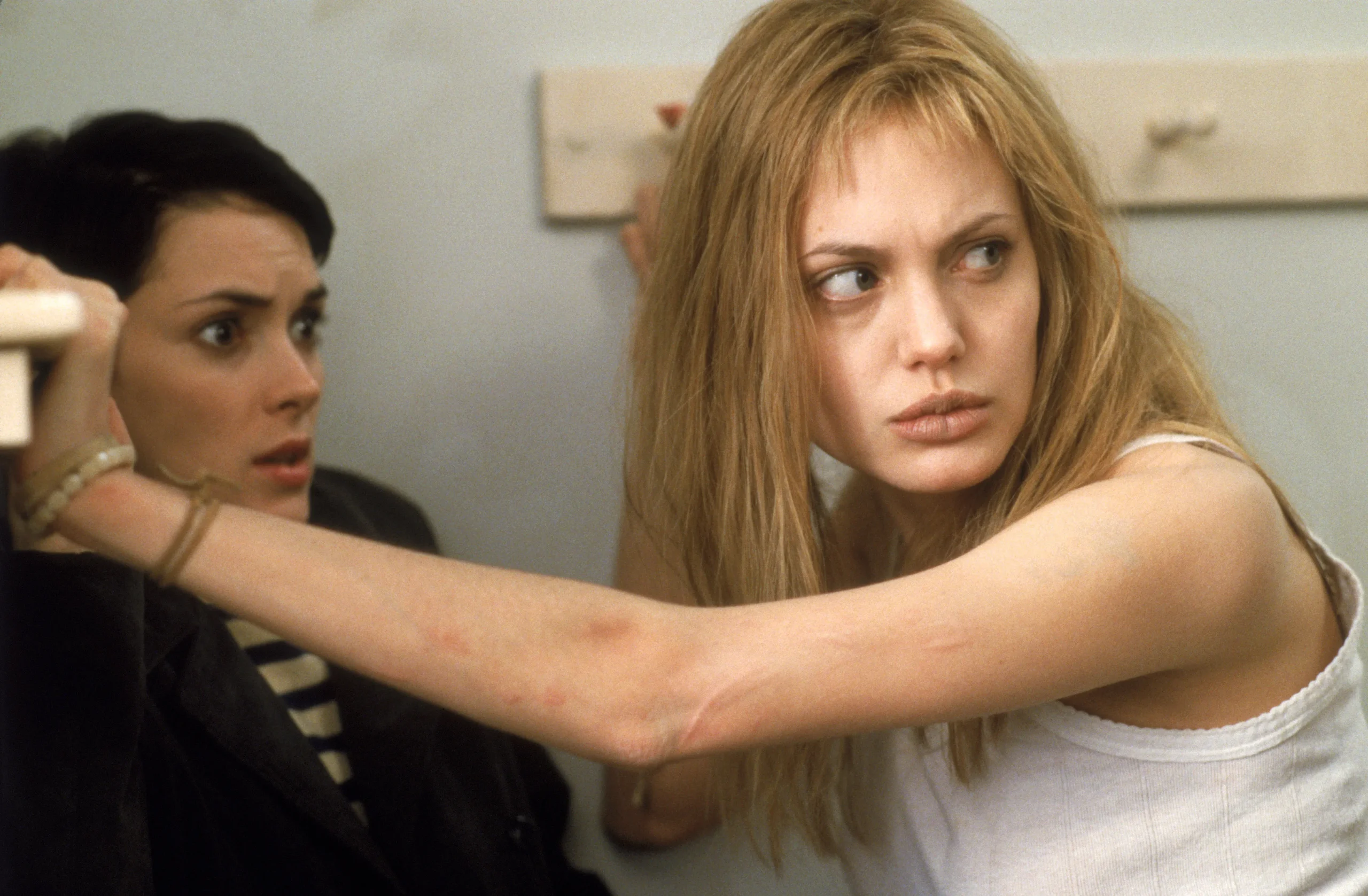
Knowing Jolie’s mindset does not erase the intensity of Lisa Rowe. Instead, it reframes it.
The next time Lisa appears certain, aggressive or brutally direct, there is another layer to consider: the actress playing her was not thinking, “This woman is losing control.”
She was thinking that Lisa might be the only person who actually understood what was going on.
And perhaps that is why the character remains so difficult to look away from.
Jolie did not try to convince audiences that Lisa was different from everyone else.
She played Lisa as though everyone else was different from her.
That single reversal transformed the performance — and turned a character many viewers saw as deeply unstable into someone Jolie herself believed was simply, painfully honest.