Lindsay Clancy Trial: New Evidence Puts Focus on Searches, Medications and Her Mental State
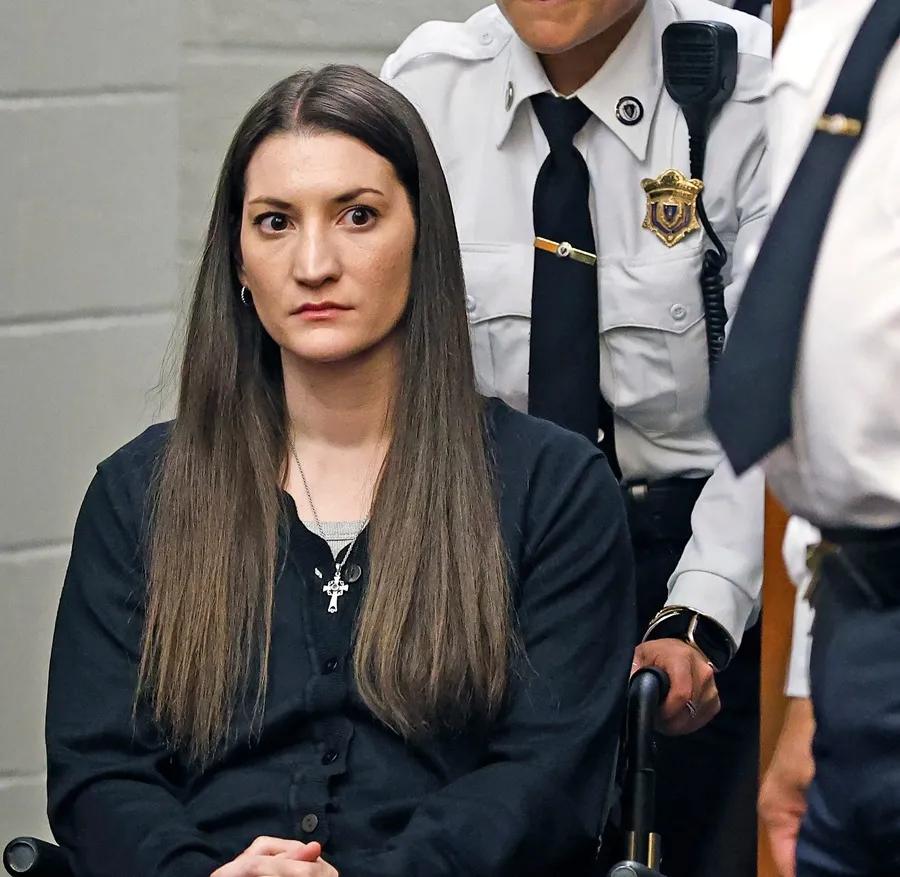
The murder trial of Massachusetts mother Lindsay Clancy has entered another intense phase as prosecutors present new digital and medical evidence surrounding the deaths of her three young children.
Clancy is accused of killing her children — 5-year-old Cora, 3-year-old Dawson and 8-month-old Callan — at the family’s Duxbury home in January 2023. She has admitted causing their deaths but pleaded not guilty to murder, with her defense arguing that she was suffering from severe postpartum psychosis and was not criminally responsible at the time.

The latest testimony has focused heavily on Clancy’s internet searches and digital activity before the tragedy.
Investigators told jurors that Clancy searched online for information including “can you treat a sociopath” just days before her children died. Other searches involved mental-health symptoms, medications and disturbing thoughts.
Prosecutors say the searches show that Clancy was capable of thinking clearly and planning her actions. The defense, however, has argued that the same searches could demonstrate that she was desperately trying to understand the frightening symptoms she was experiencing.
Investigators also presented notes Clancy had written before the killings. Some described depression, feelings of disconnection from her youngest child and concerns about her ability to care for her family.
Another important piece of evidence has been Clancy’s medication history.
Toxicology testing reportedly detected several medications in her system, including lamotrigine, mirtazapine, quetiapine and trazodone. Her attorneys have argued that her worsening mental condition was connected in part to the treatment she received and that doctors failed to recognize how seriously ill she had become.
Prosecutors have taken a different position, arguing that Clancy’s behavior and digital activity point toward deliberate actions rather than someone completely disconnected from reality.
Earlier testimony also examined the blood evidence discovered inside the family’s home. A Massachusetts State Police crime-lab expert testified that the blood patterns were more consistent with blood dripping or pooling than with the type of blood spray expected from an artery being cut.
The defense has maintained that Clancy attempted to take her own life after killing the children, suffering severe injuries and later experiencing a cardiac arrest. Prosecutors have questioned how serious her injuries were and whether she genuinely intended to die.
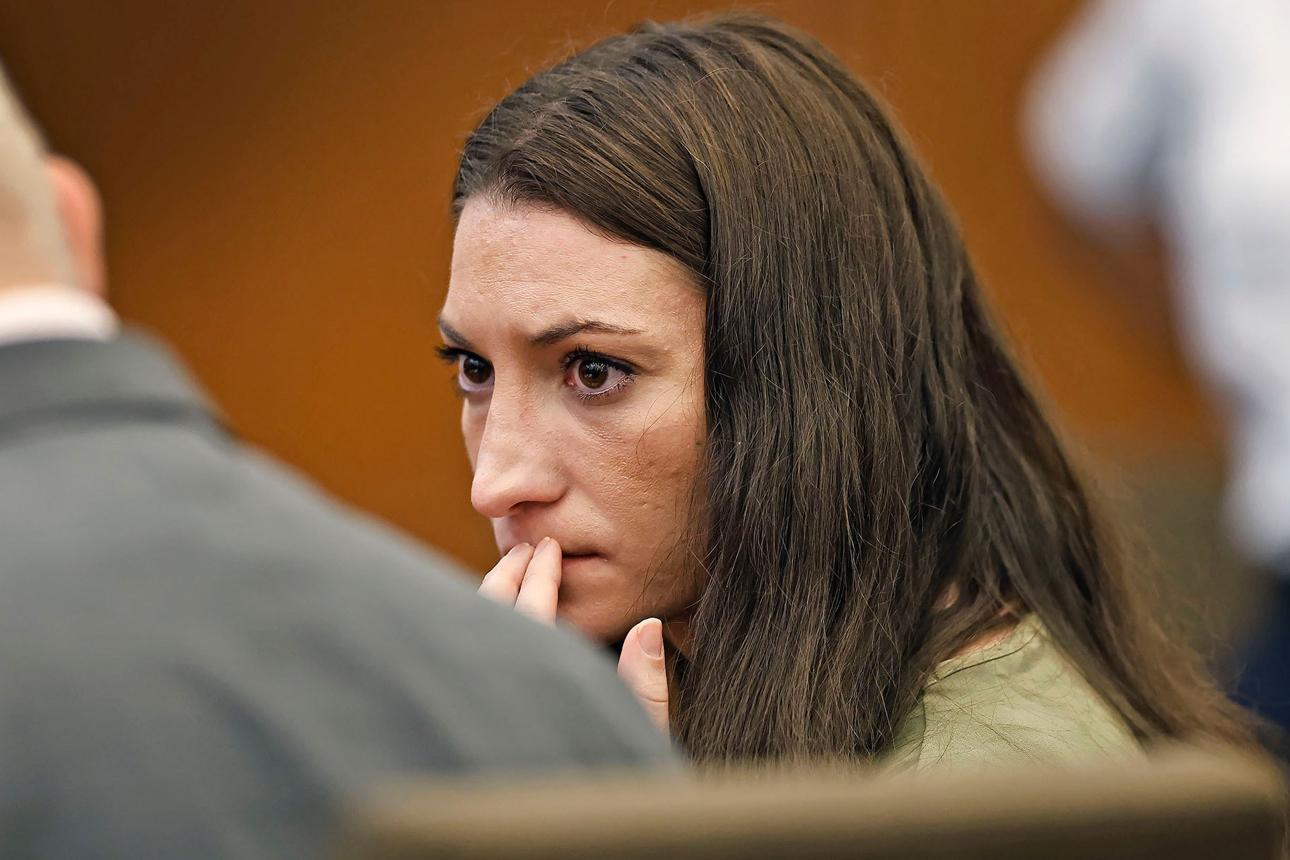
The case has become a battle over one central question: Was Lindsay Clancy consciously responsible for the deaths of her children, or was she so severely affected by postpartum psychosis that she could not understand the nature or consequences of what she was doing?
As the trial continues, jurors are expected to hear substantially more testimony about Clancy’s mental health, medications, digital history and the events inside the Duxbury home.
Cora, Dawson and Callan were just 5, 3 and 8 months old when their lives ended. Their deaths remain at the heart of a trial that is now forcing the jury to examine not only what happened, but what was happening inside their mother’s mind at the time.