Decades Apart, Still Connected: The Quiet Bond Between Robert De Niro and Meryl Streep That Time Never Broke
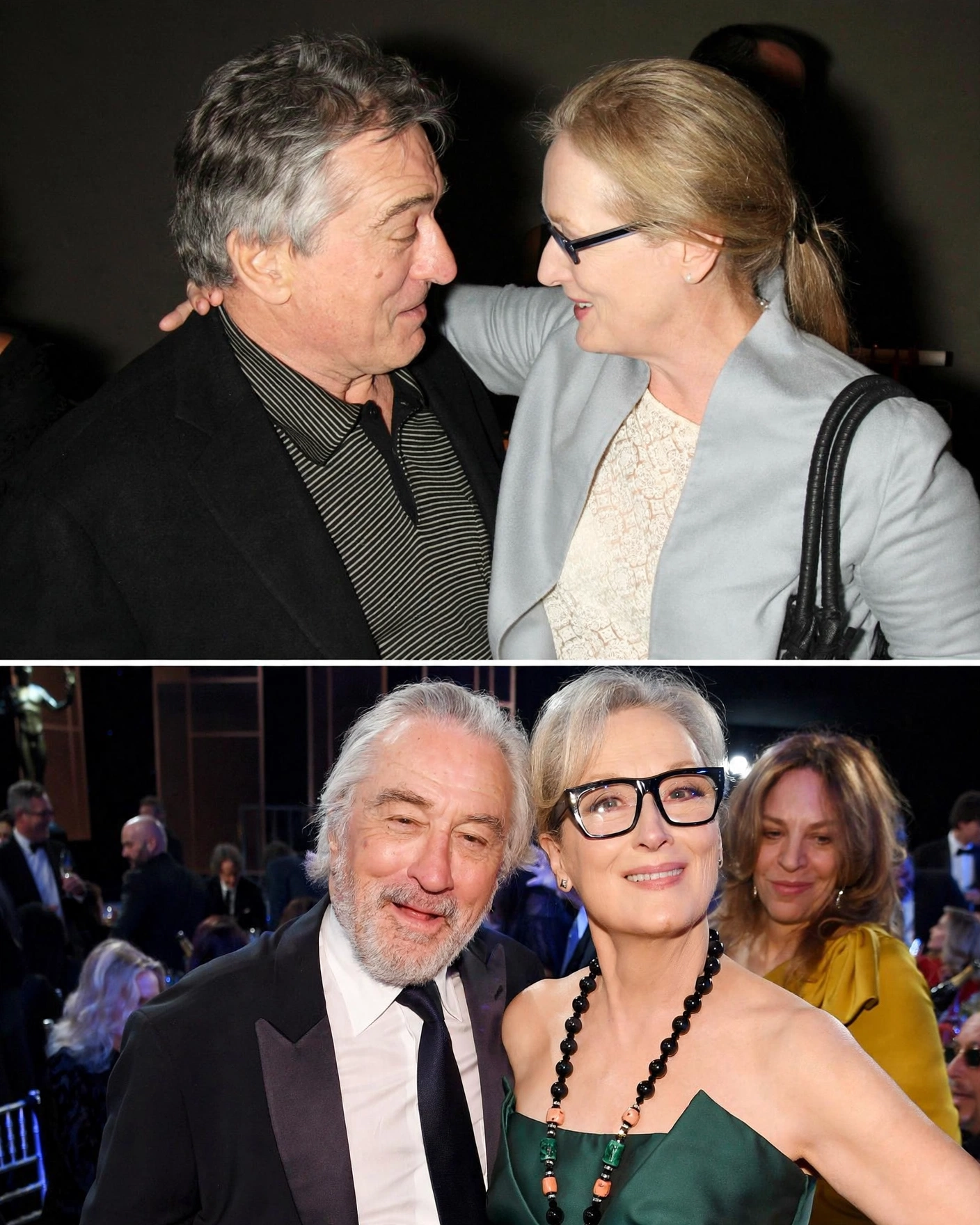
Some connections in Hollywood are built on shared success. Others are shaped by something deeper—moments of vulnerability that leave a lasting mark long after the cameras stop rolling.
For Robert De Niro and Meryl Streep, their bond was never defined by frequent collaborations or constant public appearances. Instead, it was forged during a brief but powerful chapter in their early careers—one rooted in loss, compassion, and quiet understanding.
The connection began in the late 1970s, at a time when both actors were still shaping their place in the film industry.
De Niro had already started gaining recognition for his intense performances, while Streep was emerging as one of the most promising talents of her generation. Their paths crossed during a moment that had little to do with Hollywood ambition and everything to do with real life.
At the center of that moment was John Cazale.
Cazale, a respected actor known for his work in films like The Godfather and Dog Day Afternoon, was not only a colleague but also someone deeply important to both of them. He had worked closely with De Niro and was in a relationship with Streep.
When Cazale was diagnosed with terminal cancer, everything changed.
For Streep, it became a period defined by devotion. She remained by his side, supporting him through his illness with a level of commitment that reflected not just love, but strength.
For De Niro, it was a moment that revealed something equally powerful.
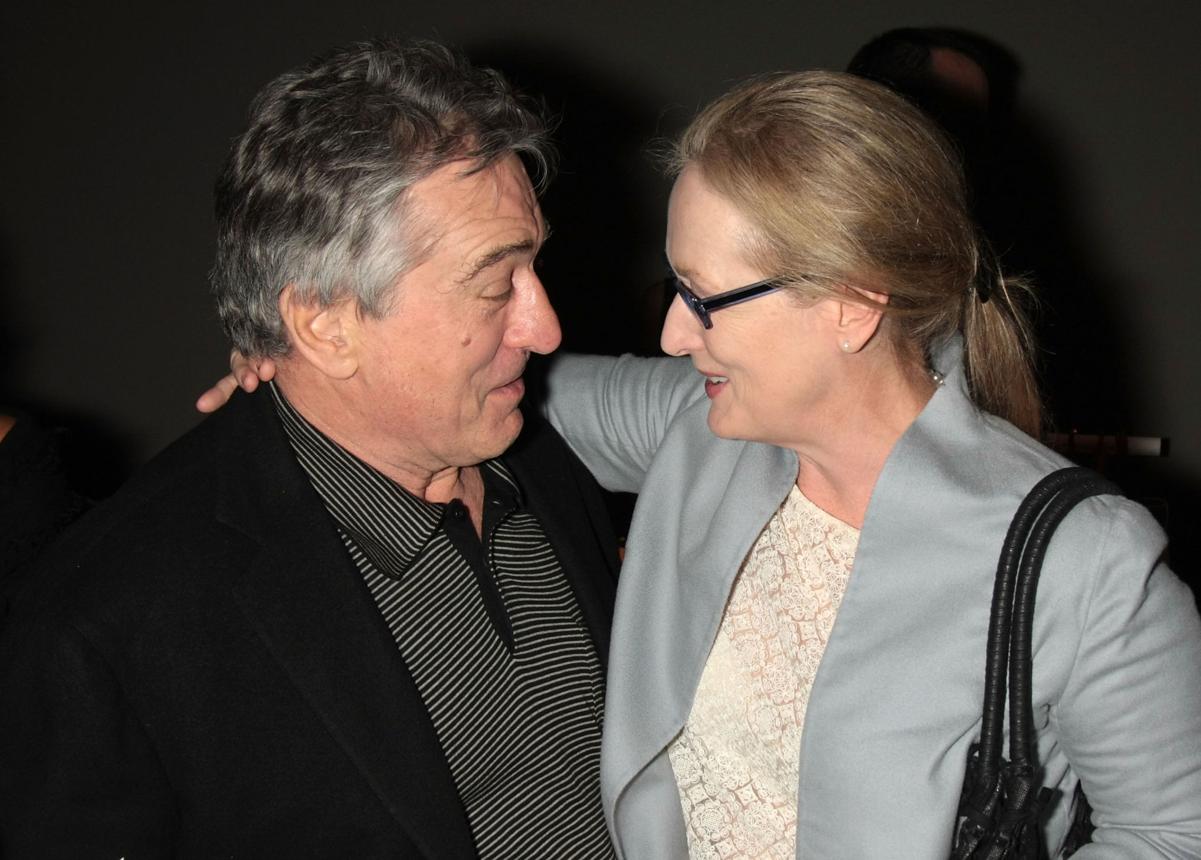
He saw Streep’s loyalty up close—how she stood firm in the face of uncertainty, how she chose to stay when walking away would have been easier. That impression stayed with him.
It was not something spoken about often.
But it mattered.
As Cazale’s condition worsened, the situation became more difficult for everyone involved. His health declined, and the emotional weight of the moment grew heavier with each passing day.
When he passed away in 1978, the loss was deeply felt.
For Streep, it marked the end of a relationship that had shaped her life in profound ways. For De Niro, it reinforced the respect he had developed for her—not just as an actress, but as a person.
What followed was not a dramatic Hollywood partnership or a series of shared projects.
Instead, it was something quieter.
Their careers moved forward on separate paths. Both went on to achieve extraordinary success, becoming two of the most celebrated actors in film history. Awards, iconic roles, and decades of influence followed.
Yet the connection between them remained.
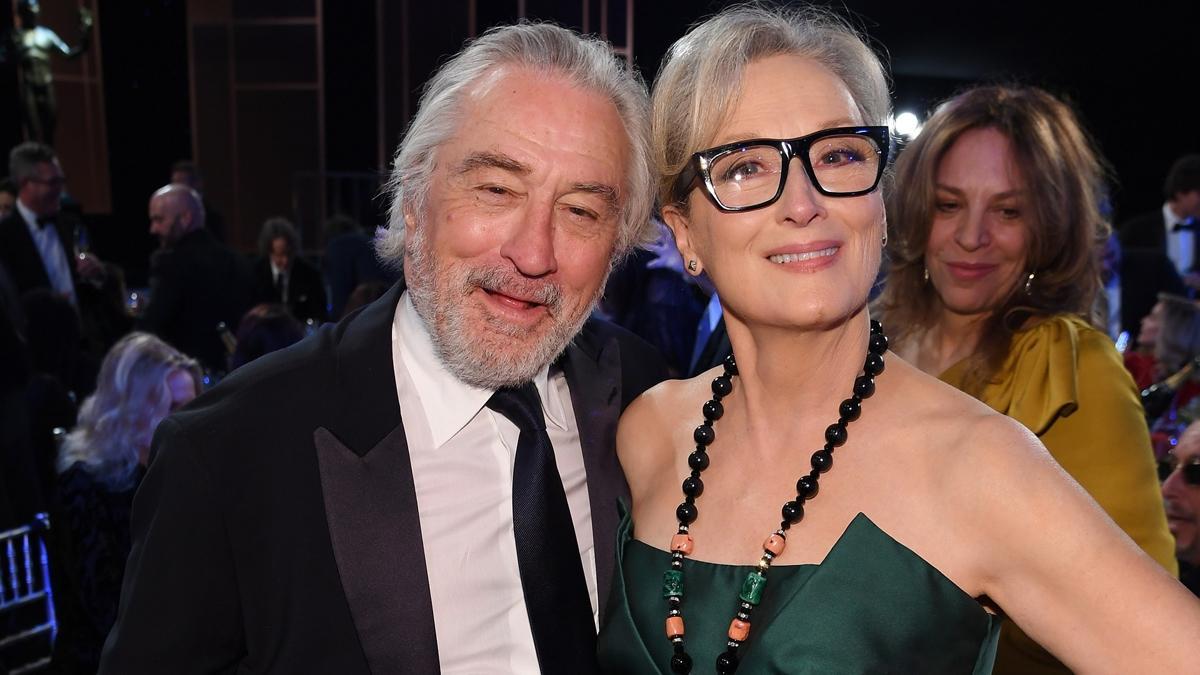
It did not rely on constant contact or public acknowledgment. It existed beneath the surface, shaped by a shared experience that neither of them would forget.
When they eventually worked together again, years later, that history was still there.
There was an understanding that did not need explanation—a recognition of what they had both lived through and what it had meant at the time.
In an industry often defined by fleeting relationships, this kind of bond stands out.
Hollywood is known for its fast pace, where projects begin and end quickly, and connections can fade just as fast. But moments rooted in genuine emotion tend to last longer.
That is what makes this story different.
It is not about a famous collaboration or a headline-making partnership. It is about a connection formed during a time when careers took a back seat to something more human.
It is about how people reveal themselves in difficult moments—and how those moments shape the way others see them.
For De Niro, Streep’s actions during that time left a lasting impression. He recognized a strength that went beyond performance, something that could not be taught or rehearsed.
For Streep, the experience was part of a journey that would influence her both personally and professionally.
Loss has a way of changing people.
It shifts priorities, deepens perspective, and often brings clarity to what truly matters. For both actors, that period became part of their foundation—not just as artists, but as individuals.
Over the decades, their names would be mentioned together as two of the greatest performers of their time.
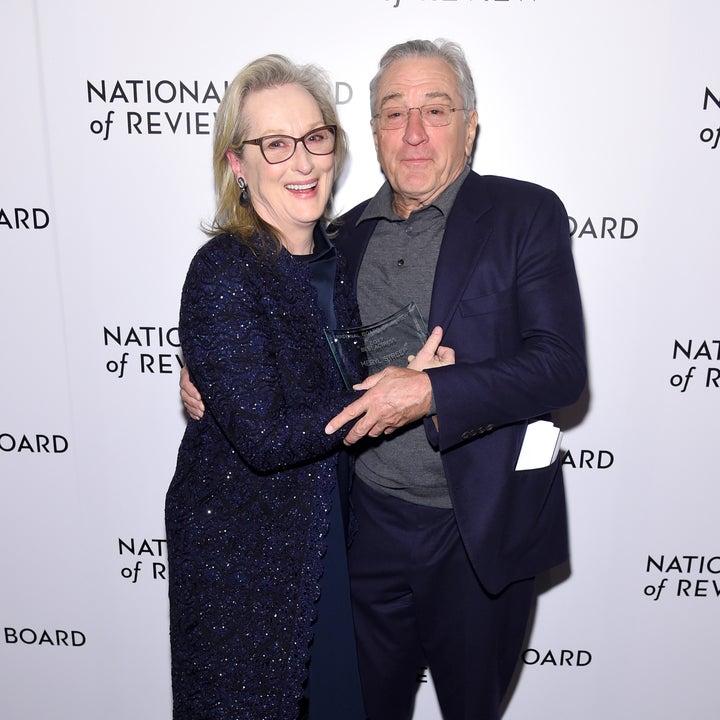
But behind that recognition lies a quieter story.
A story of empathy.
Of respect.
Of a connection that did not need constant attention to remain meaningful.
In the end, the bond between Robert De Niro and Meryl Streep is not defined by how often they worked together, but by the moment that first brought them into each other’s lives.
It is a reminder that sometimes, the most enduring connections are not built in the spotlight.
They are formed in the shadows—during the moments when everything else falls away, and what remains is simply who you are.