Hours Before Jason Arday Died at 41, a Friend Heard How Overwhelmed He Had Become
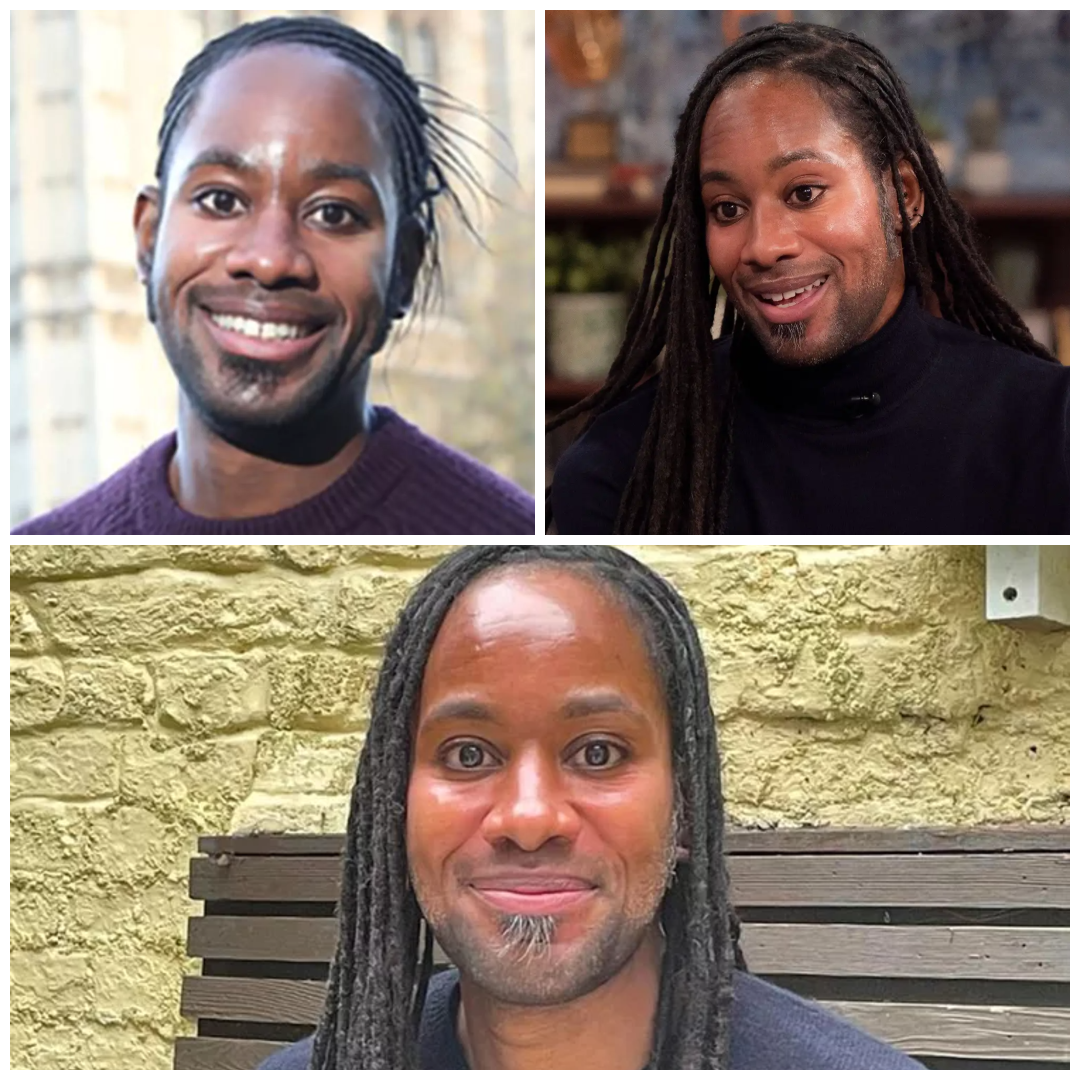
Only hours before Jason Arday was found dead, one of his friends heard directly from him.
Simon Baron-Cohen, a colleague at the University of Cambridge, said Arday had become afraid to leave his home as intense public attention surrounded questions about his academic record. The professor was struggling to cope with what Baron-Cohen described as relentless scrutiny.
Then came a final voice message.
According to Baron-Cohen, Arday said he “couldn’t go on.”
Arday was found dead on Friday, Aug. 14. He was 41. His death came just days after he resigned from the University of Cambridge, where he had made history as the institution’s youngest Black professor.
Police said his death was unexpected but was not believed to be suspicious. Officers were investigating the circumstances, with a file expected to be prepared for the coroner.
A Friend Saw How Much the Pressure Was Affecting Him
Baron-Cohen, director of Cambridge’s Autism Research Center, spoke publicly the following day about his final contact with Arday.
He said the academic had told him he was frightened to go outside because of the media attention surrounding him. Arday felt he was being presented publicly as a fraud, Baron-Cohen recalled.
The situation had taken a visible toll.
“He really wasn’t coping,” Baron-Cohen said.
His description of Arday stood in sharp contrast with the public controversy that had engulfed the professor during his final weeks. Baron-Cohen remembered a man he considered kind, gentle, caring and generous.
At the same time, he said questions about Arday needed to be investigated rather than ignored. His concern was about the way events had unfolded around his friend while those questions remained unresolved.
Baron-Cohen called for the investigations to continue so that the circumstances surrounding the situation could be better understood. He also said there needed to be accountability at multiple levels.
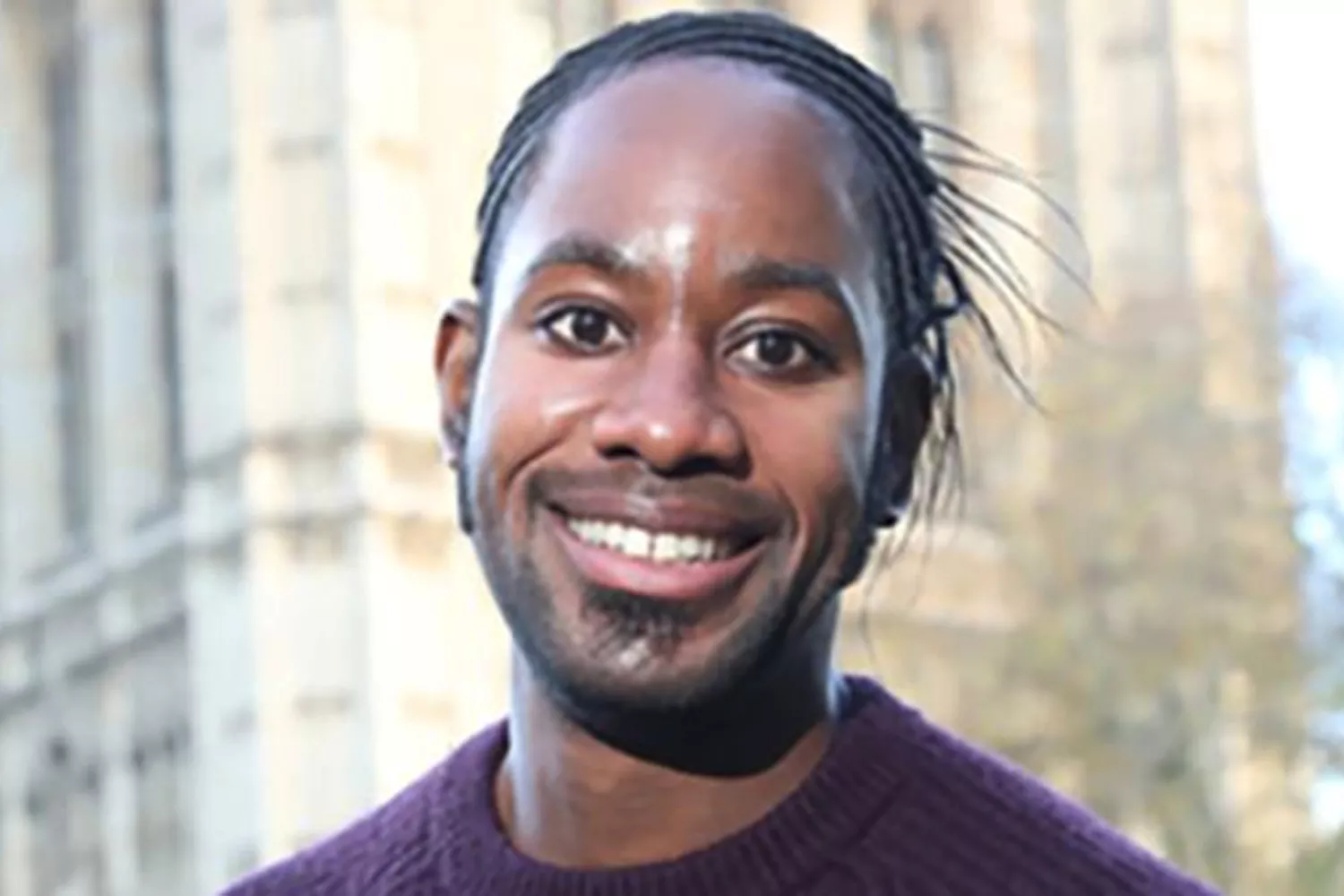
His Resignation Had Come Nine Days Earlier
The pressure surrounding Arday had intensified earlier in August.
The University of Cambridge announced that it was investigating after receiving new information concerning his academic qualifications and honorary appointments. Soon afterward, Arday said he was leaving his position with immediate effect.
His resignation was announced on Aug. 5.
In a statement, Arday described becoming a Cambridge professor as the greatest professional privilege of his life. But he also said the period after his appointment had brought years of intense public scrutiny and personal attacks.
Arday had denied allegations of plagiarism.
Concerns involving his academic work had reportedly circulated privately since 2023 before receiving much wider attention in July. Material from his 2015 doctoral dissertation was publicly highlighted after plagiarism-detection software flagged excerpts from the work.
For Arday, the dispute had moved beyond what he viewed as ordinary academic criticism.
In his resignation statement, he said what he had experienced went far beyond scholarly disagreement.
Nine days later, he was dead.
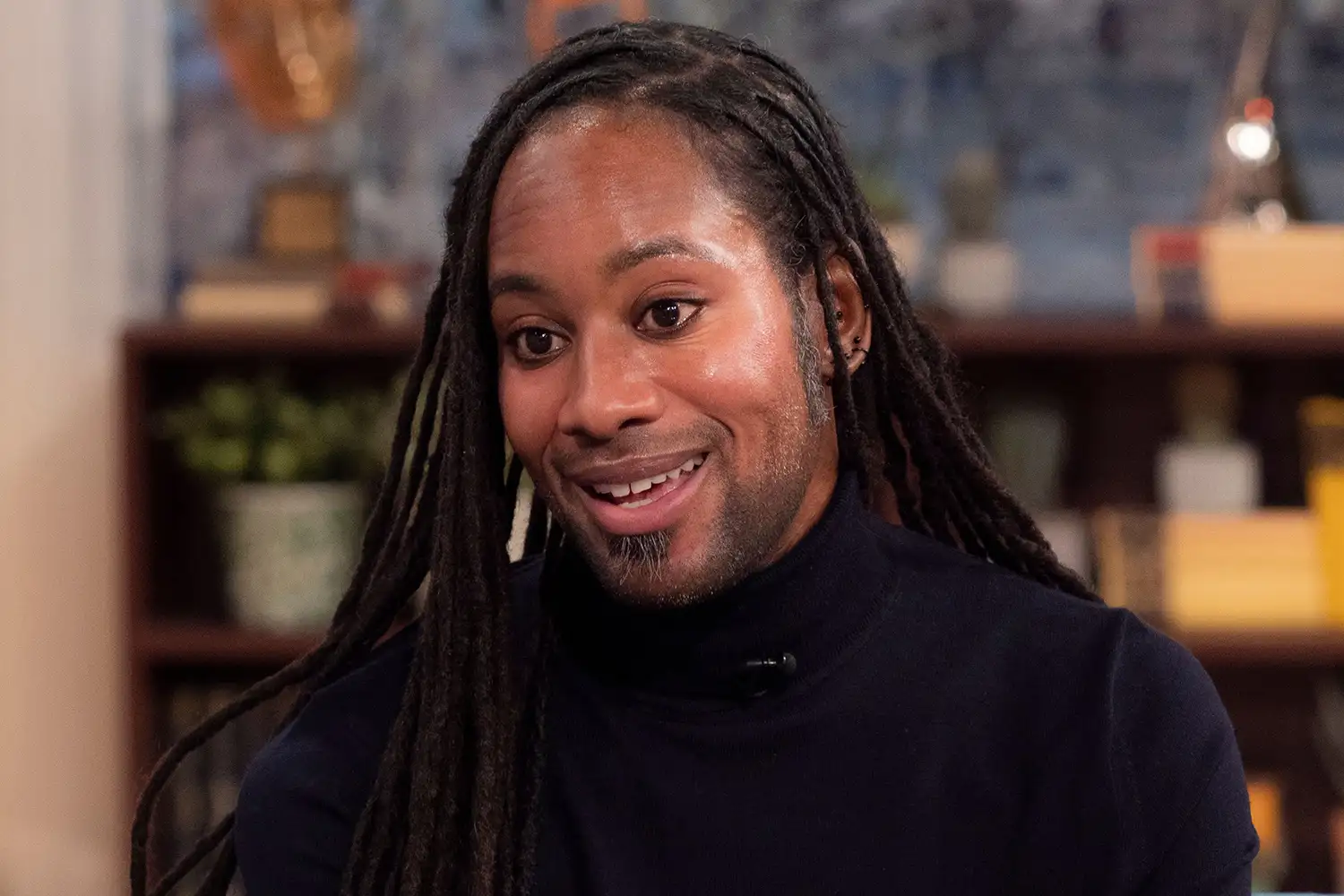
Another Colleague Said Arday Had Stopped Going Out
Baron-Cohen was not the only academic who described Arday as being in a deeply distressed state shortly before his death.
Kehinde Andrews, a professor of Black Studies, said Arday appeared extremely low after stepping down from Cambridge.
According to Andrews, Arday was upset, felt trapped by the situation and had effectively stopped leaving his home. Andrews also argued that Arday’s experience should prompt wider discussion about the pressures faced by Black academics.
Those recollections emerged as friends and colleagues began processing the sudden death of a professor whose career had once been celebrated for breaking a major institutional barrier.
Arday had become the youngest Black person appointed to a professorship at Cambridge, a distinction that made his rise particularly visible. He was also an author, including of Great and Unfortunate Things.
That visibility became very different in the weeks before his death.
Instead of attention centered on his career milestone, Arday found himself facing public questions about his credentials and scholarship, followed by an institutional investigation and his departure from the university.
Baron-Cohen’s account adds a private detail to that public timeline: behind the statements and headlines was a man telling a friend that he was afraid to leave his own home.
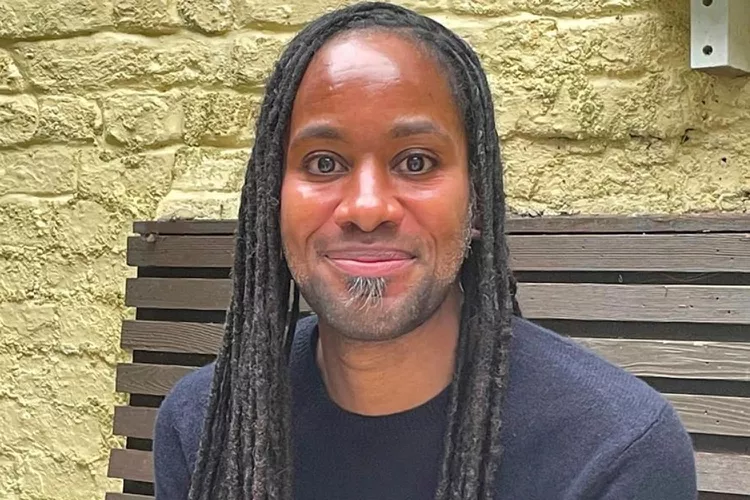
Cambridge Responded After His Death
Following news of Arday’s death, Cambridge Vice-Chancellor Deborah Prentice said the university was deeply saddened.
She offered sympathies to Arday’s family and friends as they dealt with his death.
For those who knew him personally, however, the final hours were measured less by university statements than by private exchanges.
Baron-Cohen had spoken with Arday while the professor was still trying to deal with the scrutiny around him. He knew his friend was struggling. Then he received the voice note that would become their final exchange.
Arday was found dead only hours later.
The investigations surrounding his academic record had not yet reached their conclusion. Police said his death was not believed to be suspicious, and the circumstances were being prepared for review by the coroner.
For Baron-Cohen, what remains is the memory of the man he knew away from the controversy: kind, caring and generous, and in his final hours, overwhelmed by what was happening around him.