ZZ Top Drummer Frank Beard Dies at 77 After 56 Years Behind One of Rock’s Most Enduring Lineups
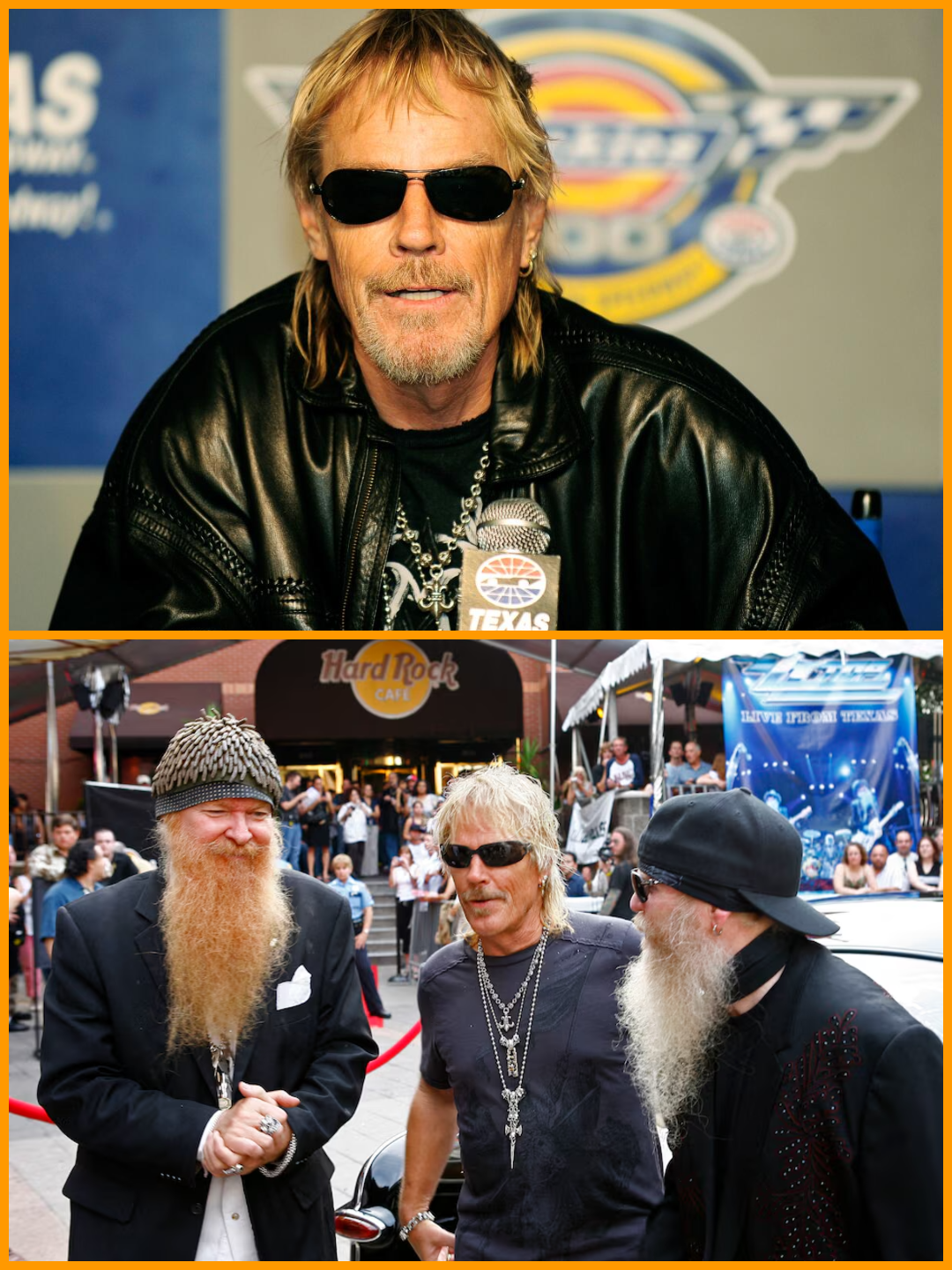
For more than half a century, Frank Beard sat behind the drum kit while ZZ Top became one of the most instantly recognizable bands in American rock.
On Tuesday, Aug. 18, that remarkable run came to an end.
Beard, the longtime drummer whose steady backbeat helped power songs including “Sharp Dressed Man” and “Legs,” died at age 77 while receiving hospice care at his ranch in Richmond, Texas. His family was with him, according to a statement from the band.
A cause of death was not disclosed.
For ZZ Top, Beard’s death represents more than the loss of a drummer. He had been part of the group for 56 years, belonging to a trio whose stability became almost as legendary as its music.
Billy Gibbons, Dusty Hill and Beard first played together in 1970. That lineup remained intact for more than five decades, surviving changes in popular music, fashion and the record industry while continuing to perform together until Hill’s death in 2021.
Now Gibbons has lost another musical partner whose presence had defined nearly the entire history of the band.
Billy Gibbons Says Goodbye to a Friend
In announcing Beard’s death, Gibbons remembered him not simply as a bandmate but as a close friend and creative partner.
He described Beard as a naturally inventive drummer and a deeply Texan figure whose playing formed a crucial part of the group’s unmistakable sound.
Gibbons also made clear that Beard’s death would not mean the immediate end of ZZ Top.
According to the guitarist, Beard had wanted the band to continue.
The group canceled its scheduled Tuesday performance in Salt Lake City and a Wednesday show in Colorado Springs following his death. But ZZ Top planned to return to the stage in Austin, Texas, during the weekend.
That decision carries particular weight for a band that has already endured one devastating loss.
When Hill died in 2021, longtime guitar technician Elwood Francis stepped into the bassist’s role. Gibbons and Francis continued performing under the ZZ Top name, preserving the music created by the trio that had spent so many decades together.
A Lineup That Barely Changed for Five Decades
Long-running rock bands are often marked by departures, reunions and shifting personnel.
ZZ Top was different.
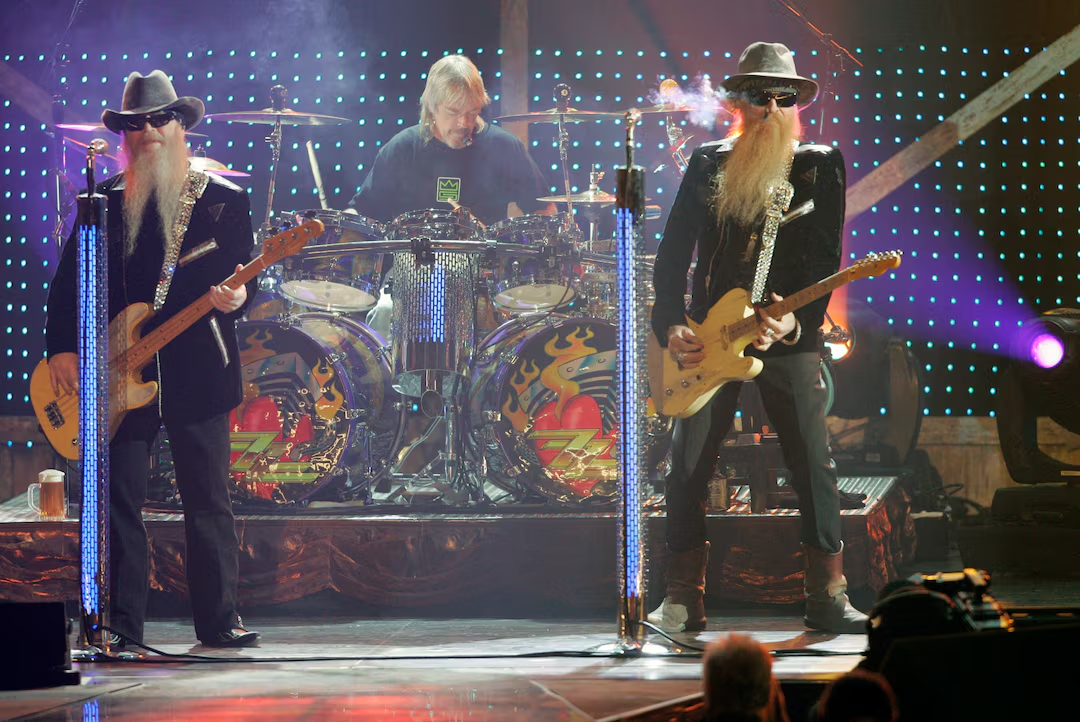
For more than 50 years, the core lineup remained Gibbons on guitar and vocals, Hill on bass and vocals, and Beard on drums.
The three musicians began playing together in 1970 and developed a stripped-down sound rooted in blues and rock, eventually building a catalog that carried them far beyond their Texas beginnings.
Beard’s job was less visually flamboyant than those of his famously bearded bandmates, but musically he was central to the formula.
Gibbons specifically pointed to Beard’s “signature backbeat” when paying tribute to him, underscoring how much of ZZ Top’s sound depended on the drummer’s ability to create a groove beneath the guitars.
That rhythm became part of the foundation supporting some of the band’s best-known recordings.
By the time ZZ Top reached a new generation of fans during the 1980s, Beard had already spent years developing that musical identity alongside Gibbons and Hill.
MTV Turned ZZ Top Into Visual Icons
The rise of MTV gave ZZ Top a second kind of fame.
During the height of the music-video era in the 1980s, the band became a frequent presence on television screens. Songs including “Sharp Dressed Man” and “Legs” became closely associated with the group’s carefully crafted visual identity.
Gibbons and Hill were impossible to miss because of their enormous flowing beards.
Beard, despite having the most fitting surname in the group, was generally the clean-shaven member.
The contrast became one of rock music’s enduring visual jokes.
But behind that image was a band with unusual continuity.
ZZ Top managed to turn its eccentric appearance into a recognizable brand without abandoning the basic three-man structure that had existed since the beginning of the 1970s.
Beard remained at the drums through all of it — from the band’s earlier blues-rock years through its MTV success and into decades of continued touring.
Rock and Roll Hall of Fame Recognition
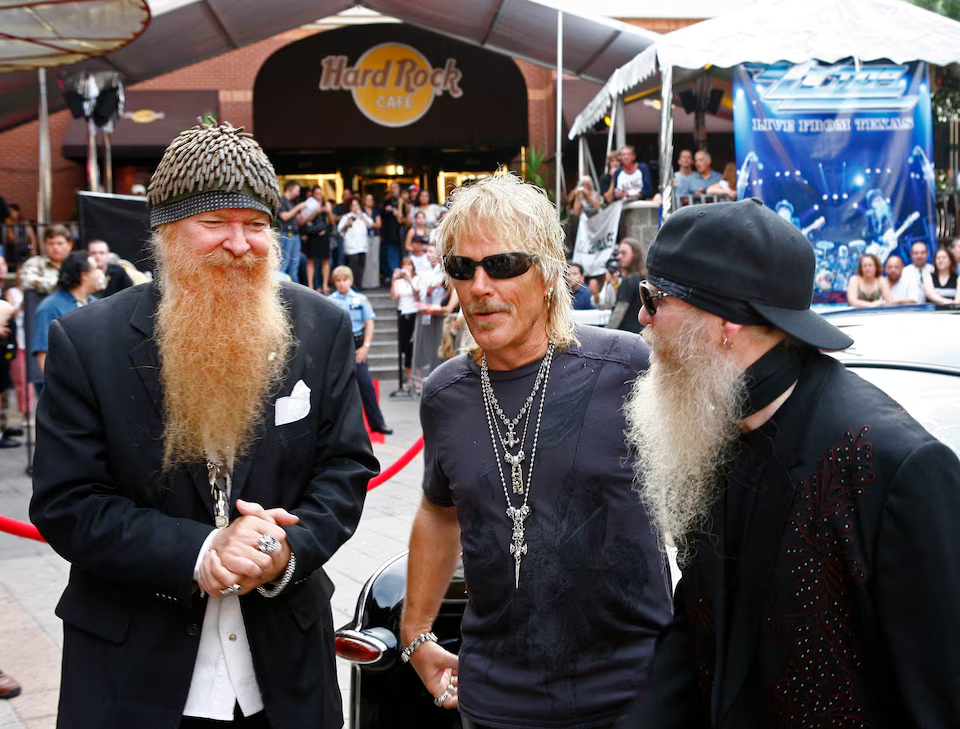
By 2004, ZZ Top’s longevity and influence had earned the group one of rock music’s highest honors.
The band was inducted into the Rock and Roll Hall of Fame.
Beard’s reaction was characteristically understated.
At the ceremony, he reflected that much of his life had been a pleasant surprise and said the induction felt like another one.
It was a brief remark that captured something distinctive about his public persona.
Even though Beard had spent decades performing in one of America’s best-known rock bands, he was rarely the member seeking the most attention.
The long beard, guitar poses and distinctive voice of Gibbons often occupied the foreground. Hill provided another instantly recognizable visual presence.
Beard remained behind them, keeping time.
The Second Major Loss for ZZ Top in Five Years
Beard’s death comes five years after ZZ Top experienced the loss of Hill.
Hill’s death in 2021 ended the trio’s extraordinary uninterrupted run together.
Francis subsequently joined Gibbons and Beard, allowing the band to continue touring and performing rather than bringing ZZ Top’s story to a close.
Beard remained connected to the group for another five years.
His death now leaves Gibbons as the surviving member of the classic trio that first came together in 1970.
Yet the statement released after Beard’s death emphasized continuity rather than an ending.
Gibbons said the band planned to carry on because that was what Beard wanted.
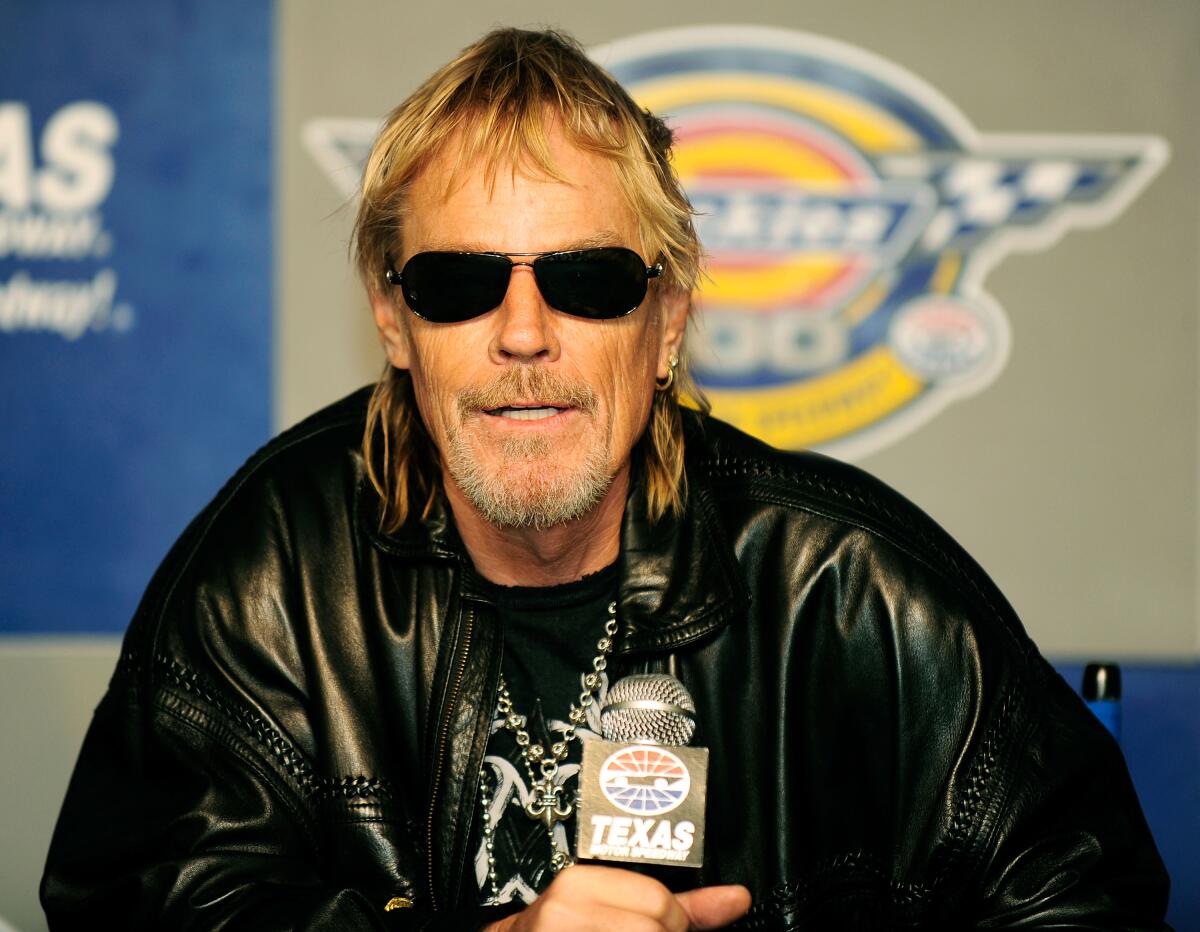
Six Decades Behind the Beat
There is a particular significance to losing a drummer from a band built on consistency.
For 56 years, Beard was part of the pulse underneath ZZ Top.
Audiences changed. Music videos arrived. Trends disappeared. The band entered the Rock and Roll Hall of Fame. One generation of listeners gave way to another.
Beard kept playing.
His death at his Texas ranch, surrounded by family, closes an unusually long chapter in rock history — one built not around constant reinvention of personnel, but around three musicians who simply stayed together.
Gibbons and Hill became the faces most associated with ZZ Top’s famous look.
But behind them was Beard, delivering the rhythm that helped make the sound recognizable from the opening bars.
Now, after losing two members of its classic lineup within five years, ZZ Top is preparing to step onto another stage.
The music will continue, just as Beard wanted.
But for the first time in nearly six decades, the drummer who helped keep ZZ Top moving forward will no longer be sitting behind the kit.