The Photograph That Captured the First Steps of Freedom: Children Emerging From the Shadow of the Holocaust in 1945
- NgoPhong
- July 29, 2026
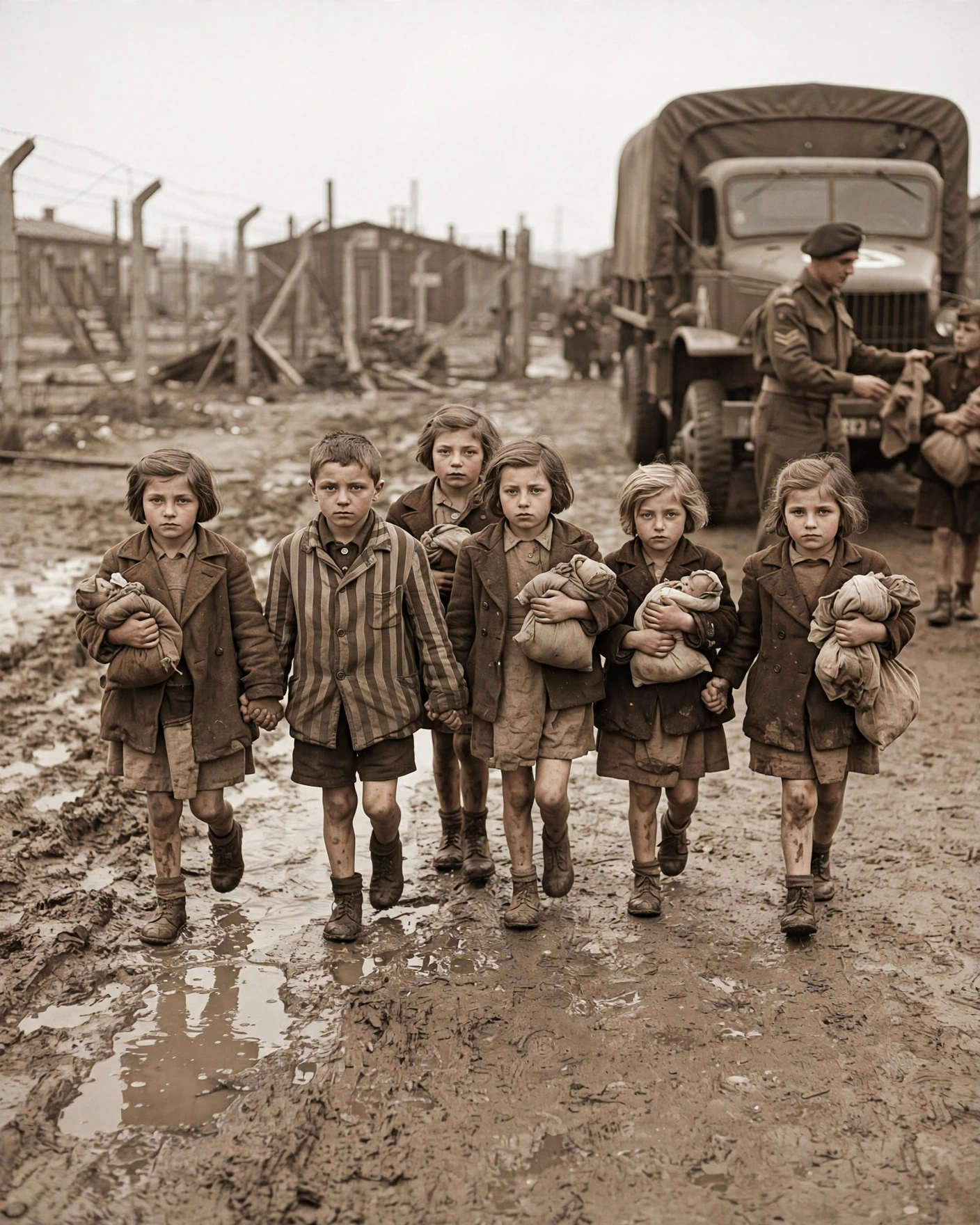
They are walking forward, but their faces do not yet know how to feel.
In the photograph, a small group of children moves together across open ground, leaving behind something invisible but heavy—a past filled with hunger, fear, and loss. Their bodies are thin, their expressions uncertain. Some look ahead. Others glance sideways, as if unsure whether what lies in front of them is real.
The image was taken in 1945, in the final days of World War II, just after liberation. It has since become one of the quiet but powerful visual records of a moment when survival and freedom met for the first time.
But behind that single frame lies a deeper story—one not just of rescue, but of endurance, identity, and the fragile beginning of a new life.
These children were among the youngest survivors of the Holocaust.
By the time Allied forces reached the camps, many had already lost everything: parents, siblings, homes, and any sense of safety. For them, childhood had been replaced by a daily struggle to stay alive.
Food was scarce. Illness spread quickly. Fear was constant.
Some had spent years moving between ghettos and camps. Others had been separated from their families so early that they barely remembered what life had been like before the war.
When liberation finally came in 1945, it did not arrive with instant relief.
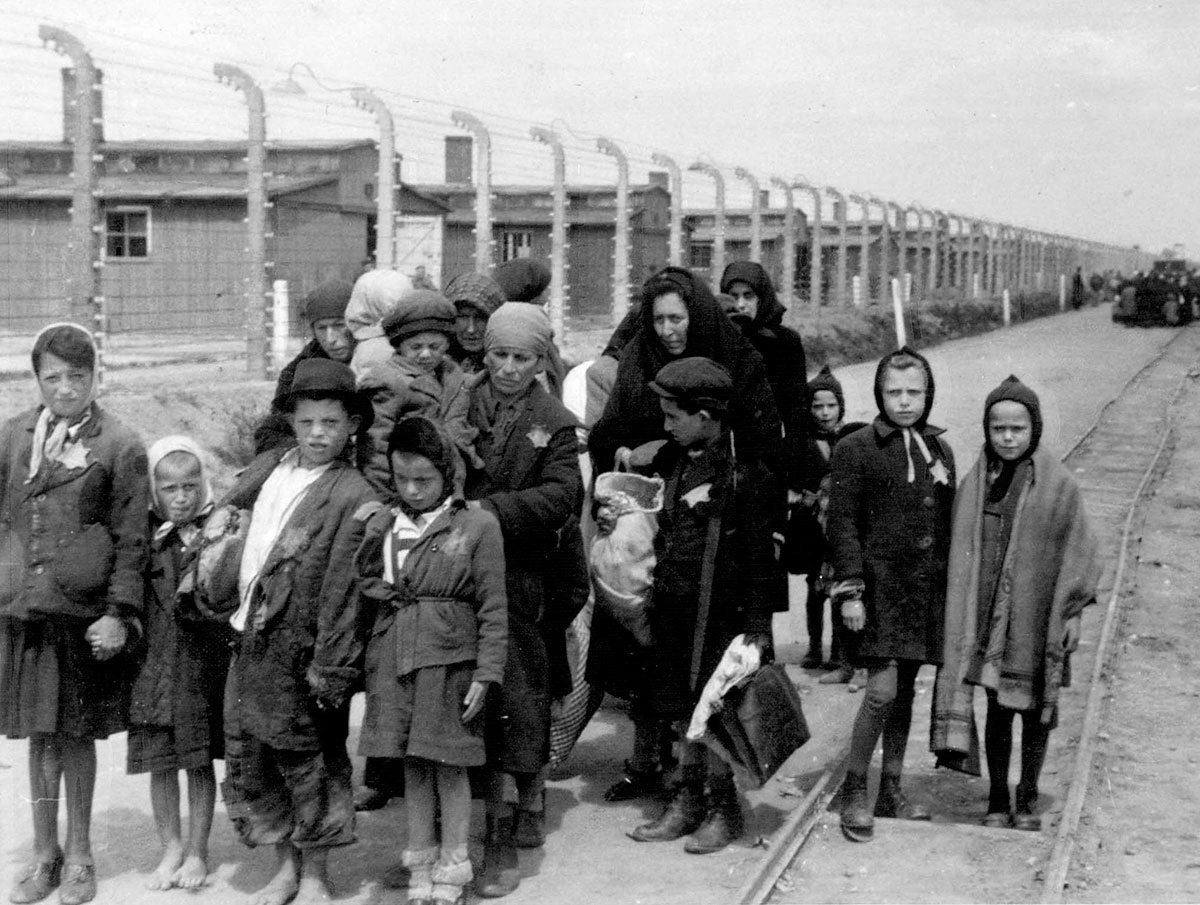
Instead, it brought confusion.
The guards were gone. The violence had stopped. But for the children, the world outside the camps felt unfamiliar. Freedom was something they had not experienced for so long that it seemed almost unreal.
The photograph captures that exact moment.
It does not show celebration. There are no smiles, no raised arms, no visible joy. Instead, it reveals something quieter and more complex—a group of children stepping forward without fully understanding what comes next.
They are no longer prisoners.
But they are not yet at home.
After liberation, many of these children were taken to temporary shelters, hospitals, and recovery centers. Their bodies needed urgent care. Malnutrition, disease, and exhaustion had taken a severe toll.
Yet physical recovery was only one part of the process.
The emotional wounds ran deeper.
For many, there was no family to return to. Entire communities had been destroyed. Homes no longer existed, and the people who once filled them were gone.
In the absence of relatives, aid workers and organizations stepped in to help rebuild what had been lost.
Some children were placed in orphanages. Others were sent to different countries, where families or institutions would take them in. In some cases, they were reunited with distant relatives—if any could be found.
Each child’s path forward was different.
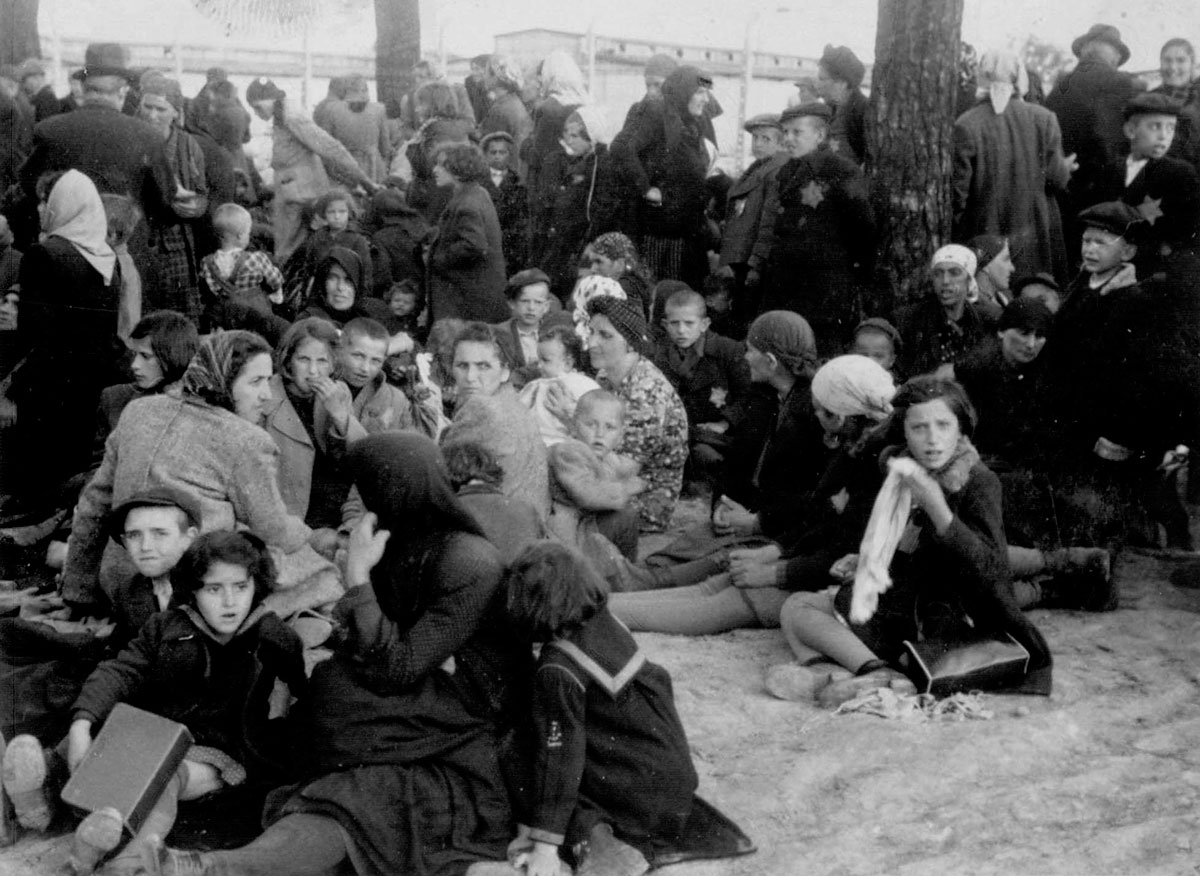
But they all shared one defining experience: they had survived something that had taken millions of lives.
The photograph, simple as it appears, represents more than just a group of children walking.
It represents the moment between endings and beginnings.
Behind them lay a system designed to destroy lives. Ahead of them was a future that had yet to be written. They carried no certainty, only the possibility of something better.
For historians, images like this are invaluable.
They offer a human perspective on events often described through numbers and timelines. Six million lives lost is a number almost too large to comprehend. But a single photograph of children—thin, silent, and moving forward—brings that history into focus in a way statistics cannot.
Each face tells a story.
Each step represents survival.
Over time, some of these children would go on to rebuild their lives. They would grow up, start families, and create new identities shaped not only by trauma but also by resilience.
Others would spend years searching for answers about their past.
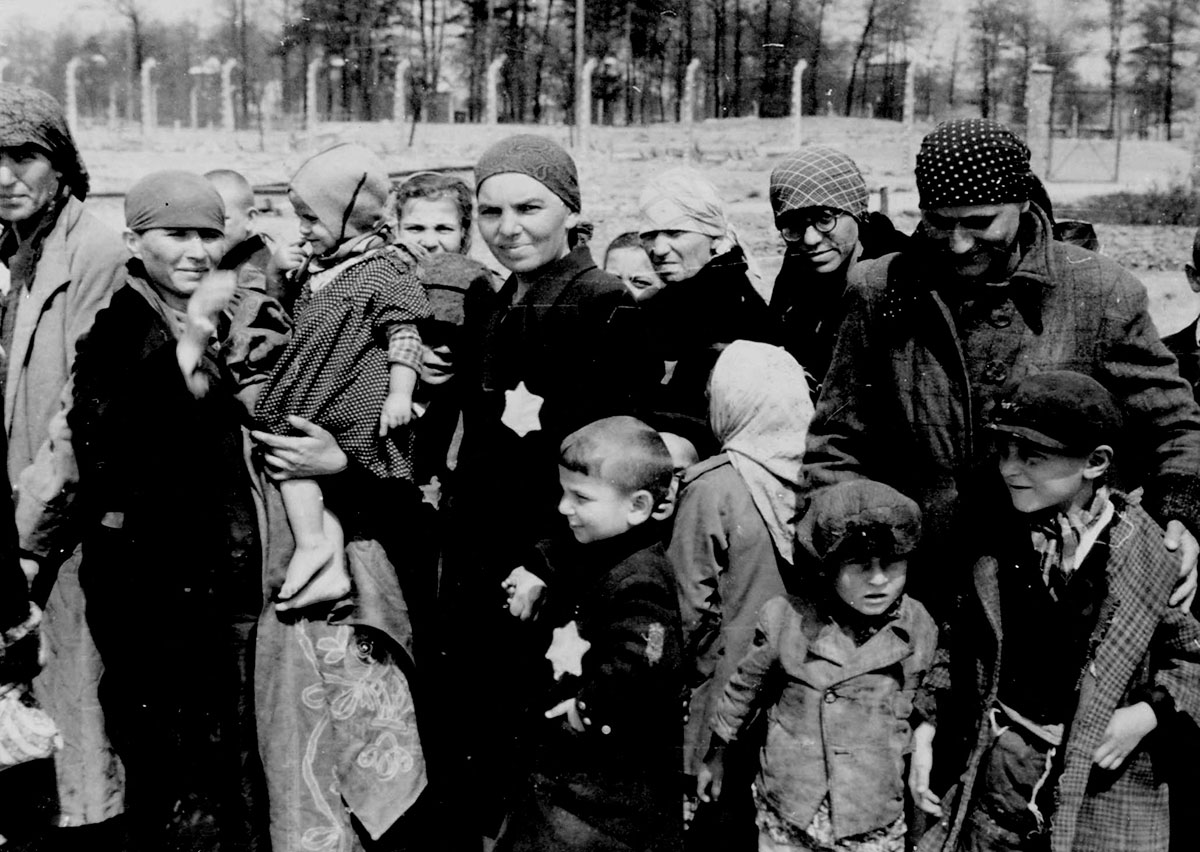
Who were their parents?
Where had they come from?
What had been taken from them?
Those questions would follow them long after the war ended.
The photograph does not answer those questions.
But it preserves the moment when those questions first began to matter again.
It shows the transition from survival to memory—from simply staying alive to trying to understand what had happened.
Today, the image stands as a reminder of both loss and endurance.
It reminds us that the Holocaust was not only a historical event but also a deeply personal experience lived by individuals—many of them children—who were forced to grow up far too quickly.
It also reminds us of something equally important: that even in the darkest moments, survival is possible.
The children in the photograph did not know what their future would hold.
They did not know where they would go, who they would become, or whether they would ever find a sense of home again.
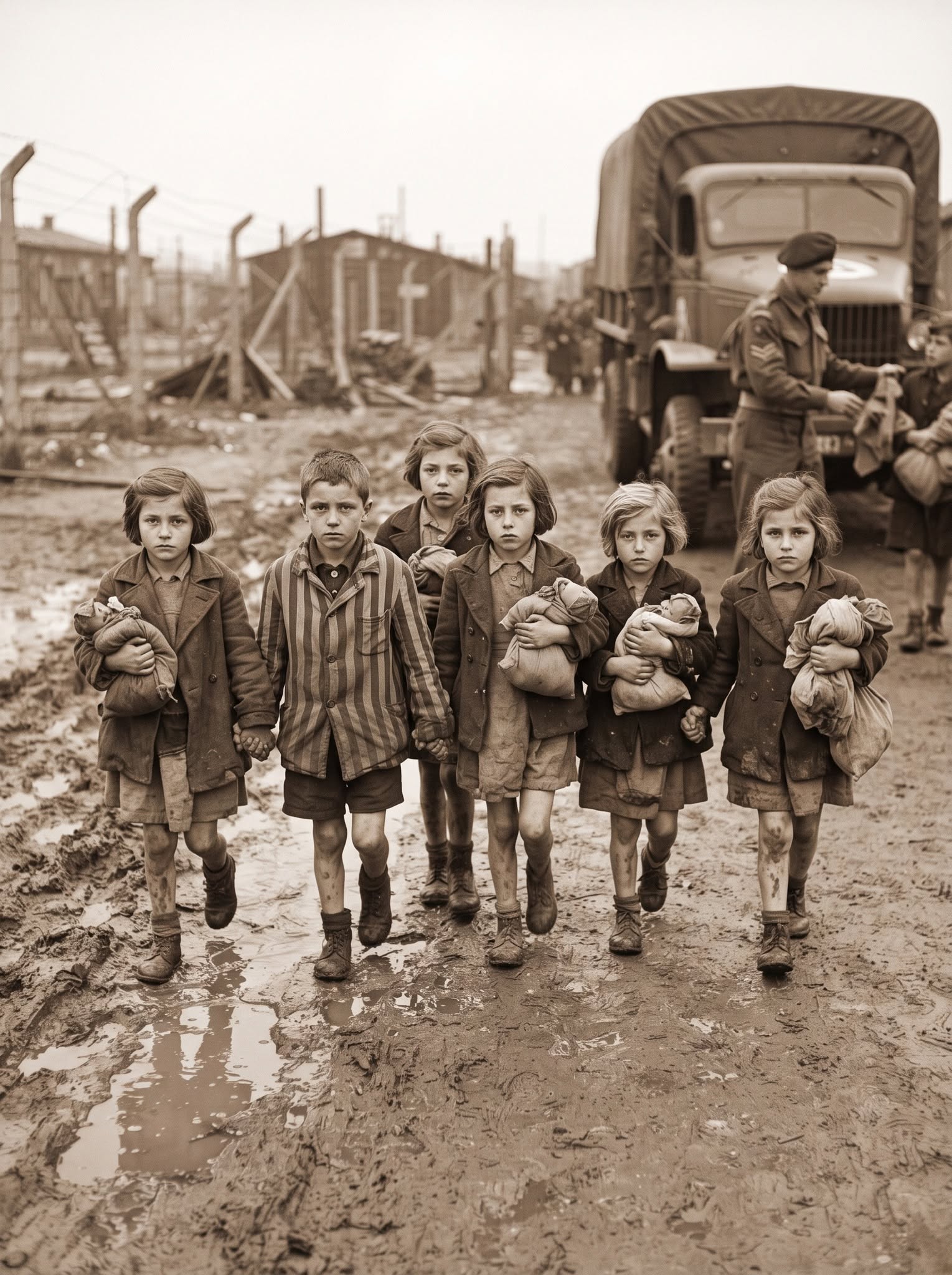
All they knew was that they had taken a step forward.
And sometimes, that first step is the most powerful one of all.
As the years pass, the photograph continues to speak—not through words, but through the quiet presence of those who endured.
It captures a moment when the world had begun to change, but the people within it were still finding their way.
A moment when freedom had arrived—but healing had only just begun.