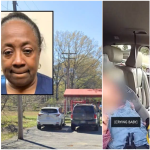
Waitress Sparks Tipping Debate by Saying Automatic Gratuity Isn’t Always a Tip
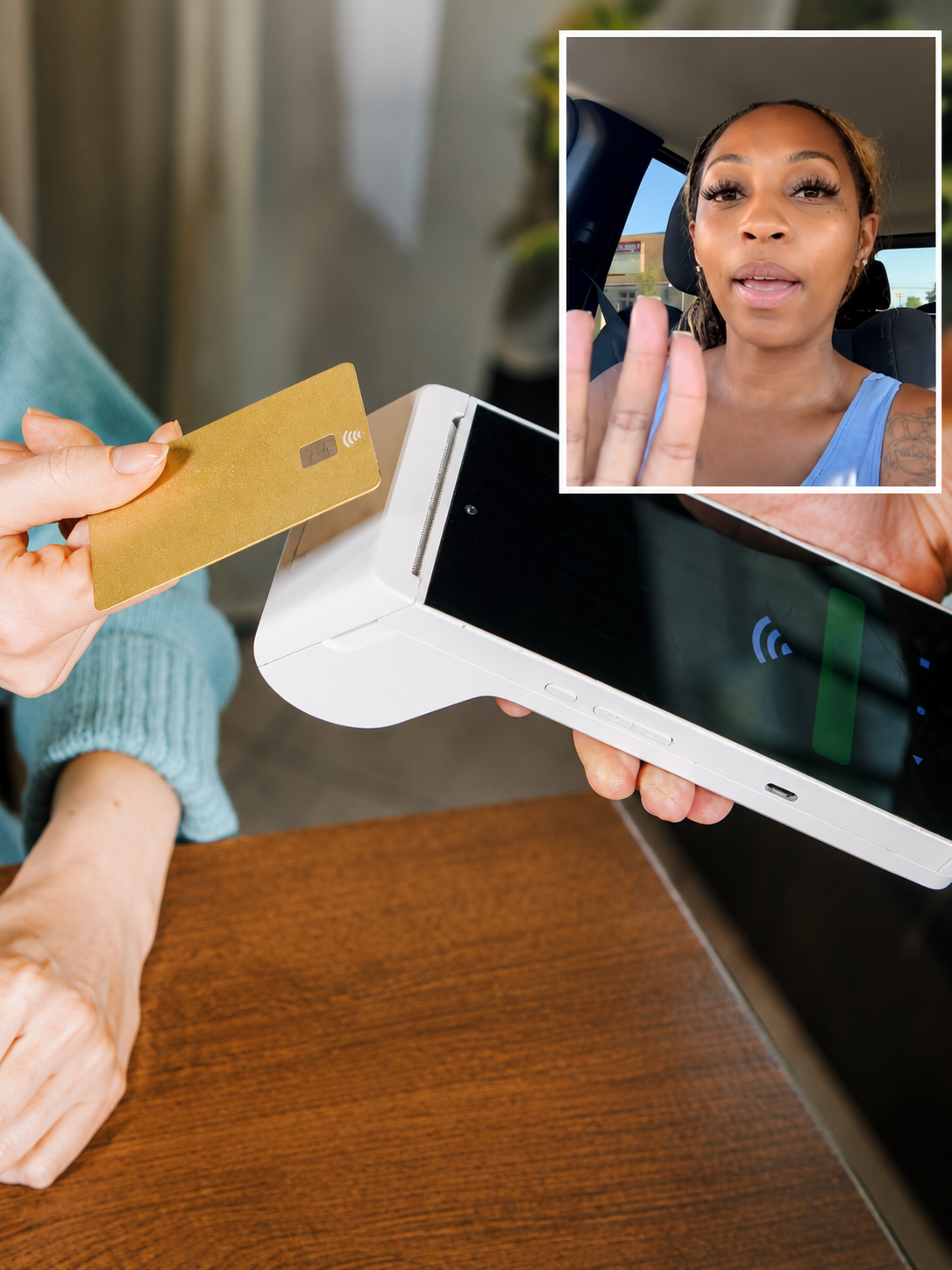
Waitress Sparks Tipping Debate by Saying Automatic Gratuity Isn’t Always a Tip
A waitress has reignited the increasingly heated debate over American tipping culture after arguing that customers should consider leaving an additional tip even when an automatic gratuity has already been added to the bill.
The server, who identified herself online as Daisy, explained her position in a TikTok video that quickly drew thousands of reactions. She argued that an automatic gratuity can be divided among several restaurant employees, meaning the person directly serving the customer may receive only part of the charge.
“Gratuity Is Gratuity, and a Tip Is a Tip”
Daisy’s argument centers on the distinction between an automatic gratuity and a discretionary tip.
She explained that part of an automatic gratuity may be shared with bartenders, barbacks, bussers and other restaurant workers. As a result, she said customers shouldn’t necessarily assume that the entire charge goes directly to their server.
Her advice was straightforward: if the server provides excellent service and the customer wants to reward that individual, they should consider adding another tip.
She also drew considerable criticism for telling customers that if they cannot afford to tip, they should not be dining out.

Customers Push Back
The response online was sharply divided.
Some viewers defended the waitress, saying customers should understand that restaurant workers often share gratuities and that good service deserves additional recognition.
Others strongly rejected the argument.
One commenter said that gratuity is itself a tip and argued that how the restaurant distributes the money is an issue between employees and management, not customers. Another accused the waitress of contributing to what many consumers already see as excessive tipping expectations.
The original video attracted more than 3,000 comments, while a repost on Instagram generated more than 8,000 responses.
What Does “Automatic Gratuity” Actually Mean?
There is an important distinction between an automatic gratuity/service charge and a voluntary tip.
Federal tax guidance issued in 2026 explicitly treats mandatory automatic gratuities differently from voluntary tips. The IRS says an automatically added charge that customers cannot decline or modify is not considered a qualified tip for purposes of the federal tip deduction, even if the restaurant later distributes some of that money to employees.
For example, if a restaurant automatically adds an 18% charge to a large party’s bill and the customer has no ability to remove or change it, that charge is considered a mandatory service charge under the IRS rules.
A voluntary amount added afterward, however, can qualify as a tip.
That doesn’t necessarily settle the etiquette question, though. Whether diners should add another 18%, 20% or other amount remains a matter of personal choice and restaurant policy.
Tipping Fatigue Is Growing
The controversy comes as Americans increasingly complain about being asked to tip in more situations — from traditional sit-down restaurants to coffee shops, takeout counters and digital checkout screens.
A survey cited by the Post found that 78% of customers believe tipping practices have become excessive, while 66% said they had felt pressured to tip even after receiving poor service.
Digital payment systems appear to be contributing to that pressure, with 59% of respondents saying they felt compelled to leave a tip when presented with a tipping screen.
Another survey found that Americans’ spending on guilt-driven tipping fell 38%, from $453 in 2024 to $283 in 2025.
So Should You Tip Again?
The viral debate highlights a practical question many diners face when they see “18% gratuity included” followed by another blank tip line.
There is no universal requirement to add another tip simply because a server asks for one.
If the gratuity is mandatory, diners should first understand what the restaurant’s policy says and whether the charge is distributed among the staff. If they want to reward exceptional individual service beyond that charge, they can choose to leave something additional.
But the central point remains: an automatic gratuity and a voluntary tip can be treated differently by restaurants and under tax rules, even though customers commonly use the words interchangeably.
For many diners, however, the viral waitress’s message raises a broader question: when does rewarding good service become an expectation to pay twice?