UC Berkeley Professor Says She Is Teaching Fractions to Calculus Students as Math Skills Decline
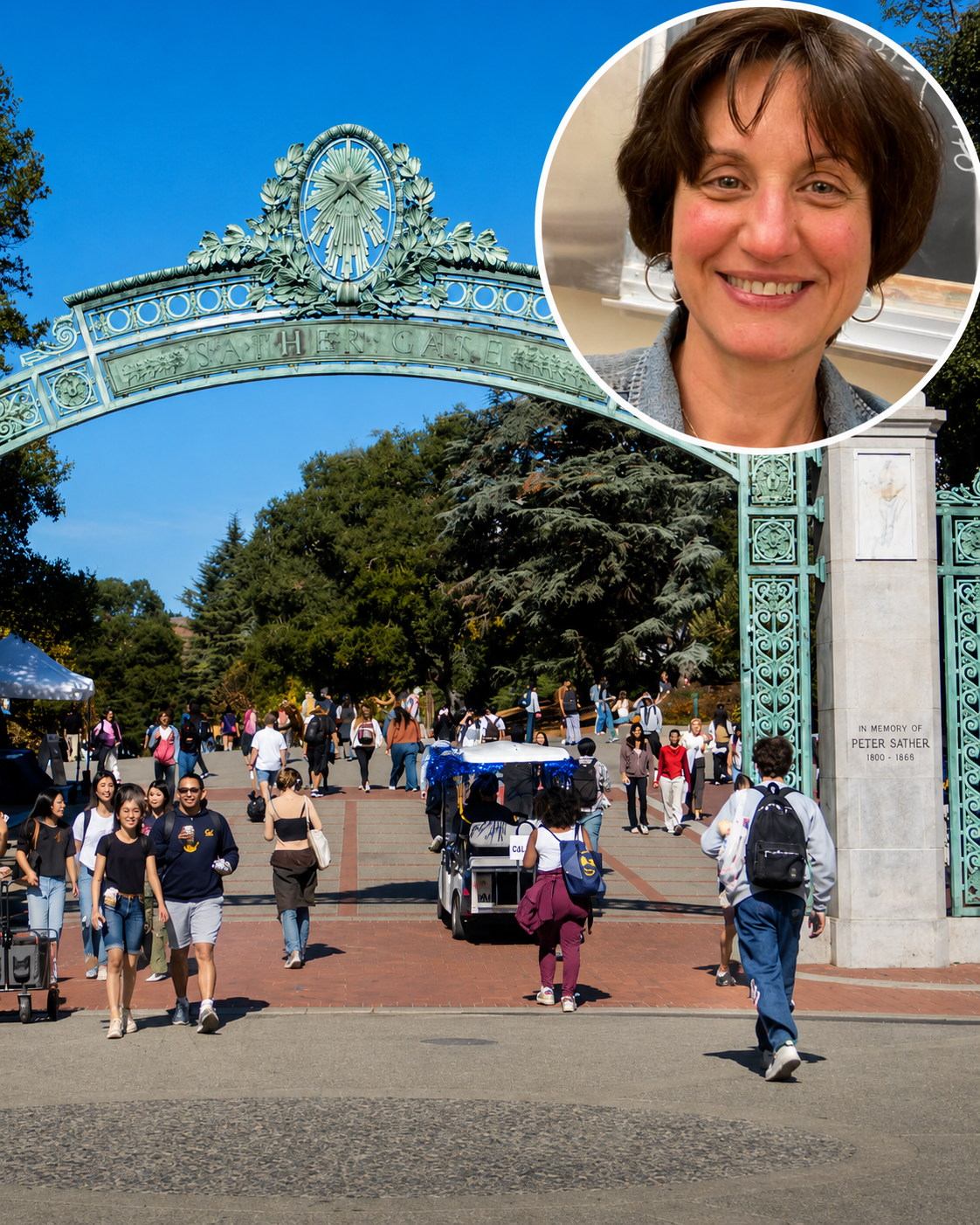
UC Berkeley Professor Says She Is Teaching Fractions to Calculus Students as Math Skills Decline
BERKELEY, Calif. — A longtime University of California, Berkeley mathematics professor says she has encountered a troubling level of math under-preparedness among some students entering the university — including calculus students who struggle with fractions and basic algebra.
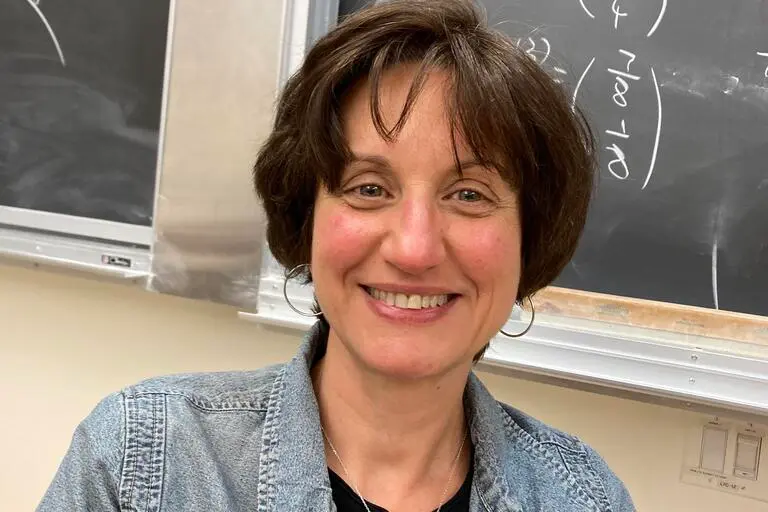
Professor Zvezdelina Stankova, who has taught mathematics at Berkeley for nearly three decades, described the problem in a recent opinion essay, saying some students arrive at college five to eight years behind where they should be mathematically.
Instead of spending office hours working through difficult calculus concepts, Stankova says she sometimes has to revisit mathematical fundamentals that students would normally have learned during middle or high school.
From Calculus to Basic Fractions
Stankova teaches large introductory mathematics courses, including classes with hundreds of students.
She said that by the second week of the semester, she can identify students who are struggling significantly with the material.
For some, the problem isn’t simply understanding a complicated calculus theorem. They lack the underlying arithmetic and algebra skills needed to follow the course in the first place.
That can turn office hours intended for discussing derivatives, integrals and other advanced concepts into sessions covering fractions and basic algebra.
Diagnostic Scores Show a Significant Gap
Stankova points to diagnostic testing as evidence that the problem has become more pronounced.
Before the University of California stopped using standardized tests in admissions, a diagnostic assessment of Berkeley’s Calculus I students found that 71% were considered ready or nearly ready for the course between 2018 and 2020.
Between 2021 and 2023, that figure reportedly fell to about 44%.
Stankova argues that the change is too significant to ignore and says the university needs a more reliable way to determine whether incoming students are academically prepared.
Debate Over the SAT and ACT
The professor’s concerns have become part of a larger debate at the University of California over standardized testing.
UC stopped considering SAT and ACT scores in undergraduate admissions after a decision announced in 2020. Critics of the policy argue that standardized tests provide universities with another way to measure academic preparation, particularly when high-school grades and course standards can vary.
Stankova is among Berkeley faculty members pushing for the university system to reconsider the role of standardized tests, particularly for students applying to STEM programs.
Thousands of UC faculty members have also signed open letters calling for changes to the admissions approach.
Berkeley Defends a Broader Admissions Approach
The issue is considerably more complicated than simply saying students have become less capable.
Test scores are only one measure of academic ability, and opponents of standardized testing have argued that relying heavily on the SAT and ACT can disadvantage students from less-privileged backgrounds.
The University of California has also emphasized the importance of evaluating applicants through a broader range of factors.
Berkeley’s own mathematics faculty, however, has increasingly focused on whether students are arriving with the skills required for demanding STEM coursework.
Five Berkeley mathematics professors previously launched an open letter specifically calling for SAT or ACT math scores to be considered for applicants to STEM majors.

The Problem Goes Beyond Berkeley
Stankova’s observations come amid broader concerns about declining math performance among American students.
National academic assessments have documented substantial declines in mathematics achievement, particularly following disruptions caused by the COVID-19 pandemic.
That means Berkeley may be experiencing a problem that extends well beyond one university or one admissions policy.
The challenge for universities is particularly serious in mathematics and STEM fields because advanced courses depend heavily on mastery of earlier concepts. A student who has gaps in fractions, algebra or basic functions can find college calculus difficult even if they have technically completed the prerequisite courses.
A Warning About College Readiness
Stankova’s central argument is not simply that students are struggling with calculus. It is that universities need to know before students enter the classroom whether they have the mathematical foundation required for the courses they plan to take.
For professors, the consequences are immediate: time that could be spent teaching advanced material may instead be devoted to repairing years-old gaps.
For students, the consequences can be even greater, potentially affecting grades, confidence and whether they remain in demanding STEM programs.
Berkeley remains one of the world’s leading universities, but Stankova’s warning highlights a difficult reality facing higher education: admission to an elite institution does not necessarily guarantee that every student arrives equally prepared for elite-level coursework.
The debate over how universities should measure that preparation — and whether standardized testing should play a larger role — is likely to continue.