Tim Curry Ran Through Clue Explaining Every Murder — The Scene Ended With a Trip to the Hospital
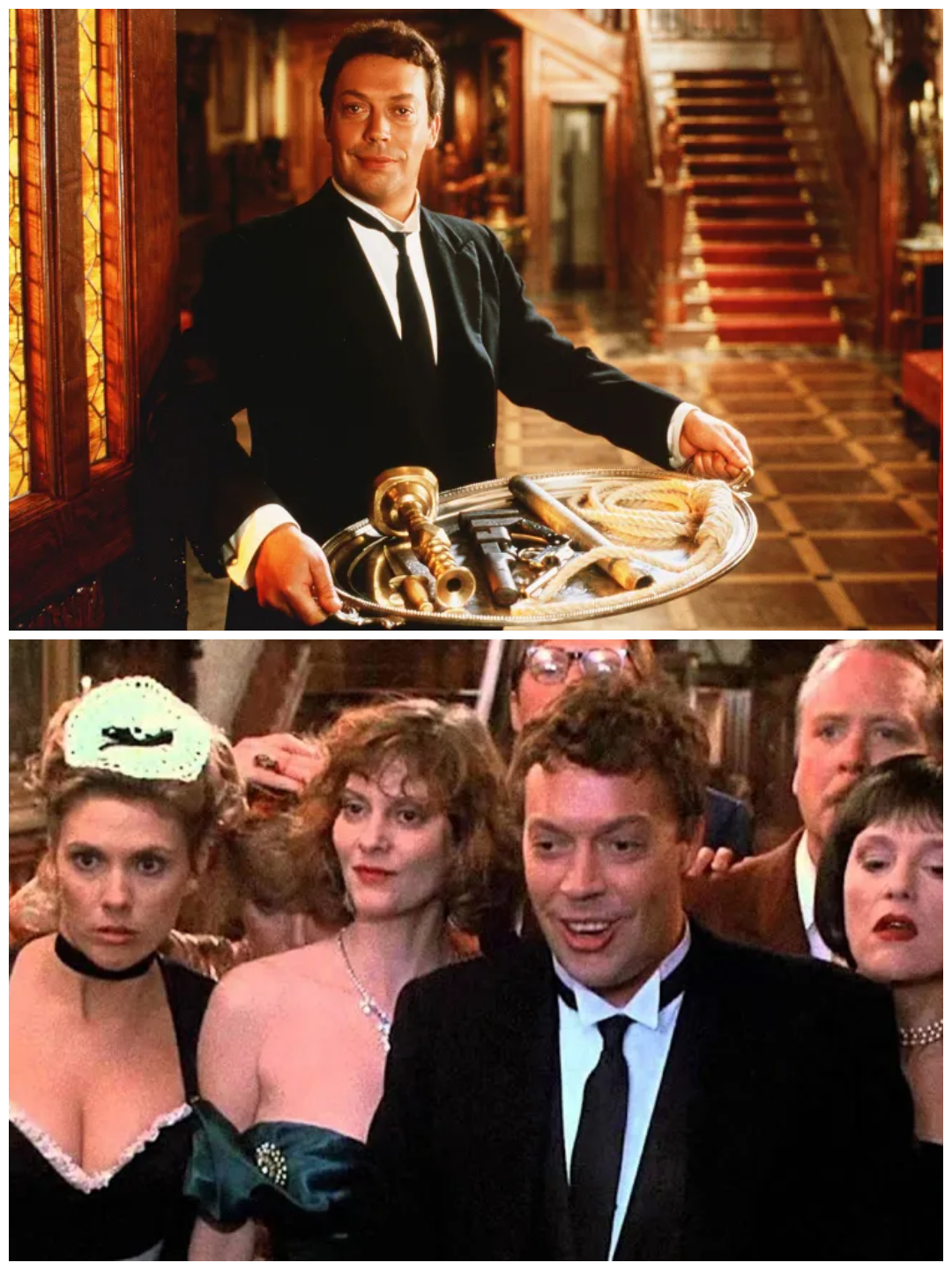
By the time Clue reaches its final act, the movie has already become chaos.
Bodies have been discovered. Weapons have changed hands. Secret passages have been used. Everyone inside the mansion has a motive, almost everyone has lied, and nobody seems capable of keeping track of who was where when each murder happened.
Then Tim Curry takes over.
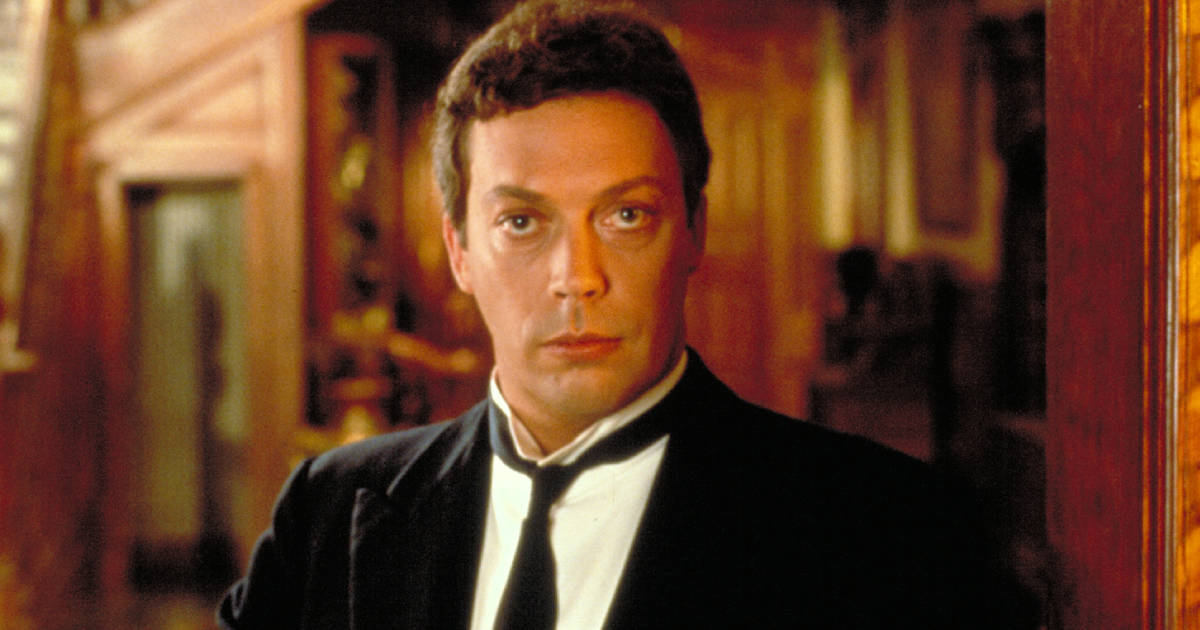
As Wadsworth, the frantic butler at the center of the 1985 comedy, Curry launches into one of the fastest, most exhausting explanations ever built into a murder mystery. He races from room to room, recreating the night’s events while shouting clues, reenacting deaths and trying to explain how every seemingly impossible piece fits together.
It is one of the scenes that helped turn Clue from a box-office disappointment into a cult classic.
But filming it apparently took a genuine physical toll on Curry.
Years later, he revealed that after performing the demanding finale, his blood pressure had risen so dramatically that he needed medical attention.
And that was only part of the strange story surrounding Clue’s ending.
The movie famously reached theaters with multiple conclusions — but Curry later said his favorite was actually an ending audiences never got to see.
Wadsworth Had to Explain an Almost Impossible Plot
Clue was based on the famous board game, but director Jonathan Lynn and producer John Landis faced an obvious problem.
A board game does not have one fixed murderer.
Every time people play, the identity of the killer, weapon and room can change.
The filmmakers decided to embrace that uncertainty rather than ignore it.
The movie brings six suspicious guests to a secluded mansion: Colonel Mustard, Mrs. White, Mrs. Peacock, Professor Plum, Miss Scarlet and Mr. Green.
Curry’s Wadsworth welcomes them.
Soon, their host Mr. Boddy is apparently killed.
Then more bodies begin appearing.
By the final act, the movie has accumulated so many murders, motives and hidden connections that someone has to explain everything.
That someone is Wadsworth.
Curry’s character gathers the survivors and announces that he knows exactly what happened.
Then he begins running.
The Scene Was Designed to Be Breathless
The speed was intentional.
Before filming began, Lynn reportedly showed the cast Howard Hawks’ His Girl Friday, the 1940 comedy famous for actors delivering dialogue at an extraordinarily rapid pace.
That became part of the rhythm Lynn wanted for Clue.
For most of the movie, the cast could share the burden.
Lesley Ann Warren, Madeline Kahn, Christopher Lloyd, Eileen Brennan, Martin Mull, Michael McKean and Colleen Camp all contributed to the escalating comic confusion.
The finale was different.
Suddenly, Curry had enormous amounts of exposition to deliver almost by himself.
Wadsworth does not simply stand in one room and explain the mystery.
He physically reconstructs it.
He charges through hallways.
He returns to murder locations.
He demonstrates movements.
He switches voices and attitudes.
He drags the rest of the cast behind him while trying to keep the entire chain of events understandable to the audience.
The energy of the sequence is one of the reasons it works.
It also became a problem for the actor performing it.
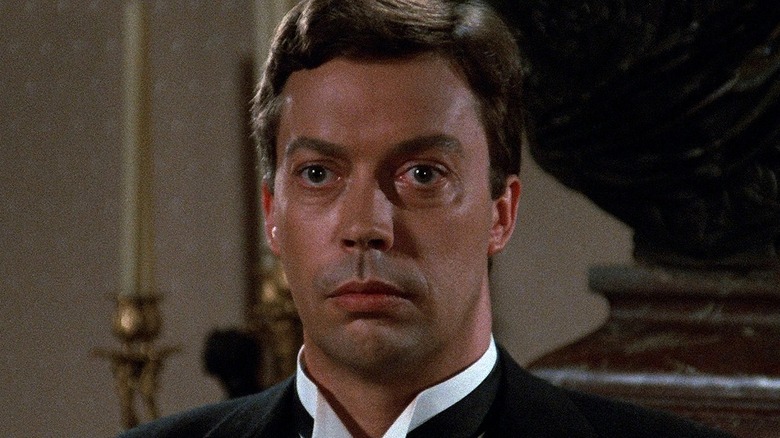
Curry’s Blood Pressure Shot Up
Curry revisited the experience decades later while looking back at memorabilia from his career with the Academy’s Margaret Herrick Library.
According to PEOPLE, Curry remembered filming the strenuous sequence on July 25 during production.
The scene required him to repeatedly race around the mansion set while delivering dense dialogue at high speed.
Eventually, the effort caught up with him.
Curry said his blood pressure became so high that he ended up needing medical attention.
Turner Classic Movies similarly notes that the rapid-fire final speeches and constant running took such a toll that Curry had to see a doctor to get his blood pressure under control by the time production ended.
It is easy to see why.
Watch the sequence now and Wadsworth almost never seems to stop moving.
Curry had to remain funny, remember enormous amounts of dialogue, hit marks throughout a complicated set and maintain the sense that his character’s mind was working faster than everyone else’s.
The exhaustion visible in the scene may not have been entirely acting.
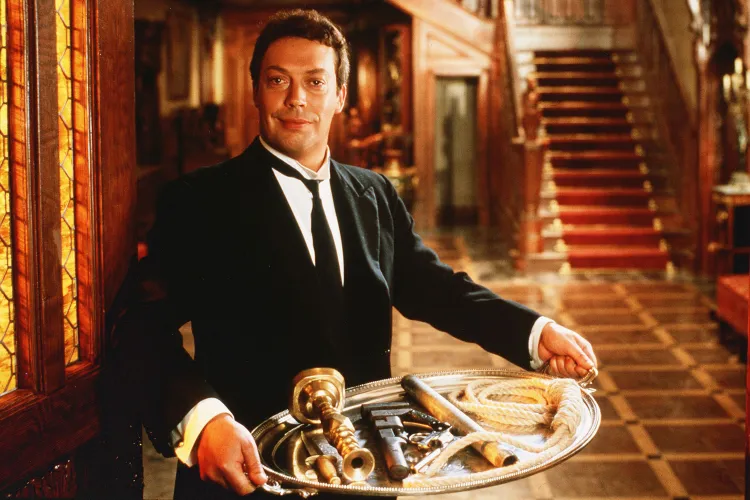
And Curry Had to Perform More Than One Ending
The finale became even more demanding because Clue did not have only one conclusion.
The filmmakers shot multiple endings.
In Ending A, Miss Scarlet is exposed as the mastermind.
In Ending B, Mrs. Peacock is revealed as the killer.
Ending C distributes responsibility for the murders among several characters before delivering a final twist involving Wadsworth himself.
When Clue opened theatrically, different theaters received different endings.
That meant two people could see the same movie at different locations and walk away with completely different answers to the mystery.
The idea was partly inspired by the board game itself: the solution changes every time you play.
The filmmakers hoped audiences might even pay to see the movie again to catch another ending.
It did not work as planned.
Clue underperformed at the box office, earning less than its reported $15 million budget, and some observers later suggested that the multiple-ending strategy confused audiences rather than encouraging repeat business.
Home video changed everything.
Instead of separating the endings, later versions showed all three in succession.
That structure became one of the movie’s most beloved features.
But There Was Originally a Fourth Ending
The three familiar conclusions were not the only possibilities.
A fourth ending was created during production.
Accounts differ somewhat over how completely it was filmed, but the discarded version centered much more heavily on Curry’s character.
In that ending, Wadsworth was revealed as the sole murderer.
He had manipulated the entire evening and intended to eliminate the guests as part of his plan.
The finale reportedly involved even more frantic movement through the mansion and ultimately an attempted escape before Wadsworth’s plan collapsed.
Director Jonathan Lynn did not like the result.
He later said the ending was not funny or surprising enough and felt anticlimactic.
So it was removed.
Curry, however, remembered it differently.
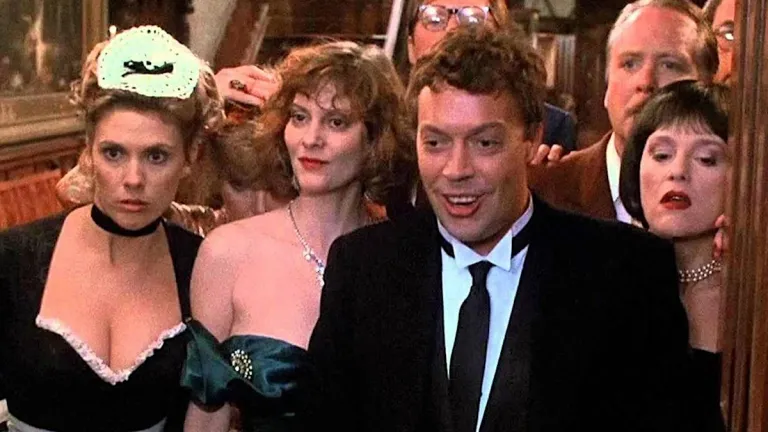
The Deleted Ending Was Curry’s Favorite
When Curry discussed the movie decades later, he revealed that the discarded fourth ending had actually been his preferred version.
According to PEOPLE, Curry liked the ending in which Wadsworth was ultimately exposed as the killer, even though he acknowledged that filmmakers considered the solution too obvious.
That preference makes sense when viewed from Curry’s perspective.
Wadsworth already dominates the finale.
He knows more than everyone else.
He controls the pace.
He physically leads the other characters through the crime.
Making him the murderer would have turned that manic explanation into something darker: the person apparently solving the mystery would actually have been the person who created it.
But Lynn felt the movie needed something else.
Three endings survived.
Curry’s favorite did not.
The Failure Eventually Became a Cult Classic
When Clue arrived in December 1985, critics were mixed and audiences did not immediately embrace it.
The film seemed destined to become a strange Hollywood experiment that had failed.
Instead, television and home video gave it a second life.
Viewers could finally watch all the endings together.
They could memorize Madeline Kahn’s “flames” speech.
They could appreciate Michael McKean’s increasingly exasperated Mr. Green.
And they could replay Curry’s extraordinary final sprint through the mansion again and again.
The very qualities that may have seemed overwhelming in a theater became perfect for repeat viewing.
The dialogue was so fast that viewers kept noticing new jokes.
The plot was complicated enough to reward rewatching.
And Curry’s performance became the engine holding the entire thing together.
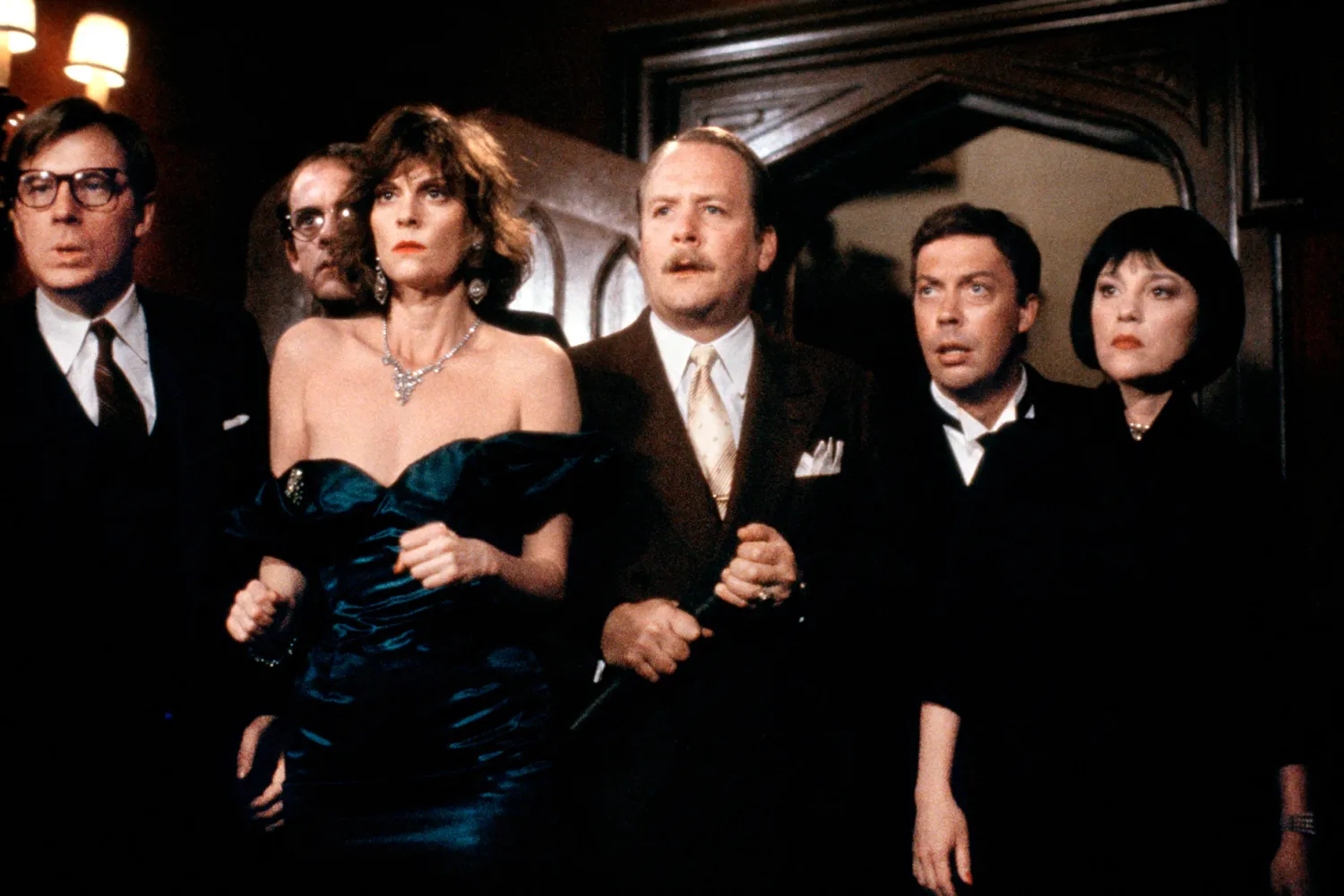
One Scene Captures Why Tim Curry Was So Good
Curry had already become a cult figure through The Rocky Horror Picture Show.
He would later terrify audiences as Pennywise in It and appear in everything from Home Alone 2 to animation and Broadway.
But Wadsworth showed a different side of his abilities.
The role required precision.
The jokes work because Curry commits completely to the urgency of the situation.
He does not behave as if he knows he is in a comedy.
For Wadsworth, explaining every murder before something else goes wrong is deadly serious.
That is what makes the frantic ending so funny.
And knowing what happened behind the scenes makes it even more remarkable.
Curry was not simply pretending to be exhausted while racing around that mansion.
The scene pushed him hard enough that his blood pressure became a real medical concern.
Then he had to do variations of the ending again.
Four decades later, audiences still laugh at Wadsworth sprinting from murder scene to murder scene.
Most never knew that when the cameras finally stopped, Tim Curry’s most famous Clue sequence had one final destination that was nowhere in the script:
a doctor.