Wes Craven Died 11 Years Ago Today — Freddy Krueger Began With a Real Story He Couldn’t Forget
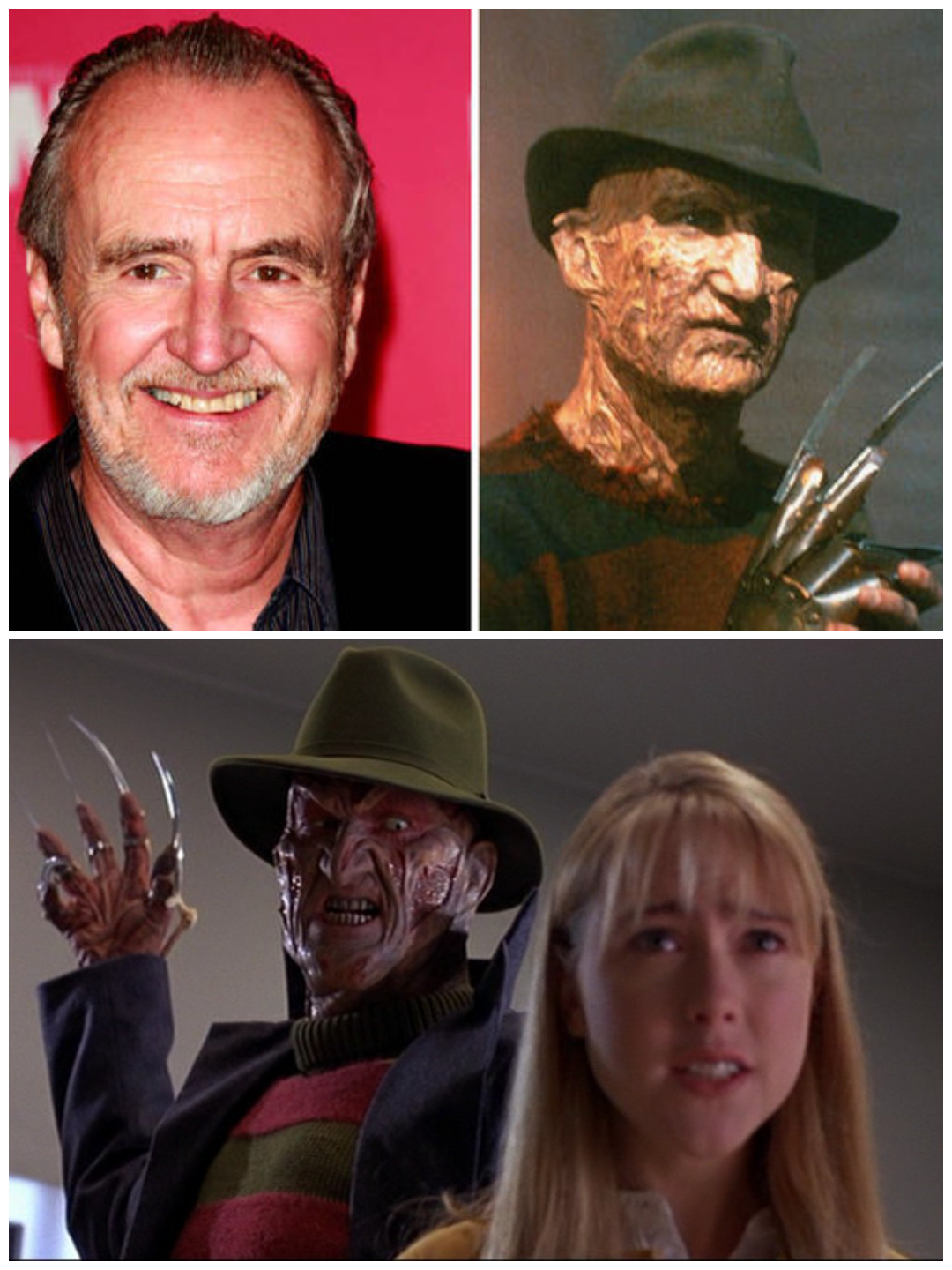
Eleven years ago today, Hollywood lost one of the filmmakers who permanently changed the way audiences looked at horror.
Wes Craven died on Aug. 30, 2015, leaving behind a remarkable collection of movies that included The Last House on the Left, The Hills Have Eyes, Scream and, most famously, A Nightmare on Elm Street.
But perhaps the most unsettling part of Craven’s legacy is that one of his greatest monsters did not begin with a movie monster at all.
Long before Freddy Krueger appeared in his striped sweater, battered fedora and bladed glove, Craven encountered a real-life story that disturbed him enough to stay in his imagination.
It involved people who went to sleep — and never woke up.
And one particular young man was reportedly so frightened of what he believed was waiting for him in his dreams that he desperately tried to avoid sleeping altogether.
For Craven, the story raised a terrifying possibility.
What if the place people normally escaped into every night was no longer safe?
The Newspaper Stories Craven Couldn’t Shake
Craven later explained that part of the inspiration for A Nightmare on Elm Street came from a series of newspaper reports he had read in the Los Angeles Times.
The articles concerned Southeast Asian refugees who had apparently died unexpectedly during their sleep.
There was no masked killer standing beside the bed.
There was no obvious physical threat that could explain what had happened.
That mystery alone was disturbing.
But among the accounts Craven encountered, one story became especially important to him.
A young man had become terrified of sleeping.
According to the story as Craven later recalled it, the young man told his family that something frightening was pursuing him in his dreams. He resisted sleep because he apparently believed that if he fell asleep again, the threat would get him.
His family did not share that belief.
From their perspective, he desperately needed rest.
Eventually, after remaining awake for an extended period, he finally went to sleep.
Then came the moment Craven never forgot.
During the night, the family heard screaming.
By the time they reached him, something had gone terribly wrong.
The young man had died.
Whatever the medical explanation behind cases like these might have been, the emotional logic of the story was almost perfectly designed for a horror film.
A person is terrified of sleeping.
Everyone around him insists that the danger exists only inside his head.
He finally falls asleep.
Then his worst fear appears to come true.
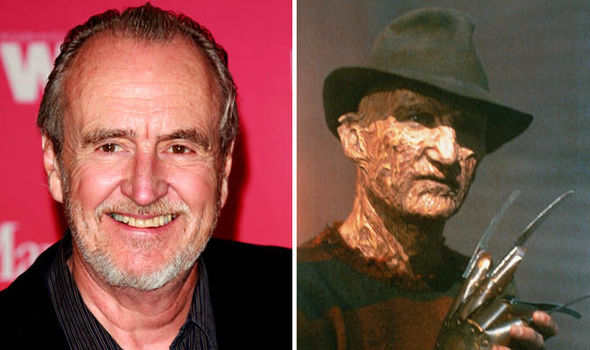
Craven Found Horror in Something Everyone Has to Do
The genius of A Nightmare on Elm Street was not simply Freddy Krueger himself.
It was the trap Craven built around his victims.
Most horror movies allow their characters at least the possibility of escape.
You can leave the haunted house.
You can lock the door.
You can avoid the isolated road.
You can run from the killer.
But you cannot permanently avoid sleep.
Craven recognized how frightening that simple fact could become if dreams were transformed from a private refuge into a place where something could actually hurt you.
That idea became one of the foundations of A Nightmare on Elm Street.
The teenagers of Elm Street gradually discover that Freddy does not need to chase them through the real world in the traditional way.
He waits for them to fall asleep.
And the longer they fight exhaustion, the more inevitable the confrontation becomes.
The premise turns one of the most ordinary human experiences into a countdown.
Eventually, everyone closes their eyes.
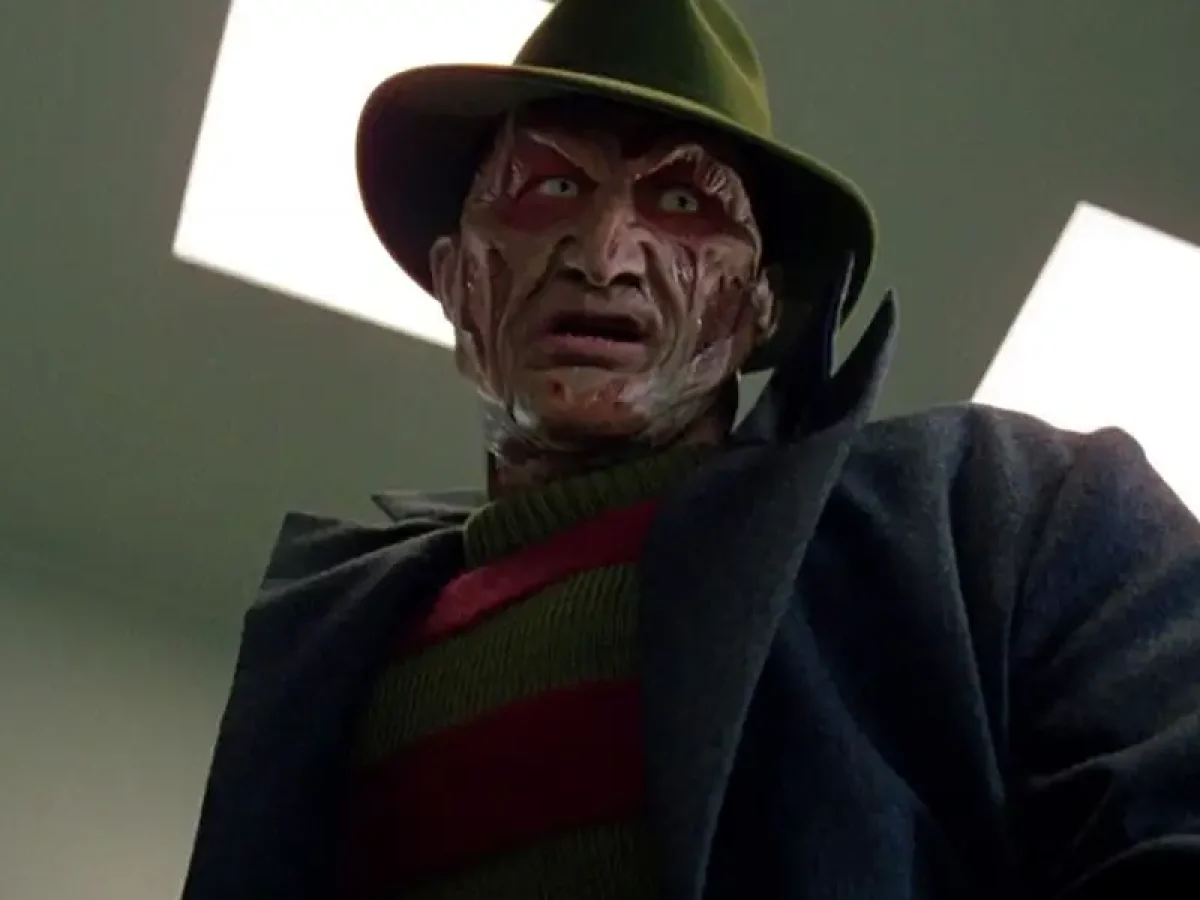
Freddy Krueger Became the Face of That Fear
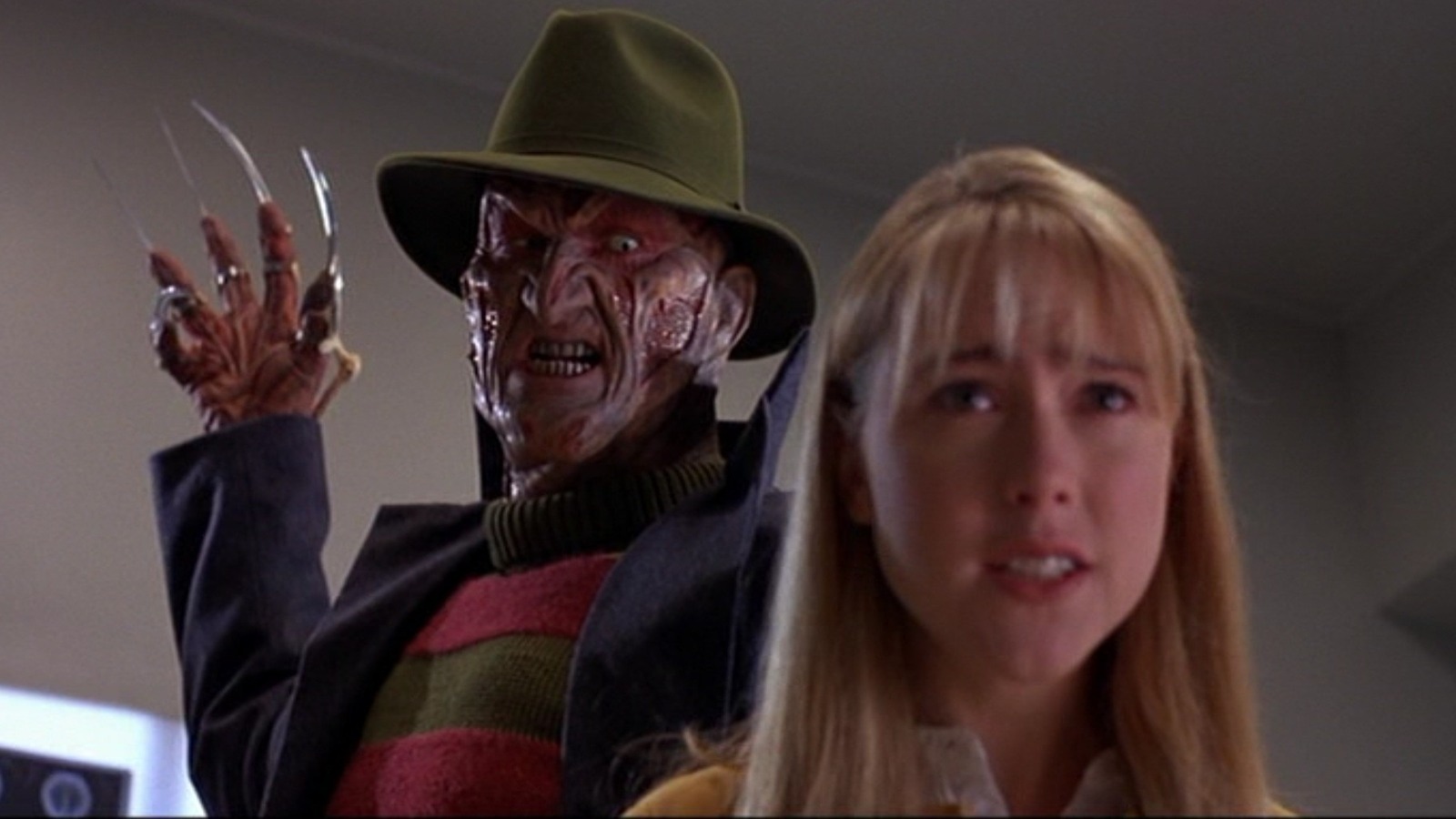
When A Nightmare on Elm Street arrived in theaters in 1984, Freddy Krueger was very different from the wisecracking pop-culture figure he would become in later sequels.
Robert Englund’s original Freddy was darker and more mysterious.
He appeared in shadows.
His movements could be strange and unnatural.
Sometimes an impossibly long arm would stretch across an alleyway. At other moments, the border between dream and reality would collapse so completely that neither the characters nor the audience could immediately tell which world they were watching.
That uncertainty was central to Craven’s concept.
Freddy could not simply be another man carrying a weapon.
He represented the nightmare itself.
Nancy Thompson, played by Heather Langenkamp, could stay awake temporarily. She could drink coffee, set alarms and fight exhaustion.
But eventually her body would betray her.
Sleep would come.
And Freddy would be waiting.
That made the movie’s horror unusually personal.
Audiences could leave the theater knowing perfectly well that Freddy Krueger was fictional.
Then, several hours later, they still had to turn off the lights and go to sleep.
The Real Story Was Only the Beginning
Craven did not simply copy a newspaper report and turn it into a screenplay.
The real accounts provided a spark.
From there, he built an entire mythology around the fear they created in him.
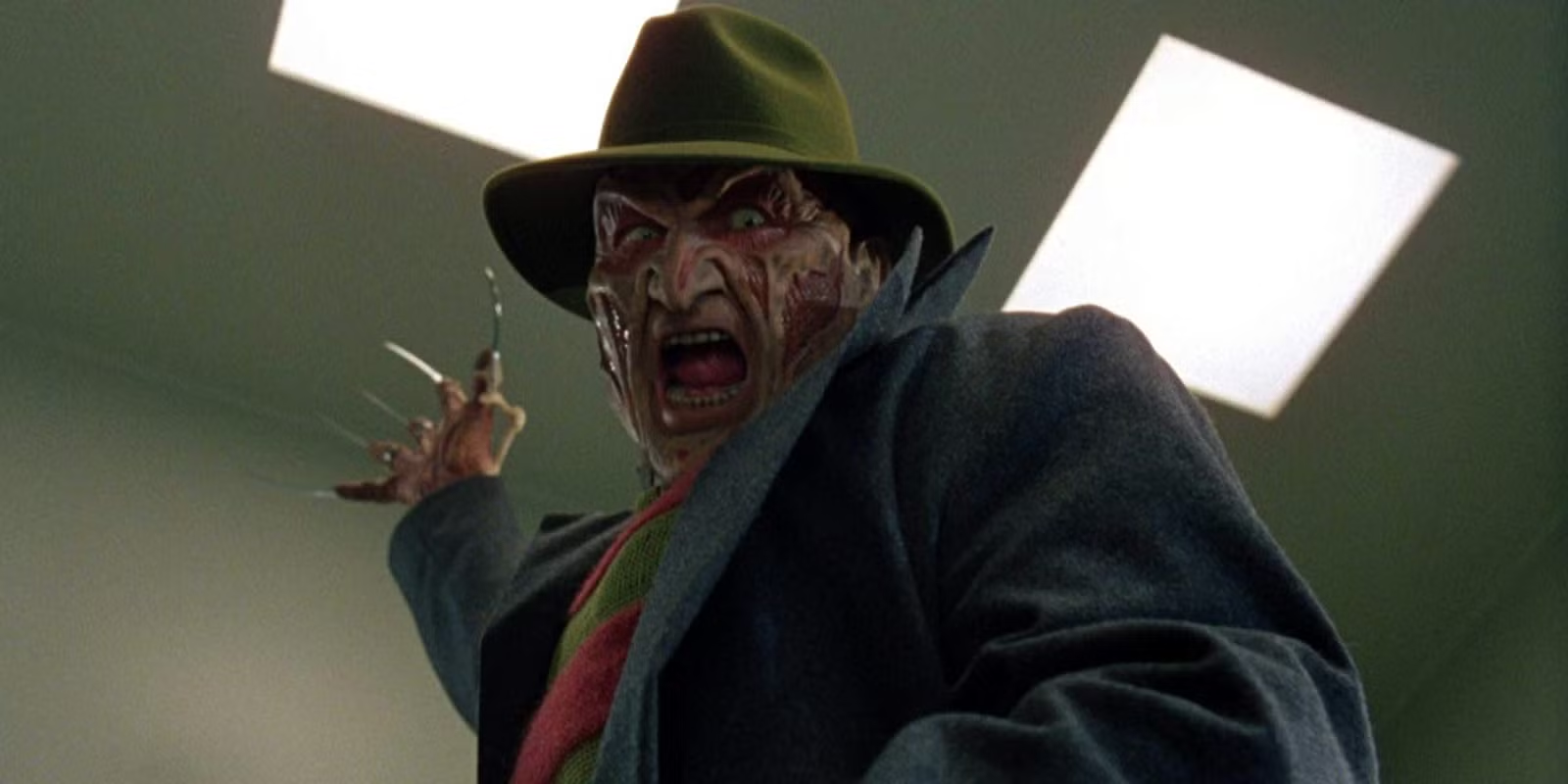
Freddy Krueger became a fictional child murderer who had been killed by angry parents and returned through the dreams of their children.
The famous glove transformed fingers into blades.
The red-and-green sweater became instantly recognizable.
And Elm Street itself became one of horror cinema’s most famous locations.
Even the name Freddy Krueger carried pieces of Craven’s own memories and experiences.
But underneath all the supernatural mythology was a very simple question — one that Craven had encountered before Freddy existed.
What happens when someone genuinely believes that falling asleep could be fatal?
It is that idea, rather than any single piece of Freddy’s costume, that makes the origin story so disturbing.
Eleven Years Later, Craven’s Greatest Trick Still Works
Craven died on Aug. 30, 2015, at the age of 76.
Today, Aug. 30, 2026, marks exactly 11 years since his passing.
By the time he died, Freddy Krueger had long since escaped the boundaries of the original movie.
The character appeared in sequels, television, merchandise, video games and a crossover with Jason Voorhees. Freddy became so recognizable that the silhouette of his hat and glove could identify him without showing his face.
Yet knowing where part of the idea came from makes Craven’s original movie feel different.
Behind all the supernatural imagery was something Craven had read in the newspaper.
A young man was frightened of his dreams.
He tried not to sleep.
His family eventually convinced him that sleep itself could not hurt him.
Then, according to the story that stayed with Craven, a scream came from the bedroom.
That disturbing contradiction — the idea that an irrational nightmare might somehow become real — helped Craven imagine a monster who could reach people in the one place where running away was impossible.
Freddy Krueger eventually became one of Hollywood’s most famous horror villains.
But before the glove, the sweater and the burned face, there was simply a filmmaker reading a newspaper story and confronting a terrifying question:
What if the person who is afraid to fall asleep has a reason to be afraid?