After Surviving Leukemia Four Times, 21-Year-Old Conor Harding Faces an Incurable Brain Tumor
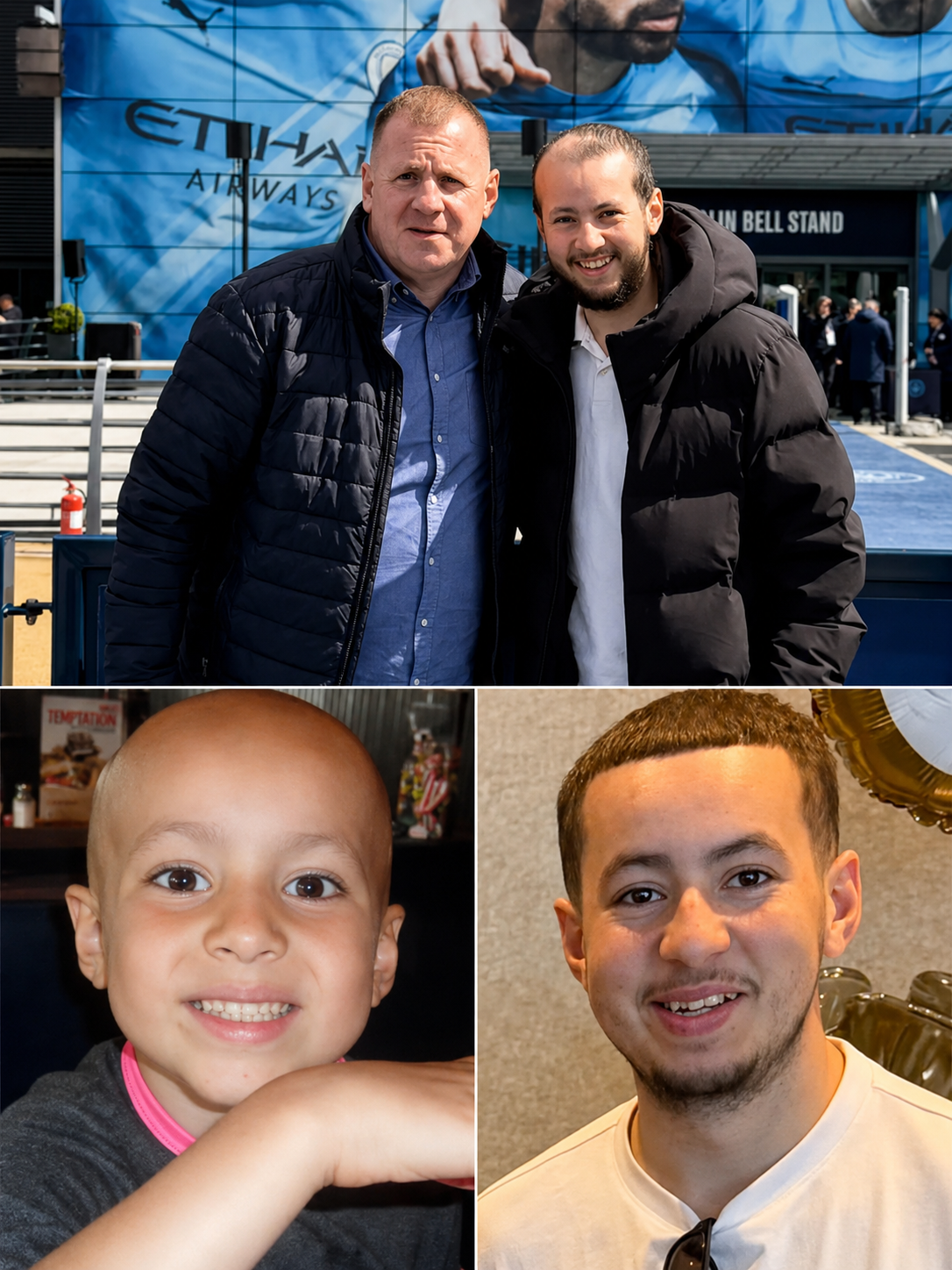
For four years, Conor Harding finally experienced the life cancer had repeatedly taken from him.
He played rugby, went out with friends and formed the close relationships that define an ordinary adolescence. After surviving leukemia four separate times, the young man from London could wake up feeling healthy rather than wondering when his illness might return.
Conor never fully believed cancer had disappeared from his life. Still, that period of freedom allowed him to live like a typical teenager for the first time.
Then the headaches began.
In September 2025, doctors gave Conor a new diagnosis—one far different from the leukemia he had repeatedly overcome since childhood. At 21, he learned that he had glioblastoma, an aggressive and incurable form of brain cancer.
His doctors told him the disease would probably be what ended his life.
For a young man who had already fought cancer four times, the words marked a devastating change. During his earlier illnesses, no matter how difficult treatment became, there had always been hope that he could recover.
This time, his family was told there was no cure.
Cancer Entered His Life at Age 5
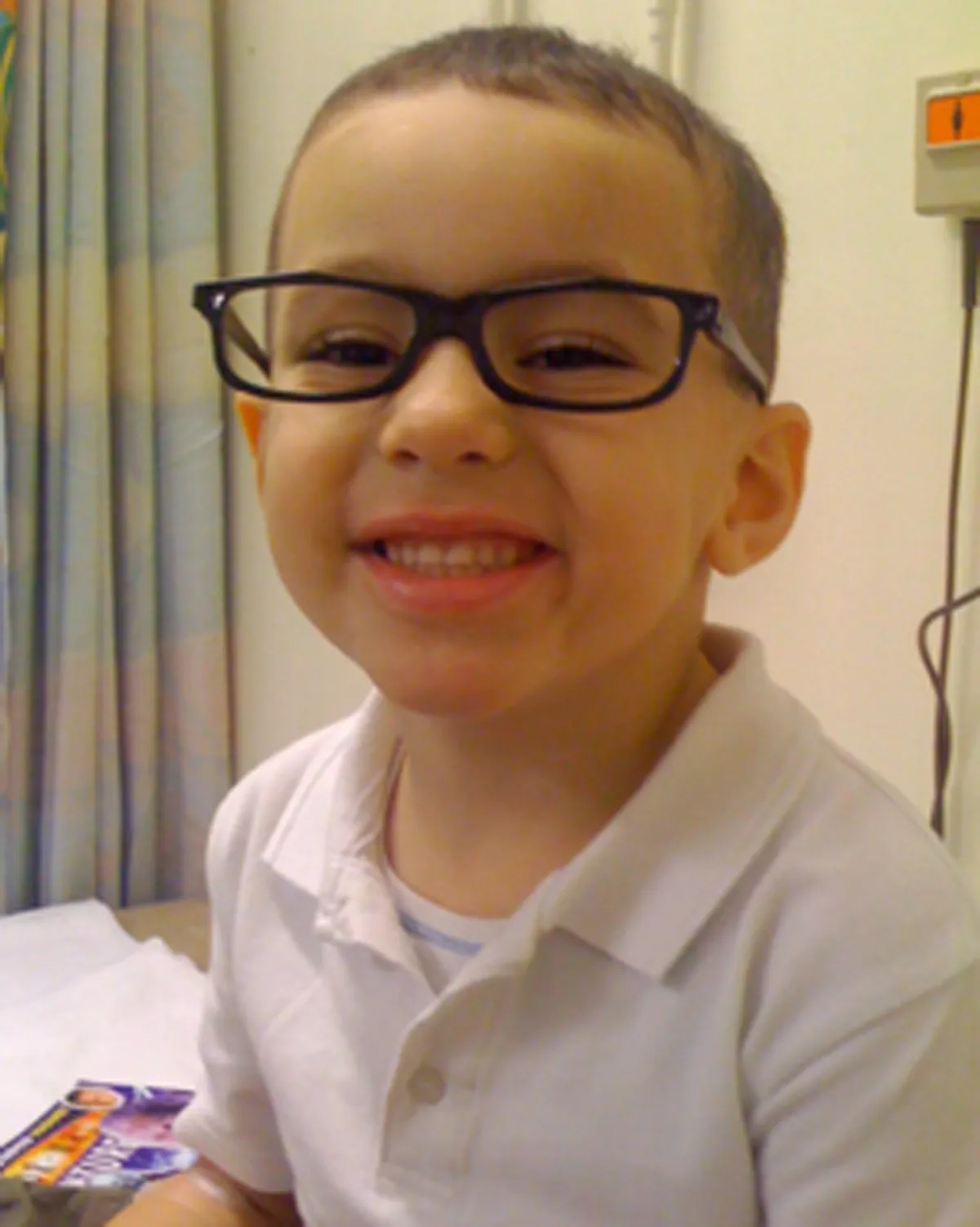
Conor’s medical journey began when he was only 5 years old.
He was diagnosed with leukemia, forcing him into a world of hospitals and cancer treatment before he was old enough to understand everything happening around him.
The disease later returned multiple times.
By the third and fourth diagnoses, Conor had already learned how to endure treatment, uncertainty and the emotional shock of hearing that cancer was back. The experience never became easy, but he knew that doctors still had options.
There was always a reason to believe another recovery might be possible.
He survived each recurrence.
After years of illness, Conor eventually reached a long stretch without cancer. More than four years passed, giving him the chance to build a life beyond treatment.
He knew the possibility of another diagnosis would always exist in the background. But for once, he felt physically well.
Those years became precious.
Conor played rugby, spent time with his friends and began enjoying the independence of young adulthood. Instead of measuring time through medical appointments, he could focus on the people and activities he loved.
Then his health began declining again.
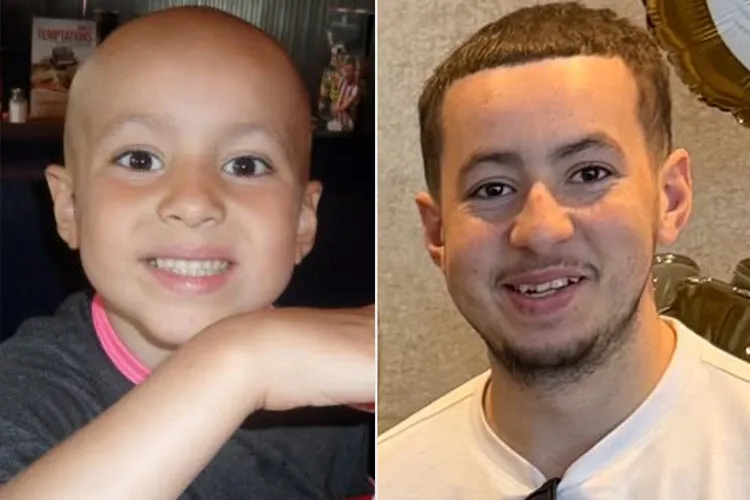
Persistent Headaches Led to a Devastating Discovery
The warning sign was a series of headaches that would not go away.
After further medical evaluation, Conor was diagnosed with glioblastoma in September 2025.
The news was difficult enough on its own. The prognosis made it even more painful.
Conor said a doctor explained that the brain cancer would probably be the reason he eventually died.
Hearing that was extremely hard, he recalled, but he believed the news may have affected his mother and father even more deeply.
His father, Trevor Harding, struggled to comprehend what the diagnosis meant.
The family had traveled through cancer repeatedly. They had faced relapses, treatment and fear before. Each time, however, they had been able to hope for a favorable outcome.
Glioblastoma changed that expectation.
Trevor described learning that his son’s condition was life-limiting as devastating. After so many battles, the family now felt they were confronting something final.
They understood that Conor was expected to lose his life to the disease.
For a father who had watched his son survive again and again, accepting that reality was almost unbearable.
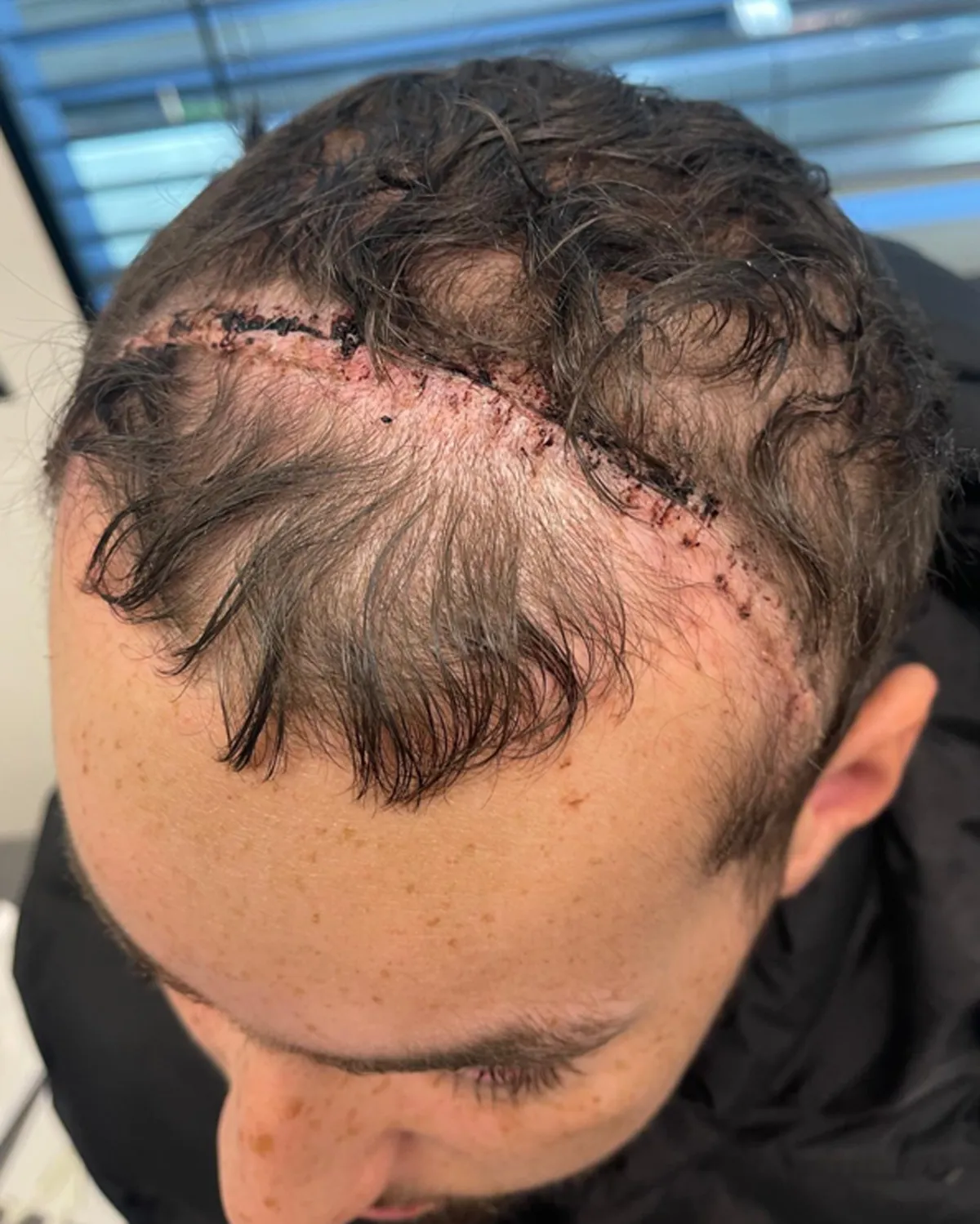
Major Surgery Left 65 Staples in His Skull
Conor underwent brain surgery after the diagnosis.
The procedure was extensive, leaving him with 65 staples in his skull. Afterward, he began chemotherapy and radiation in an effort to control the cancer.
The treatment offered a way to fight back, but it did not provide the same promise of recovery that had existed during his leukemia battles.
Then, in February, an MRI scan brought another blow.
Three of the tumors removed during surgery had returned.
The results showed how aggressively the disease was progressing despite everything Conor had already endured.
Still, his attention did not remain entirely on his own suffering.
Rather than centering his final chapter only on himself, Conor said he felt responsible for staying strong for his family and the people close to him.
It was a painful reversal of roles.
His parents had supported him through cancer since he was 5. Now, while facing the most frightening diagnosis of his life, Conor wanted to help carry them emotionally.
This Fight Feels Different
Conor understands cancer in a way few people his age ever could.
He has known the fear of diagnosis, the exhaustion of treatment and the uncertainty of waiting to learn whether therapy has worked. He has experienced remission and recurrence more than once.
But he sees a crucial difference between his previous battles and the one he faces now.
When leukemia returned for the third and fourth times, there was still hope that he might get better. Even after repeated relapses, his medical team had treatments capable of pushing the disease back.
Glioblastoma has no cure.
That reality has altered the emotional landscape for the entire Harding family.
They are not only enduring another round of surgery, chemotherapy and radiation. They are living with the knowledge that treatment is not expected to produce the happy ending they achieved before.
Conor’s resilience has not disappeared, but it now serves a different purpose.
He is no longer fighting with the certainty that survival remains within reach. He is trying to make the time ahead meaningful while protecting the people he loves from as much pain as possible.
Turning Their Grief Into a Campaign for Research
Conor and his parents chose to share his story during Glioblastoma Awareness Week in partnership with the charity Brain Tumor Research.
Their goal was not simply to describe what their family had suffered.
They wanted to draw attention to the urgent need for greater research funding and better treatment options for people diagnosed with brain tumors.
Trevor was shocked by what he learned after beginning to investigate the disease.
Despite advances made in treating many other cancers, he believed progress against brain tumors remained painfully limited.
According to the figures he cited, brain tumors kill more children and adults under 40 than any other cancer. Yet only 1% of the United Kingdom’s national cancer research spending since records began in 2002 has been allocated to the disease.
For Trevor, that imbalance was impossible to ignore.
His son had survived four leukemia diagnoses because treatments existed that could give him another chance. Now Conor was facing a cancer for which doctors could offer no cure.
The contrast turned Trevor’s grief into determination.
He began raising money for Brain Tumor Research and completed the London Marathon in April. His effort generated nearly $23,000 for the charity.
He also planned to run two additional marathons in 2026.
Every mile carries the hope that future families may receive better options than the Hardings were given.
The Harsh Reality of Glioblastoma
Glioblastoma is known for growing quickly and returning even after treatment.
Only about one-third of patients diagnosed with the disease survive longer than one year. Approximately 4% live for at least five years.
Average survival is estimated at 12 to 18 months.
Those numbers offer little comfort to a family that has already spent most of Conor’s life confronting cancer.
Yet they also explain why Conor and Trevor believe research cannot wait.
Conor’s experience shows what medical advances can accomplish. Leukemia threatened his life repeatedly, but treatment helped him survive long enough to become a young man, play rugby and enjoy years with his friends.
His current diagnosis shows the painful limits that remain.
The Hardings believe people facing glioblastoma deserve more than devastating statistics and a treatment plan that cannot promise a cure.

Fighting for Families They May Never Meet
Trevor cannot change the diagnosis his son received.
He cannot run enough miles to remove the tumors that returned after Conor’s surgery. He cannot guarantee that new research will move fast enough to help his own family.
But he can try to ensure that Conor’s story contributes to progress for someone else.
That is why he continues fundraising.
It is also why Conor has spoken publicly about the most painful truth of his illness. By sharing what doctors told him, he has placed a human face on a disease often described only through survival rates.
He is not simply a 21-year-old brain cancer patient.
He is a son who worries about how his diagnosis affects his parents. He is a friend who once spent four healthy years building relationships and enjoying ordinary life. He is a rugby player who knows how much it means to have a body strong enough to run across a field.
And he is a four-time leukemia survivor facing a disease he has been told he cannot defeat.
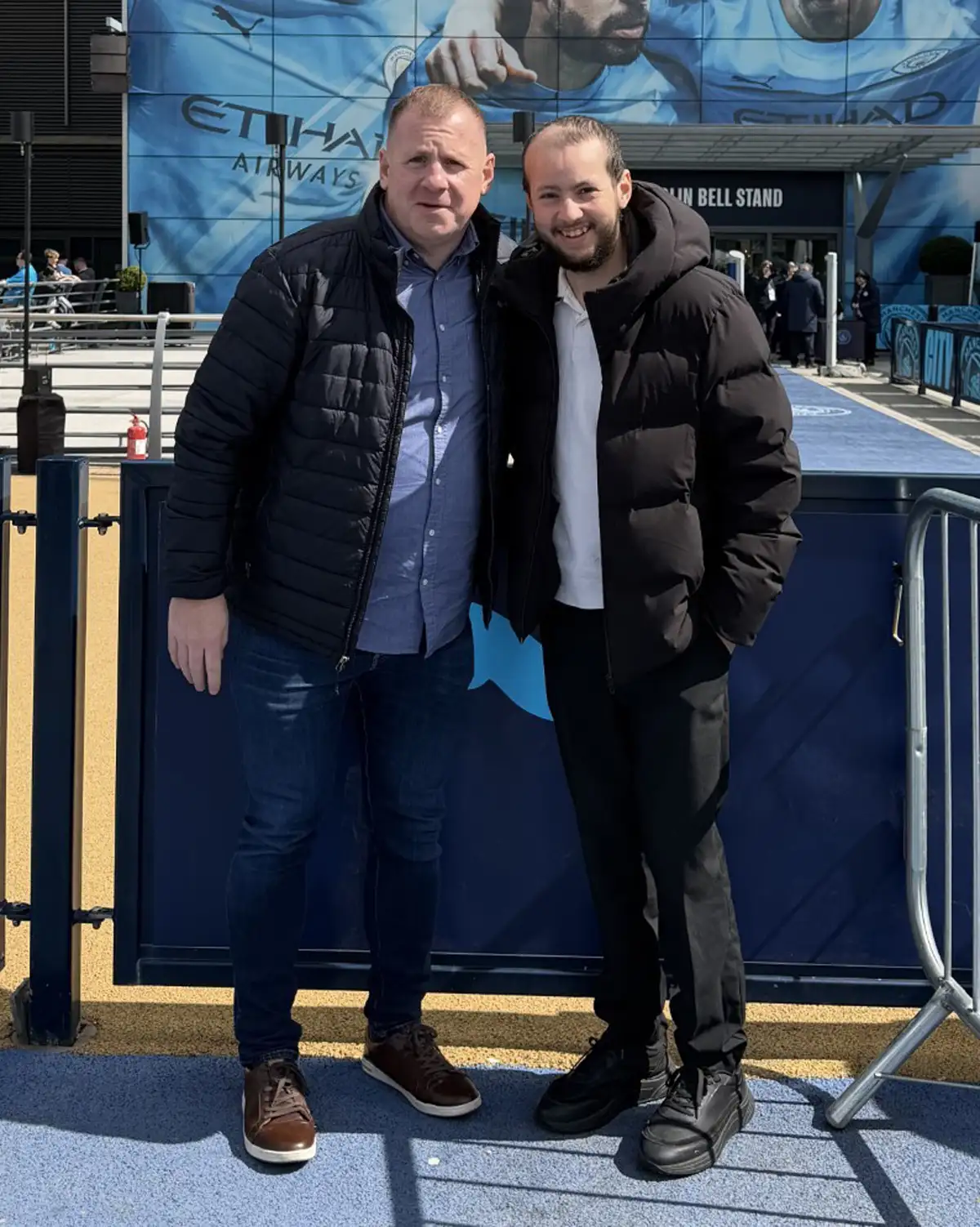
A Family Holding On to Strength
The Harding family has lived through cancer more times than they ever imagined possible.
Each previous battle ended with renewed hope. Conor recovered, returned to life and eventually experienced years in which he finally felt healthy.
Glioblastoma has taken away the expectation of another complete recovery, but it has not taken away the family’s purpose.
Conor is focusing on the people around him.
Trevor is running marathons and raising money for research.
Together, they are speaking about a disease that needs more attention, more funding and more effective treatments.
Their story is filled with grief, but it is also shaped by the life Conor fought so hard to reclaim.
For four years, he was able to live beyond cancer—to play rugby, laugh with friends and experience the normal adolescence he had missed.
Now, as his family faces the possibility of losing him, they are trying to turn those hard-earned years and his latest diagnosis into something lasting.
They cannot rewrite Conor’s prognosis.
But they can demand a future in which the next 21-year-old who hears the words “glioblastoma” is offered more than time—and has the same chance to survive that Conor found four times before.