Bob Denver Heard Two Cast Members Called “The Rest” on ‘Gilligan’s Island’ — Then He Gave CBS an Ultimatum
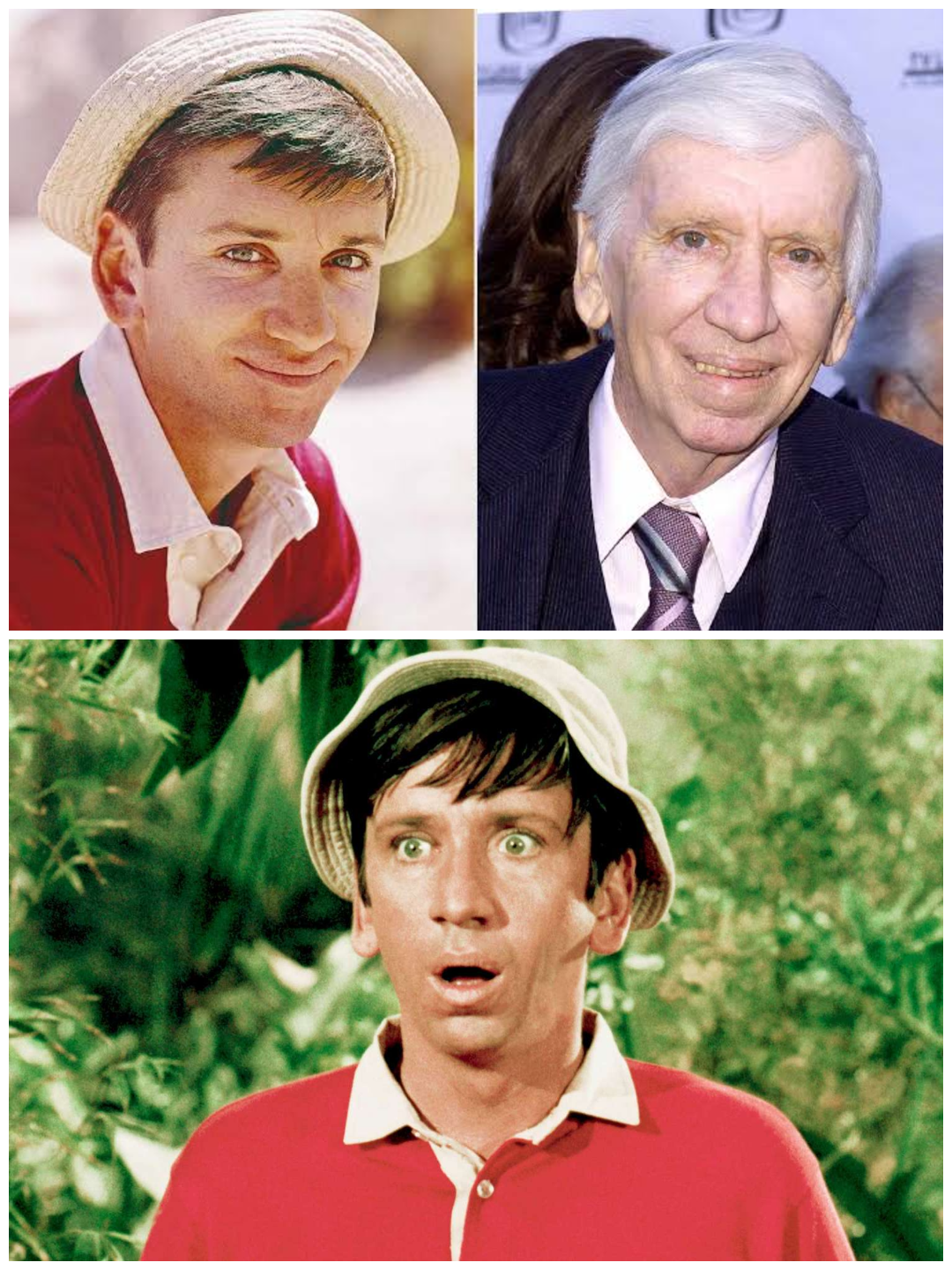
For millions of Americans who grew up watching Gilligan’s Island, the theme song is almost impossible to hear without mentally finishing the lyrics.
The Skipper.
Gilligan.
The millionaire and his wife.
The movie star.
The Professor and Mary Ann.
Seven stranded castaways, all introduced before the opening credits were finished.
But that was not how the song originally worked.
When Gilligan’s Island premiered in 1964, two members of the cast were not considered important enough to be named individually in the theme.
Russell Johnson’s Professor and Dawn Wells’ Mary Ann were reduced to two words:
“And the rest.”
It was a tiny detail that could easily have remained unchanged for the entire series.
Instead, Bob Denver — the actor playing Gilligan and already the star whose name was attached to the show — reportedly decided that it was unfair.
And according to Wells, Denver had something producers could not easily ignore.
He was willing to use his own star billing to force the issue.
As the 21st anniversary of Denver’s death approaches on Sept. 2, the story remains one of the most revealing examples of what he was reportedly like when the cameras were not rolling.
The Theme Song Originally Left Two Castaways Behind
The premise of Gilligan’s Island could hardly have been simpler.
Seven people set out on what was supposed to be a short sightseeing trip aboard the S.S. Minnow.
Then a storm leaves them stranded on an uncharted island.
The series turned that setup into one of television’s most recognizable sitcom formulas.
Bob Denver played the accident-prone Gilligan.
Alan Hale Jr. was the Skipper.
Jim Backus and Natalie Schafer played wealthy couple Thurston and Lovey Howell.
Tina Louise was movie star Ginger Grant.
Russell Johnson played the Professor, while Dawn Wells played Mary Ann Summers.
Today, it feels natural to think of all seven as a single ensemble.
But the first-season opening credits created a clear divide.
After identifying several of the characters, the theme ended by referring to Johnson and Wells simply as “the rest.”
For audiences hearing the song today, that wording can sound surprisingly dismissive.
These were not background extras.
The Professor repeatedly became the person everyone relied on to solve impossible technical problems.
Mary Ann became one of the show’s most beloved characters.
Yet neither actor initially received the same recognition in the theme song as the other castaways.
Bob Denver noticed.
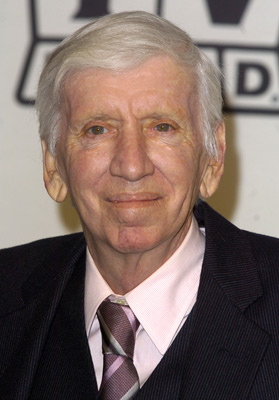
Denver Thought “The Rest” Wasn’t Fair
Dawn Wells later recalled that Denver objected to the arrangement.
He believed Johnson and Wells deserved to be named.
That distinction mattered because television billing was not merely cosmetic. Credits reflected contracts, hierarchy and an actor’s perceived importance to a production.
Changing them could therefore become much more complicated than simply rewriting a lyric.
According to Wells’ account, when the issue was raised, the studio pointed toward contractual limitations.
The existing arrangement apparently was not something producers could casually change without creating complications.
That might have ended the conversation.
Denver, however, had leverage of his own.
Because he was the star of the series, his contract gave him influence over where his own name appeared in the credits.
And he was apparently prepared to use that power.
Wells said Denver essentially made the producers a choice: if Johnson and Wells could not receive proper billing, then he would change how his own billing was handled.
It was a remarkable position for the star of a television series to take.
He was not bargaining for a larger trailer.
He was not asking for more screen time.
He was using his status to help two fellow actors receive recognition.
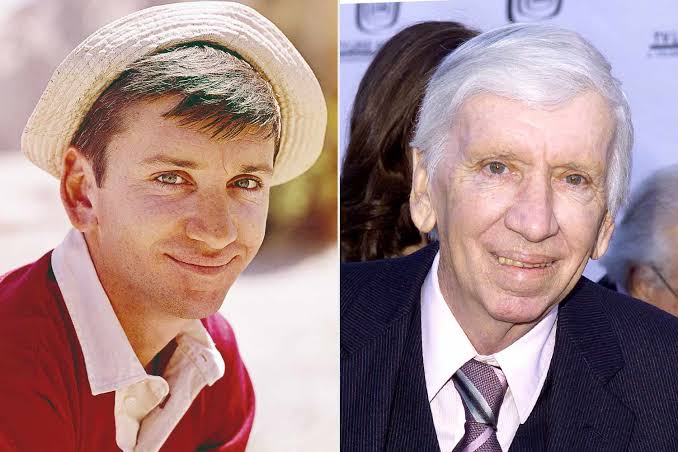
Then Season 2 Changed the Words
When the second season arrived, viewers heard something different.
Gone was the anonymous phrase “and the rest.”
In its place were the words that generations of viewers would eventually know by heart:
“The Professor and Mary Ann.”
It sounds almost insignificant now.
Two character names added to a television theme song.
But the change altered the way the cast was presented to America.
Johnson and Wells were no longer an afterthought.
All seven castaways were finally introduced as part of the same group.
And because Gilligan’s Island went on to become enormously popular in reruns, the revised version of the theme song became the one many viewers remembered most clearly.
That may be why people who discover the first-season lyrics decades later are often surprised.
For them, “the Professor and Mary Ann” feels as essential to the theme as “the millionaire and his wife.”
But those words had to be added.
And according to Wells, Denver was the person who pushed hardest to make it happen.
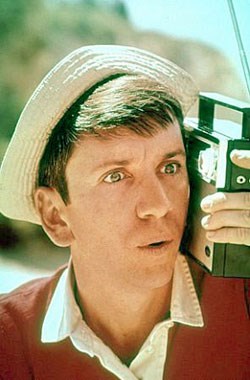
Mary Ann Became Far More Than “The Rest”
The irony became even greater as the series developed a life far beyond its original network run.
Mary Ann emerged as one of the defining characters of Gilligan’s Island.
Her friendly, down-to-earth personality contrasted with Ginger’s glamorous movie-star image and made her especially popular with viewers.
The Professor became equally indispensable.
Almost every impossible island problem seemed to require his scientific expertise.
He could construct astonishing devices out of whatever happened to be available — even if, as fans often joked, he somehow never managed to repair the Minnow well enough to get everyone home.
The two characters who had once been grouped together as “the rest” became central parts of the show’s identity.
Decades later, fans were still debating Ginger versus Mary Ann, quoting the theme and remembering the Professor’s elaborate inventions.
Television history had effectively proven Denver’s point.
They deserved their names.
Gilligan Became an American TV Fixture
The original Gilligan’s Island series ran for only three seasons, from 1964 to 1967.
Yet its cultural life lasted far longer.
Syndicated reruns introduced the show to generations who had not been alive during its original broadcast.
Children watched it after school.
Parents watched it with them.
The premise was simple enough that viewers could enter almost any episode without knowing what happened before.
And at the center was Denver.
Gilligan was clumsy, innocent and frequently responsible for destroying some promising plan to escape the island.
But Denver made the character difficult to dislike.
His physical comedy and gentle screen presence helped turn Gilligan into one of the most recognizable sitcom characters of the era.
That is partly why the theme-song story remains so fitting.
The character Gilligan was rarely the most powerful person in any room.
Bob Denver, however, understood exactly how much influence he had behind the scenes.
And on at least one occasion, he reportedly used it for someone else.
Remembering Bob Denver 21 Years Later
Denver died on Sept. 2, 2005, at age 70.
This Sept. 2 marks 21 years since his passing.
His career included much more than Gilligan’s Island, including his memorable role as Maynard G. Krebs on The Many Loves of Dobie Gillis.
But Gilligan became the character permanently attached to his name.
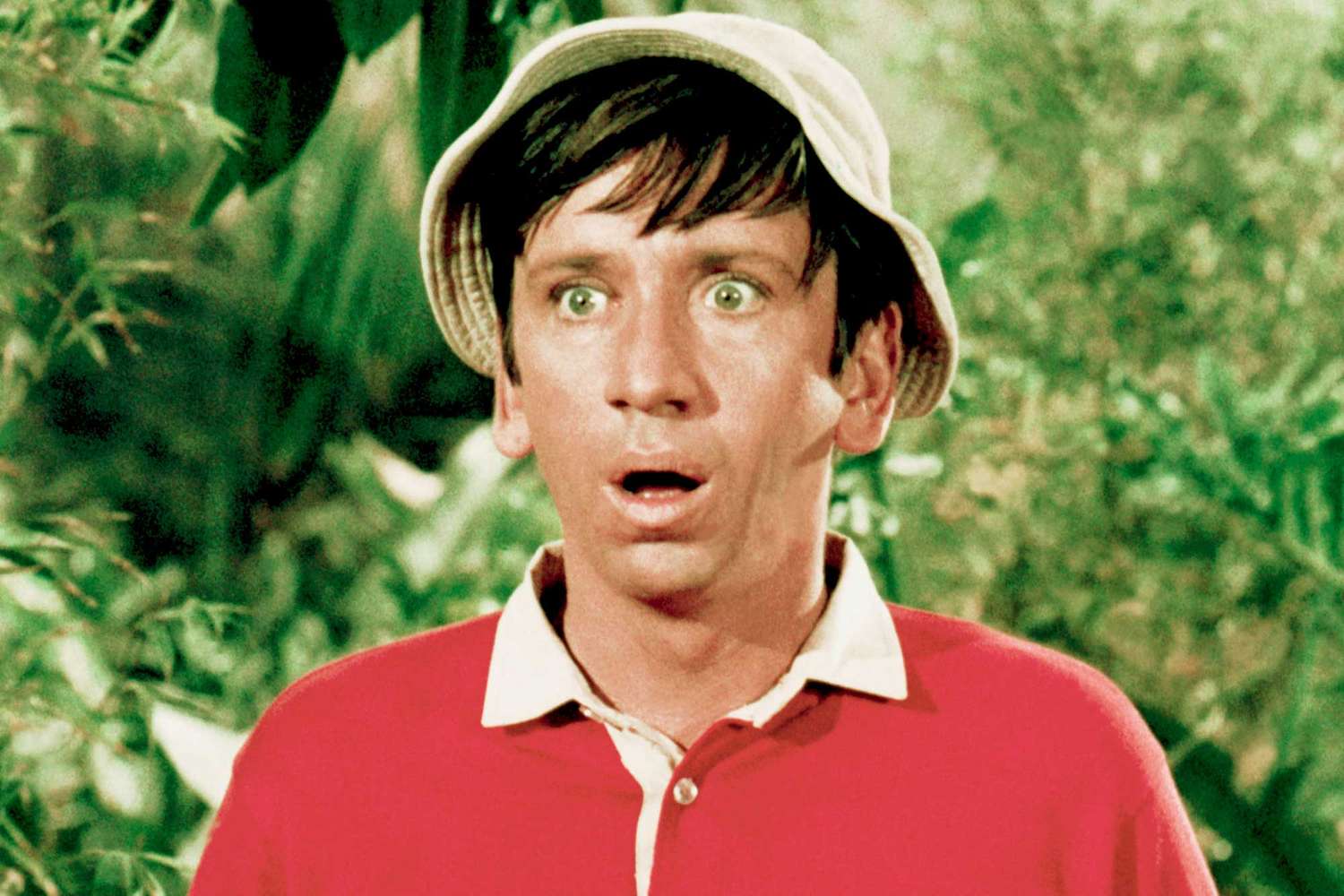
Even decades after the sitcom ended, the white sailor hat and red shirt remained instantly recognizable.
So did the theme song.
That makes the small battle behind its lyrics especially meaningful.
During the first season, Russell Johnson and Dawn Wells could literally hear themselves reduced to “the rest” every week.
Denver apparently decided that was not good enough.
When contractual explanations threatened to preserve the status quo, he used the strongest piece of leverage he possessed: his own starring credit.
By Season 2, two names had been added.
“The Professor and Mary Ann.”
Millions of viewers would sing those words for decades without knowing why they had appeared.
For Bob Denver, however, the change was apparently about something much simpler.
If seven people were stranded on that island together, all seven deserved to be recognized.