She Was 19 With a College Future Ahead — Then Baylee Laine Chose to Become Mom to Her 4 Younger Siblings
By her senior year of high school, Baylee Laine had a plan.
She was going to leave.
After years of instability surrounding her family, she wanted the kind of future many teenagers dream about: college, softball, independence and enough distance to finally build a life that belonged to her.
She had earned a full scholarship to play softball. Moving away offered something even more valuable than an education.
It offered an escape.
Then one thought changed everything.
If Baylee left, what would happen to the four younger siblings she had spent years helping care for?
She knew what their childhood looked like because she had already lived through much of the same chaos.
And suddenly, leaving no longer felt like freedom.
Baylee made a decision that would radically alter her life: she would stay.
More than that, she would fight to keep the children together.
At 19, while many people her age were deciding on majors and dorm rooms, Baylee became a foster parent to four younger siblings.
Two years later, at only 21, she legally adopted all four.
Years of court battles, exhaustion and fear followed before the family finally reached something Baylee says had once seemed almost impossible.
Peace.
She Had Been Caring for Children While Still a Child Herself
Baylee, now 28, has described a childhood marked by family instability.
Her parents separated when she was young and later divorced. Child Protective Services became involved when she was around 8.
Her father eventually gained custody of Baylee and one of her brothers, while her mother went on to have four more children.
Baylee continued visiting her mother, particularly when babies arrived and extra help was needed.
That increasingly placed her in a role no teenager should have been expected to carry.
Instead of simply spending summers with friends or focusing on softball, Baylee found herself helping raise younger children.
Eventually, it became overwhelming.
When her mother became pregnant with twins, Baylee reached a breaking point.
She had worked hard at softball and had an opportunity to pursue it in college. She began wondering what would happen to her own future if she continued organizing her life around problems she had not created.
By senior year, her decision seemed clear.
She would go to school out of state.
She would play softball.
She would finally get away.
Then she pictured the children she would be leaving behind.
“These kids are going to be all alone,” she remembered thinking.
So the teenager who had spent years wanting an exit made the opposite choice.
She stayed.
Staying Was Only the Beginning of the Fight
Deciding to care for her siblings did not automatically give Baylee the legal power to do it.
She needed to prove that a teenager could provide a stable home for four children.
That meant money.
Legal help.
Paperwork.
Court proceedings.
And an extraordinary amount of persistence.
Baylee attended community college and worked. At one point, she was juggling two jobs and putting her own money toward the effort.
Her teenage friends helped too, donating what they could. A fundraising campaign and support through friends, relatives and people around the family eventually brought in close to $10,000.
She also worked closely with a paralegal as she tried to navigate a system that had little reason to assume someone barely out of high school could suddenly raise four children.
The process stretched on for roughly two years.
Baylee even recalled sleeping in the paralegal’s office during the custody fight as they worked to demonstrate that she could handle the responsibility.
She was not merely trying to become an older sister with temporary custody.
She was trying to convince the system that she could become the stable parent her siblings needed.
Then, on Oct. 25, 2017, everything became real.
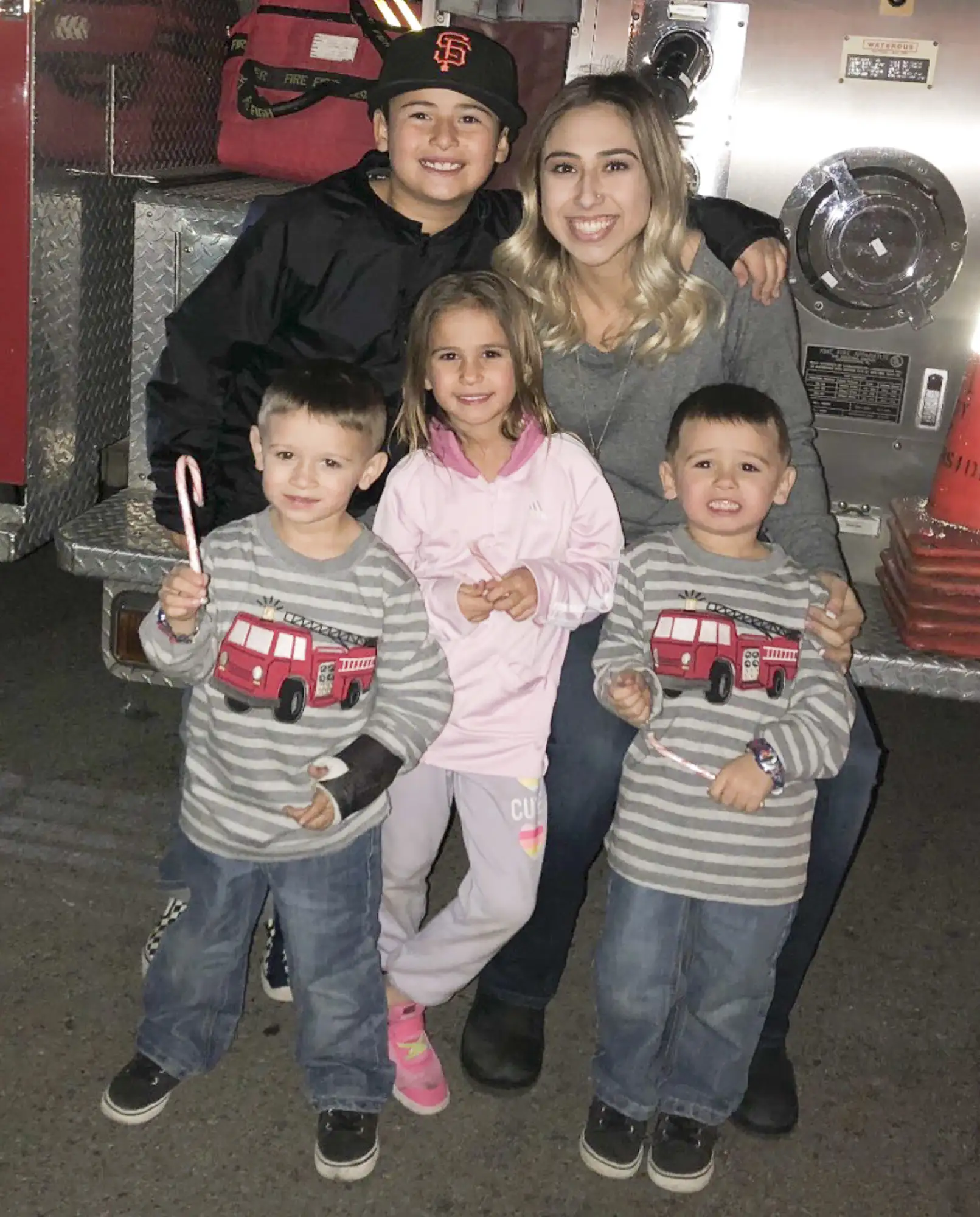
CPS brought the children to her home.
Baylee was 19.
From that moment, she said, she was effectively in full-time “mom mode.”
There Was No Magical Happy Ending
Getting the children under one roof solved one enormous problem.
It did not erase what they had experienced.
Baylee has been unusually open about that part of the story.
Taking custody did not immediately create a peaceful home filled with grateful children who suddenly understood they were safe.
The younger kids carried trauma with them.
They were frightened of separation and deeply attached to Baylee.
At times, they did not want to leave her side. Even ordinary activities could become difficult because being apart triggered fear.
Baylee herself was struggling too.
Looking back, she said she became almost robotic during that period.
There was simply too much to do.
Food had to be provided.
Children had to be cared for.
Legal requirements had to be followed.
School and work had to somehow fit around a family that suddenly depended on her for almost everything.
She eventually paused college and gave up softball as caring for the children became overwhelming.
The twins were too young for the preschool options available through the state, making continuing school especially difficult.
The future she had once imagined for herself had effectively disappeared.
But her siblings were together.
For Baylee, that was the choice she had made.
At 21, She Officially Became Their Parent
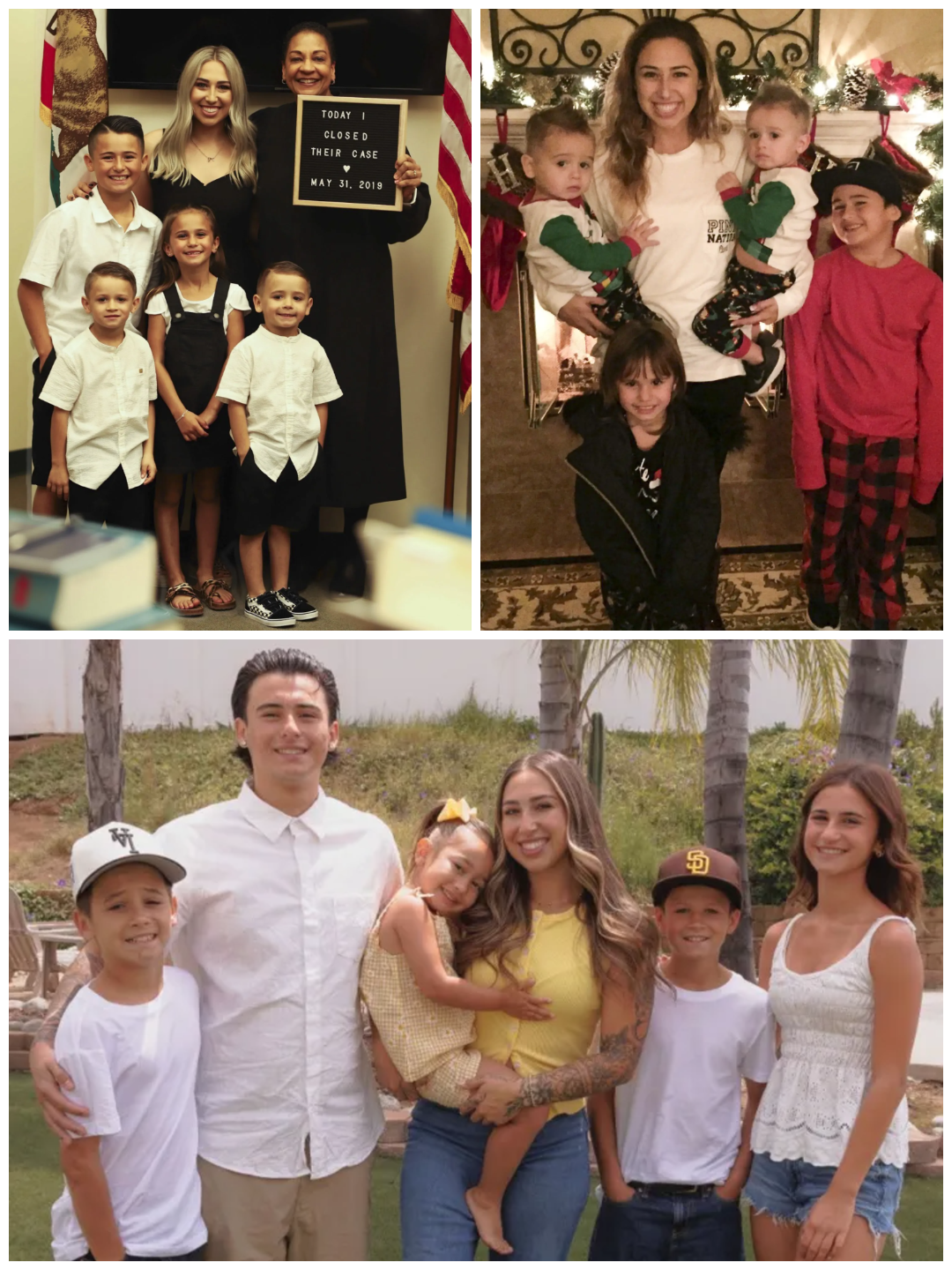
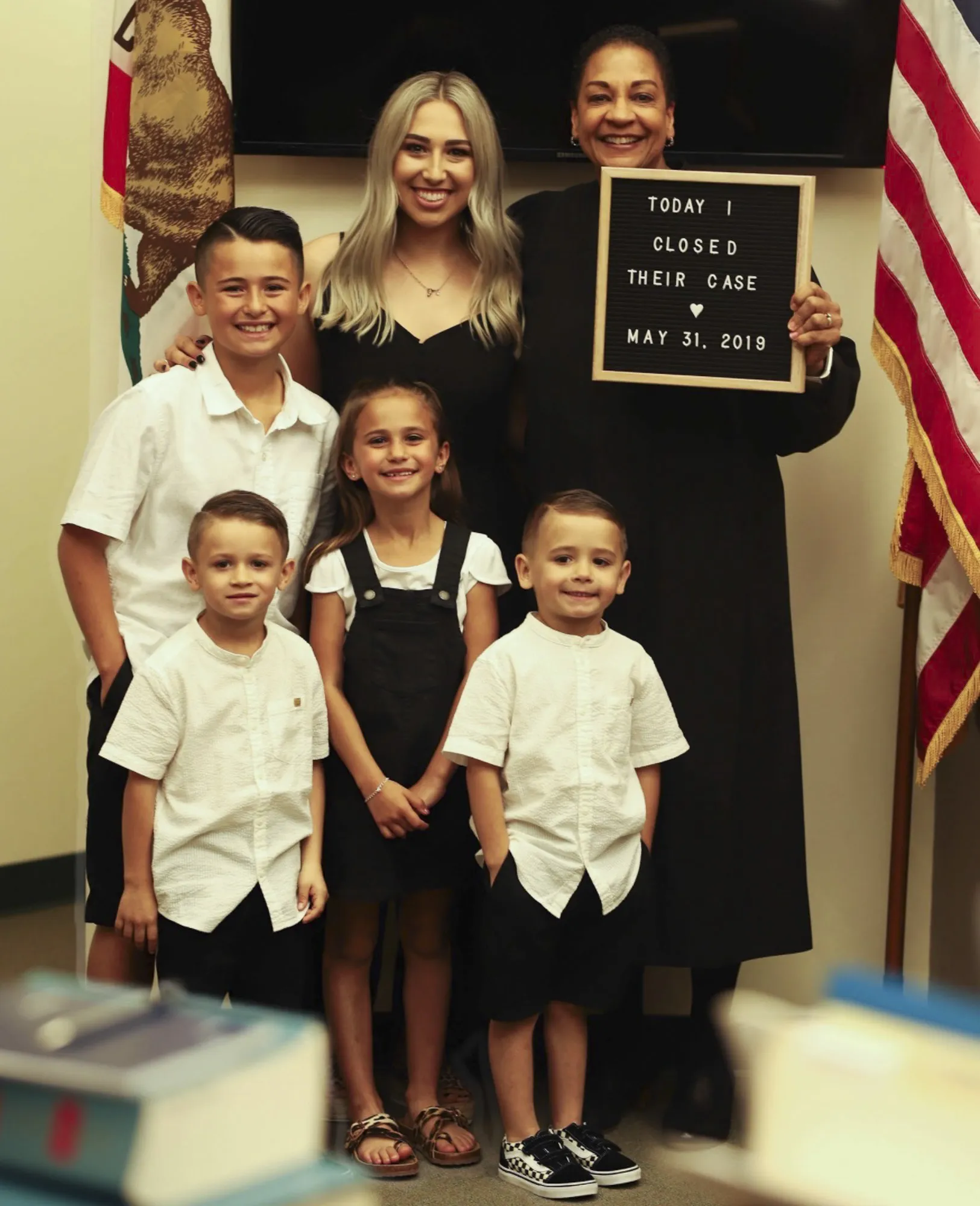
Two years after the children entered her care, Baylee adopted all four.
She was only 21.
The legal adoption did not dramatically change the practical details of their daily routine. She had already been functioning as their mother.
Emotionally, however, it changed something enormous.
Before the adoption, their lives remained tied to court dates, visitation schedules, state requirements and the possibility that circumstances could change.
Baylee felt constant pressure to prove herself.
One mistake could feel enormous because she believed people were watching to see whether someone so young was truly capable of raising four children.
Once the adoption was finalized, the family finally belonged to itself in a way it had not before.
There were fewer outside schedules controlling their lives.
The uncertainty began to loosen.
They could start thinking less about the next court proceeding and more about simply being a family.
Still, the fear did not disappear overnight.
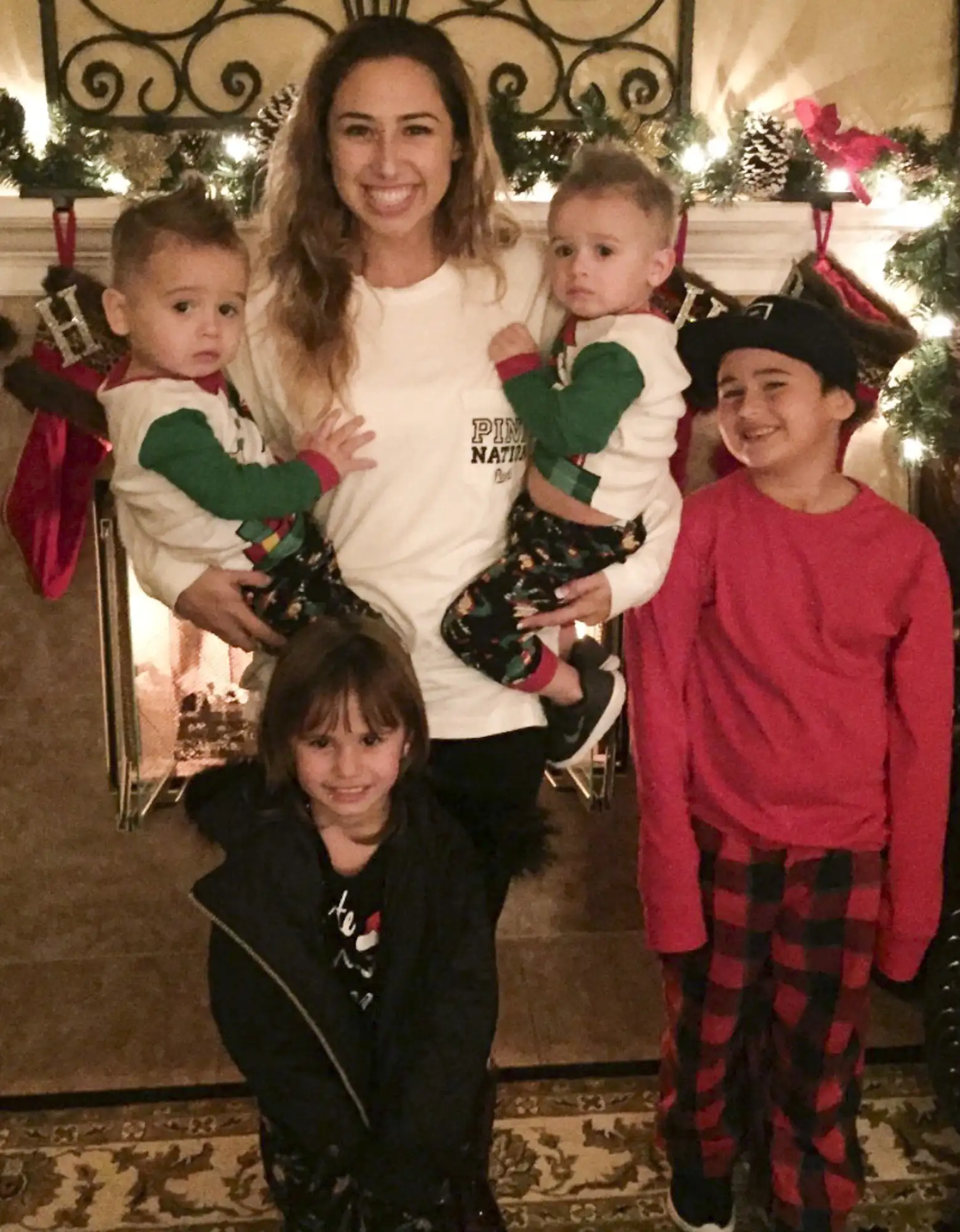
The Strangest Period Finally Made Them Feel Safe
Ironically, the moment Baylee remembers as bringing the family its greatest sense of calm arrived during a period when much of the world felt anything but calm.
In 2020, COVID-19 restrictions kept the family home together.
For countless families, isolation was frightening and disruptive.
For Baylee and her siblings, something unexpected happened.
Nobody was coming and going.
There were fewer outside interruptions.
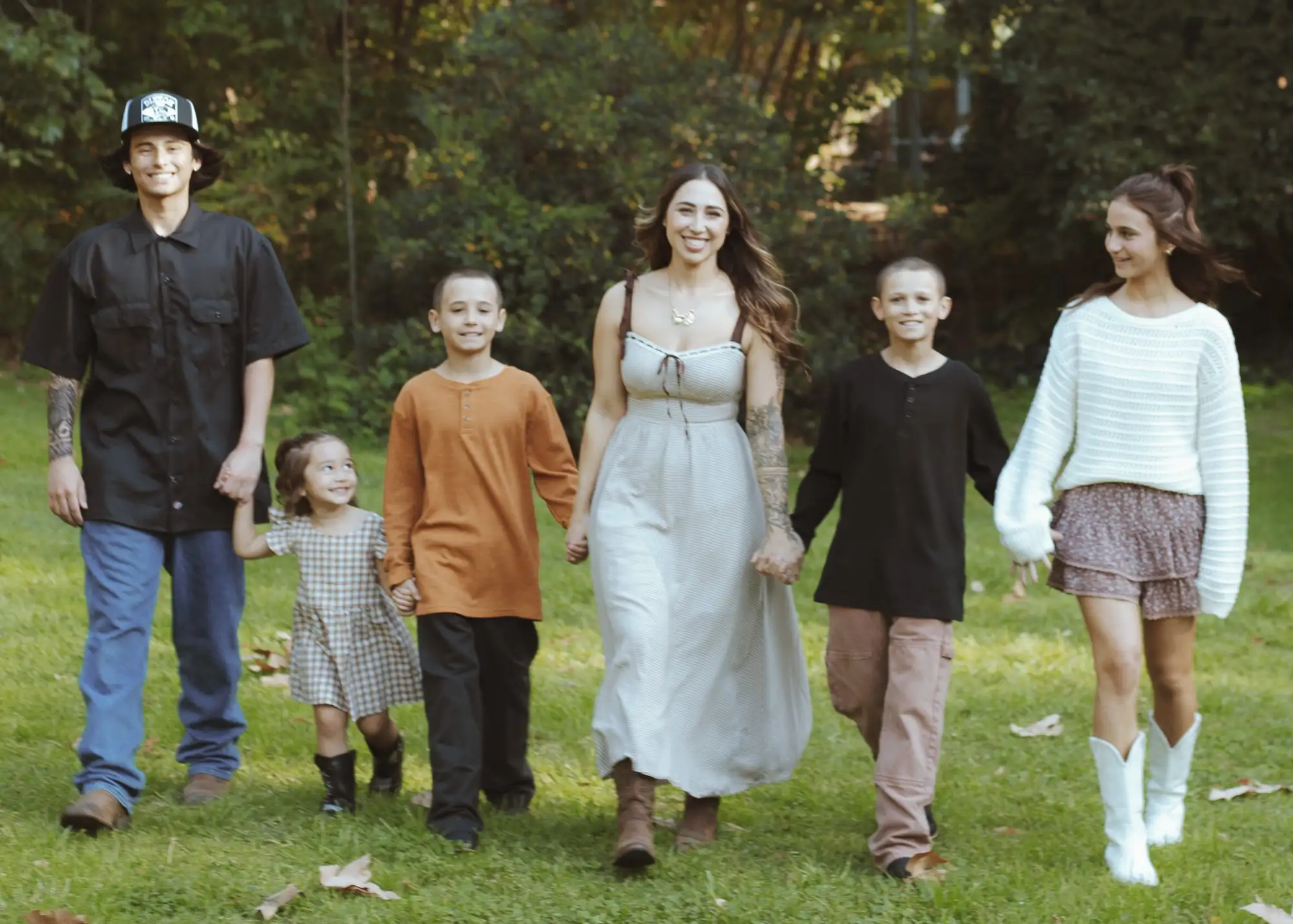
They spent their days together and took walks at night.
Most importantly, the children gradually stopped feeling as though someone might suddenly arrive and take them away.
That fear had followed them through foster care.
Was this home permanent?
Would CPS return?
Would a parent appear?
Would everything change again?
During those quiet months together, Baylee said the family finally experienced “true peace.”
They were home.
Together.
And for the first time, that began to feel permanent.
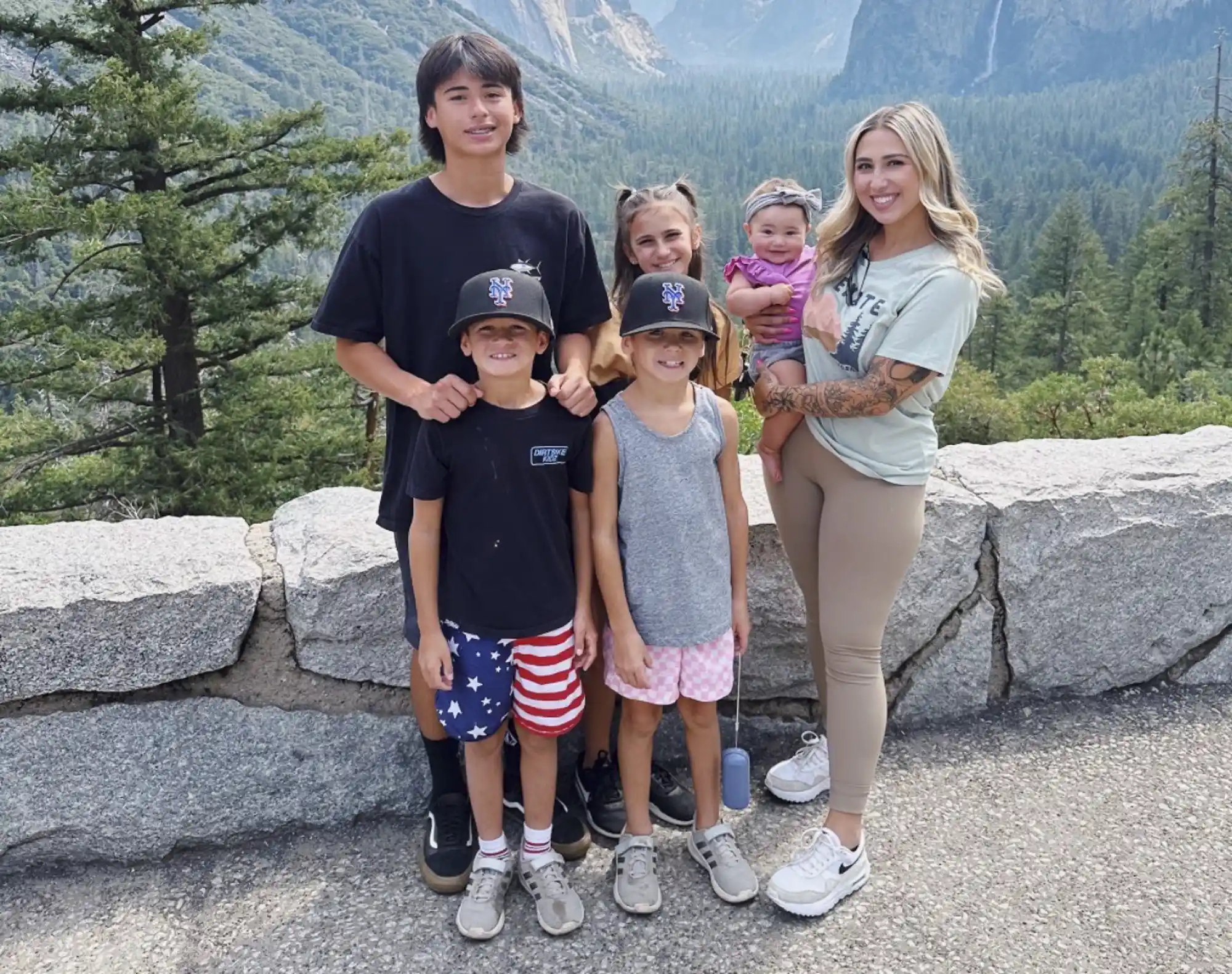
Their Story Found Millions of People Years Later
Baylee eventually built a larger family life around the decision she made as a teenager.
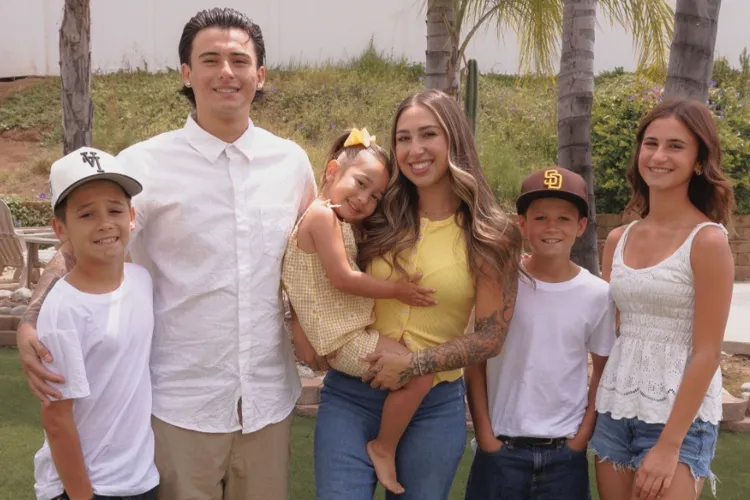
Her four adopted siblings are now older — a teenage brother, a teenage sister and twins approaching their teen years.
Baylee has also welcomed a biological daughter, now 3.
Then, years after the custody battle that changed all of their lives, she decided to share their story online.
Inspired by a TikTok trend, Baylee posted photographs documenting the family from those early years through the present.
The response was enormous.
The video reached roughly 6 million views.
But what surprised her was not simply the number.
People began telling Baylee that they had lived versions of the same story.
Some were siblings raising siblings.
Others were aunts or grandparents who had stepped in when children needed them.
People asked her for advice about whether they could do what she had done.
For Baylee, those messages provided an unexpected kind of validation.
For years, her family structure could have felt unusual.
Now she was hearing from thousands of people who understood that families do not always form in the traditional way.
Sometimes a sister becomes a mother.
Sometimes a teenager gives up the path she thought she wanted because four younger children need somewhere safe to land.
She Chose Them Before She Knew How
Baylee does not pretend her decision offers a simple blueprint for anyone else.
Her situation was complicated.
The legal fight was difficult.
The financial burden was real.
And loving children who had experienced instability did not magically erase their trauma.
But the most remarkable part of her story may be how early the decision came.
She did not have a perfect plan.
She was still a teenager herself.
She knew only that she could leave — and that leaving might mean four younger children would face the future without the person who had spent years looking out for them.
So she stayed.
At 19, she became their foster parent.
At 21, she became their legal mother.
And years later, the family that once lived with the constant fear of being separated can finally look back on a very different reality.
Baylee had once dreamed of escaping her childhood.
Instead, she stayed long enough to give four other children the safe home she had wanted for herself.