Dolly Parton’s Father Used to Visit Her Statue at Night With a Bucket of Wate
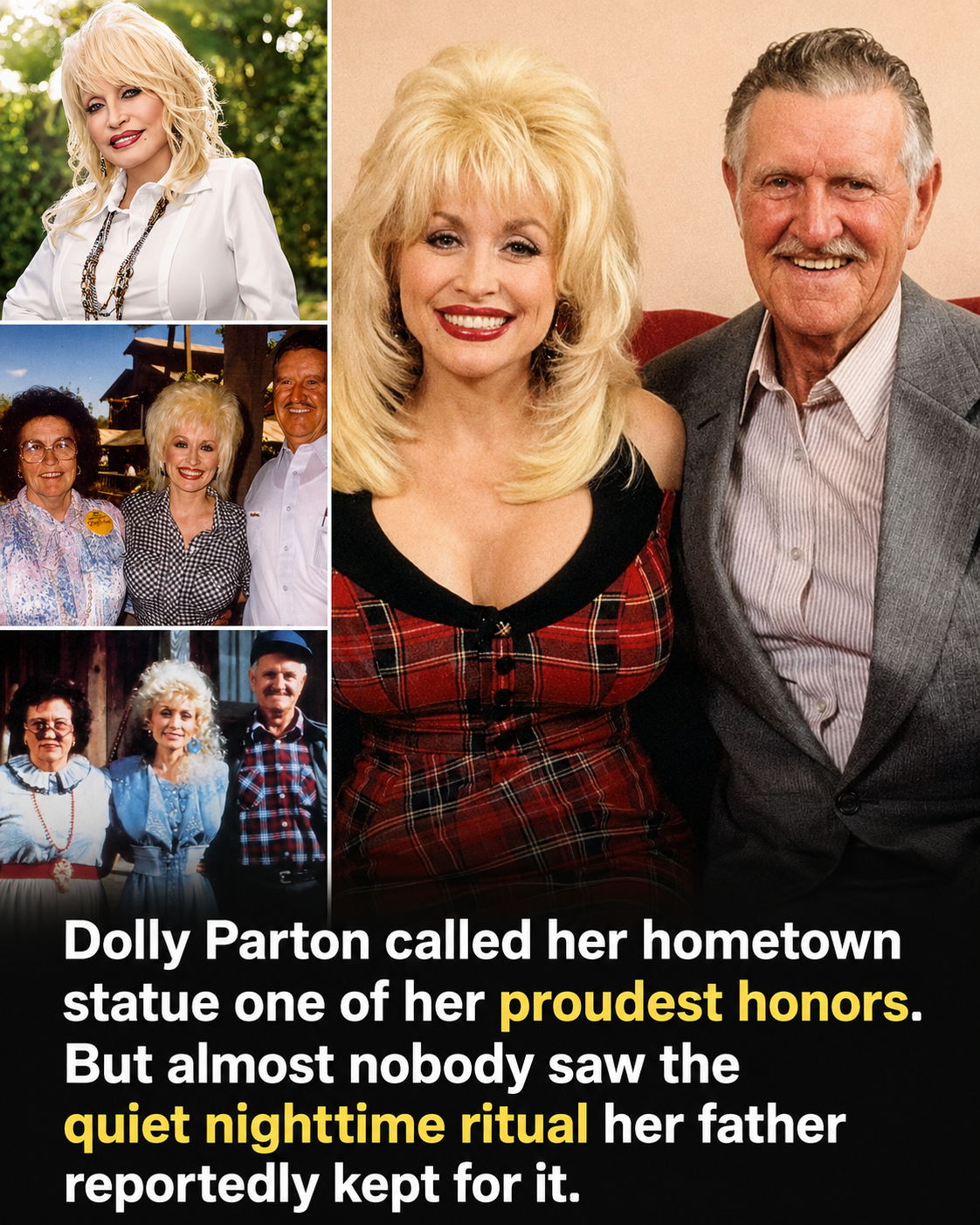
Dolly Parton spent most of her life receiving honors that would have seemed almost unimaginable when she was growing up in the mountains of East Tennessee.
She won major music awards.
She became a movie star.
She sold millions of records.
Her name appeared on a theme park, businesses, books and projects that reached far beyond country music.
But one of the honors that meant the most to her was much closer to home.
In 1987, Dolly’s hometown of Sevierville, Tennessee, unveiled a bronze statue of her outside the Sevier County Courthouse.
For Dolly, it was deeply personal.
This was not Hollywood recognizing her.
It was not Nashville.
It was the community that knew where she had come from.
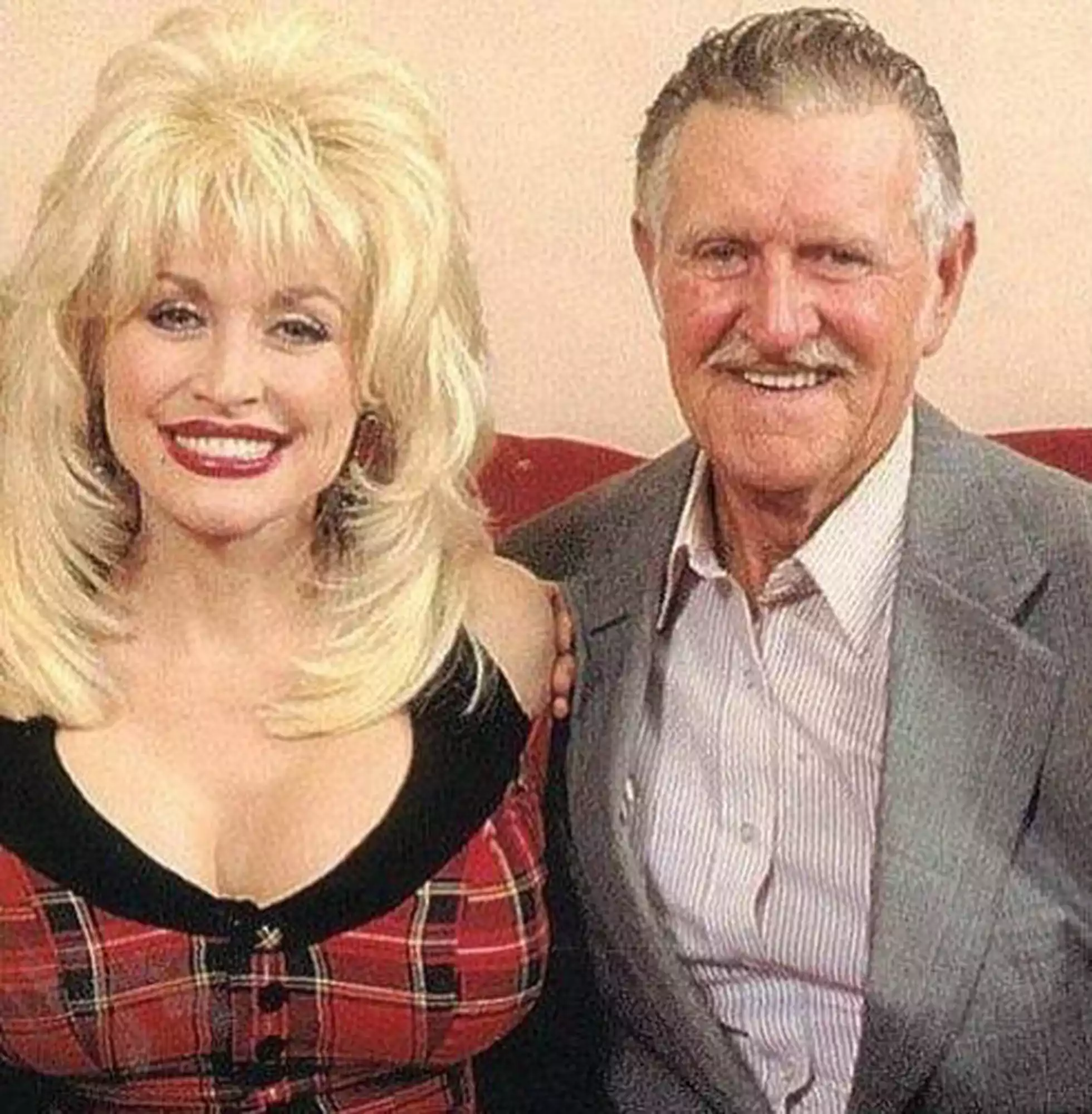
And apparently no one was more quietly proud of that statue than her father, Robert Lee Parton.
He was not a man known for grand speeches or flashy expressions of emotion.
Instead, Dolly later learned that he had developed his own private ritual.
At night, when almost nobody was around, he would reportedly go to the statue carrying a bucket of water and something to wipe it down.
Then he would clean his daughter’s likeness himself.
The Statue Was Different From an Award
Dolly had already achieved enormous success by the time Sevierville honored her.
She had long since moved beyond being simply a country singer from Tennessee.
Songs like “Jolene,” “Coat of Many Colors” and “I Will Always Love You” had become part of her identity.
She had crossed into movies with films such as 9 to 5.
Her image was instantly recognizable.
But a hometown statue carried a different emotional weight.
Sevierville was part of the world that shaped her.
Dolly had grown up in poverty in nearby Locust Ridge as one of 12 children.
Her family had very little money.
Her father worked constantly to support the household.
The future superstar grew up in circumstances that looked nothing like the rhinestones, elaborate costumes and international fame that eventually defined her public image.
That contrast made the statue extraordinary.
A girl from a poor mountain family had become important enough that her hometown wanted her permanently represented in bronze.
Dolly later described the honor as one of the things that made her especially proud.
Her father apparently felt the same way.
He just showed it differently.
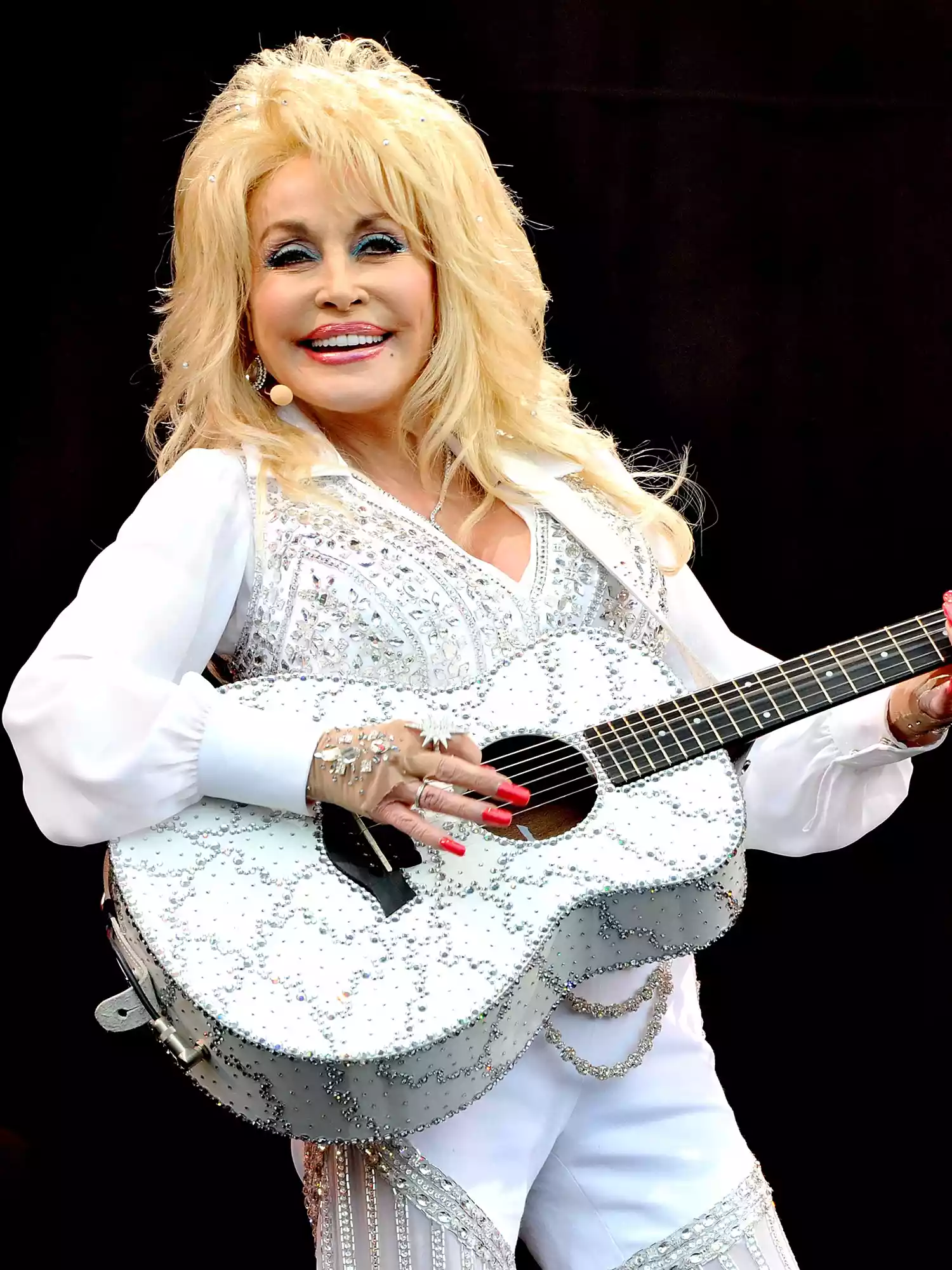
Robert Lee Parton Was Not Impressed by Celebrity
Dolly often described her father with enormous affection.
Robert Lee Parton was hardworking, practical and deeply devoted to his family.
He had limited formal education, something Dolly later connected to one of the most important charitable efforts of her life.
Her Imagination Library, which grew into an enormous childhood literacy program, was partly inspired by her father’s struggles with reading and writing.
Dolly frequently said that her father was one of the smartest people she knew despite not having had the educational opportunities he deserved.
He also came from a world where fame could seem distant and strange.
Dolly might be receiving applause from thousands of people, but Robert Lee still knew her as his daughter.
He was not interested in the glamour surrounding celebrity.
That is what makes the story of the statue so revealing.
He did not need to tell everyone how proud he was.
He simply took care of it.
He Went There After Dark
Outdoor statues have one unavoidable problem.
Birds.
Dolly later recalled learning that her father would quietly visit the statue at night to clean it.
He would bring water and cleaning supplies and wipe away the mess birds had left behind.
The image is almost absurdly charming.
Here was a bronze monument honoring one of the most famous women in country music.
And after dark, her father was apparently showing up with a bucket because he did not want his daughter’s statue looking dirty.
He did not turn it into a public performance.
There were no cameras waiting.
He did not call reporters.
Dolly apparently did not even know about the routine at first.
She heard about it later.
That is precisely why the story stayed with her.
It Was Pride Without a Speech
Parents show pride in different ways.
Some brag about their children.
Some save newspaper clippings.
Some display trophies and photographs throughout the house.
Robert Lee Parton apparently cleaned a statue.
For a man Dolly often described as reserved and practical, the gesture made sense.
The statue represented something enormous.
His daughter had gone from the family’s small mountain home to becoming a person her hometown wanted to honor permanently.
But rather than stand beside the statue and tell strangers how proud he was, he took responsibility for keeping it presentable.
The act was almost like maintaining something belonging to the family.
If the birds made a mess, he cleaned it.
No ceremony required.
Dolly Never Separated Success From Home
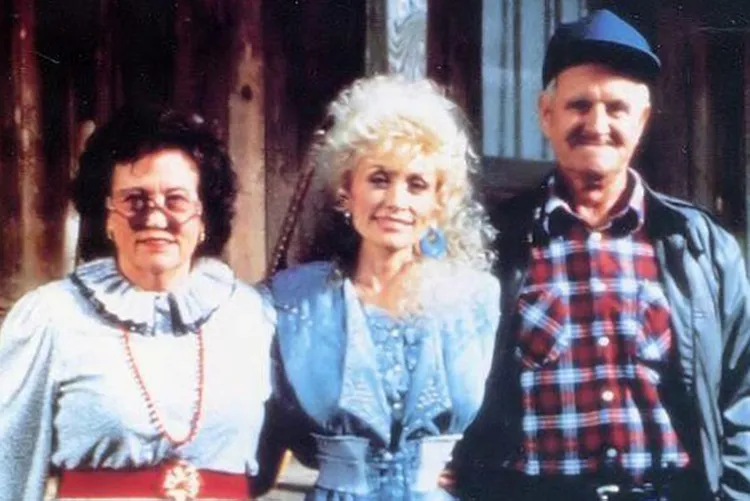
Stories like this help explain why Dolly continued talking so much about her childhood even after reaching levels of fame few entertainers ever experience.
She did not treat her early life as something embarrassing that had to be left behind.
She turned it into songs.
She spoke openly about poverty.
She built Dollywood near the place she grew up.
She created projects that benefited children and families in the region.
And she repeatedly returned to the idea that success mattered most when it remained connected to the people and places that had formed her.
The statue embodied that relationship.
It stood in Sevierville, not New York or Los Angeles.
Tourists could visit it.
Local residents could walk past it.
And Dolly’s own father reportedly became one of its unofficial caretakers.
The Humor Made the Story Even More Dolly
Dolly always had a gift for telling emotional stories without making them overly sentimental.
She could move from a serious memory to a joke almost instantly.
The statue story fit her perfectly because it contained both.
On one level, it was funny.
The father of an international superstar was sneaking around after dark cleaning bird droppings from a bronze statue.
But the humor did not erase the emotion underneath.
It made it stronger.
Robert Lee did not have to say, “I am proud of what my daughter accomplished.”
His actions already said it.
He cared enough to notice when the statue needed attention.
He cared enough to bring water.
And he cared enough to do the job himself.
The Statue Became a Different Kind of Family Monument
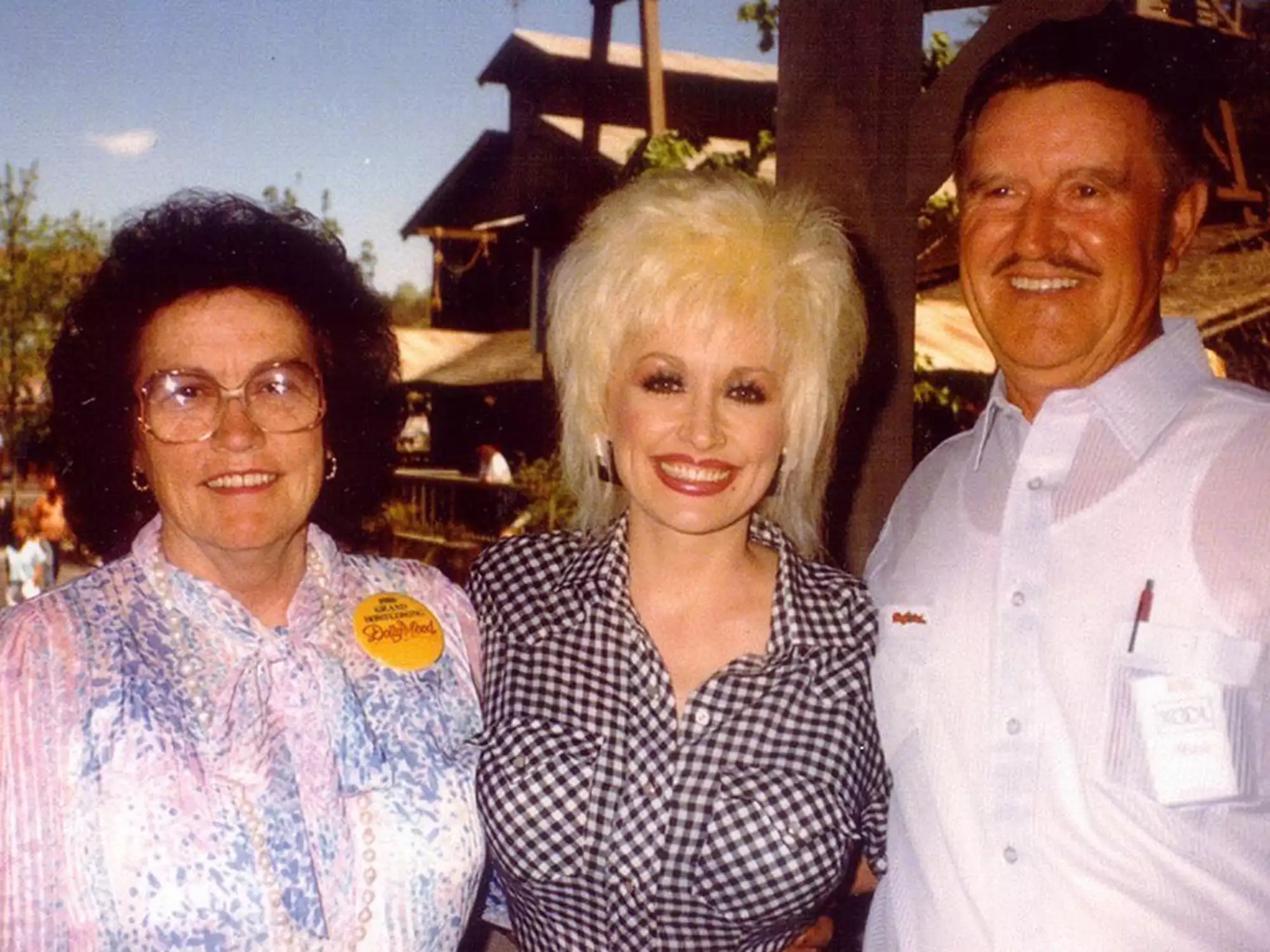
Over the years, the Sevierville statue became a popular stop for Dolly fans.
Visitors posed for photographs beside it.
It became one more physical link between Dolly’s extraordinary career and the Tennessee community where her story began.
But for Dolly, the bronze figure carried a private memory most visitors could never see.
When she looked at the statue, she could remember not only the day her hometown honored her.
She could remember what her father did afterward.
He came when the crowds were gone.
He carried a bucket.
He cleaned his daughter’s statue.
And then, presumably, he went home.
There is no Grammy ceremony in that story.
No red carpet.
No television cameras.
Just an old-fashioned expression of parental pride from a man who preferred actions to attention.
Dolly Parton received countless honors during her life.
But few stories capture what those honors meant to her family as beautifully as the sight of Robert Lee Parton quietly caring for one of them after dark.
The public built Dolly Parton a legend.
Her father just wanted to make sure the birds did not ruin the statue.