Whitney Houston Earned Dolly Parton About $10 Million — What Dolly Did With the Money Made the Story Even More Remarkable
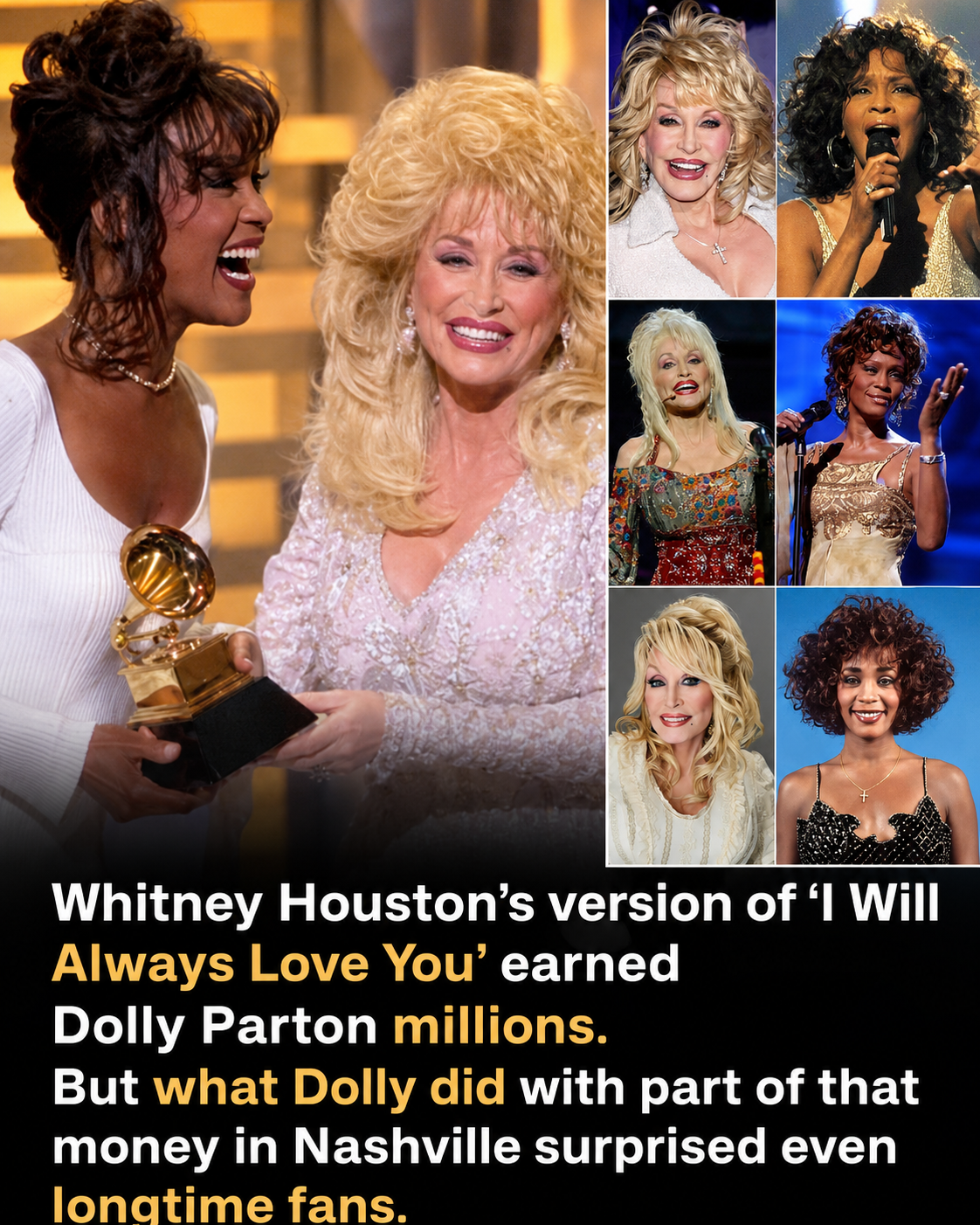
When Whitney Houston recorded “I Will Always Love You,” she did far more than turn a country ballad into one of the biggest pop recordings of the 1990s.
Her version also created an extraordinary financial windfall for the woman who had written the song nearly two decades earlier: Dolly Parton.
Houston’s recording became a worldwide phenomenon, introducing Parton’s composition to an enormous new audience and reportedly generating roughly $10 million in publishing royalties for Dolly during the 1990s.
For many songwriters, that would be the end of the story.
A beloved song gets covered by a superstar. The cover becomes a historic hit. The original writer earns millions.
But Dolly Parton did something with part of that money that gave the success of “I Will Always Love You” another layer of meaning.
She invested some of those earnings in a Nashville property located in a historically Black area of the city.
And when Dolly later talked about the purchase, she connected it directly to Whitney Houston.
She affectionately thought of it as “the house that Whitney built.”
A Song Dolly Never Expected to Become This Big
Parton originally wrote “I Will Always Love You” in the early 1970s.
The song came from a deeply personal professional moment in her life. Dolly had been working closely with country music star Porter Wagoner, whose television program and partnership had played a major role in helping introduce her to a national audience.
But as Dolly’s own career grew, she wanted to move forward independently.
Their professional separation was difficult.
Instead of trying to explain everything through an argument or a business conversation, Dolly expressed what she was feeling in the language she understood best.
She wrote a song.
“I Will Always Love You” was not originally conceived as a romantic declaration between two lovers. At its heart, it was a farewell — an expression of gratitude, affection and the painful realization that two people sometimes need to take different paths.
Parton recorded the song herself, and it became an important part of her career.
Years later, however, the song would experience an entirely different life.
Whitney Houston Changed Everything
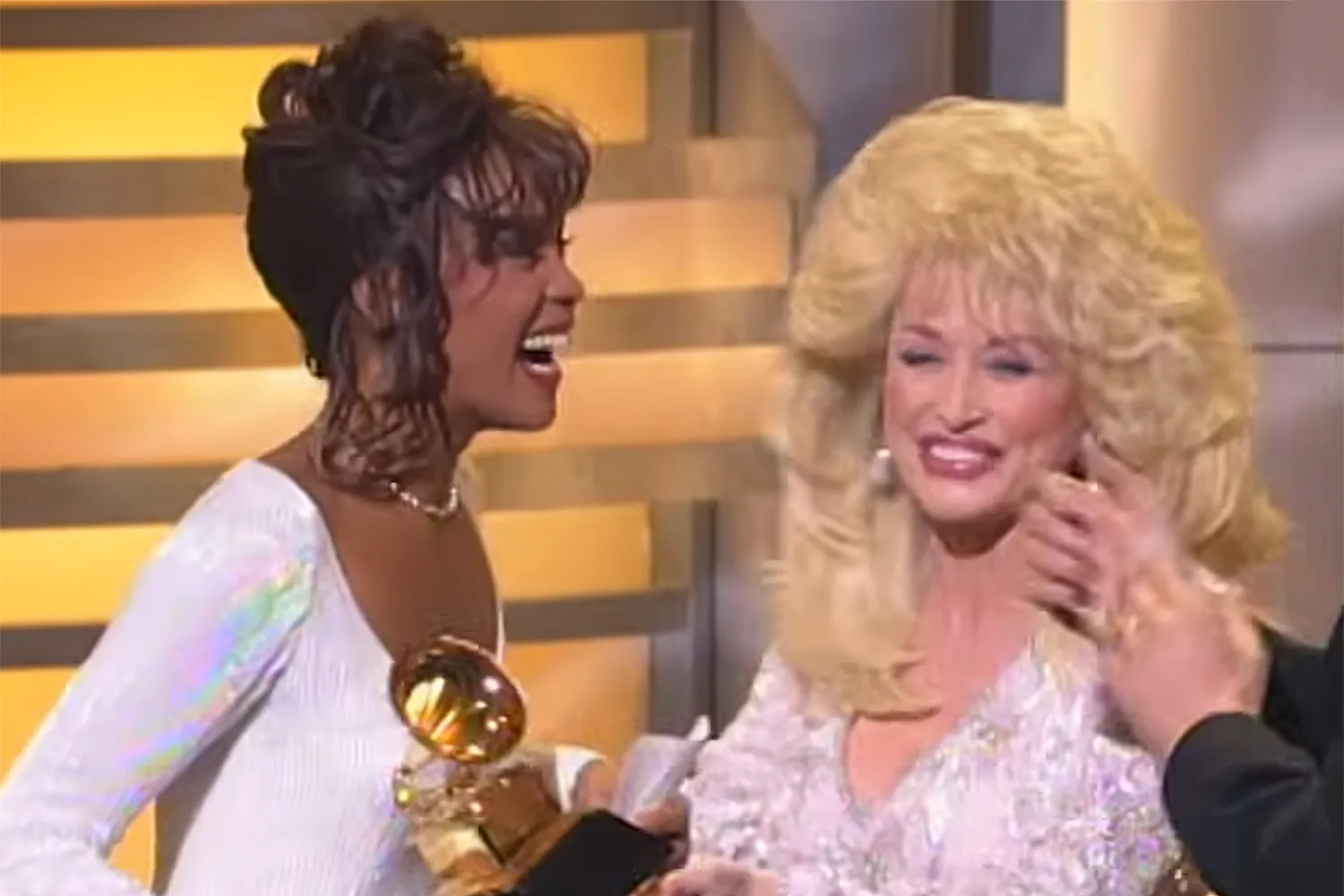
In 1992, Whitney Houston recorded “I Will Always Love You” for The Bodyguard, the film in which she starred opposite Kevin Costner.
Houston’s interpretation sounded dramatically different from Dolly’s country recording.
It began quietly and almost vulnerably before building into the enormous vocal performance that millions of listeners would come to recognize instantly.
The recording exploded.
It became associated not only with The Bodyguard, but with Houston herself.
For many listeners around the world, Whitney’s version was their first introduction to the song.
That success also produced something extraordinary for Dolly.
Because Parton had written the song, she benefited financially when Houston’s version became a massive commercial success.
The royalties reportedly reached around $10 million during the 1990s.
Dolly had already built an enormously successful career by then. She was a singer, songwriter, actress and businesswoman.
Still, even for someone as successful as Parton, the financial impact of Houston’s recording was substantial.
And she never forgot where that particular money came from.
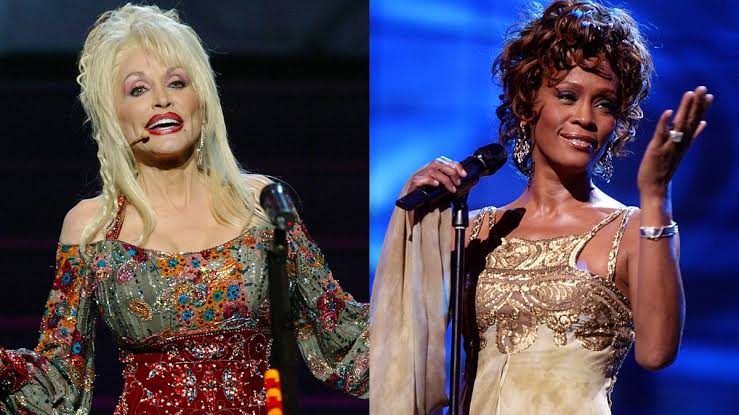
Dolly Made an Unexpected Investment
Rather than discussing the royalty money simply as another successful business deal, Dolly later revealed that she used some of it to purchase an office complex in Nashville.
The location was significant.
The property stood in an area with a strong Black community.
That fact made Dolly think immediately about Whitney.
She saw a kind of poetic connection between the money generated by one of the most celebrated Black performers in music history and the opportunity to invest that money back into a Black neighborhood in Dolly’s hometown.
Dolly later explained the idea with the mixture of humor and sentiment that has defined so many of her interviews.
She thought of the property as “the house that Whitney built.”
The phrase captured something larger than real estate.
Whitney’s voice had transformed Dolly’s song.
That transformation had created millions of dollars in income.
And Dolly wanted part of the physical legacy of those earnings to remain connected to the artist who had made it possible.
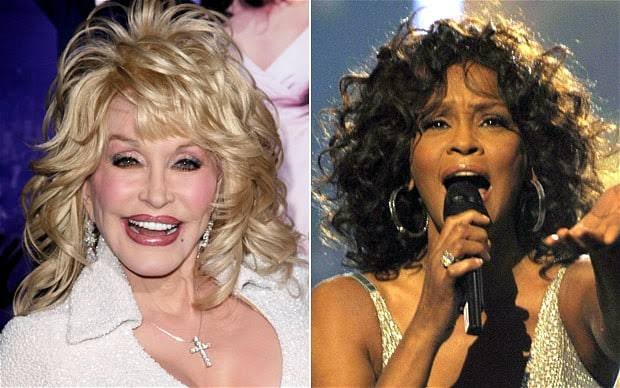
More Than a Cover Version
The relationship between Dolly and Whitney’s recordings of “I Will Always Love You” is unusual because neither version erased the other.
Dolly’s original remains unmistakably hers.
It is intimate, restrained and rooted in country music storytelling.
Whitney’s interpretation became something completely different: soaring, cinematic and enormous.
Instead of resenting the way Houston’s performance became more famous globally, Dolly repeatedly embraced it.
She understood what Whitney had done for the song.
Houston did not simply sing Dolly’s composition.
She gave it another life.
Millions of people who may never have encountered Parton’s original recording suddenly knew the melody and lyrics.
The result was one of those rare moments when a songwriter and another performer could both become permanently associated with the same song in completely different ways.
And commercially, the impact was undeniable.
A song Dolly had written years earlier suddenly became valuable on a scale few writers ever experience.
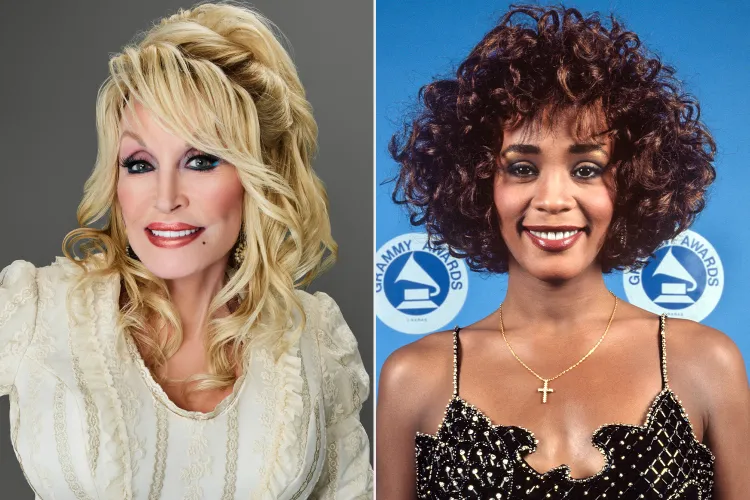
Dolly Had Already Protected the Song Once
The story is even more striking because Dolly’s ownership of “I Will Always Love You” had once faced another important test.
Years before Whitney Houston recorded it, Elvis Presley expressed interest in singing the song.
For a young songwriter, having Elvis record one of your compositions could have seemed like the ultimate opportunity.
But there was a catch.
Dolly was asked to give up a substantial portion of her publishing rights as part of the arrangement.
She refused.
It was an extremely difficult decision, particularly because she admired Elvis and understood what his recording could have meant for the song.
But Dolly believed strongly in keeping ownership of her songwriting.
That decision ultimately allowed her to retain control of “I Will Always Love You.”
Years later, when Whitney Houston turned the song into a worldwide blockbuster, Dolly still owned the publishing rights that made those enormous royalties possible.
What once looked like a painful missed opportunity had become one of the most important business decisions of her career.
“The House That Whitney Built”
There is an appealing symmetry to what happened next.
A young Dolly Parton wrote a difficult goodbye song.
She protected its ownership even when one of the biggest stars in music wanted to record it.
Almost two decades later, another extraordinary singer found the song.
Whitney Houston transformed it into a global phenomenon.
Dolly earned millions.
And instead of allowing those earnings to become just another number in her fortune, she attached a story to them.
Part of the money went into a Nashville property in a Black neighborhood.
For Dolly, that location made the connection feel right.
Whitney’s success had helped pay for it.
So in Dolly’s mind, it would always carry Whitney’s name.
“The house that Whitney built.”
It is a surprisingly fitting ending for a song about gratitude, separation and continuing to care about someone even after your paths move in different directions.
Whitney Houston and Dolly Parton came from different musical worlds, performed the song in radically different ways and belonged to different generations of American music.
But “I Will Always Love You” permanently connected them.
And somewhere in Nashville, Dolly made sure that connection existed not only on a record.
She turned part of it into something you could actually see.