Barbara Walters Asked Dolly Parton If People Saw Her as a “Hillbilly” — Dolly’s Answer Turned the Question Around
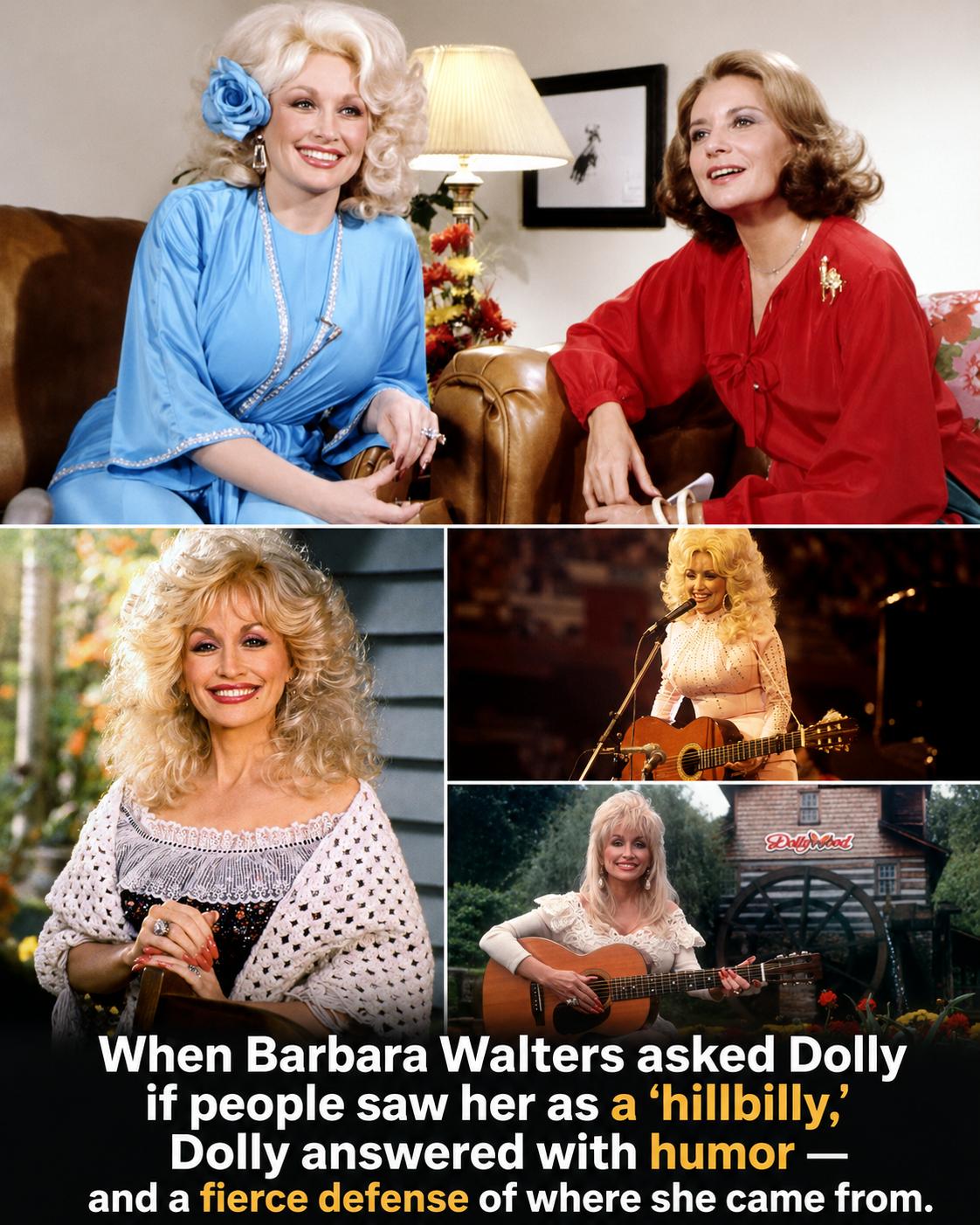
In 1977, Dolly Parton was already a successful country singer.
But she was still in the process of becoming the larger-than-life American icon people would eventually know.
She was moving beyond the country music world, appearing before broader television audiences and introducing herself to people who may have known the hair, the clothes and the voice before they truly understood the woman behind them.
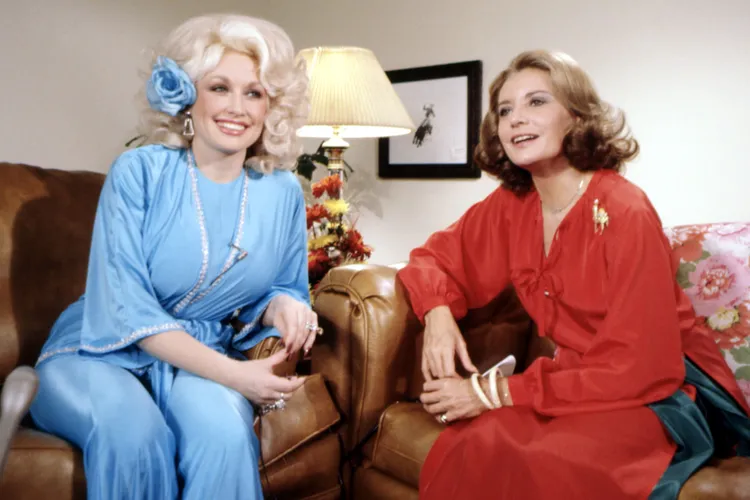
That was the setting when Barbara Walters sat down with Dolly for an interview that would later become one of the most revealing examples of how Parton handled questions about her background.
Walters did not avoid uncomfortable subjects.
She asked Dolly directly about her appearance, her upbringing and the way people might judge someone who came from the rural South.
Then came one especially pointed question.
Did people look at Dolly Parton and think of her as a “hillbilly”?
Dolly did not retreat.
She did not become embarrassed.
And she certainly did not apologize for where she came from.
Instead, she answered with humor, confidence and a warning that immediately changed the tone of the conversation.
She joked that if someone insulted people from her part of the country, she might “kick your shins.”
But underneath the joke was something much more serious.
Dolly was defending the dignity of the people who had raised her.
Barbara Walters Was Asking What Many People Were Thinking
The question may sound unusually blunt today, but it reflected a real tension surrounding Dolly’s rise.
Parton came from the mountains of East Tennessee and grew up in a poor, large family.
By the time she entered mainstream television, she looked unlike almost anyone else.
Her hair was huge.
Her clothes were colorful and revealing.
Her accent was unmistakably Southern.
And she made little effort to disguise any of it.
For some people in the entertainment industry, those qualities could easily be treated as evidence that Dolly was unsophisticated.
That assumption followed many rural Southern performers.
A strong accent could be mistaken for a lack of intelligence.
Poverty could be confused with ignorance.
Country style could become an easy punch line.
Walters’ questions brought those stereotypes directly into the interview.
Instead of pretending they did not exist, Dolly confronted them.
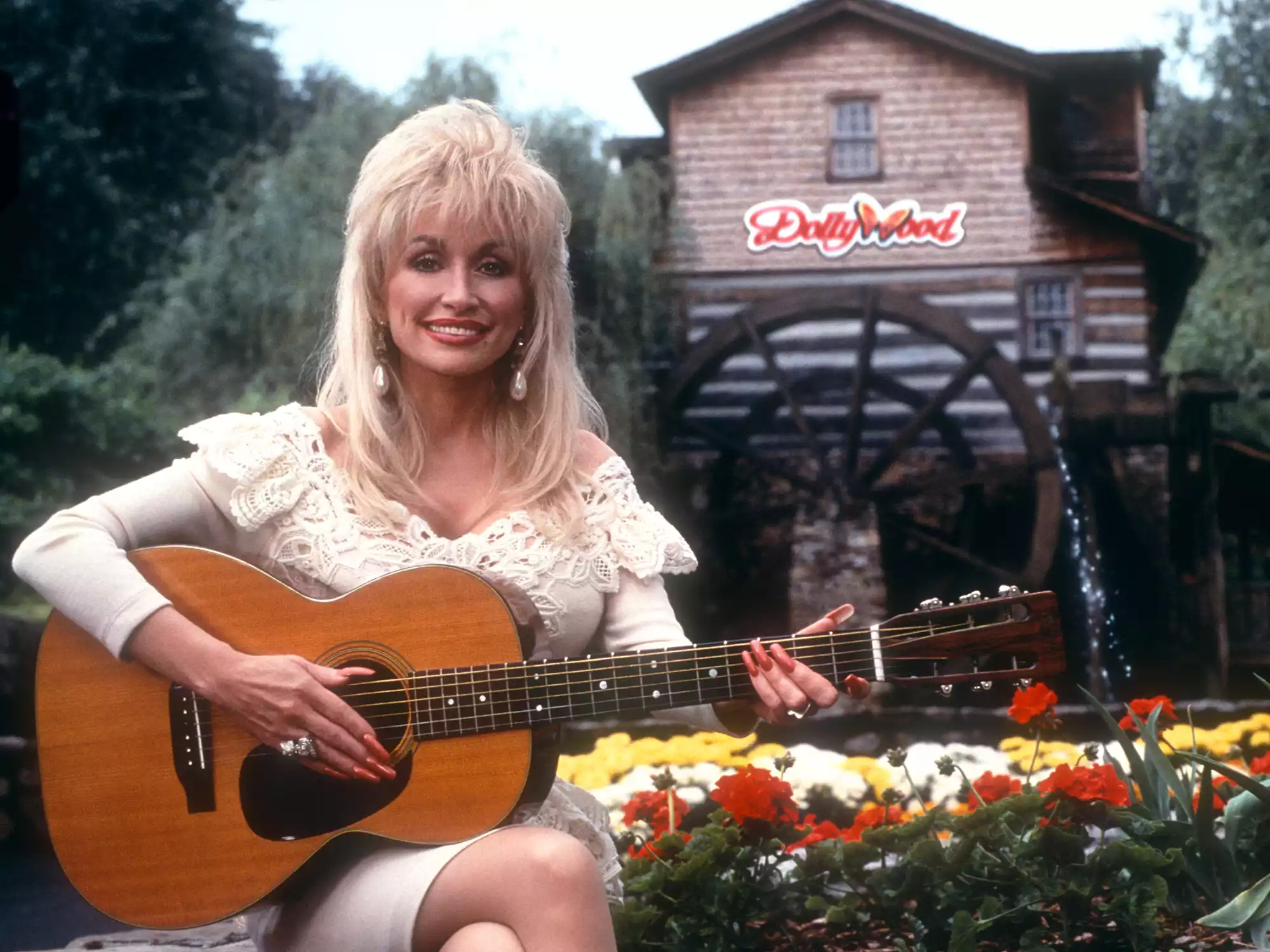
Dolly Refused to Be Embarrassed
One of the most striking things about the exchange is that Dolly did not behave as though she had been exposed.
There was no sense that Walters had uncovered some secret Dolly wanted hidden.
Parton had never tried to erase her upbringing.
She talked about it constantly.
She spoke about growing up with very little money.
She talked about her parents and siblings.
She remembered the mountains, the church, the music and the difficult conditions her family experienced.
Those stories would eventually become part of her public identity.
What Dolly rejected was the suggestion that coming from that environment made someone lesser.
That distinction mattered.
She could laugh at herself.
She could exaggerate her appearance.
She could make jokes about being country.
But that did not mean she was comfortable with outsiders treating the people she grew up around as stupid or inferior.
That was where the humor stopped being merely playful.
“I Might Kick Your Shins”
Dolly’s response captured a quality that would later become one of her greatest strengths in interviews.
She could answer a difficult question without turning the moment into a confrontation.
Her joking warning about “kick[ing] your shins” was funny.
But it also communicated something unmistakable.
Be careful where you draw the line.
Dolly could accept the label if it was being used casually or affectionately.
She understood how she looked and sounded.
She knew exactly what image she projected.
But if the word was meant to demean the people from her home, she was ready to defend them.
That response allowed Dolly to do two things at once.
She kept the interview light.
And she refused to surrender any dignity.
That balance is much harder than it looks.
She Understood the Joke Before Anyone Else Could Make It
Part of Dolly Parton’s brilliance as a public figure has always been her ability to control the joke.
People could comment on her wigs, her makeup, her figure or her flashy outfits.
Dolly often got there first.
She famously built much of her image around exaggeration.
She did not present herself as naturally glamorous or effortlessly elegant.
She presented herself as Dolly.
That made it difficult for critics to embarrass her.
If someone pointed out that her appearance was excessive, Dolly could essentially agree.
Yes, it was excessive.
That was the point.
But Walters’ question went beyond fashion.
It touched identity.
And Dolly’s response showed that while she was willing to laugh about herself, she was not willing to laugh at her roots.
Her Background Was Not Something She Wanted to Escape
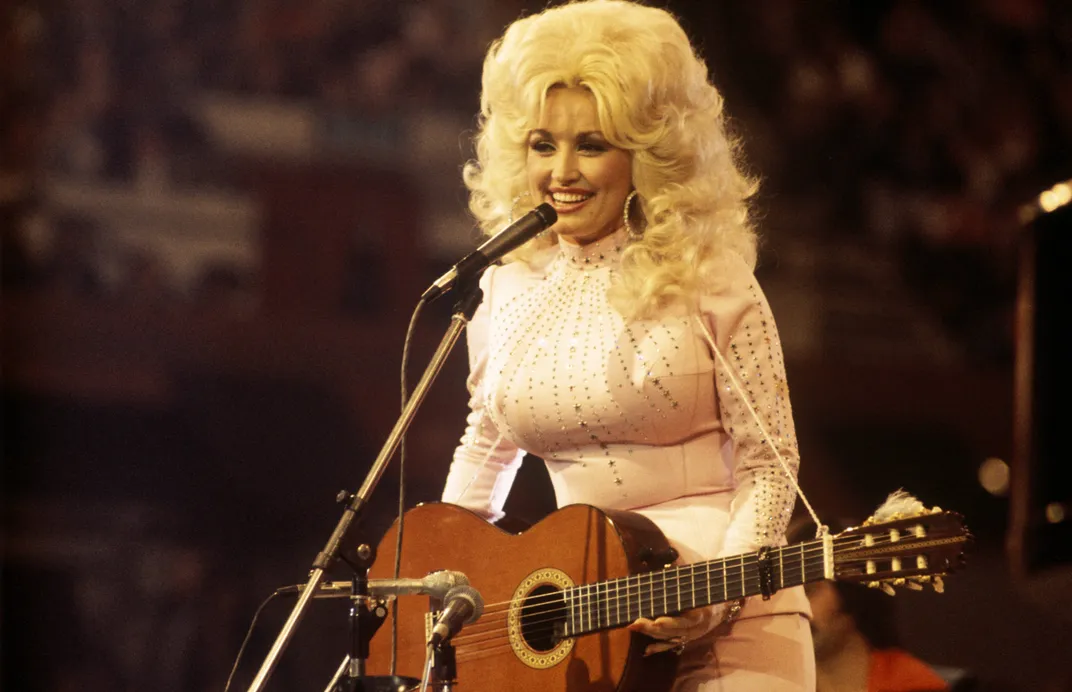
This is important because Dolly’s career eventually became a classic American success story.
She went from poverty in rural Tennessee to fame, wealth and international recognition.
The easy version of that story would be that she escaped where she came from.
Dolly never told it that way.
She repeatedly brought her past with her.
Her songs were full of childhood memories.
“Coat of Many Colors” turned a homemade patchwork coat into one of the defining stories of her career.
“My Tennessee Mountain Home” celebrated the environment she had grown up in.
Even after becoming wealthy enough to live almost anywhere, Dolly continued to make her Appalachian identity central to her public life.
She did not treat success as proof that she had become better than the people she left behind.
She treated it as something that had grown out of them.
That philosophy was already visible in the Walters interview.
The Interview Revealed Something Bigger About Dolly
What makes the exchange memorable is not simply that Dolly produced a clever comeback.
Plenty of celebrities can deliver one-liners.
The deeper appeal is that Dolly understood exactly what the question represented.
Walters was asking whether Dolly knew how some people saw her.
Dolly absolutely knew.
She just did not accept their definition.
A rural accent did not equal stupidity.
Growing up poor did not mean growing up without pride.
Wearing outrageous clothes did not mean she lacked self-awareness.
And being from the mountains did not make her ashamed.
Dolly had spent years learning how people judged her.
Instead of changing herself to satisfy them, she turned those judgments into part of her strength.
A Young Dolly Was Already Becoming the Dolly America Would Know
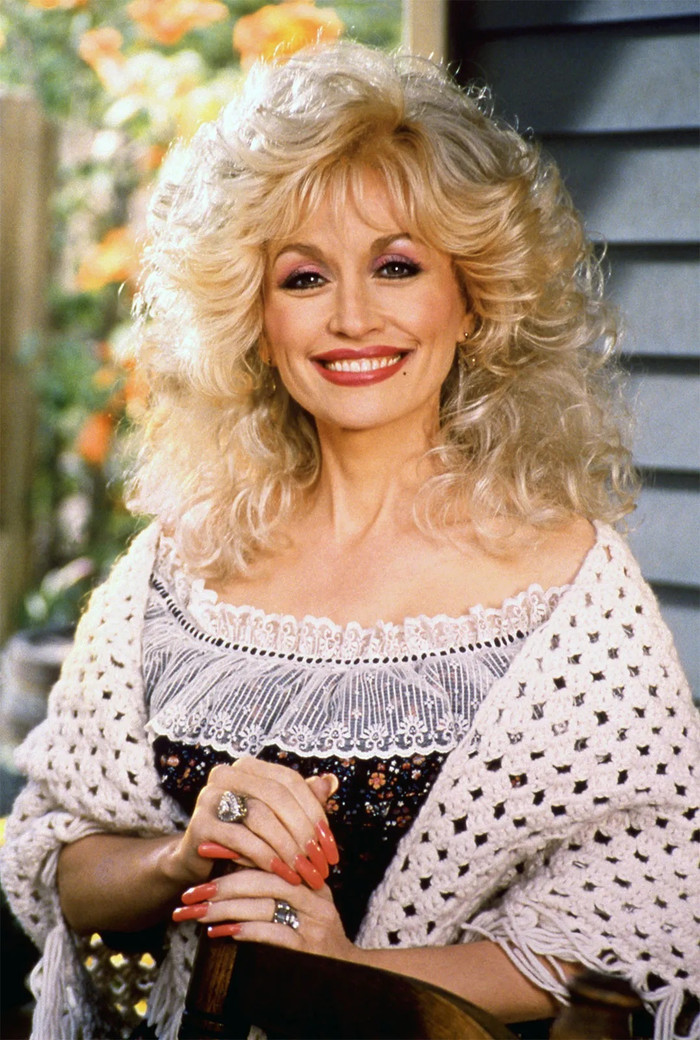
Looking back at the 1977 interview now, what stands out is how recognizable Dolly already was emotionally.
The enormous fame was still ahead.
So were many of the movies, crossover hits, business ventures and cultural milestones that would expand her audience far beyond country music.
But the personality was already there.
The humor.
The self-awareness.
The toughness beneath the sweetness.
And above all, the refusal to let other people decide what she should be ashamed of.
Barbara Walters asked Dolly Parton whether someone like her might be called a “hillbilly.”
Dolly could have tried to distance herself from the word.
She could have softened her accent or explained how successful and sophisticated she had become.
She did neither.
Instead, she made a joke about kicking someone in the shins and defended the people she came from.
It was funny enough to keep the room smiling.
But the message underneath was unmistakable:
You could laugh with Dolly Parton.
You could even laugh about Dolly Parton.
But you were not going to make her ashamed of home.