KICKBOXER: ARMAGEDDON
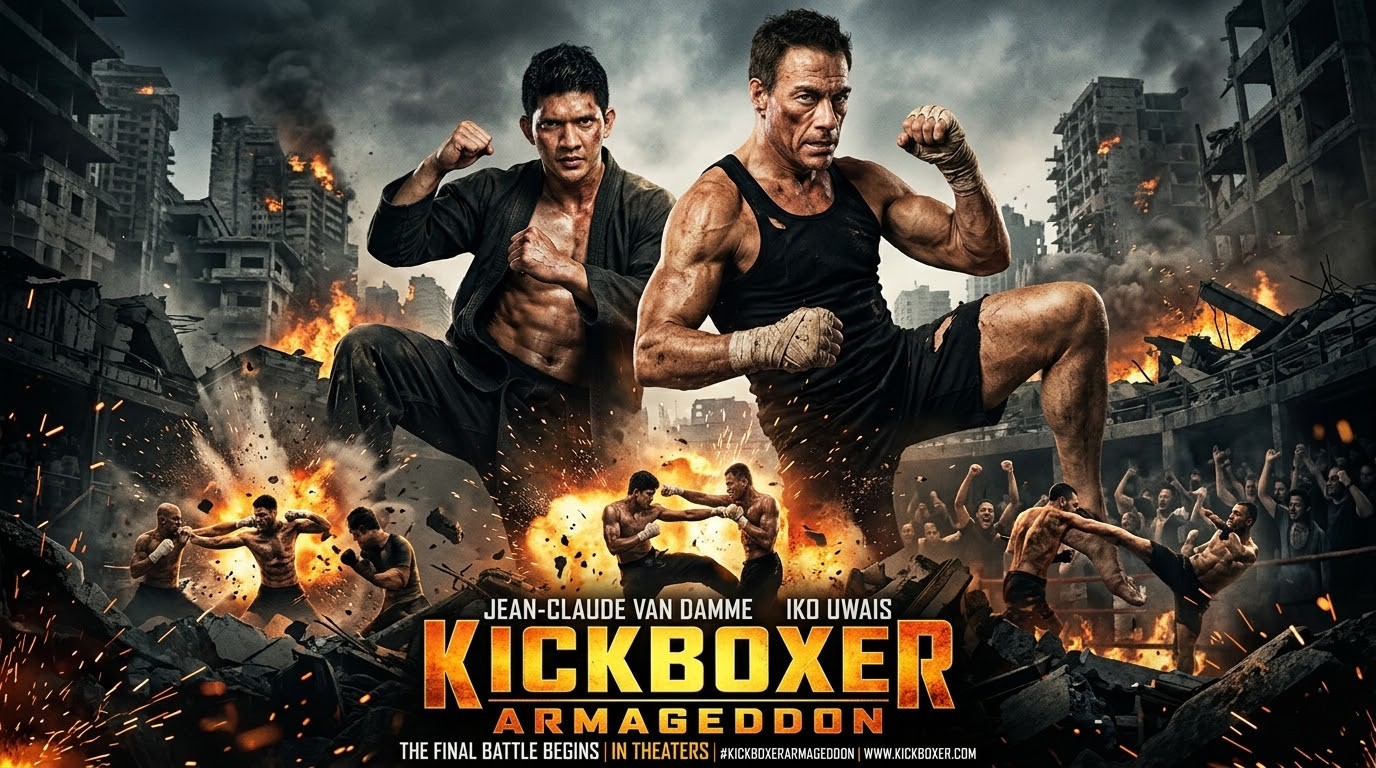
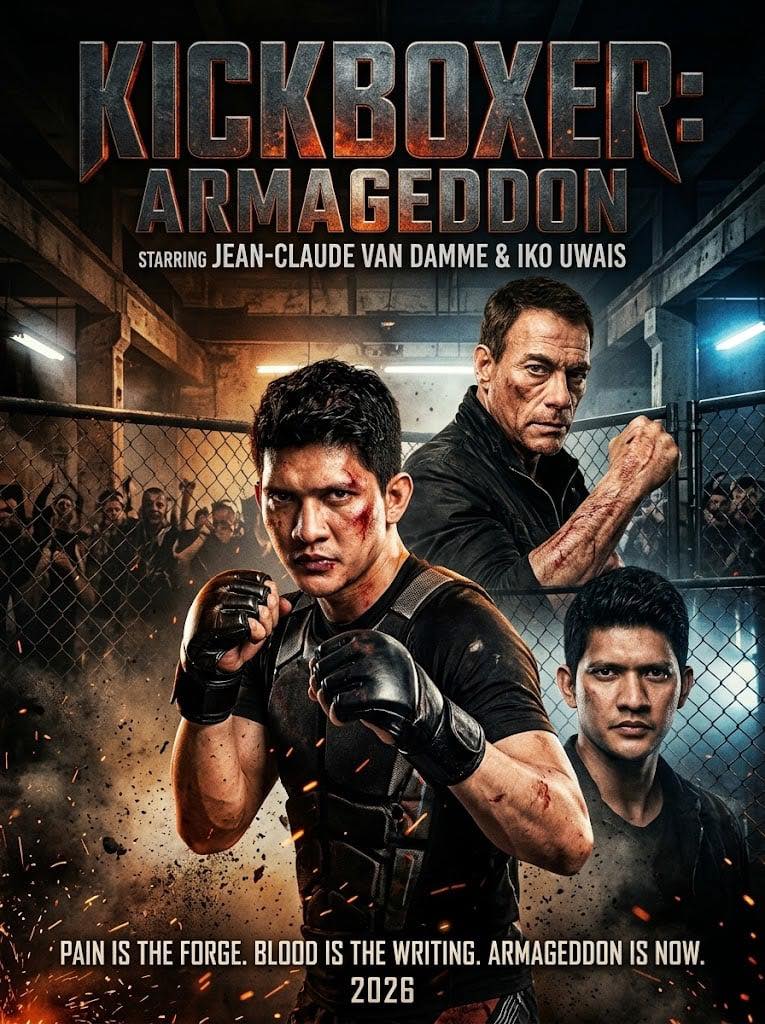
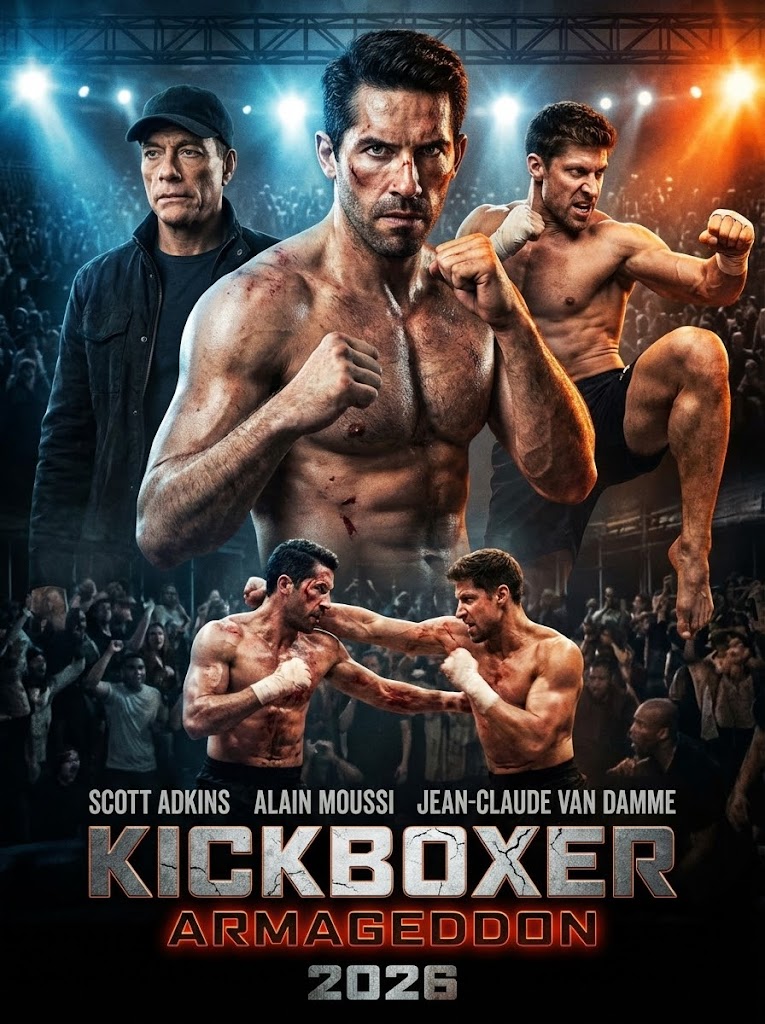
KICKBOXER: ARMAGEDDON (2026) Jean-Claude Van Damme, Iko Uwais
In KICKBOXER: ARMAGEDDON (2026), the world of martial arts is no longer defined by honor, discipline, or legacy—it has been transformed into something darker, more dangerous, and nearly unrecognizable. What was once a sacred path has been corrupted into a global spectacle of violence, where fighters are no longer warriors, but weapons.
Years after walking away from the ring, Kurt Sloane lives in silence, far removed from the brutal world that once defined him. The scars he carries are no longer just physical—they are memories of battles fought, lives lost, and a legacy he chose to leave behind. For Kurt, fighting was never about glory. It was about survival, about protecting something greater than himself. But in a world that has forgotten that meaning, his absence has allowed something far more dangerous to take its place.
A rogue military program, hidden beneath layers of secrecy, has reshaped the underground fight scene into a testing ground for engineered combatants—fighters enhanced with brutal conditioning, stripped of empathy, and programmed to destroy. These “perfect soldiers” are faster, stronger, and more precise than any human opponent. They do not hesitate. They do not feel. And most terrifying of all—they are learning.
At the center of this new era of violence stands a silent force known only as Zero, portrayed by Iko Uwais. He is the ultimate product of this system—a flawless fusion of martial arts mastery and calculated brutality. Zero does not seek fame or recognition. He hunts. One by one, he tracks down the last remaining legends of Muay Thai, eliminating them with cold efficiency. To him, they are relics of a weaker time, obstacles to be erased in the evolution of combat.
As news of these killings spreads, Kurt realizes that the world he once protected is being erased. The principles he fought for—discipline, respect, humanity—are being replaced by something mechanical and merciless. And when the past begins to catch up with him, he understands one unavoidable truth: he is no longer running from the fight. He is the last line of defense against it.
Reluctantly, Kurt steps back into the arena—not as a competitor, but as a guardian of a dying philosophy. Every movement is heavier now, every strike carries the weight of time. But within that weight lies experience, resilience, and a mastery that cannot be programmed. Where Zero fights with precision, Kurt fights with purpose. Where Zero is engineered, Kurt is human.
Their collision is inevitable.
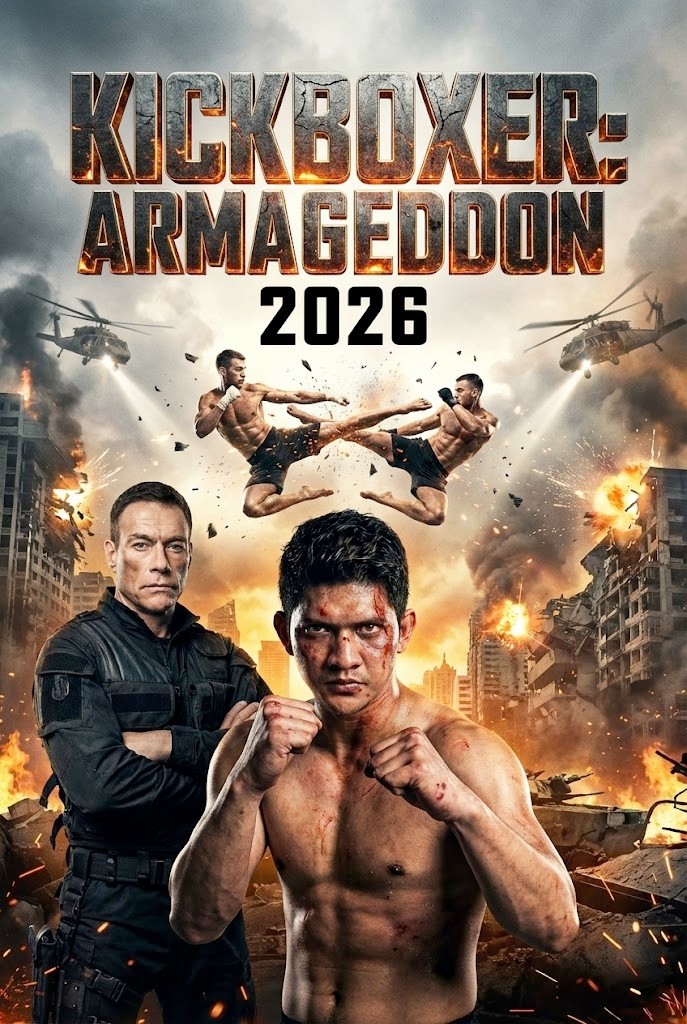
The film builds through a series of intense, grounded fight sequences set in abandoned arenas, underground compounds, and brutal industrial landscapes where the line between sport and survival has vanished. Each battle is raw and unforgiving, showcasing not just physical combat but the clash of two opposing ideologies—human instinct versus artificial perfection.
At its core, KICKBOXER: ARMAGEDDON is not just about fighting—it is about what fighting represents. It questions whether strength comes from power alone, or from the will to endure, to feel, and to protect. Kurt’s journey becomes more than a return to the ring; it becomes a final stand for the soul of martial arts itself.
As the story reaches its climax, Kurt faces Zero in a battle that is as emotional as it is physical. There are no crowds, no glory, no victory speeches—only two fighters, two paths, and one final question: can humanity still prevail in a world that no longer values it?