Evan Rachel Wood Wanted to Return to Practical Magic. The Only Person Who Reached Out Was the Actress Replacing Her
When Practical Magic 2 was announced, longtime fans immediately began wondering which members of the original 1998 cast would return.
Sandra Bullock was coming back as Sally Owens.
Nicole Kidman was returning as Gillian.
Dianne Wiest and Stockard Channing were also stepping back into the magical world that had become a cult favorite over nearly three decades.
But one familiar face was missing.
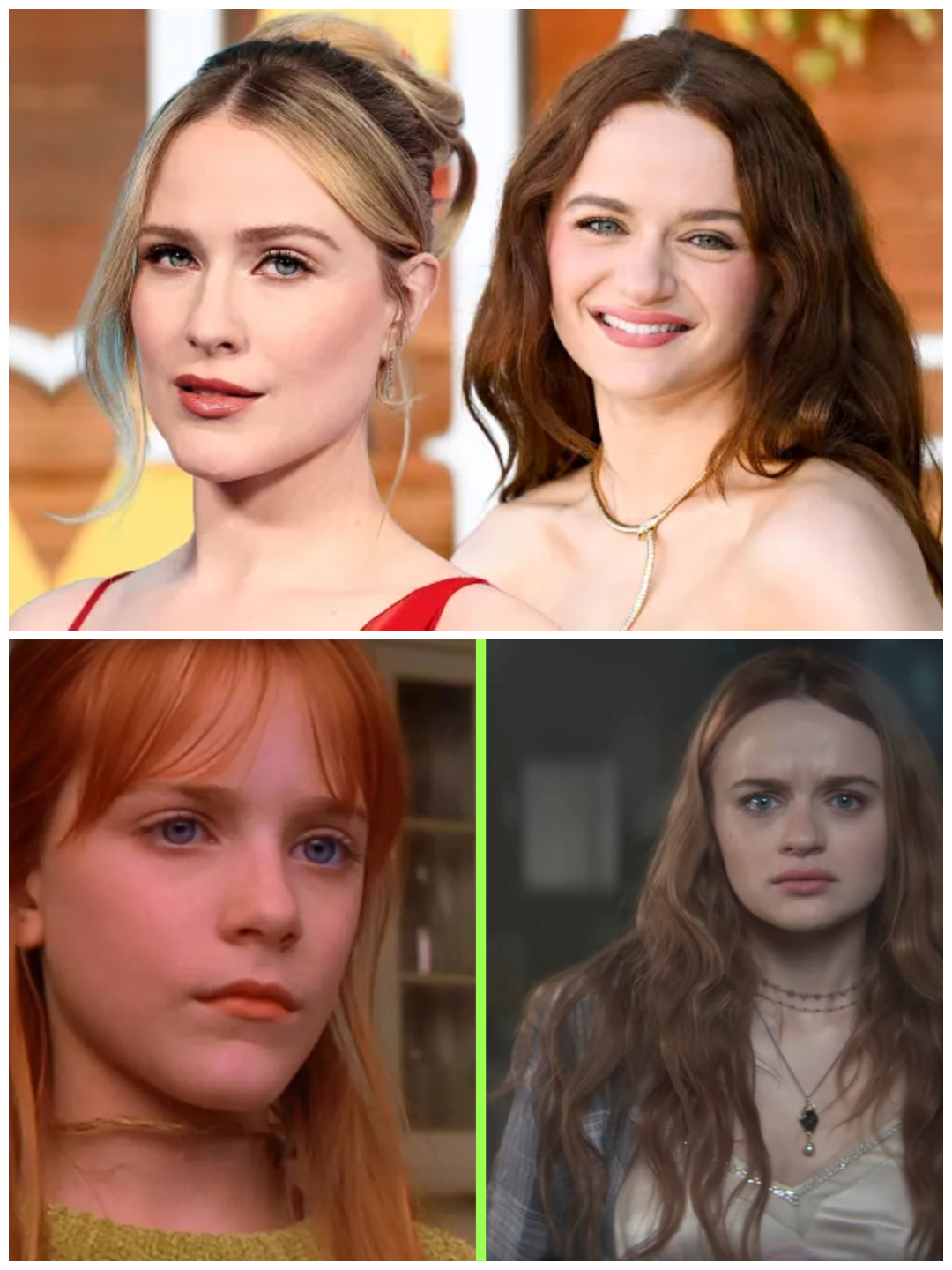
Evan Rachel Wood, who played Sally’s young daughter Kylie in the original film, would not be returning.
Instead, the adult version of Kylie would be played by Joey King.
The recasting itself was understandable enough. Director Susanne Bier later explained that the sequel needed Sally’s daughters to appear as young women just out of college, making it difficult to preserve exact casting continuity nearly 30 years after the original.
What made the situation more emotional was what Wood revealed afterward.
She had wanted to come back.
And according to her, no one from the original movie reached out to talk to her about being replaced.
No one, that is, except Joey King.
“I really appreciated Joey King reaching out to me because no one who worked on the original film did,” Wood wrote on Instagram.
Then she added a simple line that changed the tone of the entire story:
“She’s a sweetheart.”
It was an unusually gracious response to an awkward Hollywood situation.
Wood was not a random former cast member.
She had been part of the emotional center of the original film.
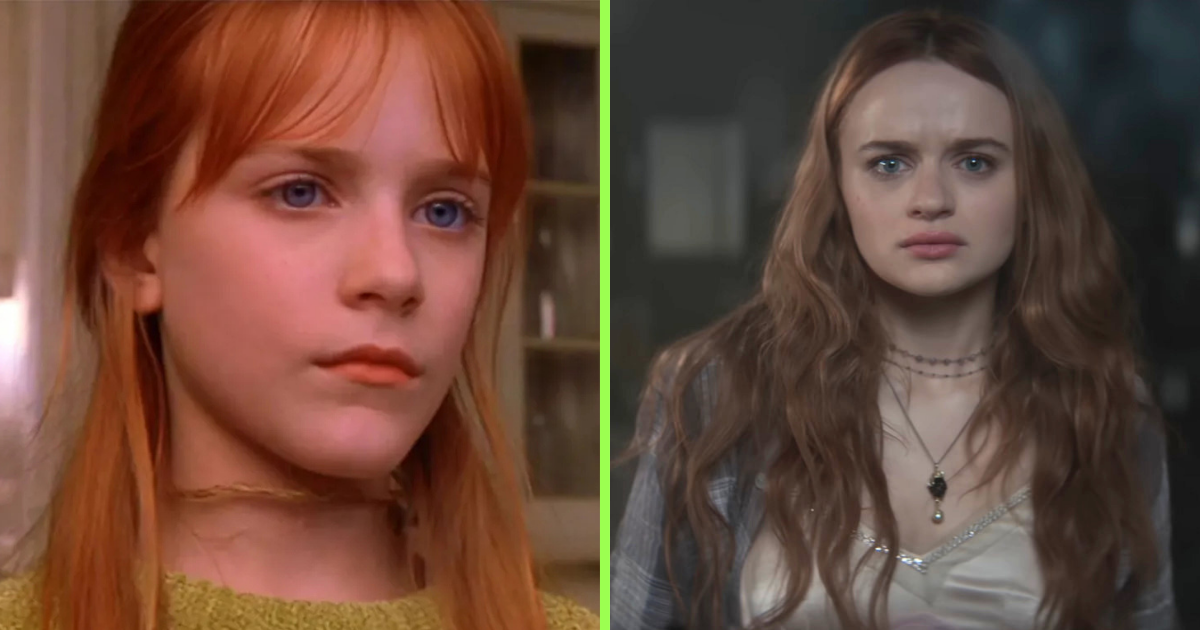
In Practical Magic, Sally Owens was a widowed mother raising two daughters, Kylie and Antonia, while trying to protect them from the same family curse that had shaped generations of Owens women.
Wood played Kylie as a child, alongside Alexandra Artrip as Antonia.
At the time, Wood was still early in a career that would later include acclaimed work in projects such as Thirteen, Across the Universe, The Wrestler and Westworld.
The 1998 movie ultimately became far more important than its original box-office performance suggested.
What was initially greeted with mixed reviews slowly transformed into a generational cult classic.
Its imagery became instantly recognizable.
Its celebration of sisterhood and female family bonds grew more resonant over time.
Scenes like the famous midnight margaritas sequence became beloved pieces of pop culture.
So when Warner Bros. finally moved forward with a sequel, it was not surprising that former cast members might want to be involved.
Wood certainly did.
After news of the sequel emerged, she made it publicly known that she was interested in returning. According to Wood, she had offered her services and even indicated that she would have been willing to appear in a smaller role if continuing as Kylie was not possible.
Instead, she said she was told the role was being recast.
Wood later acknowledged that she understood why the filmmakers might need to make changes.
The new movie, partially inspired by Alice Hoffman’s The Book of Magic, places Kylie and Antonia at a particular stage of life. In Practical Magic 2, Joey King plays Kylie as a young woman whose romantic relationship brings her face-to-face with the Owens family curse, while Maisie Williams takes over the role of Antonia.
Wood did not attack King for accepting the role.
Quite the opposite.
She made a point of separating the disappointment of not being invited back from her feelings toward the actress taking her place.
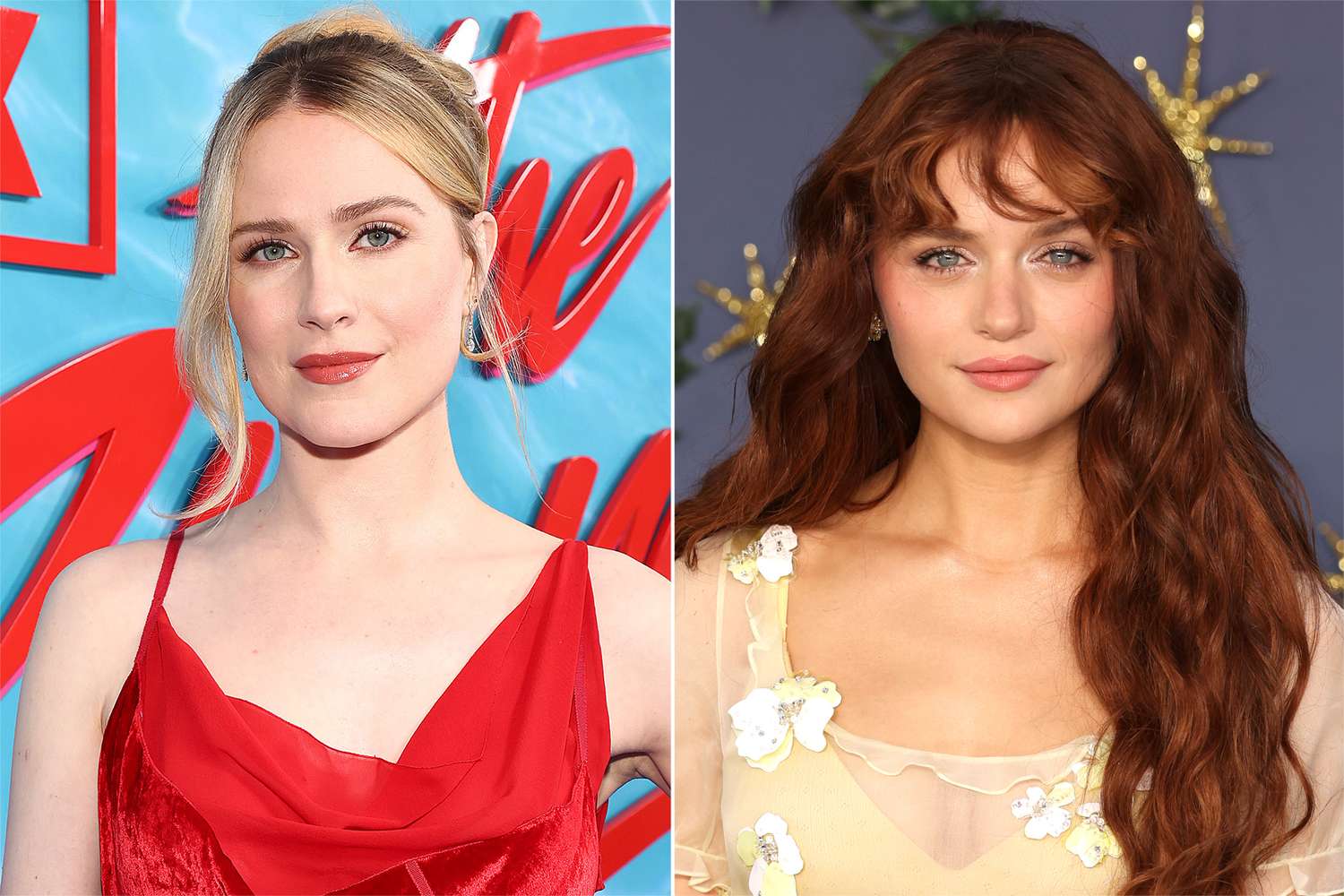
That distinction became even more striking because, according to Wood, King was the one person who made the effort to acknowledge what the transition might feel like.
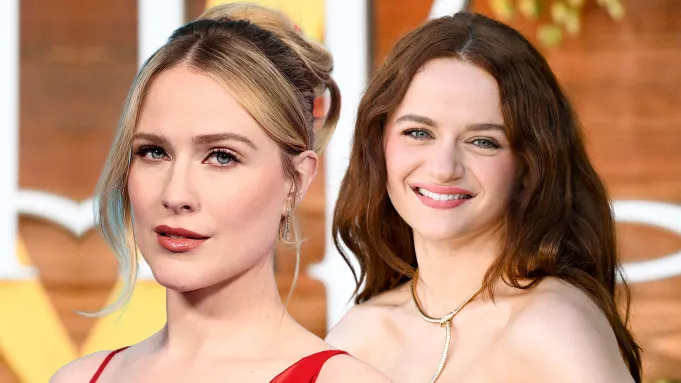
King later confirmed that the two women had spoken.
At the Los Angeles premiere of Practical Magic 2, King described their conversation as “lovely” and said she deeply appreciated the support Wood had shown toward her and the new cast.
That interaction created an unexpected emotional payoff.
In Hollywood recasting stories, the replacement actor can easily become the symbol of everything the original performer lost.
Fans compare them.
Headlines frame one against the other.
Social media can quickly turn a casting decision into a competition between two actresses who may have had nothing to do with the decision itself.
Wood and King chose something different.
King reached out.
Wood responded with warmth.
Rather than allowing the situation to become a feud, the two actresses acknowledged the strange reality of sharing the same character decades apart.
Wood’s disappointment remained real.
She had spent time with the original cast and had memories of making the film as a young performer. Returning to that world would not simply have been another job.
For her, it would have meant revisiting people, places and a project that had become increasingly meaningful as audiences embraced it over the years.
She has openly described feeling sad that she did not get that opportunity.
But she also wished the sequel well.
That combination — disappointment without hostility — is part of why her comments drew attention.
The story also raises a larger question about legacy sequels.
When Hollywood brings back a movie decades later, nostalgia becomes part of the product.
Audiences want familiar music, familiar locations and familiar faces.
But time creates practical problems.
Characters may need to be younger or older than the actors who originally played them.
Some performers may no longer be available.
Some characters may have been rewritten.
And sometimes filmmakers simply decide that a new actor better fits the story they want to tell.
That can leave original cast members in an uncomfortable position.
They helped create the thing audiences loved, yet they may have little control over how that thing is revived years later.
Wood’s experience appears to fall directly into that tension.
She wanted to participate.
The production moved in a different direction.
And according to her, the people she knew from the original did not personally contact her about it.
The fact that Joey King did makes the story feel unexpectedly human.
King had no obligation to apologize for being cast.
She had not written the screenplay.
She had not decided how old Kylie should be.
She had not chosen to exclude Wood.
But she apparently understood that taking over a role someone else created could feel strange, particularly in a sequel built heavily around nostalgia.
So she made contact.
And Wood noticed.
Nearly 30 years separate the two versions of Kylie Owens.
In 1998, Wood played Sally’s young daughter in a movie that had no idea it would one day become a cult classic.
In 2026, King inherited that character in a sequel opening to an audience that had spent decades loving the Owens family.
The handoff could have become another uncomfortable Hollywood story about resentment and replacement.
Instead, the actress who lost the role publicly praised the actress who got it.
And the actress who got it made sure the woman before her knew that her contribution mattered.
For all the magic, curses and supernatural drama surrounding the franchise, the most touching moment may have happened entirely offscreen.
Evan Rachel Wood wanted to return.
She wasn’t asked back.
But the one person who reached out to her was the person replacing her.
And sometimes, a small gesture of respect is enough to change the whole story.