6 Best And 6 Worst Things In Spider-Man: No Way Home
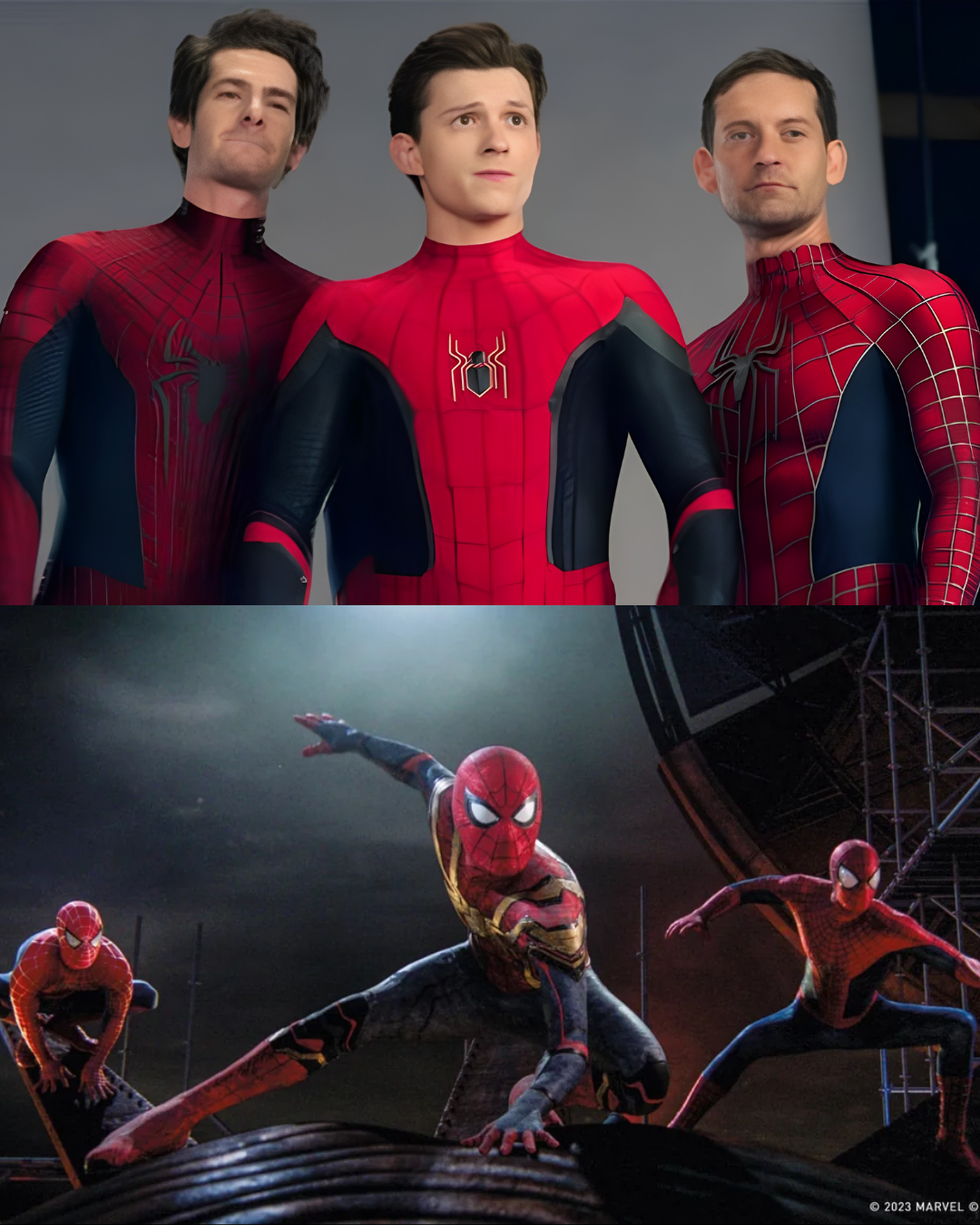
Few superhero movies have carried as much history on their shoulders as Spider-Man: No Way Home.
The film was already the conclusion to Tom Holland’s first Spider-Man trilogy, but it also had another enormous task: bringing together characters from nearly two decades of live-action Spider-Man movies without turning the story into nothing more than a parade of cameos.
Somehow, it mostly worked.
By pulling villains and heroes from Tobey Maguire’s Spider-Man films and Andrew Garfield’s The Amazing Spider-Man movies into the Marvel Cinematic Universe, No Way Home became a celebration of everything that came before it. More importantly, many returning characters were given emotional moments rather than simply appearing long enough for audiences to recognize them.
That does not mean every creative choice works.
Certain villains remain underdeveloped, Doctor Strange’s magic creates plenty of questions, and Peter Parker makes one particularly painful decision involving MJ that is difficult to defend.
Still, the movie’s greatest moments easily explain why No Way Home became such a major event for Spider-Man fans.
Here are six things that do not work quite as well — followed by six things the movie absolutely nails.
Worst: Tobey Maguire’s Peter Leaves Us Wondering What Happened to MJ
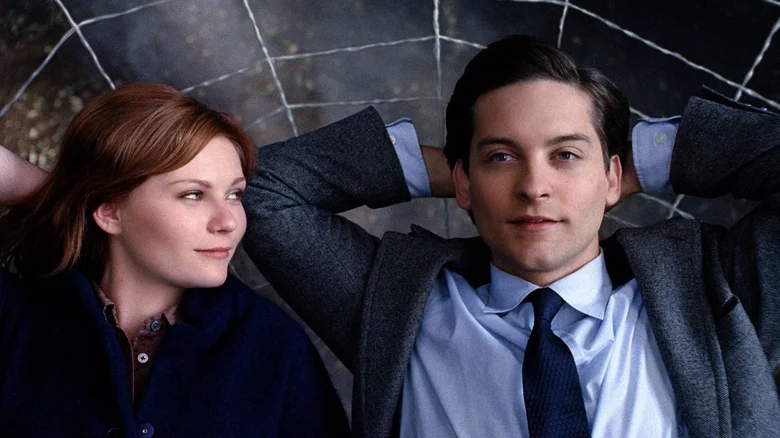
For fans who followed Tobey Maguire’s Peter Parker through Sam Raimi’s trilogy, one tiny piece of dialogue creates a surprisingly big question.
When Peter is asked about his relationship with Mary Jane Watson, his answer suggests that their life together has not necessarily been simple.
That makes sense on a realistic level. Peter and MJ never exactly had an easy relationship. Between secret identities, villains, jealousy and Peter’s tendency to sacrifice his own happiness, maintaining a normal romance would be difficult.
But Spider-Man 3 at least left viewers with the possibility that the two had found their way back to one another.
No Way Home makes that future less certain without giving audiences enough information to understand what actually happened.
It is a small moment in a much larger movie, but because Maguire’s return carries so much emotional weight, even a vague comment about MJ immediately raises questions. Fans waited years to discover what became of this Peter Parker. Naturally, they also want to know whether one of the most famous relationships in superhero cinema survived with him.
Worst: Happy and May’s Relationship Is Played Too Much for Laughs
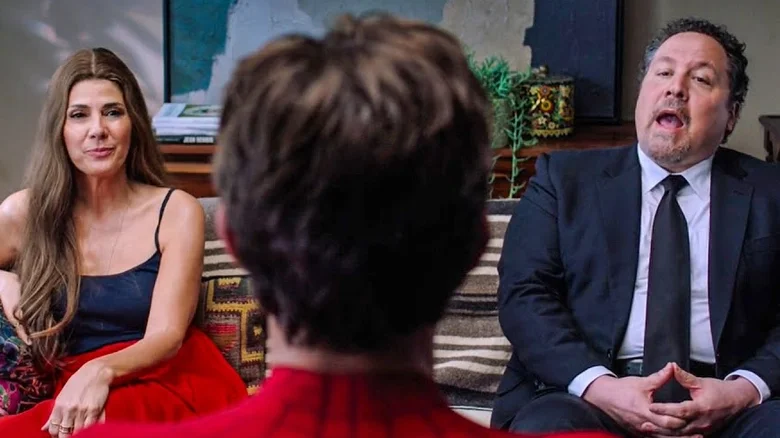
Happy Hogan and Aunt May were never presented as one of the MCU’s great romances.
Their awkward relationship was largely designed to be funny, especially because Happy often appeared far more interested in making things work than May did.
Early in No Way Home, their breakup becomes another comedic moment during an already chaotic period in Peter’s life.
At first, it fits the movie’s lighter tone.
Later, however, the scene becomes much sadder in retrospect.
May’s death completely changes the emotional meaning of her final interactions with Happy. Because the movie never gives the two characters a meaningful opportunity to resolve their relationship, Happy is left without real closure.
That is especially unfortunate because Happy has spent years being used as a supporting source of humor across the MCU. Jon Favreau’s character has enough history to deserve something more substantial here.
The comedy works in the moment. What happens afterward makes it harder to laugh at.
Worst: Electro and the Lizard Feel Underwritten
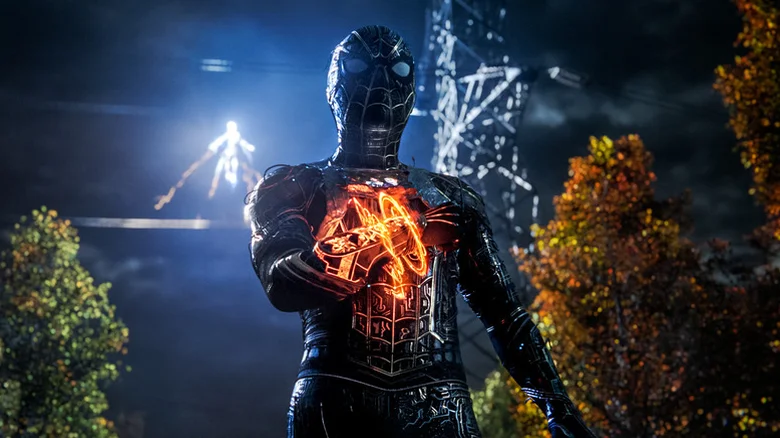
One of No Way Home’s smartest ideas is refusing to treat every villain as someone who simply needs to be defeated.
Peter believes they can be helped.
That gives Norman Osborn and Otto Octavius especially strong material, allowing Willem Dafoe and Alfred Molina to revisit their characters with considerably more emotional depth.
The villains from Andrew Garfield’s universe do not receive quite the same treatment.
Jamie Foxx’s Electro gets plenty of personality and some memorable dialogue, while Rhys Ifans’ Lizard remains an important part of the group. Yet neither character receives an arc as satisfying as Norman or Otto.
Even Sandman largely exists around the edges of the story.
That imbalance becomes more noticeable because the central mission of the film is supposed to be about curing these people rather than condemning them.
The idea is compelling. The movie simply does not have enough time to explore what being “cured” means for every villain involved.
With five major returning antagonists, somebody was always going to receive less attention. Unfortunately, Electro and Lizard are the clearest examples.
Worst: Electro Using Stark Technology Feels Unnecessarily Familiar
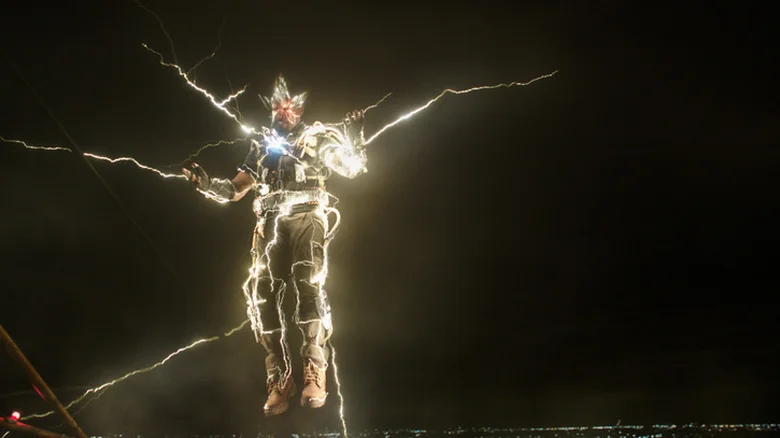
Tony Stark’s influence has been hanging over Tom Holland’s Spider-Man since Peter first entered the MCU.
Sometimes that connection has been essential to Peter’s story.
Other times, it has made Spider-Man’s world feel a little too dependent on Iron Man.
No Way Home again brings Stark technology into the equation when Electro discovers an arc reactor and uses it to dramatically increase his power.
From a practical storytelling perspective, it works. Stark technology is extremely advanced, and Electro is exactly the kind of villain who would immediately understand the advantage of using it.
But by this stage of Peter’s journey, the continued reliance on Tony’s inventions begins to feel unnecessary.
Iron Man’s death in Avengers: Endgame was supposed to close one enormous chapter of the MCU. Seeing one of his most recognizable technologies turned into another villain’s power source keeps pulling Peter’s story back toward Tony when No Way Home is ultimately about Peter learning to stand entirely on his own.
Fortunately, the ending finally pushes him in that direction.
Worst: Doctor Strange’s Spell Raises Too Many Questions
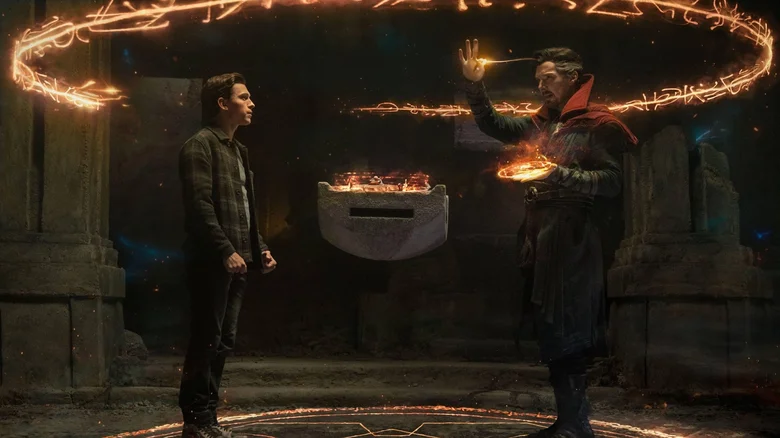
Nearly the entire plot exists because Peter Parker asks Doctor Strange to make the world forget that he is Spider-Man.
It is an entertaining setup.
It is also surprisingly difficult to think about for very long without finding problems.
Peter repeatedly interrupts Strange while the spell is being cast because he wants certain people to remember his identity. Strange becomes frustrated with him, and eventually the spell collapses.
Peter certainly deserves some blame.
But Strange is also an experienced sorcerer performing incredibly dangerous magic for a teenager. He probably should have explained the rules before beginning.
The ending creates even bigger questions.
To repair the damage to reality, Peter eventually asks Strange to make everyone forget Peter Parker entirely. That apparently includes people who knew Peter long before learning he was Spider-Man.
Exactly how this affects school records, photographs, government documents and Peter’s entire documented existence is left unexplained.
The emotional result is powerful.
The mechanics behind it are considerably less clear.
Worst: Peter Makes MJ’s Decision for Her
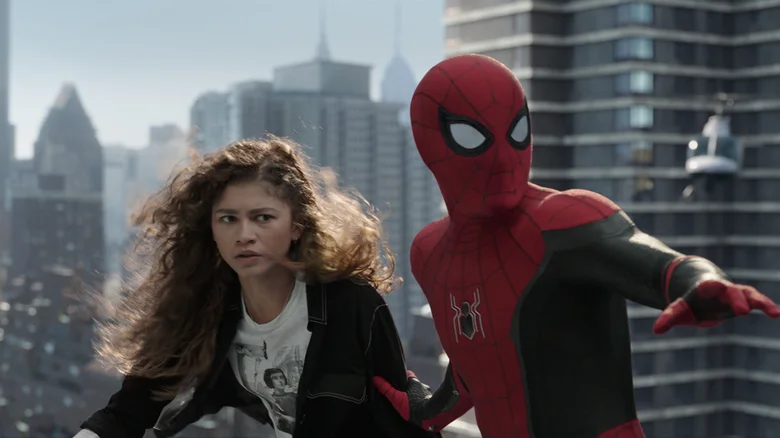
The ending of No Way Home is heartbreaking precisely because Peter finally has an opportunity to reclaim part of his old life — and chooses not to.
Before Doctor Strange completes the final spell, Peter promises MJ and Ned that he will find them afterward and explain everything.
He tries.
Peter walks into the coffee shop with a prepared speech, ready to tell MJ who he is and what they meant to each other.
Then he notices the small injury she suffered during the final battle.
Peter changes his mind.
His motivation is understandable. Peter believes staying away will protect MJ and Ned from the danger that follows him.
The problem is that MJ had already made her feelings clear.
She knew Peter was Spider-Man. She understood that his life was dangerous. She repeatedly chose to remain beside him anyway.
By disappearing without allowing her to make that choice again, Peter decides what is best for her.
It is classic Peter Parker — loving, self-sacrificing and deeply frustrating.
And that is probably exactly why the ending hurts so much.
Best: Three Generations of Spider-Man Actually Work Together
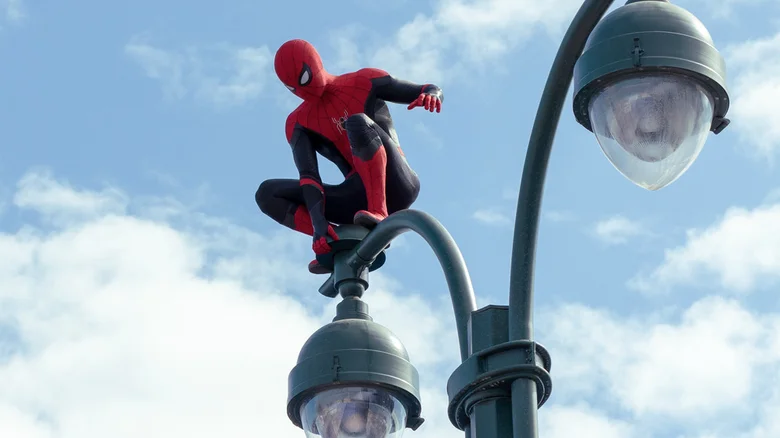
Bringing Tom Holland, Andrew Garfield and Tobey Maguire together could easily have become the movie’s biggest mistake.
Instead, it becomes its greatest strength.
The film understands that simply placing three Spider-Men in the same frame is not enough.
Each Peter needs a reason to be there.
Maguire’s Peter arrives as the veteran. Garfield’s Peter carries unresolved grief. Holland’s Peter is young, furious and about to experience the kind of tragedy the other two already understand.
Their differences create humor, but their similarities give the scenes emotional weight.
They compare web shooters. They joke about villains. They struggle to coordinate during battle because each of them is accustomed to fighting alone.
But underneath the fan service is something more important: three versions of the same man recognizing pieces of themselves in one another.
For longtime Spider-Man fans, seeing them together was the spectacle.
Watching them actually matter to one another was the surprise.
Best: Tobey Maguire’s Peter Stops Another Spider-Man From Making His Mistakes
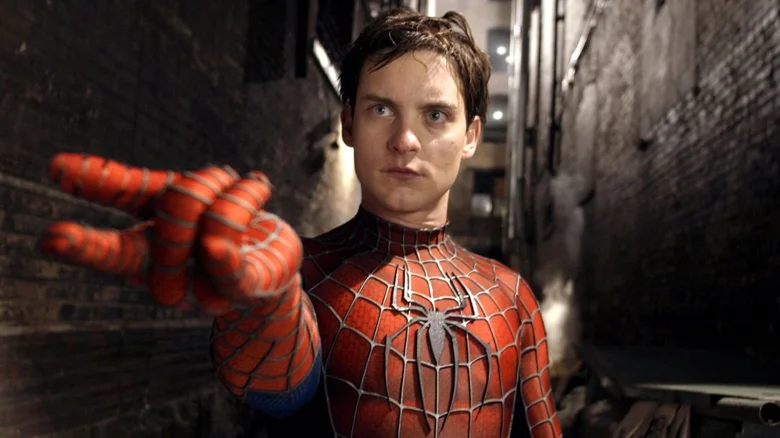
After Green Goblin kills Aunt May, Holland’s Peter stops thinking like the compassionate hero May believed he could be.
He wants Norman Osborn dead.
During the final battle, Peter nearly gets what he wants.
He overpowers Goblin, grabs his glider and prepares to kill him.
Then Tobey Maguire’s Peter steps between them.
No speech is necessary.
Maguire’s Peter knows exactly where that road leads because vengeance defined some of the darkest moments of his own life.
His presence gives the scene meaning beyond nostalgia. This older Peter is not simply returning to fight another villain. He is using the painful lessons of his past to prevent another version of himself from making the same mistake.
Holland’s Peter eventually chooses mercy.
In that moment, Maguire’s Spider-Man becomes something his younger self never had: an older Peter Parker who understands the cost of revenge.
It is one of the film’s simplest scenes and one of its most meaningful.
Best: Peter and MJ Feel Like Partners
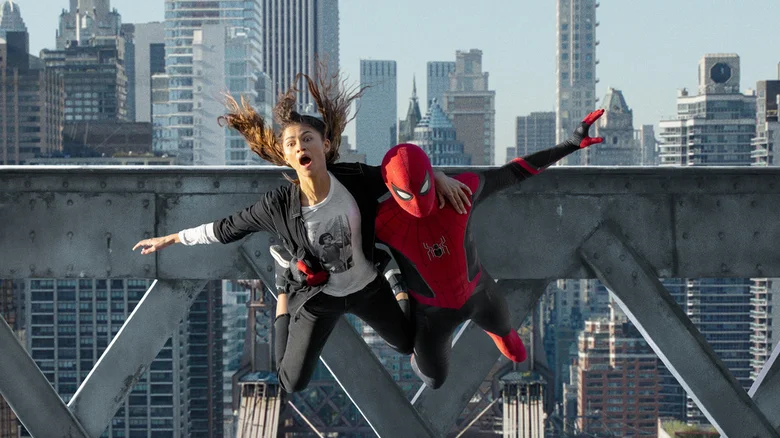
Earlier Spider-Man films frequently placed their female leads in danger so Spider-Man could rescue them.
No Way Home takes a more balanced approach.
MJ is still placed in dangerous situations, but she is not simply waiting for Peter to solve every problem.
She and Ned actively participate in the story. They investigate, help Peter track down villains and become essential parts of his attempt to repair the multiverse.
More importantly, Peter trusts MJ.
Their relationship feels less like superhero-and-girlfriend and more like two people facing an impossible situation together.
That makes the ending even more painful.
Peter is not walking away from someone who merely depends on him. He is walking away from someone who repeatedly proved that she could stand beside him.
For much of the film, their relationship represents one of the healthiest parts of Peter’s increasingly chaotic world.
Best: Peter Finally Learns That Not Every Problem Needs a Superhero Solution
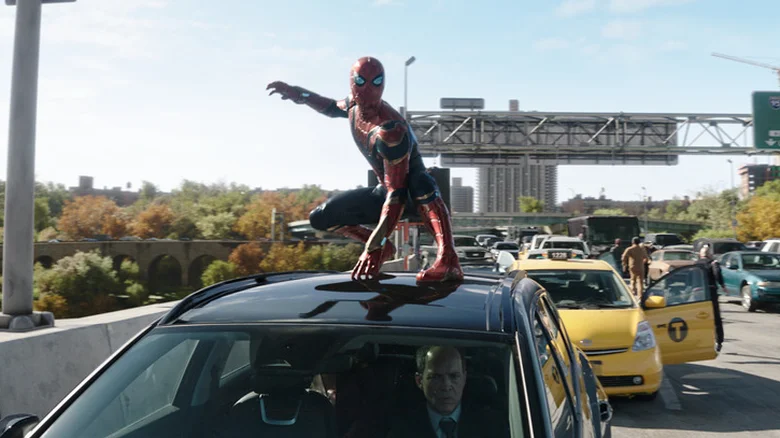
One of the funniest revelations in No Way Home comes after Peter explains why he approached Doctor Strange.
Peter, MJ and Ned were rejected from MIT because of the controversy surrounding Spider-Man.
So Peter decided that magically altering the memories of billions of people was a reasonable solution.
Strange then asks a painfully obvious question:
Did Peter ever simply call MIT?
He had not.
The moment exposes one of the weaknesses Peter developed after spending years surrounded by Avengers, alien technology and magic. When extraordinary solutions are constantly available, ordinary problem-solving starts to seem almost foreign.
Peter eventually does the simple thing.
He speaks directly with an MIT administrator and tries to explain what happened.
Naturally, the conversation is interrupted by a supervillain attack.
But the lesson still matters.
Peter begins taking responsibility for his own problems instead of expecting technology or magic to erase them.
That lesson becomes even more important by the movie’s final scene.
Best: Doc Ock and Green Goblin Become Even Better Characters
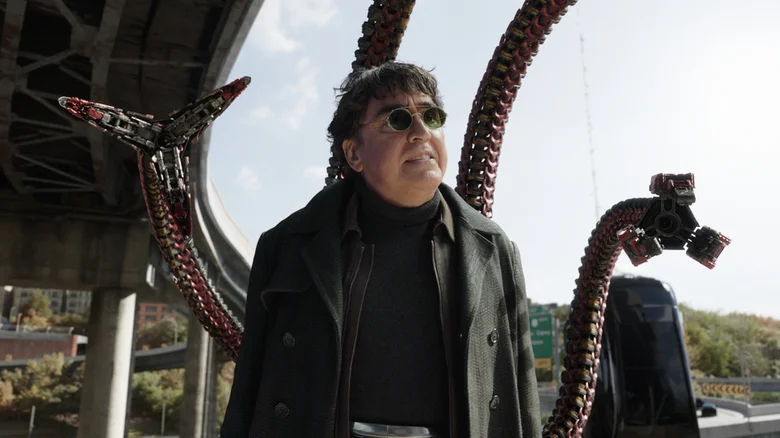
Alfred Molina’s Doctor Octopus and Willem Dafoe’s Green Goblin were already considered two of Spider-Man’s greatest movie villains.
No Way Home gives both actors another opportunity to show why.
Otto Octavius was never fundamentally evil. In Spider-Man 2, the artificial intelligence controlling his mechanical arms gradually overwhelmed the decent man audiences met earlier in the movie.
When Peter repairs Otto’s inhibitor chip in No Way Home, the real man finally returns.
Instead of simply being defeated, Doc Ock gets a genuine second chance.
Norman Osborn receives an equally fascinating expansion.
Dafoe moves between the frightened, vulnerable Norman and the vicious Goblin with startling intensity. The movie spends more time emphasizing that these are effectively two personalities fighting for control of the same man.
That makes Peter’s desire to cure Norman more meaningful.
He is not simply trying to neutralize a villain.
He is trying to save the person trapped underneath him.
Both characters benefit enormously from the extra time, turning what could have been nostalgic returns into genuine extensions of their original stories.
Best: Andrew Garfield Finally Gets the Moment His Spider-Man Needed
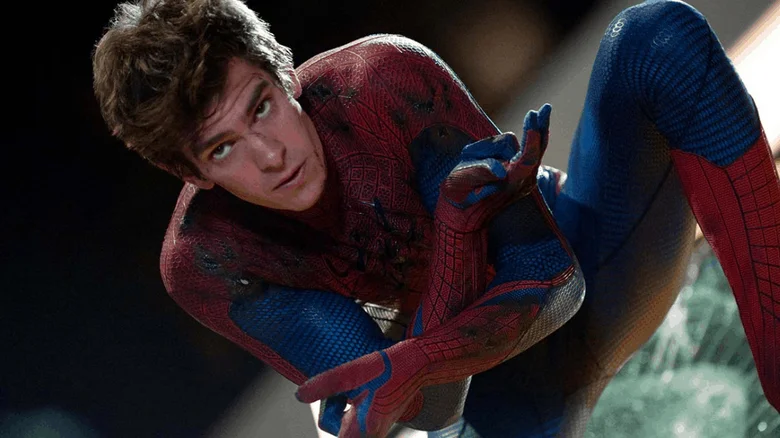
Perhaps no returning character benefits more from No Way Home than Andrew Garfield’s Peter Parker.
His story had been left unfinished after The Amazing Spider-Man 2.
Worse, it ended with one of the most traumatic moments any version of Peter Parker has experienced: the death of Gwen Stacy.
Peter tried to save Gwen when she fell.
He was not fast enough.
Years later, another young woman falls in almost exactly the same way.
During the battle at the Statue of Liberty, MJ is knocked from the structure. Holland’s Peter tries to reach her but is stopped.
Garfield’s Peter dives after her instead.
This time, he succeeds.
He catches MJ before she hits the ground.
What happens afterward is what makes the scene unforgettable.
Garfield’s Peter looks at MJ and becomes visibly overwhelmed. For everyone else, he has simply completed another rescue.
For him, it means much more.
He cannot go back and save Gwen.
But he can prevent another Peter Parker from living with the same grief.
The scene gives Garfield’s version of Spider-Man something his unfinished trilogy never could: emotional closure.
It is nostalgic without existing solely for nostalgia, and that may be the clearest example of why Spider-Man: No Way Home works as well as it does.
The movie does not simply bring the past back.
At its best, it gives the past a chance to heal.