A College Student Went to the Wrong House. Minutes Later, He Was Dead — and the Officer’s Bodycam Became the Center of the Case
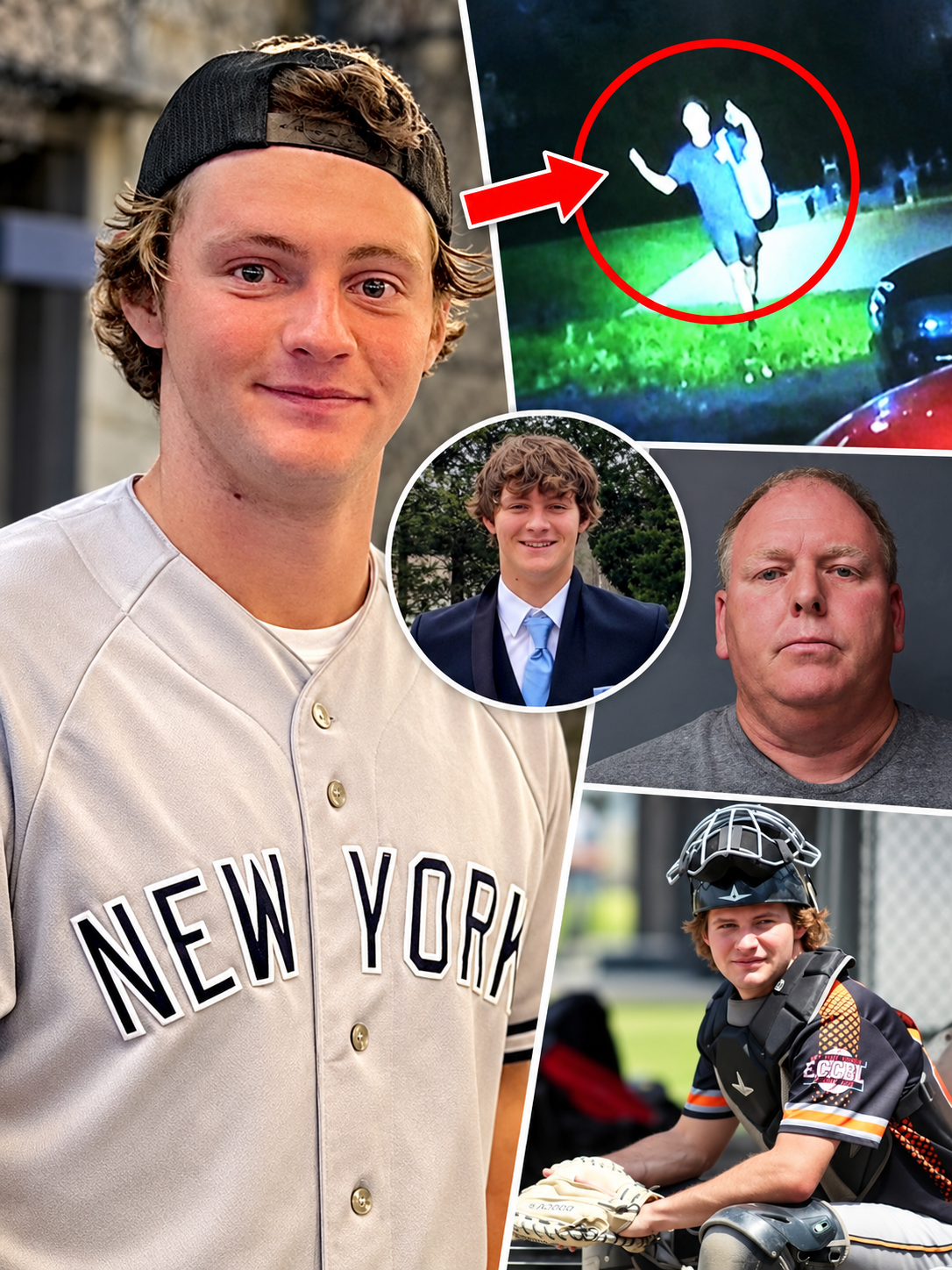
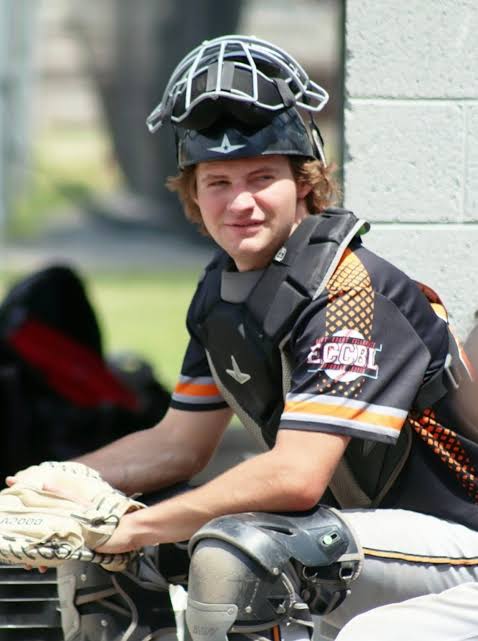
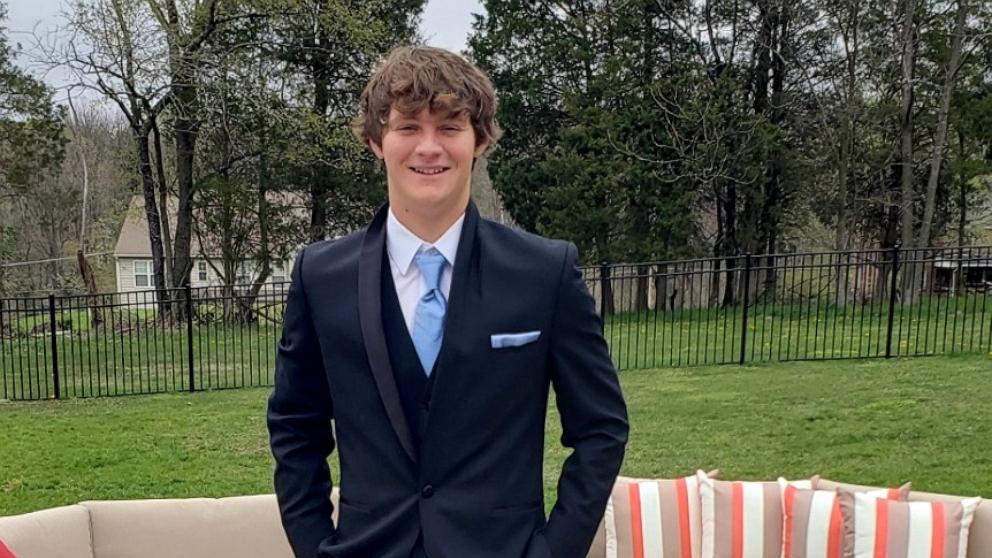
Glenwood Earl “Bubba” Pysher IV thought he was heading to a friend’s house after a birthday celebration in Pennsylvania.
Instead, the 22-year-old college student ended up at the wrong address.
Within minutes, police were called.
And before the night was over, Pysher had been shot twice in the chest by an Upper Pottsgrove Township police officer.
The Aug. 23 shooting might initially have appeared to be another chaotic late-night encounter involving a reported break-in and an officer responding to a potentially dangerous scene. But prosecutors say the officer’s own body-worn camera told a story that sharply conflicted with what he allegedly said afterward.
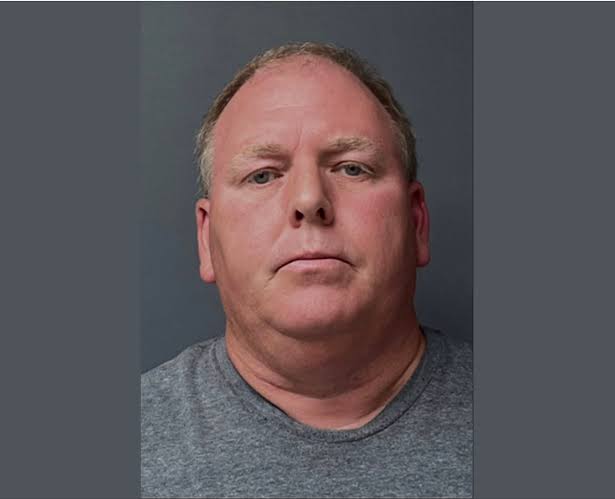
Cpl. Sean Farrell, 58, told another officer that Pysher had charged toward him while screaming and refusing to get on the ground, according to a criminal complaint.
Investigators say the video does not show that.
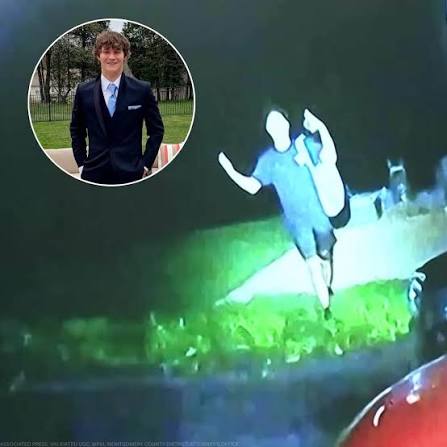
Instead, prosecutors say Pysher was unarmed, had raised his hands and was approximately 17 to 20 feet away from Farrell when the officer fired two fatal shots.
On Sept. 1, Montgomery County District Attorney Kevin Steele announced that Farrell had been charged with voluntary manslaughter.
Farrell has not been convicted, and the charge remains an allegation that prosecutors will have to prove in court.
A Birthday Celebration Ends at the Wrong Address
According to investigators, Pysher had spent the evening with friends celebrating a 21st birthday.
The group had visited several bars before a designated driver took them to the birthday celebrant’s home at approximately 11 p.m.
About 30 minutes later, Pysher left to walk roughly half a mile to another friend’s house, where the gathering was continuing.
He never made it there.
Instead, prosecutors say, Pysher mistakenly arrived at a different house on Snyder Road in Upper Pottsgrove Township.
Pysher’s father has said he believes his son thought he had reached his friend’s home and tried to enter before eventually sitting on or near the patio while waiting for friends to pick him up.
Inside the residence, however, the homeowners saw something entirely different.
They believed an unknown man might be attempting to break into their house.
At approximately 12:29 a.m., they called 911.
Farrell was the first officer to arrive.
The Body Camera Captures the Encounter
Farrell approached the property with his department-issued handgun drawn and used its mounted light as he moved down the driveway, according to investigators.
He positioned himself behind a red vehicle and spotted Pysher standing on a cement patio.
The body-camera recording then captured Farrell giving commands.
“Police, let me see your hands,” he yelled, according to the criminal complaint.
Farrell then ordered: “Hands up, hands up now, drop to the ground.”
The video shows Pysher raising his hands and beginning to walk toward the officer, authorities said.
Farrell again told him to get down.
He then began another warning — “Stop or I’ll—” — but fired before completing the sentence, according to prosecutors.
Two shots struck Pysher in the chest.
He was about 17 to 20 feet from Farrell when the gunfire occurred.
Investigators determined that Pysher had no firearm or other weapon.
He died from his injuries.
What Farrell Allegedly Said Afterward
The case changed dramatically because of something Farrell allegedly told a fellow officer after the shooting.
According to the affidavit of probable cause, Farrell described Pysher as having aggressively rushed him.
“The guy f—ing charged me, screaming and yelling and wouldn’t get down on the ground,” Farrell allegedly said.
But District Attorney Steele said investigators reviewing the body-camera footage saw something different.
“The young man has his hands up,” Steele said when announcing the charge. “He does not have a weapon. He did not charge or act aggressively.”
Steele also emphasized that Pysher was not attempting to escape and had not committed a forcible felony. While Pysher appeared intoxicated, prosecutors said he was responding to at least some of Farrell’s commands, including the instruction to raise his hands.
That discrepancy between the officer’s description and the video evidence became central to the criminal investigation.
Prosecutors Say Deadly Force Was Not Justified
Pennsylvania law does not automatically permit an officer to use deadly force simply because someone fails to immediately obey a command.
The legal question centers on whether deadly force was reasonably necessary under the circumstances.
Steele said investigators concluded that it was not.
“At the time these two fatal shots were fired, Mr. Pysher had his hands up,” the district attorney said.
Authorities also focused on the equipment Farrell had available.
According to the criminal complaint, Farrell carried less-lethal tools, including a stun gun and baton, but did not use them before firing his handgun.
The complaint alleges that Farrell “unreasonably used deadly force without any consideration of using less lethal means against Pysher.”
Steele said the shooting was not a lawful use of deadly force under Pennsylvania law.
On Sept. 1, Farrell turned himself in and was arraigned on one count of voluntary manslaughter. His bail was set at $75,000.
Farrell Retires After Being Charged
The consequences for Farrell extended beyond the criminal charge.
One day after prosecutors announced the manslaughter case, Farrell voluntarily retired from the Upper Pottsgrove Township Police Department.
He had first been suspended without pay following the filing of charges.
Township officials also announced that the department would conduct an internal review of relevant training policies and field-response procedures.
Farrell’s retirement does not resolve the criminal case.
He remains entitled to the presumption of innocence, and prosecutors will have to establish beyond a reasonable doubt that his use of deadly force met the legal requirements for voluntary manslaughter.
A Case Built Around Seconds of Video
Police shootings often produce competing accounts from witnesses, officers and investigators.
In this case, prosecutors say the body-worn camera provides unusually important evidence because it captured the final seconds before the shots were fired.
The video does not answer every possible question.
It will ultimately be up to the court to determine how the footage should be interpreted alongside Farrell’s perception of the encounter, his training, the 911 report of a possible break-in and the totality of circumstances he encountered when he arrived.
But prosecutors have already made their position clear.
They say the evidence does not support Farrell’s alleged description that Pysher charged him.
They say Pysher was unarmed.
They say his hands were raised.
And they say the distance between the two men gave Farrell other options.
The case therefore turns not only on what the officer believed in the moment but also on what jurors may eventually see for themselves.
From a Wrong Turn to a Criminal Prosecution
Pysher’s death began with an ordinary mistake.
A college student leaving a birthday gathering tried to find another friend’s home and went to the wrong address.
The homeowners did not know who he was and feared someone was trying to enter their house.
They called police.
From there, events unfolded in a matter of minutes.
What followed has now become a criminal case against the officer who responded.
For Pysher’s family, the facts are devastatingly simple: their 22-year-old son went looking for a friend’s house and never came home.
For prosecutors, the key evidence is the recording attached to Farrell’s uniform.
And for Farrell, who now faces a voluntary manslaughter charge, that same footage could become the most important evidence jurors see if the case goes to trial.
The central question is no longer only why a college student ended up at the wrong house.
It is whether the officer who found him there was legally justified in pulling the trigger.
That question has not yet been decided.