Hours After Camp Mystic Flooded, Lulu Peck’s Parents Got the Call Every Parent Was Praying For — Then the Caller Asked for Money

In the first chaotic hours after floodwaters tore through Camp Mystic, Missy and Tim Peck were desperate for one thing: proof that their 8-year-old daughter, Eloise “Lulu” Peck, was alive.
Then the phone rang.
The caller said Lulu had been found.
For a parent waiting through a disaster, it was the message they had been praying to hear.
But then came the demand for money.
Nearly a year later, Lulu’s parents revealed that people had contacted them within hours of the July 4, 2025 flood, falsely claiming their daughter had been found alive and attempting to extract money from them. Even more disturbing, Missy Peck said the calls did not end when the immediate crisis was over.
“It added another horrific element,” she told FOX 4 Dallas-Fort Worth in a June 29 interview. “And we still get those calls.”
The disclosure adds a largely unseen layer to the tragedy surrounding Camp Mystic.
Before the Pecks knew for certain that Lulu was gone, they were already being forced to question whether the voices offering hope on the other end of the phone were real.
Hope Became Something They Had to Distrust
The flash flooding that struck the Texas Hill Country before dawn on July 4, 2025, overwhelmed communities along the Guadalupe River with extraordinary speed. Camp Mystic, the century-old girls’ camp near Hunt, was among the hardest-hit locations.
Twenty-seven campers and counselors from the camp were eventually confirmed dead. Lulu was among them.
But those confirmations did not come all at once.
In the earliest hours, families were dealing with incomplete information, missing children, rescue operations and rapidly changing reports about who had been found.
That uncertainty created the opening described by Lulu’s parents.
Someone could call and say the words they most wanted to believe.
Your daughter has been found.
She is alive.
And for a moment, the possibility could sound real.
Then the caller would ask for money.
The Pecks did not publicly identify the callers in the interview, and the report does not say whether law enforcement traced the calls or whether anyone has been charged in connection with them.
What is clear is the timing.
According to the family, the scam attempts began within hours of the disaster — before grief had even settled into certainty.
That made the calls something more than an ordinary financial scam.
They exploited uncertainty itself.

The Worst News Had Not Yet Arrived
The emotional cruelty of the calls is easier to understand when placed in the narrow window in which they happened.
At that point, Missy and Tim were not parents mourning a confirmed death.
They were parents searching for a missing child.
There is an enormous difference.
In that period, every message matters. Every rumor can become a possibility. A report that someone has been rescued can change the emotional direction of an entire family within seconds.
That was the environment in which the false claims arrived.
The Pecks had no reason to want to doubt good news.
But suddenly, they had to.
That distinction helps explain why the detail remains so painful nearly a year later.
The family was already living through the fear that Lulu might be missing somewhere in the devastation.
At the same time, they were being confronted with people who appeared willing to weaponize that fear.
Their grief, in other words, did not begin only when Lulu’s death was confirmed.
It began in confusion.
A Different Kind of Trauma After a Public Tragedy
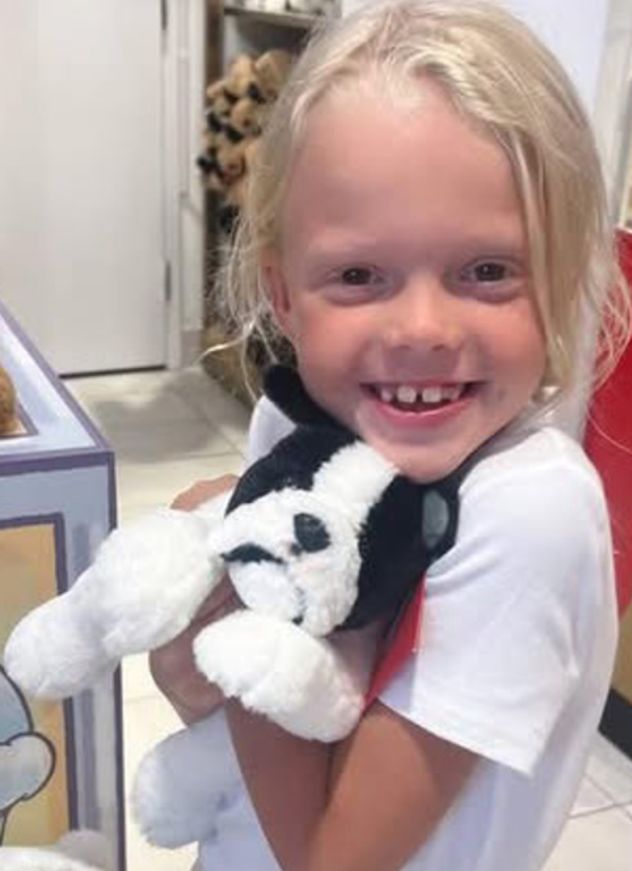
Lulu’s death became widely known after the flood, and her story has remained public because of the way her family has chosen to honor her.
But public attention can create consequences families never expect.
Missy and Tim told FOX 4 that the publicity surrounding the disaster has itself been painful. The scam calls were one part of that experience.
Their account illustrates a problem that can follow highly visible tragedies: grieving families do not always receive only support.
They can also receive false information, impersonation attempts and contact from people exploiting the attention around the case.
In Lulu’s family’s situation, the scammers apparently understood exactly what would make a parent respond.
Not a threat.
Not a lottery prize.
Not a fake bill.
A living child.
The tactic depended on the Pecks wanting the message to be true.
The Private Reality Behind the Public Story
By June 2026, the family had begun speaking more openly about the life that continued after Camp Mystic.
One of the most powerful images Tim shared had nothing to do with the flood itself.
It was Lulu’s bedroom.
Her belongings were still there. On her desk remained a note from the camp counselor she was supposed to spend the summer with, expressing excitement about seeing her.
Tim described walking upstairs and encountering those objects as a constant reminder of his daughter.
Missy described hearing Lulu’s voice in her mind — her giggle, the way she would say “Mommy.”
Those are the memories the family says it tries to hold onto.
They are also what makes the scam-call revelation particularly stark.
The callers tried to turn the family’s most desperate wish — hearing that Lulu was coming home — into a transaction.
Who Lulu Was Before She Became a Headline
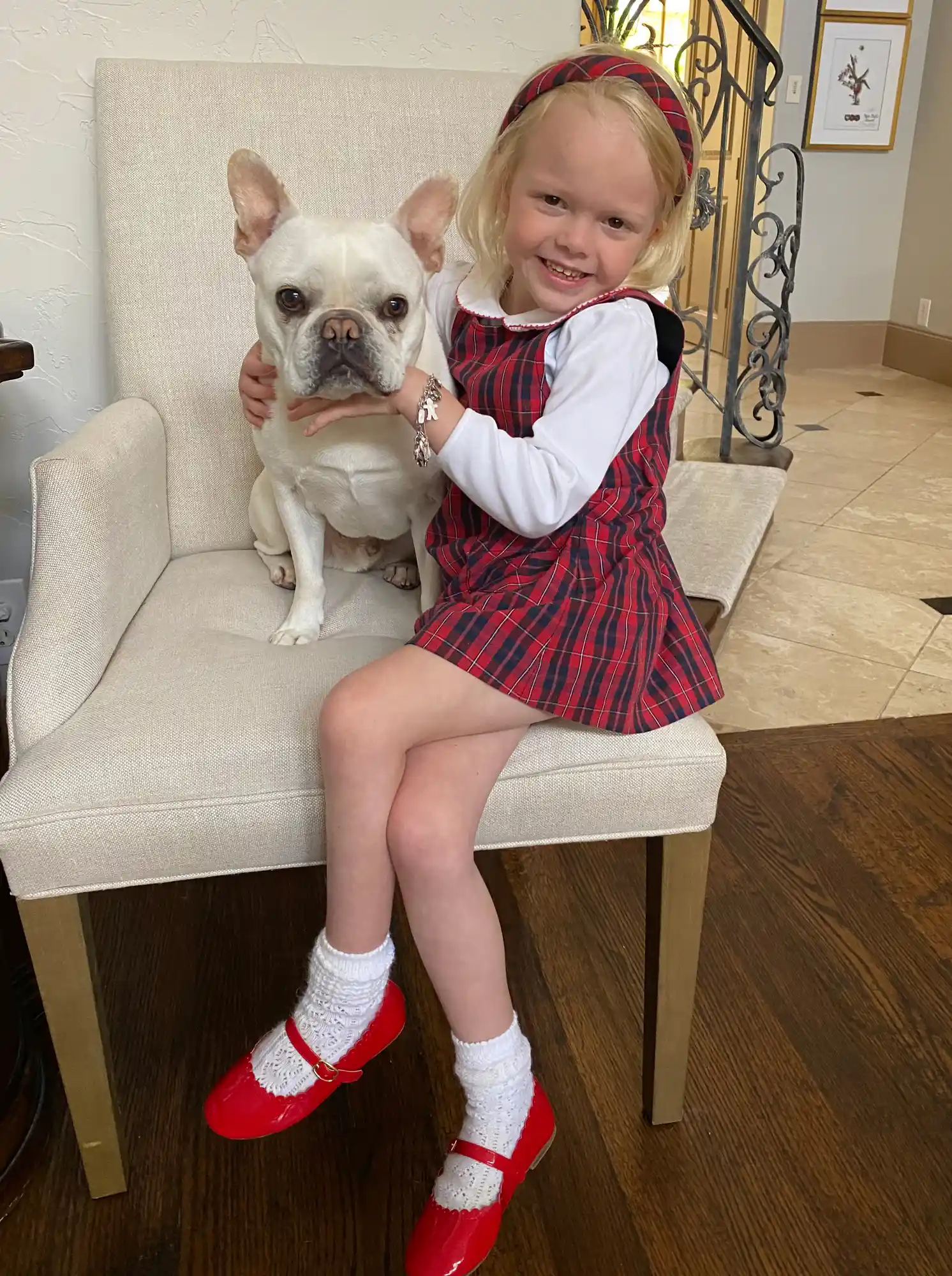
The Pecks have worked to make sure their daughter is remembered for more than the way she died.
They described Lulu as deeply empathetic and naturally drawn toward children who felt left out.
Missy recalled learning from the parents of a boy with autism that Lulu had been his only friend. Lulu, meanwhile, would come home talking excitedly about him.
She also loved animals, especially dogs.
Those qualities became the basis of the Living for Lulu Foundation, which Tim and Missy established to support children and animals in need. Her school has also created a learning garden bearing her name.
The family has said Lulu spent her final night at camp laughing and dancing with close friends.
That is the version of her they want to carry forward.
Not simply a victim in one of the deadliest flood disasters in recent Texas history.
A little girl who made room for other people.

The Calls Never Completely Stopped
Perhaps the most unsettling part of Missy Peck’s disclosure is that she did not describe the scam attempts as something confined to July 4, 2025.
She said the family still receives them.
The FOX 4 report does not specify how frequently those calls arrive now, what form the newer attempts take, or whether they continue to claim Lulu is alive.
Those details remain unclear.
But the fact that unwanted calls have continued almost a year after the flood shows how long the secondary effects of a public tragedy can follow a family.
The disaster itself lasted hours.
The consequences have not.
For Missy and Tim, there are now foundations, memorials and stories designed to keep their daughter’s kindness alive.
There is also a memory from the first hours after the flood that is far harder to transform into something positive.
Their phone rang.
Someone told them Lulu had been found alive.
For one instant, the words contained everything they wanted.
Then the person asked for money.
What remains unclear is who made those calls, whether anyone was ever identified, and why — nearly a year later — Lulu’s family says they are still receiving them.