His Family Heard Over the Radio That a Child Was Alive. Then Came the Question No One Wanted to Ask
The first piece of good news arrived over the radio.
Derek Parker Aghnaanga’s family had been following the search for the 15-year-old and the two relatives who had gone out with him from Savoonga, Alaska, days earlier.
Then they heard that a child had been found alive.
According to an account later given by Derek’s aunt to The Associated Press, that moment brought the news the family had been desperately waiting for: someone had survived.
But almost immediately, relief gave way to another question.
What about the other two?
One of them was Derek’s 35-year-old brother, Sidney Kulowiyi.
The other was a cousin who had also been on the boat.
By the end of the rescue, one family would be confronting two realities at once. Derek was coming home alive. Sidney and their cousin were not.
The three had left Savoonga on Sept. 4, 2026.
Savoonga sits on St. Lawrence Island in the Bering Sea, off Alaska’s western coast. The group was traveling by skiff, but by the evening of Sept. 6, they had been reported missing.
A search followed.
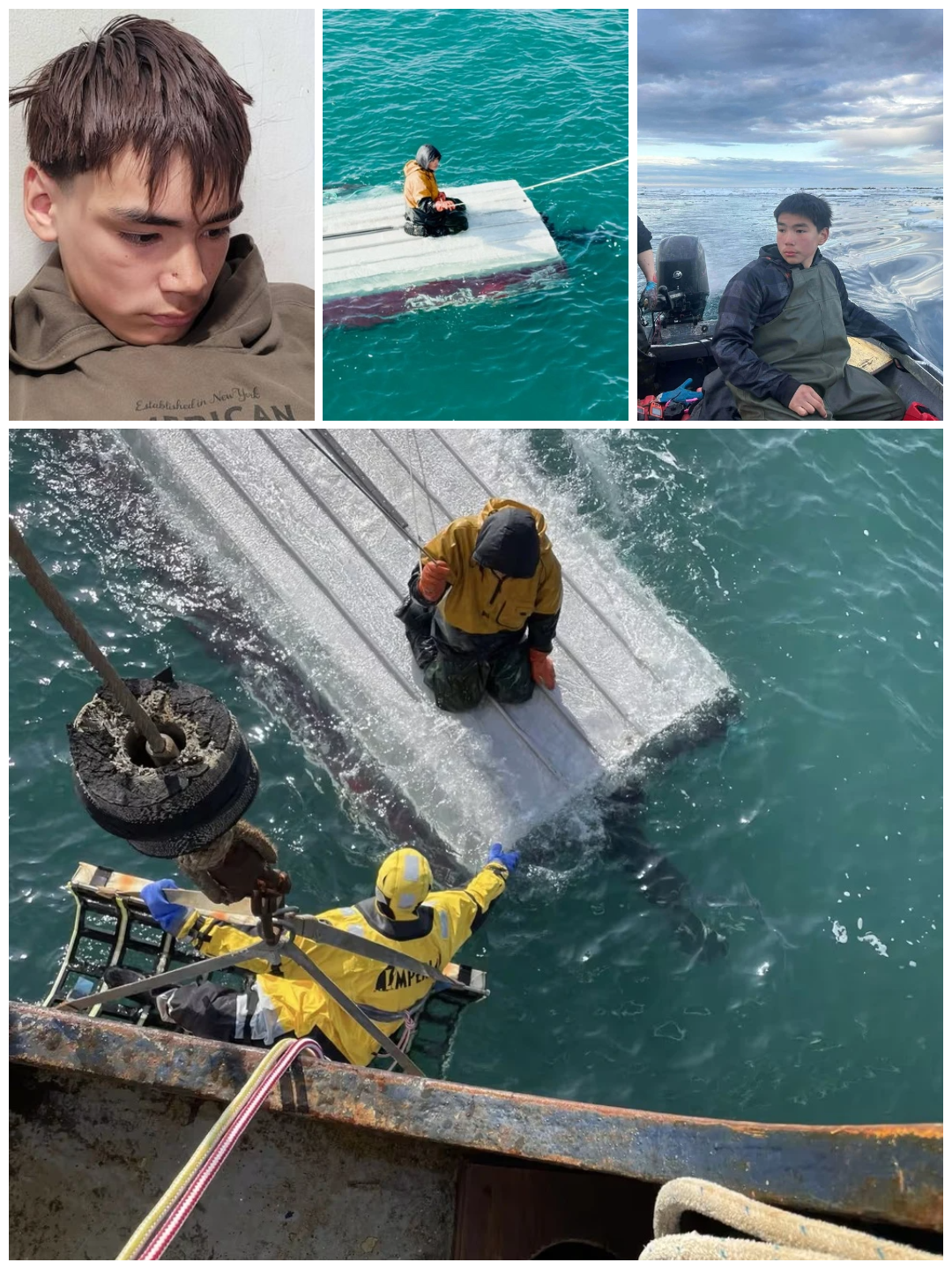
The next day, Sept. 7, a U.S. Coast Guard HC-130 aircraft spotted Derek approximately four miles east of St. Lawrence Island.
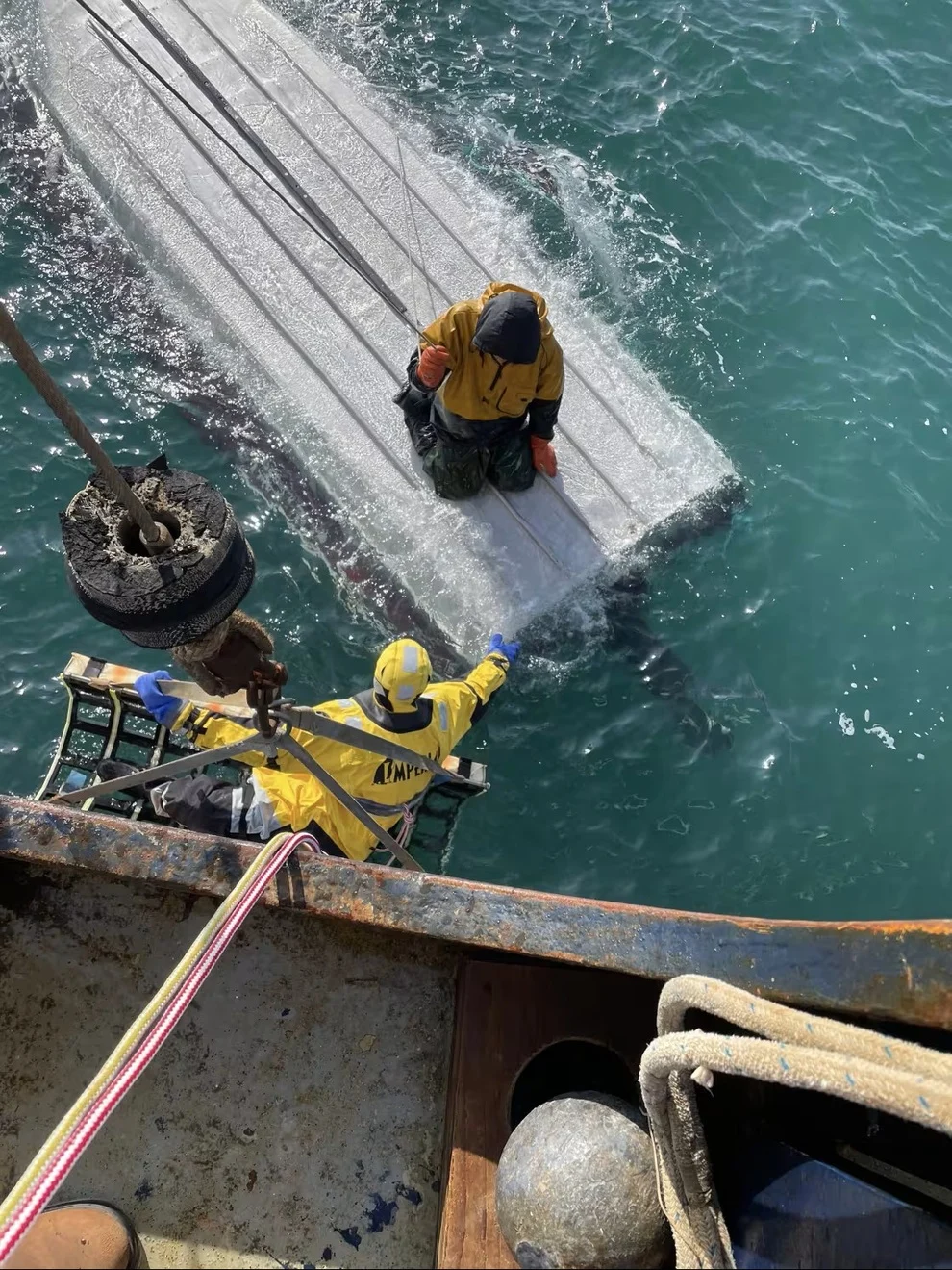
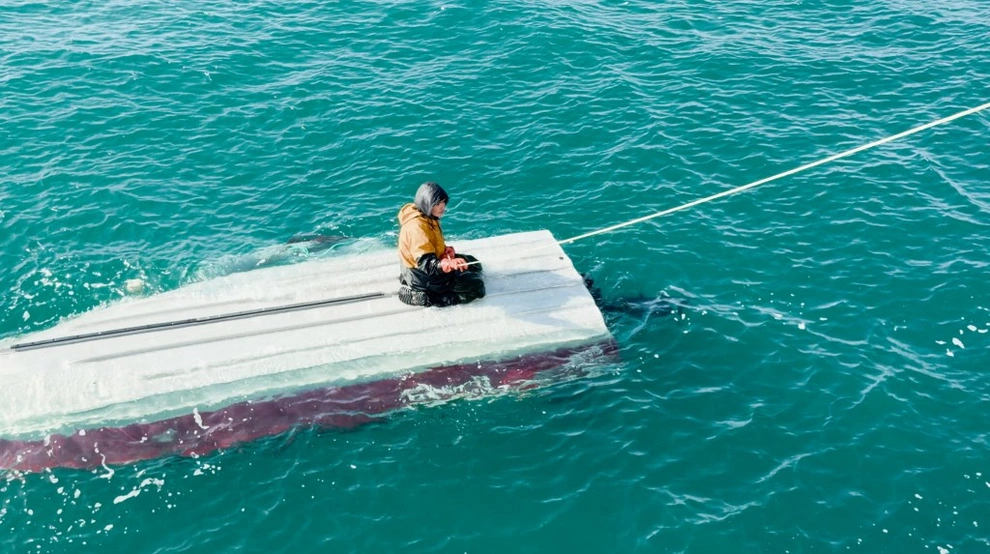
The details of that discovery matter because the Coast Guard later corrected parts of its initial public account. In its second correction, issued Sept. 9, the agency said Derek was found sitting on the overturned skiff.
The aircraft crew dropped a life raft and survival equipment into the area.
The Coast Guard then coordinated with the civilian vessel Northwest Explorer, which headed toward the overturned boat to reach the teenager.
Derek was rescued with signs of hypothermia, according to the Coast Guard.
Two other people were found unresponsive.
They were later confirmed dead.
For Derek’s family, however, the official sequence of aircraft, equipment drops and vessel movements was unfolding alongside something far more personal: the uncertainty of not yet knowing exactly who had been found and what had happened to everyone else.
The AP account published Sept. 11 offered a glimpse of those minutes from inside the family.
They were listening to radio communications connected to the rescue when word came that a child was alive.
For a family that had spent days without knowing what had happened on the water, the significance was obvious.
Derek was 15.
But knowing that one person had survived did not answer the question of the other two.
The rescue that brought Derek back would also confirm the loss of Sidney and the cousin who had traveled with them.
Sidney’s death carried another layer of meaning for the teenager.
According to Derek’s family, as reported by AP, Sidney was more than an older brother in Derek’s life. Their father had died when the brothers were young, and Derek came to look up to Sidney as a father figure.
That relationship changes the way the story reads when reduced to a rescue summary.
A 15-year-old survivor was found.
Two others died.
Those statements are accurate, but they cannot fully describe what the names represent inside one family.
Sidney was not simply another person aboard the skiff.
He was Derek’s older brother and, according to the family, someone who had occupied a deeply important place in his upbringing.
That is also why the story does not end with the moment Derek was lifted from danger.
By mid-September, he had returned to his family.
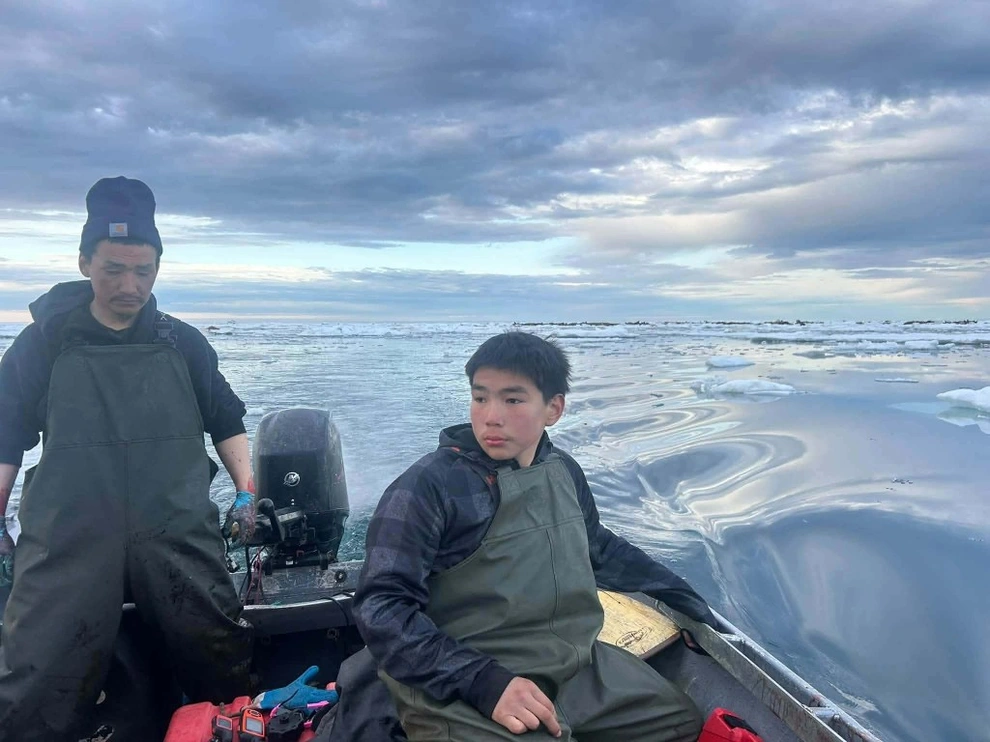
There are many details about his time on the water that have circulated publicly, but some should be treated carefully.
The Coast Guard has not publicly established in the information provided here exactly what caused the skiff to overturn. Accounts from relatives may offer additional descriptions of what happened, but they should not be presented as official findings.
Likewise, claims that Derek spent a specific number of hours physically holding the bodies of his relatives should not be stated as Coast Guard-confirmed fact.
What is confirmed is already extraordinary without adding anything to it.
Three family members left Savoonga on Sept. 4.
They were reported missing on Sept. 6.
On Sept. 7, a Coast Guard aircraft found Derek sitting on the overturned skiff about four miles east of St. Lawrence Island.
A raft and survival gear were dropped.
The Northwest Explorer was directed to the location.
Derek was rescued showing signs of hypothermia.
Sidney and the other relative were found unresponsive and did not survive.
And somewhere during that unfolding operation, Derek’s family heard through the radio that a child had been found alive.
For a moment, there was an answer to the question they had been carrying since the group disappeared.
Then came another.
The contrast is what makes the rescue so difficult to tell as a simple story of survival.
It contained the kind of outcome families hope for during a search: someone was found alive.
But it also carried the news they fear most.
Derek returned to a family that had been waiting for him, while that same family was beginning to absorb the loss of two other relatives.
The Coast Guard itself later issued two corrections to information released during the fast-moving response, including details involving Derek’s age and the circumstances of how and when he was located. The agency’s Sept. 9 Correction 2 provides the updated official account and is the safer reference for describing the rescue.
That correction also serves as a reminder of how quickly information can change during an emergency.
For the people listening from home, however, the essential facts were simpler and heavier.
One of their children was alive.
Two members of the family were not coming back.
Derek’s survival will understandably remain one of the most visible parts of the story. He was 15 years old, found on an overturned boat in the cold waters near St. Lawrence Island after his family had gone days without knowing his fate.

But the radio moment described by his aunt reveals another side of the rescue.
A search does not always end in either celebration or grief.
Sometimes both arrive almost together.
For Derek’s family, the message that a child had survived marked the beginning of a reunion.
It also marked the beginning of a loss.
And behind the Coast Guard timelines, aircraft reports and rescue footage is a family now living with both.