Nick Reiner Says He Hasn’t Received Even $5 From Family Trust While Awaiting Double-Murder Trial
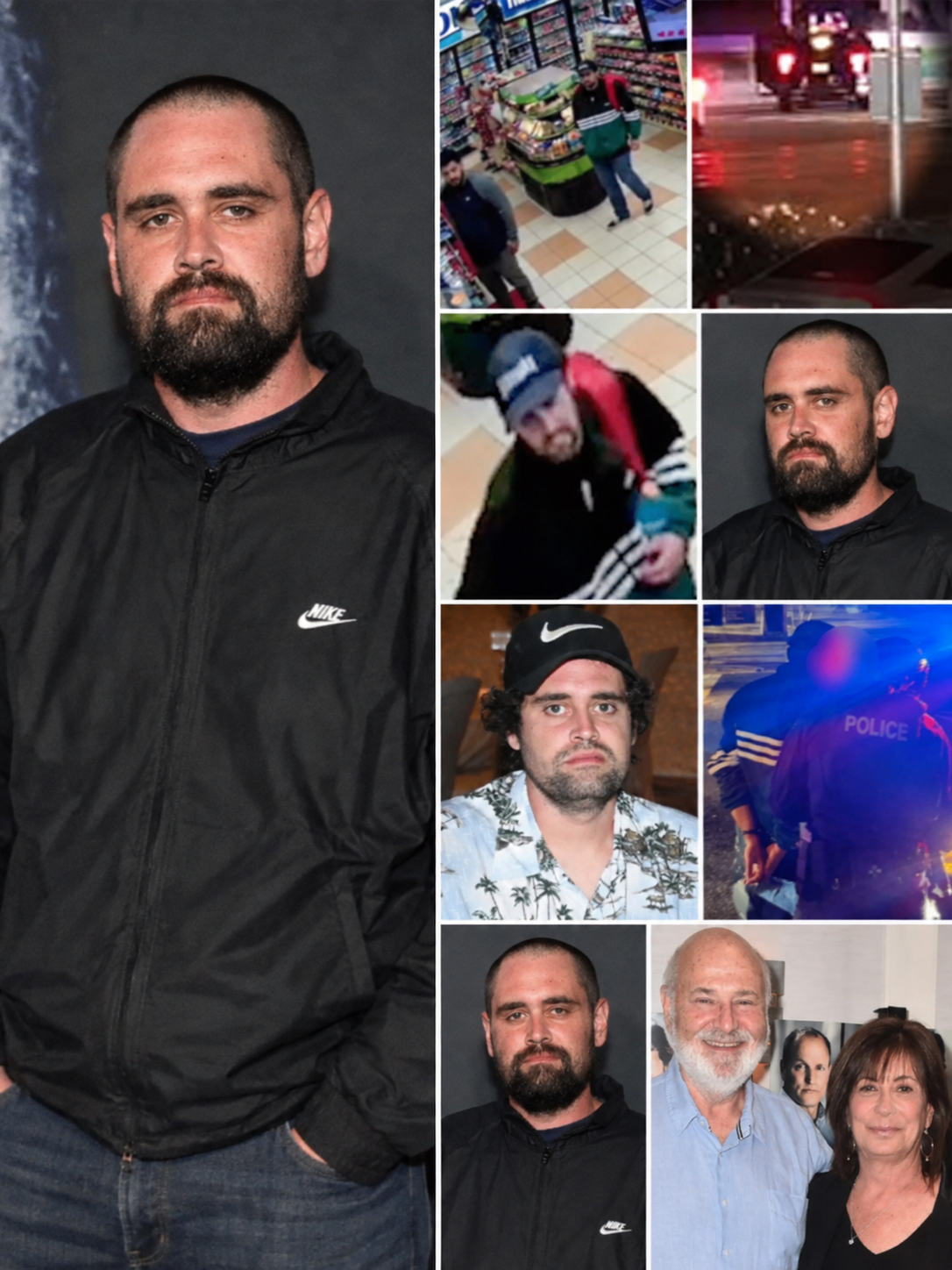
Nick Reiner says he has been unable to access even a few dollars from a family trust worth roughly $1.6 million while he remains jailed awaiting trial in the killings of his parents, according to new court filings.
The 33-year-old is seeking access to at least $558,000 that his attorneys say should have been distributed to him when he turned 30 in 2023 — more than two years before the deaths of his parents, filmmaker Rob Reiner and photographer Michele Singer Reiner.
In two filings submitted Sept. 17 in Los Angeles County Superior Court, Nick’s attorneys argued that the continued withholding of the money has left him unable to pay for private criminal defense counsel, legal experts or even basic items from the jail commissary.
The dispute has created a complicated legal battle running alongside Nick’s criminal case, where he faces two counts of first-degree murder with special-circumstance allegations.
He has pleaded not guilty.
Attorneys Say Trust Money Was Due Years Before Parents’ Deaths
At the center of the fight is the Nick Reiner Children’s Trust, which his parents established for him in 1993 when he was an infant.
Nick is the sole beneficiary of the trust, which his attorneys say currently contains approximately $1.6 million.
According to the new filings, the trust required a significant distribution when Nick turned 30 on Sept. 14, 2023.
His lawyers say the successor trustee’s own calculations show that at least $558,000 became payable to him on that date.
That timing is central to their argument.
Nick’s parents were alive in September 2023, and he had not been accused of any crime connected to them. His attorneys therefore argue that the money became legally his well before the events that led to the current murder case.
The defense team is challenging efforts to keep that portion of the trust frozen while the criminal proceedings continue.
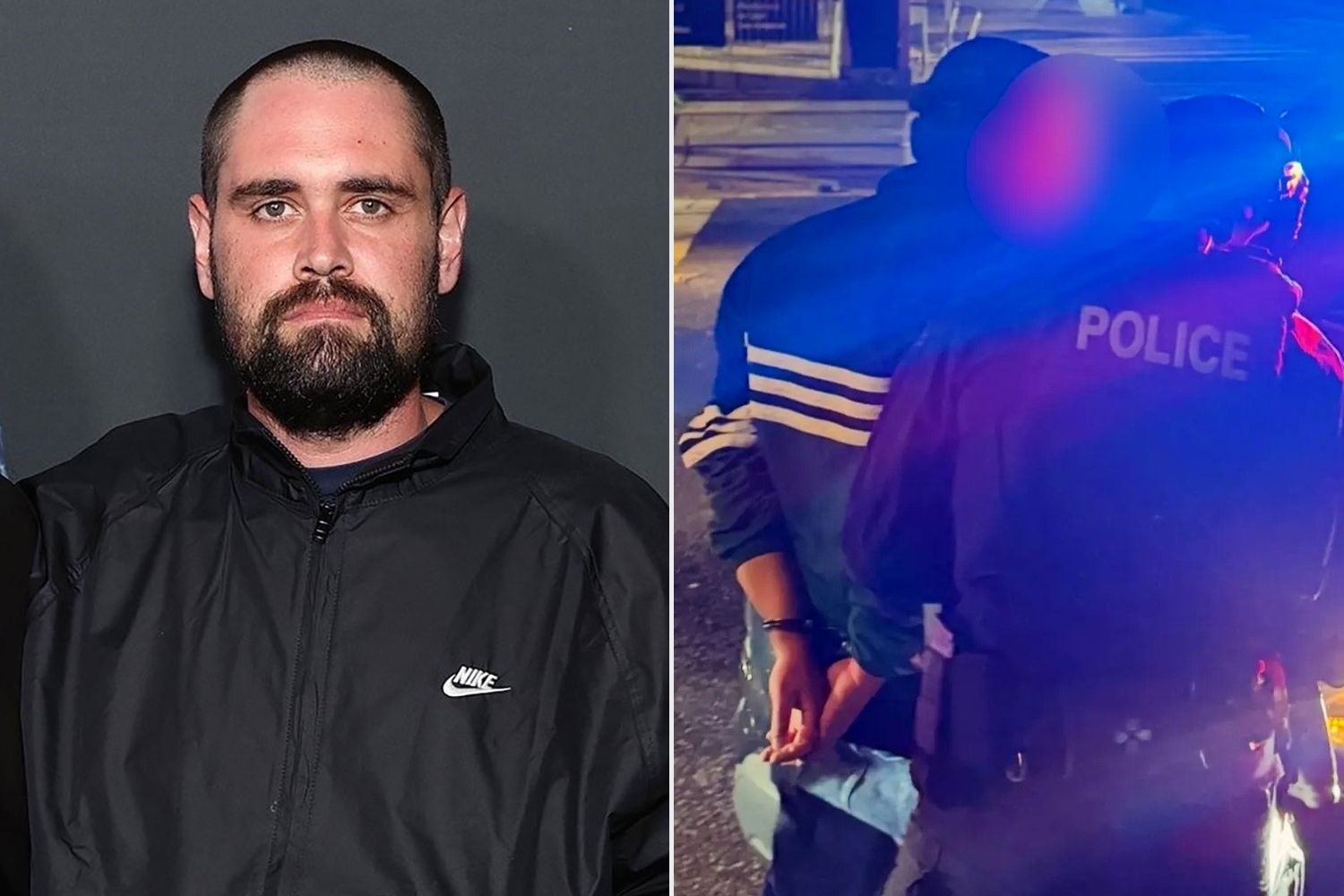
The ‘Slayer Statute’ Is a Key Issue
The legal dispute partly centers on California’s so-called Slayer Statute.
Generally, the law is intended to prevent someone from financially benefiting from a death they unlawfully caused.
The successor trustee has argued that distributions should remain on hold until Nick’s criminal case is resolved and a court can determine whether the statute applies.
Nick’s attorneys dispute that reasoning, at least when it comes to money they say vested before his parents died.
Their position is that the statute cannot be used to block funds that became Nick’s property years before their deaths because those assets were not inherited as a consequence of their deaths.
They are asking the court to order payment of the Age-30 Distribution, along with any investment growth that accrued while the money remained withheld.
The dispute has not yet been resolved.
‘Not Even $5’ for the Jail Commissary
One of the most striking claims in the latest filings concerns Nick’s commissary account.
His attorneys say he has not received even $5 from the trust to purchase basic items while in custody.
They allege that former trustee Paul R. Kanin agreed in April to make deposits into Nick’s commissary account.
According to the filing, Kanin’s attorney asked for deposit instructions on April 18 and April 20. Nick’s legal team says it provided the necessary information the next day and later followed up.
But the attorneys claim no deposit was ever made.
Kanin, who served as trustee for approximately 15 weeks before resigning in May, has denied allegations that he breached his fiduciary duties. He has argued that his actions in administering the trust were prudent.
Nick’s attorneys take a very different view, accusing the trustees of repeatedly delaying his access to money they contend is legally his.
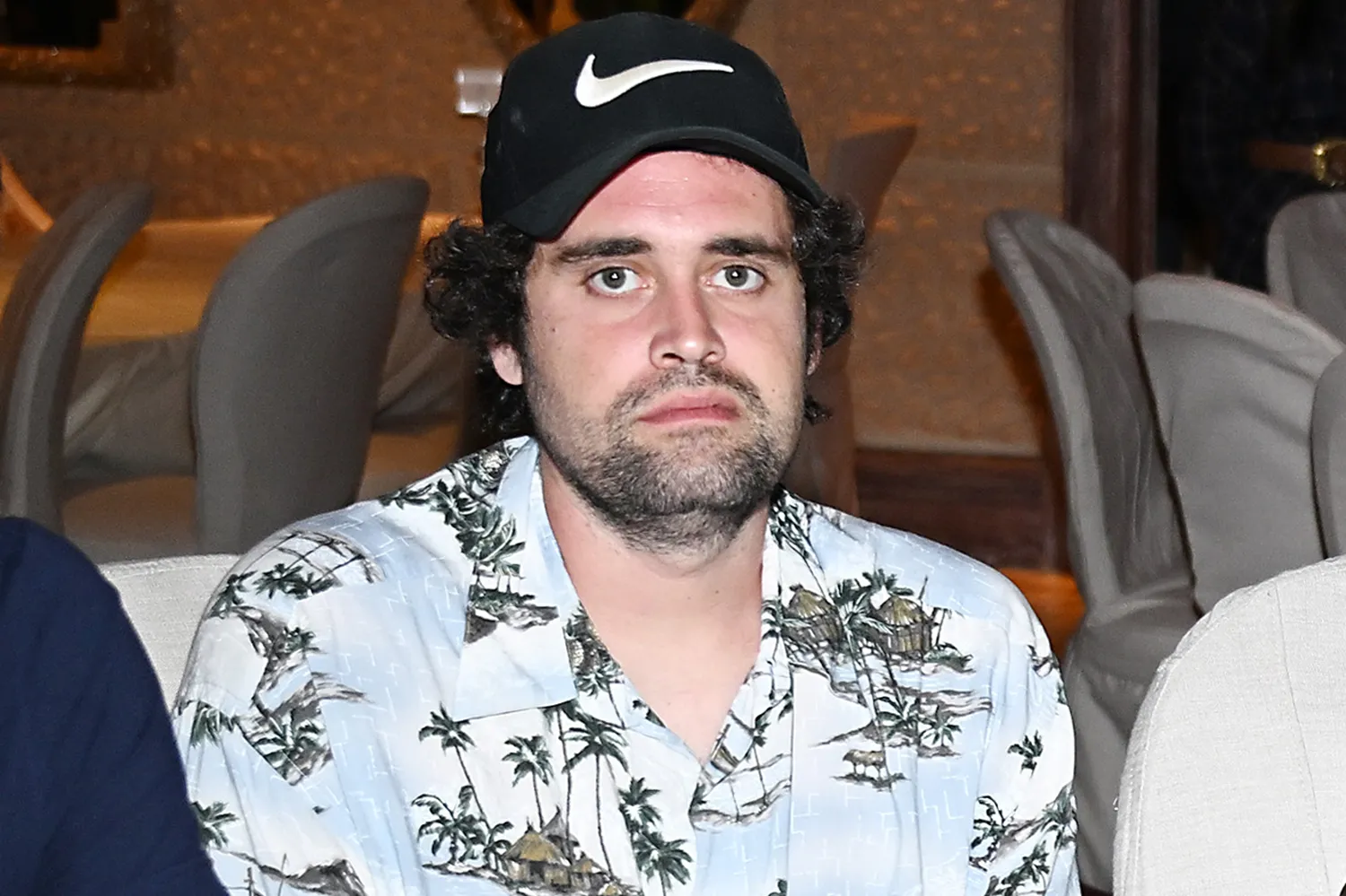
Defense Says Lack of Access Is Affecting Murder Case
The trust dispute carries consequences beyond Nick’s day-to-day life in jail.
His attorneys argue that withholding the money has prevented him from retaining private lawyers and experts for a criminal case that could result in life imprisonment without parole.
Nick was initially represented by prominent defense attorney Alan Jackson following his December 2025 arrest.
Jackson later withdrew from the case, citing circumstances beyond the defense team’s control.
Nick has since been represented by the Los Angeles County Public Defender’s Office. In an earlier court filing, he indicated that he hoped to rehire Jackson if he gained access to the trust funds.
His current attorneys argue that he is not relying on publicly funded counsel because he lacks financial resources in principle, but because trustees have prevented him from accessing assets held in his name.
They contend that this raises constitutional concerns if the money is ultimately determined to be untainted property that Nick was already entitled to use.
More Than $250,000 Allegedly Spent Fighting Over the Trust
Nick’s attorneys are also criticizing the amount of money being spent on the trust litigation itself.
According to the filings, lawyers representing the trustees have already generated more than $250,000 in legal fees.
Those fees, Nick’s attorneys claim, are being paid directly out of the trust.
That means, they argue, the same pool of money Nick is trying to access is simultaneously shrinking as the parties continue fighting in court over whether he can use it.
The trustees have pushed back.
Successor trustee Jodi Pais Montgomery has argued that the trust should be preserved until the criminal case is completed and the potential application of the Slayer Statute is fully determined.
Kanin has also denied wrongdoing in his handling of the funds.
Attorneys Point to Money From Carl Reiner
Nick’s legal team has raised another argument involving his late grandfather, legendary actor and comedian Carl Reiner, who died in June 2020.
The attorneys say at least $325,017.49 in trust assets originated from Carl.
Their position is that the Slayer Statute should not apply to that money under any circumstance because Nick is not accused of having any role in his grandfather’s death.
They argue that assets passed down from Carl cannot reasonably be characterized as financial benefits resulting from the deaths of Rob or Michele Reiner.
That issue adds another layer to a trust dispute that is becoming increasingly complex.
Murder Trial Remains Separate From Trust Battle
The financial fight is unfolding as Nick awaits trial in the deaths of his parents.
He was arrested in December 2025 after Rob and Michele were found dead at their Brentwood home in Los Angeles.
A grand jury later indicted him on two counts of first-degree murder, with special circumstances alleging lying in wait and the use of a knife.
The Los Angeles County District Attorney announced on Sept. 15 that prosecutors will not seek the death penalty.
Nick could still face life in prison without the possibility of parole if convicted on the most serious charges.
The criminal accusations remain allegations, and his guilt or innocence will ultimately be determined through the court process.

What Happens Next
For now, the question before the probate court is narrower but financially significant: whether Nick should be allowed to access money from the trust before his criminal case is resolved.
His attorneys want the judge to order payment of the approximately $558,000 Age-30 Distribution, authorize the use of trust assets for criminal-defense expenses and direct the trustee to fund his jail commissary account.
The trustees argue that the money should remain protected until the murder case and the potential application of California’s Slayer Statute are settled.
A hearing on the trust dispute is scheduled for Oct. 23 at 8:30 a.m. in Los Angeles County Superior Court.
Until then, the unusual legal conflict remains unresolved: a defendant awaiting trial for the deaths of the people who created his trust is simultaneously asking the court to give him access to hundreds of thousands of dollars he says legally became his years before those deaths.