Patrick Clancy Says He ‘Did the Best I Could’ as Family Tragedy Continues to Shape His Life After Lindsay Clancy Mistrial
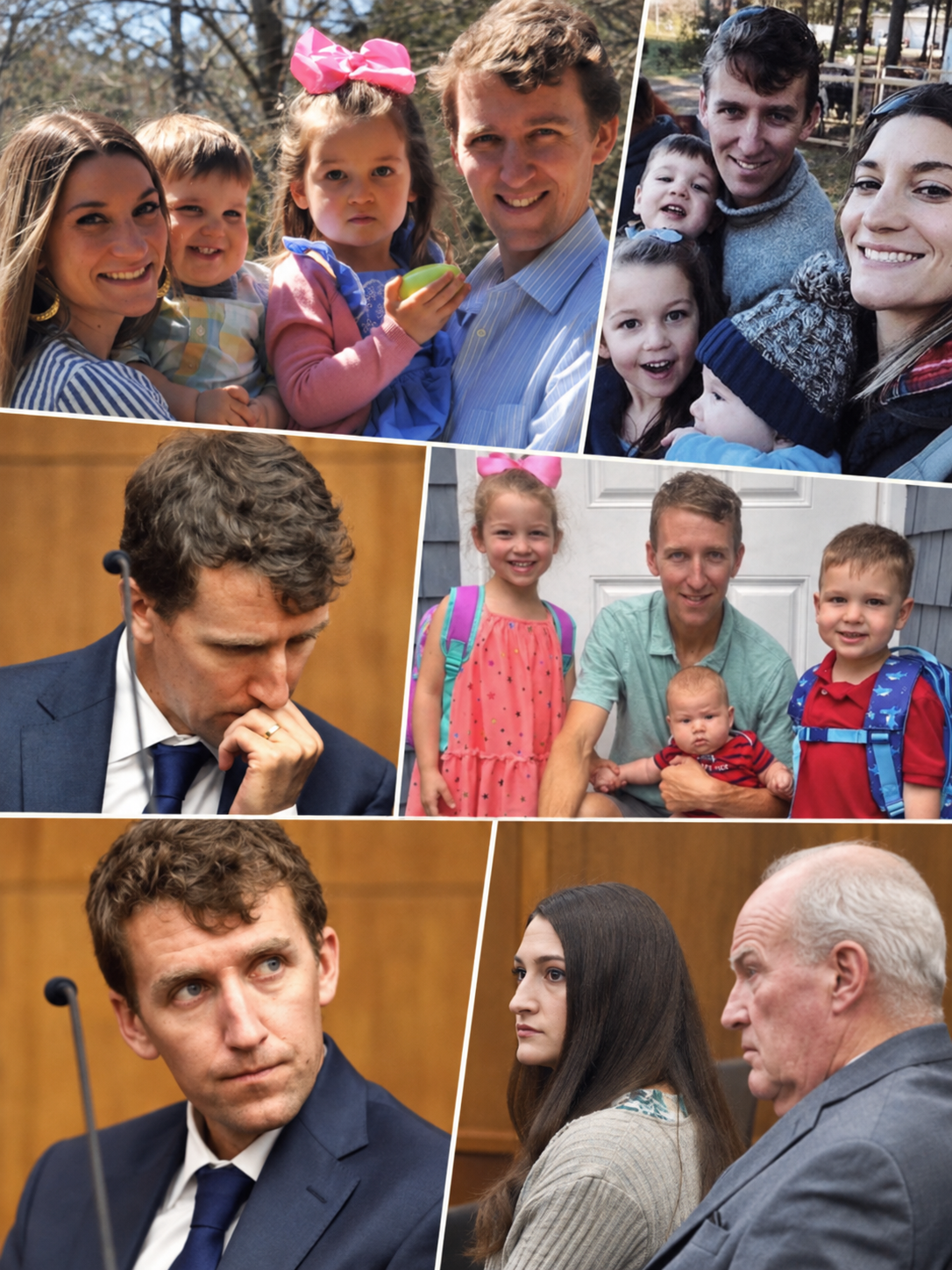
Patrick Clancy says he still lives every day with the outcome of the decisions made during the final months before the deaths of his three children, but he does not believe he could have understood then what was about to happen.
Speaking publicly after the murder trial of his former wife, Lindsay Clancy, ended in a mistrial, Patrick addressed one of the most painful questions that has followed him since January 2023: whether he believes he failed his family.
“I think I did the best I could with what I had at the time,” Patrick said in an interview scheduled to air Sunday. “I live with the outcome. I live with it every day.”
His remarks come just weeks after a Massachusetts jury failed to reach a unanimous verdict in Lindsay’s trial for the killings of their children — 5-year-old Cora, 3-year-old Dawson and 8-month-old Callan.
Eleven jurors ultimately favored finding Lindsay not criminally responsible because of mental illness. One juror disagreed, resulting in a mistrial on Sept. 4. Prosecutors have not yet announced whether they will seek a second trial.
Patrick Says He Still Talks to His Children
Perhaps the most personal part of Patrick’s new interview involves the way he continues to maintain a connection with Cora, Dawson and Callan.
He said he still talks to them “all the time.”
Asked what he says, Patrick gave a short answer: “Help me.”
He said he likes to believe they do.
For Patrick, speaking to the children is a way of remaining connected to them more than three years after their deaths.
The comments offer a rare glimpse into a grief Patrick has largely experienced outside public view.
He testified during Lindsay’s trial but otherwise avoided extended interviews while the criminal case unfolded.
At the same time, his actions, marriage, relationship with Lindsay and even his behavior on the day of the killings became the subject of extensive online speculation.
Patrick’s attorney recently condemned what he described as false and escalating accusations directed at his client and warned that legal action could be taken against people spreading defamatory claims.
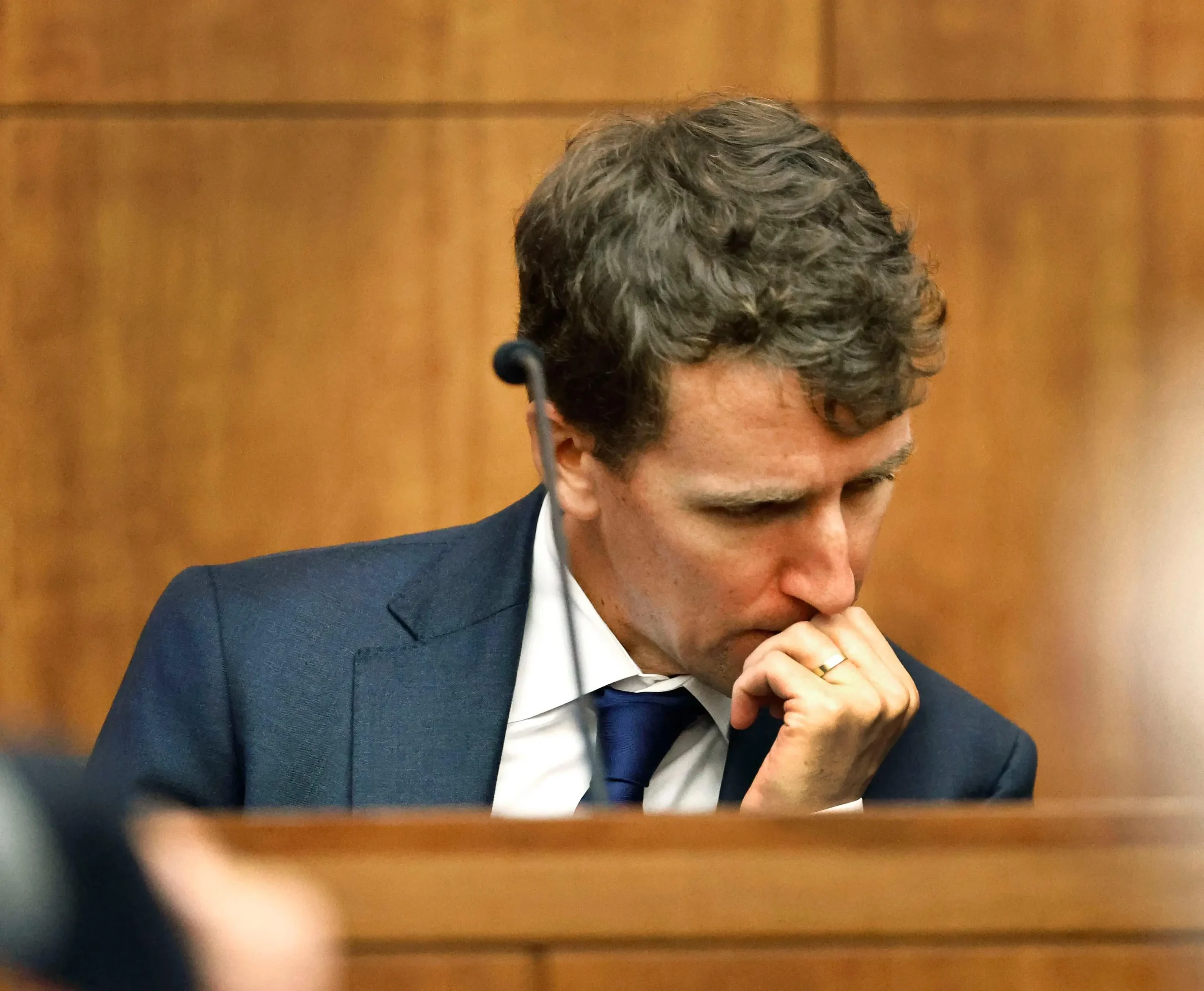
The Tragedy Began on Jan. 24, 2023
The Clancy case began on Jan. 24, 2023, at the family’s home in Duxbury, Massachusetts.
Patrick had briefly left the house to run errands.
When he returned, he discovered Lindsay seriously injured outside the home after she had jumped from a second-story window.
Inside, their three children had been strangled.
Cora and Dawson were pronounced dead that night. Callan was taken to a hospital but died several days later.
Lindsay survived the fall but was left paralyzed.
She later faced three murder charges.
There has never been a dispute at trial over whether Lindsay caused the children’s deaths. The central question was whether she was legally criminally responsible at the time.
Her attorneys argued that she had been experiencing severe postpartum psychosis and was unable to appreciate the wrongfulness of her actions.
Prosecutors argued that evidence of planning and her behavior before and after the killings demonstrated that she understood what she was doing.
Months of Mental-Health Treatment Became Central to the Trial
Evidence presented during the trial showed that Lindsay had been struggling psychologically for months before the killings.
She sought help from multiple medical professionals, contacted crisis services and was prescribed numerous psychiatric medications.
She also spent several days receiving inpatient psychiatric care before returning home.
The defense argued that those efforts showed Lindsay and Patrick were actively attempting to get help but that the severity of her condition was not properly recognized.
Patrick’s new comments appear to address that history directly.
When asked whether he blamed himself or felt that he should have done more, he said he believed he acted based on the information available to him at the time.
That distinction has become central to his public account of what happened.
Rather than saying he believes every decision was correct in hindsight, Patrick is describing a family trying to navigate a mental-health crisis without understanding how catastrophic it could become.
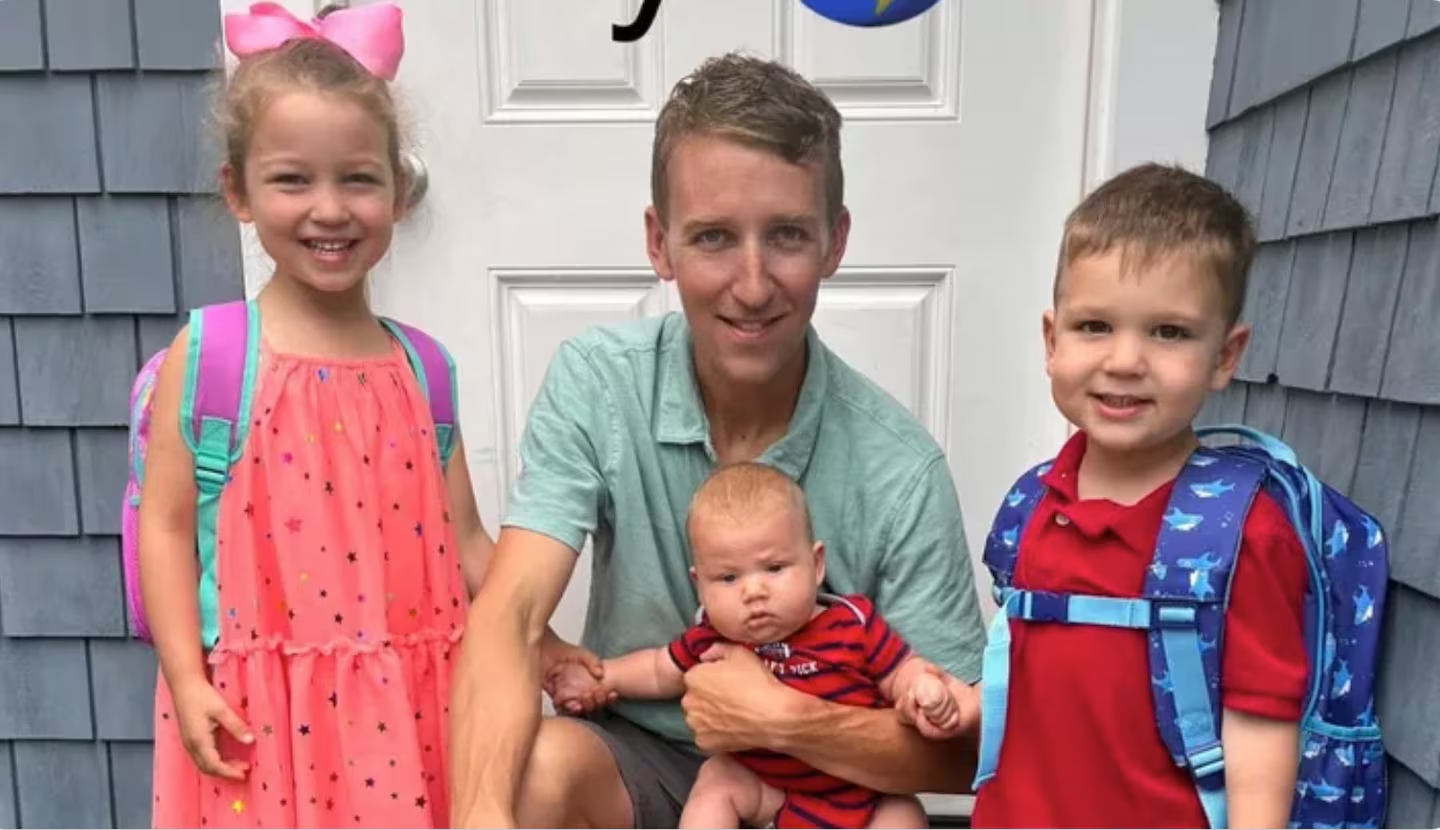
Eleven Jurors Sided With the Insanity Defense
Lindsay’s trial lasted several weeks and became one of the most closely watched criminal cases in Massachusetts.
After seven days of deliberations, jurors remained divided.
Eleven concluded that she should be found not guilty by reason of lack of criminal responsibility.
Michael Desronvil, the lone holdout, believed the prosecution proved Lindsay knew exactly what she was doing and planned the killings.
Judge William Sullivan ultimately declared a mistrial.
Desronvil has since spoken publicly, saying he had no doubts about his position and rejecting claims from other jurors that he had acknowledged reasonable doubt during deliberations.
The disagreement means Lindsay’s legal status remains unresolved.
A hearing is scheduled for Sept. 29 in Plymouth Superior Court, when prosecutors may provide more information about whether they intend to retry the case.
Patrick Has Remarried
Patrick’s new wife, Dr. Rachel Danis, is also participating in the interview.
Danis is a physician specializing in reproductive endocrinology and infertility.
The couple married earlier this year.
Their relationship became public during Lindsay’s trial and quickly became another subject of online attention.
Danis said in preview material for the interview that she has struggled to understand how Patrick’s story became so distorted online.
Patrick’s remarriage does not erase his previous family, and his new comments suggest that grief for Cora, Dawson and Callan remains a constant part of his life.
He has previously spoken with compassion about Lindsay as well, despite what happened.
Shortly after the children died, Patrick issued a statement asking people to forgive his wife as he had.
That position has continued to shape public discussion of the case because Patrick has simultaneously been the father of the victims, a critical prosecution witness and someone who has expressed sympathy for the defendant.
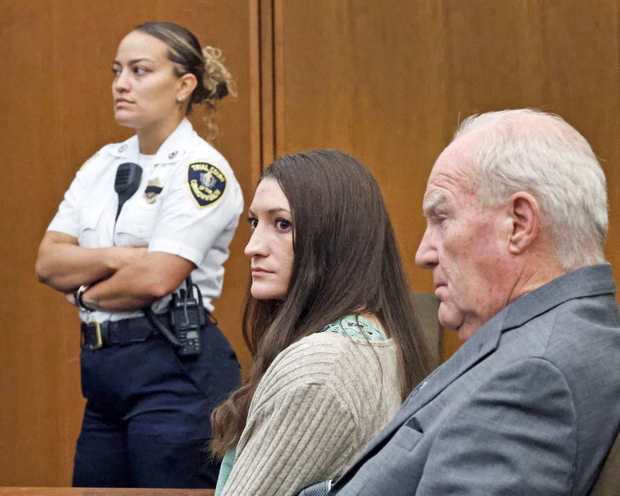
Online Conspiracy Theories Became Another Burden
Patrick has also faced extensive conspiracy theories on social media.
Some users have questioned his whereabouts, his relationship with Lindsay and whether there was more to the events of Jan. 24 than authorities disclosed.
No evidence presented by investigators has implicated Patrick in his children’s deaths.
Still, the theories intensified during Lindsay’s trial.
Patrick’s legal team has characterized some of the online accusations as defamatory and baseless.
His interview is expected to address that experience directly, in addition to his grief and his memories of his children.
The public reaction illustrates how the Clancy case has expanded beyond the courtroom.
It has become a debate about postpartum mental illness, criminal responsibility, family dynamics, medical care and the role of social media in high-profile criminal proceedings.
What Happens Next for Lindsay Clancy
The most immediate unresolved issue remains whether Lindsay will face a second trial.
Prosecutors could seek another jury, pursue a negotiated resolution, modify the charges or decide not to retry the case.
No final decision has been announced.
Lindsay remains in a psychiatric facility while the criminal proceedings continue.
A finding of not guilty by reason of lack of criminal responsibility would not necessarily result in her immediate release. Massachusetts law allows defendants found not criminally responsible to remain committed if courts determine they continue to require secure psychiatric treatment.
A murder conviction, however, could expose her to life imprisonment.
For Patrick, those legal questions now exist alongside a much more personal reality.
The criminal case may continue.
There may be another trial.
There may be more public debate about what doctors, family members or the legal system could have done differently.
But his children remain gone.
More than three years later, Patrick says he still speaks to them and asks for their help.
And when confronted with the question of whether he believes he failed them, his answer remains the same: he believes he did the best he could with what he knew at the time.