No Charges in Nolan Wells’ Death After Grand Jury Reviews Months of Evidence, but Questions Remain
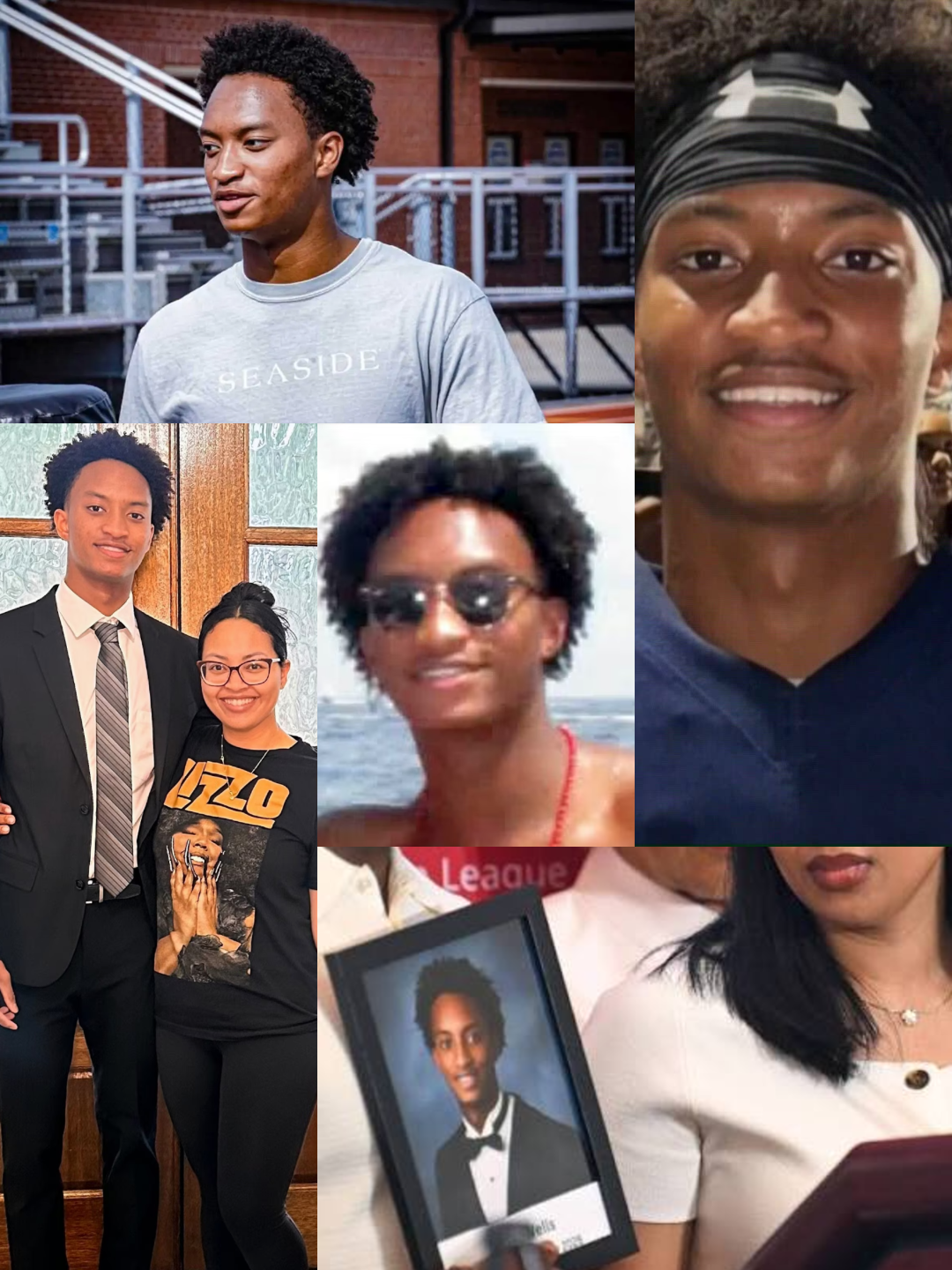
A Mississippi grand jury has declined to indict anyone in connection with the death of 18-year-old Nolan Xavier Wells, bringing a major phase of the closely watched investigation to an end while leaving his family without a definitive explanation for how he died.
Wells disappeared on July 4 after spending the holiday with a large group of friends on Horn Island, a barrier island off the Mississippi Gulf Coast. His body was recovered from the water two days later.
The circumstances immediately triggered questions from his family and intense speculation online about what happened during the hours between the gathering and the discovery of his body.
Now, after reviewing months of investigative material, a Jackson County grand jury has unanimously concluded that the available evidence does not support criminal charges against anyone who was with Wells that weekend.
The findings also state that there is no credible evidence that his death was the result of a physical attack or was racially motivated.
But one question remains unresolved: exactly what caused Nolan Wells to die.
Grand Jury Reviews Extensive Evidence
The grand jury’s review was unusually broad.
According to court documents, the 23-member panel considered evidence obtained through 132 subpoenas and heard testimony from 43 witnesses.
Jurors also examined cellphone forensic reports, GPS records, security camera footage, videos, investigative documents and evidence gathered as part of an independent inquiry commissioned by Wells’ family.
After reviewing that material, the panel returned what is known as a “no true bill,” meaning it did not find sufficient evidence to issue an indictment.
The grand jury concluded that no credible evidence showed criminal conduct by the people who traveled to and from Horn Island with Wells.
Its findings also rejected several theories that had circulated widely online after his death.
Autopsies Did Not Establish a Definitive Cause
One of the most significant complications in the case is that neither of the two autopsies produced a definitive cause of death.
The Mississippi State Medical Examiner examined Wells after his body was recovered.
His family later arranged for an independent forensic pathologist to conduct another examination.
Both reached essentially the same conclusion: the cause and manner of death could not be definitively determined.
Drowning, however, remained a possibility.
The grand jury said the position and condition of Wells’ body, the timing of its discovery and the location where it was found were all consistent with drowning.
Investigators found no fatal traumatic injuries and no evidence of a disease that would explain his death.
Toxicology testing also did not reveal drugs in his system.
That does not mean authorities formally classified his death as an accidental drowning. Instead, the medical findings remain officially undetermined.
What Happened on Horn Island?
Wells traveled to Horn Island on July 4 during a busy holiday weekend.
The island, part of the Gulf Islands National Seashore, attracts boaters and visitors who often move between different groups throughout the day.
Investigators determined that Wells arrived with friends and interacted with additional people once he was on the island.
According to the grand jury report, he later chose to remain behind after the boat on which he had arrived departed.
The panel said investigators found nothing inherently unusual about that decision because people commonly move between boats or remain on the island with other groups during crowded holiday gatherings.
Witnesses said Wells was not involved in a physical fight or significant argument before disappearing.
There had also been widespread discussion about an incident in which he slipped while getting off or near a boat earlier that day.
Investigators reviewed that episode but concluded there was no evidence he suffered a serious injury from it.
Problems With One Boat Were Also Investigated
Another subject of online speculation involved mechanical problems with one of the boats used that day.
The grand jury confirmed that a vessel identified as the Triton experienced trouble involving its bilge pump and motor.
The boat was taking on water and was temporarily assisted by another vessel while one passenger manually worked with the motor controls.
Investigators examined GPS records and other evidence connected to the boats involved.
According to the report, those records supported the accounts provided by passengers.
The grand jury did not find evidence that mechanical problems with the vessels were part of any criminal act connected to Wells’ death.
Several Viral Claims Were Rejected
In the weeks following Wells’ death, social media filled with theories about what had happened on Horn Island.
Some posts claimed Wells was the only Black person among a group of White friends.
Others questioned photographs, recordings and timelines circulated online.
The grand jury directly addressed some of those claims.
Investigators determined that Wells was not the only Black person on Horn Island that day.
The report also said photographs widely circulated as evidence of a party connected to his disappearance had actually been taken on July 3 rather than July 4.
Recordings associated with a marine towing service that had circulated online were also described in the findings as inaccurate representations of what occurred.
Authorities said GPS information, surveillance footage, phones and other records provided by witnesses were consistent with the statements investigators received.
Family Had Sought an Independent Review
Nolan’s family had been outspoken about wanting a full and transparent investigation from the beginning.
Their concerns were amplified by uncertainty surrounding the original autopsy and by questions about bruising found on Nolan’s body.
An independent forensic examination identified injuries including bruising to his head and other areas, but the grand jury concluded none of the injuries appeared capable of causing his death.
The family’s attorneys also commissioned digital forensic work on Nolan’s cellphone, including an extensive report examining Snapchat conversations.
Those materials were ultimately provided to investigators and considered as part of the grand jury process.
According to the findings, the family’s independent investigative team did not identify a witness or evidence that established criminal conduct.
Still, the lack of a precise medical explanation has continued to make the case difficult for Nolan’s relatives.
Race Was Part of the Public Discussion
Nolan was Black, and his family previously raised concerns about whether race could have played a role in either his death or the way his disappearance was investigated.
Those questions became a major part of the national attention surrounding the case.
The district attorney said investigators specifically examined allegations of racial motivation.
The grand jury ultimately reported that it found no credible evidence supporting that theory.
Authorities also pushed back against online claims portraying the outing as a situation in which Nolan was the only Black person among White companions.
The prosecutor has criticized misinformation surrounding the case, saying some people who were not involved became targets of harassment based on unverified claims.
Nolan’s Family Still Lives With an Unanswered Question
For the Wells family, a decision not to file criminal charges does not provide a complete explanation of what happened.
They know Nolan disappeared from Horn Island during a July 4 outing.
They know his body was found in the water two days later.
They know two forensic examinations did not identify a fatal injury, serious disease or drugs that would provide another obvious explanation.
And investigators say the circumstances of the recovery were consistent with drowning.
But the official cause of death remains undetermined.
That distinction leaves a painful gap between what authorities believe the evidence suggests and what medical experts can definitively prove.
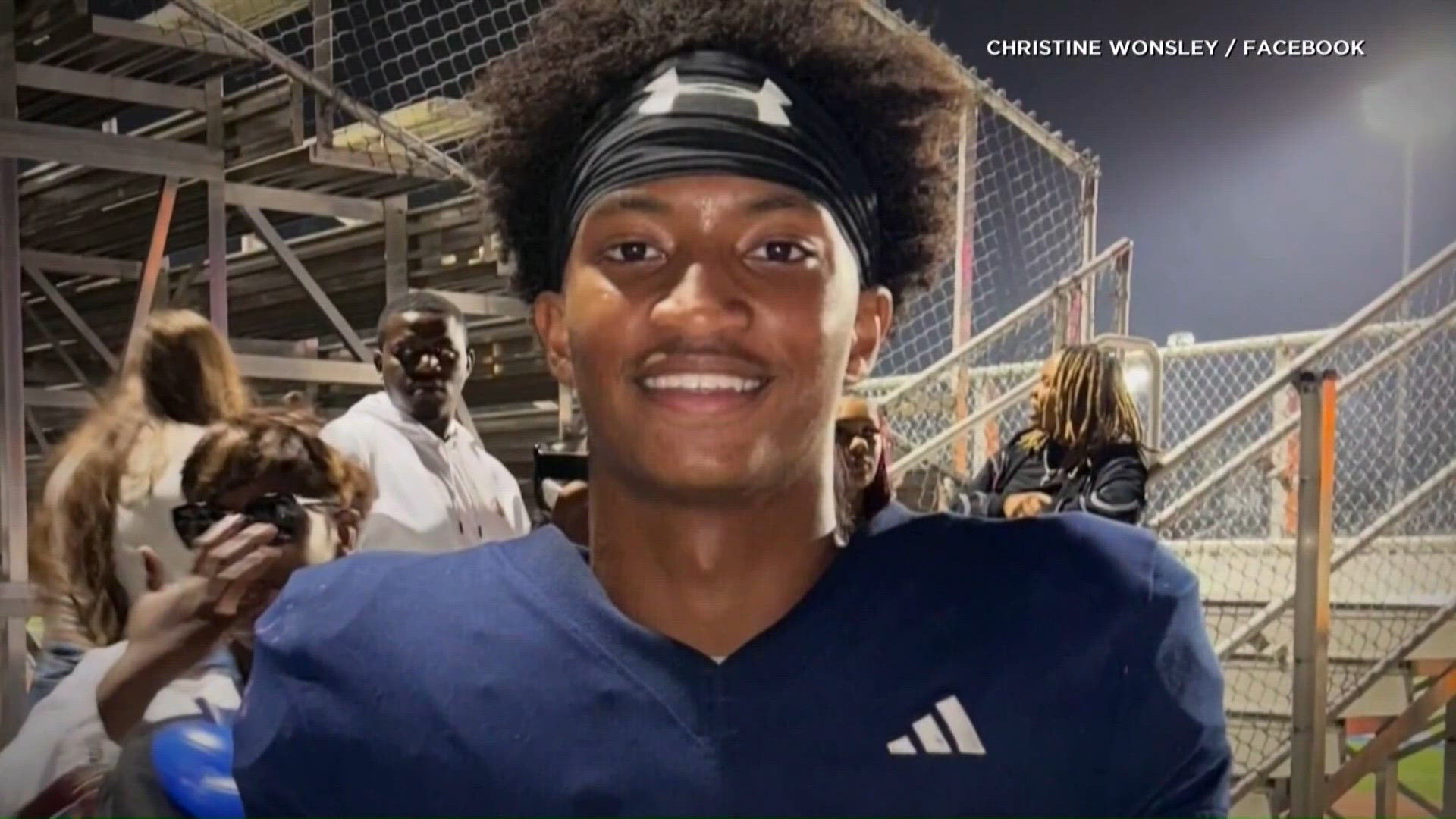
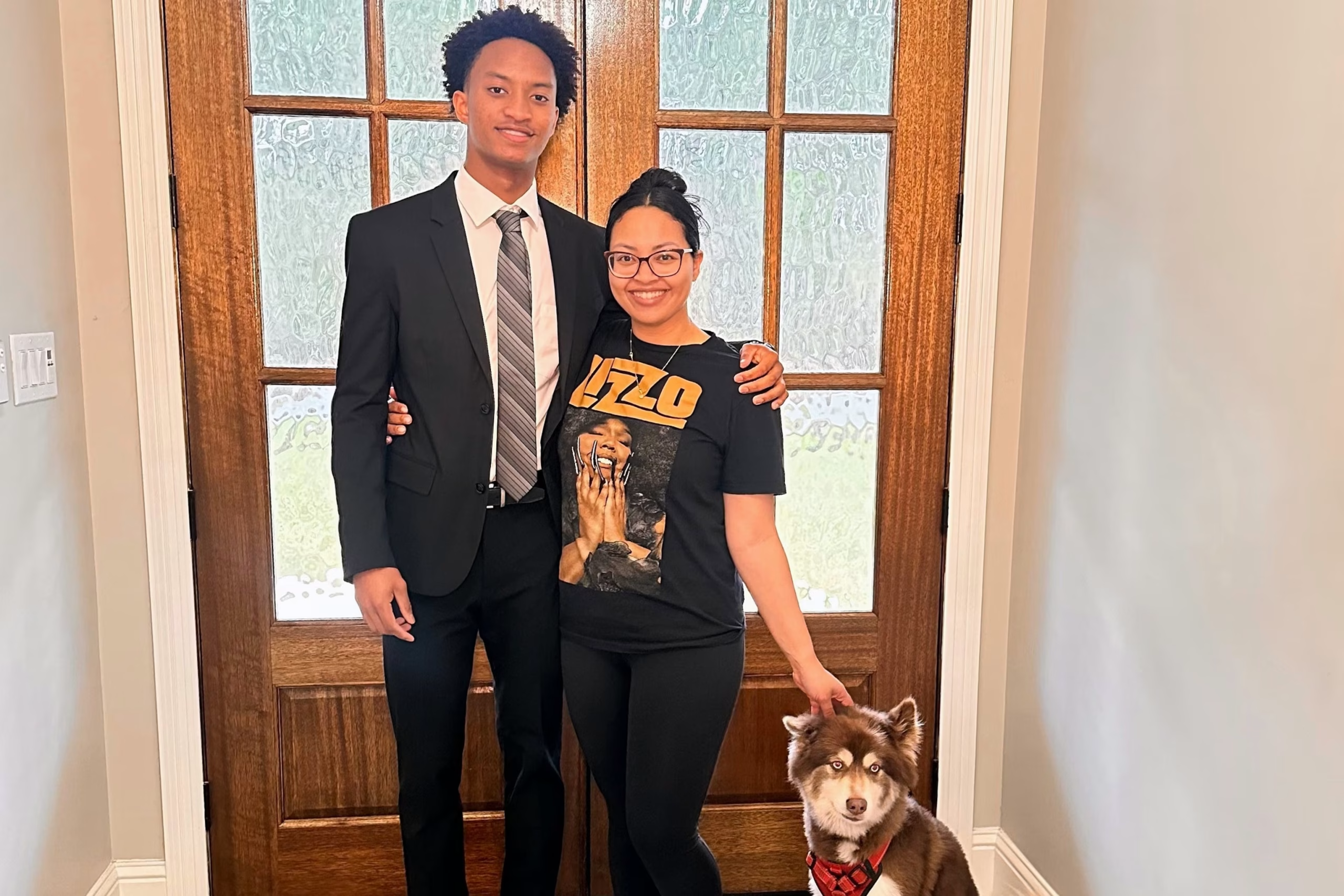
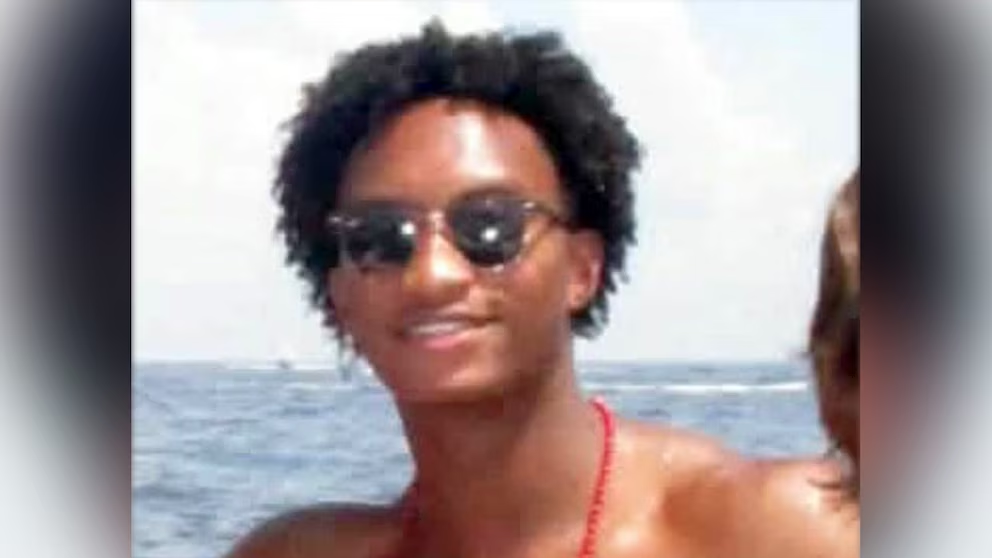
Nolan had recently graduated from high school and was remembered by relatives and friends as an athlete with plans for his future.
His 19th birthday passed after his death, prompting another emotional message from his mother about how deeply the family continues to feel his absence.

Case Could Be Reopened if New Evidence Emerges
The grand jury’s decision means no one is currently facing criminal charges in connection with Nolan’s death.
It does not necessarily mean the matter can never be reviewed again.
Mississippi has no statute of limitations for homicide.
The grand jury specifically noted that if credible new evidence eventually emerges suggesting Nolan’s death was not accidental, the case could be brought before another grand jury.
For now, however, authorities say the extensive investigation did not uncover evidence of homicide, assault or racial motivation.
After months of speculation, forensic analysis, witness interviews and public scrutiny, the legal conclusion is clear.
No indictment will be issued based on the evidence currently available.
The medical conclusion is far less definitive.
And for Nolan Wells’ family, that means one of the most important questions surrounding the 18-year-old’s final hours remains unanswered.