Philadelphia ‘House of Horrors’ Case Raises New Questions Over Missing Women and Years of Missed Warning Signs
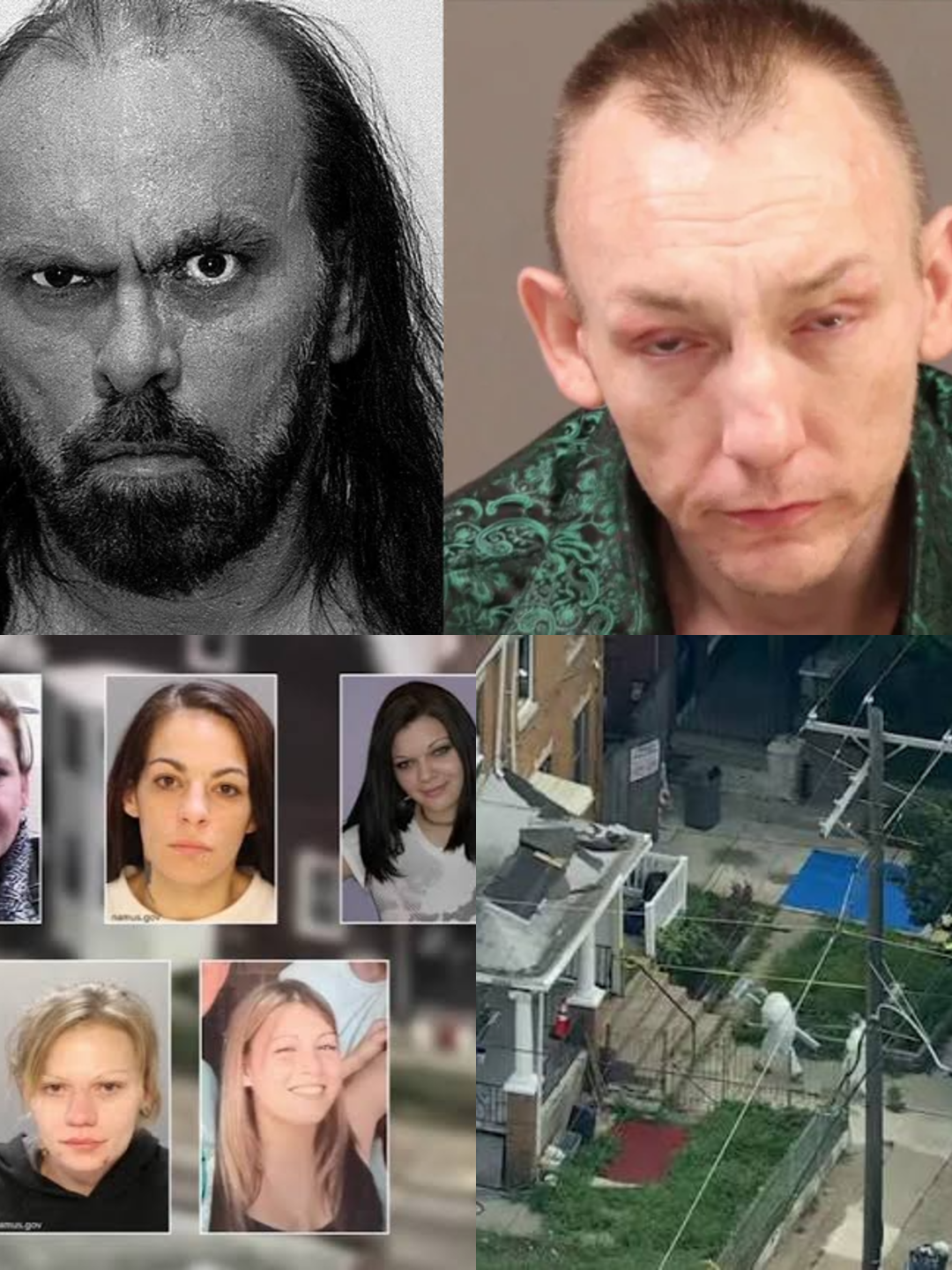
A widening investigation into a Philadelphia home now linked to seven missing women is raising an increasingly difficult question: could authorities have recognized the pattern years earlier?
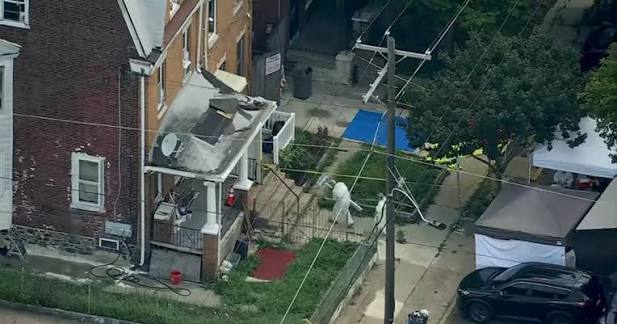
Investigators say the property at 417 West Chew Avenue in the city’s Olney neighborhood has been connected to seven women who later disappeared. Five are now feared dead based on disturbing digital evidence recovered from the house, while two others remain listed as missing.
Police have also identified 58 people appearing in images and videos seized from the property. Only a portion of the enormous collection has been fully reviewed, leaving investigators with potentially months of work ahead as they try to determine what happened to the women who passed through the home.
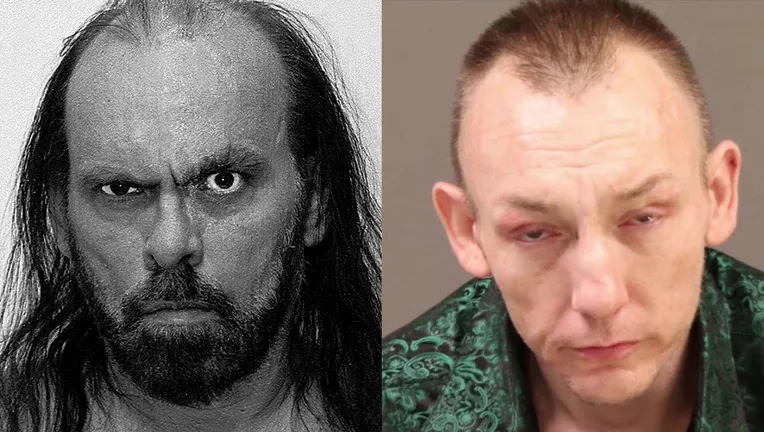
At the center of the investigation is the late Raymond “R.C.” Horsch, who lived at the property and was known for producing violent fetish material. His son, Eugene Horsch, later owned the house and was arrested in June 2026 on separate firearms and drug charges.
Eugene has not been charged with killing any of the missing women.
But evidence recovered after his arrest has pushed investigators to reexamine years of disappearances associated with the property — including the 2016 disappearance of R.C. Horsch’s former wife, Amy McHale.
Amy McHale’s Last Known Location Was the House
McHale’s disappearance has become one of the most closely scrutinized cases connected to the investigation.
On June 13, 2016, she left a voicemail for her daughter saying she was safe and staying with R.C. Horsch at the West Chew Avenue home.
According to her family, that was the last time her mother and daughter heard from her.
Police have confirmed that officers investigated the case at the time and interviewed Horsch shortly after McHale was reported missing.
Deputy Commissioner Frank Vanore said investigators conducted what he described as an extensive inquiry, but at that stage there was no obvious evidence demonstrating that a crime had taken place.
The fact that McHale had last been seen with Horsch was known, but police did not yet possess the extraordinary body of digital evidence now available to investigators.
Ten years later, that old missing-person case looks very different.
Investigators Say Videos May Show Women Dead or Unconscious
The current investigation accelerated after Eugene Horsch’s arrest in June.
Authorities searching the property discovered a large collection of digital material along with unusual chemicals and what investigators described as a laboratory-like setup.
Police later said they had identified 58 people appearing in videos and images recovered from the home. At least seven women connected with the property have been reported missing. Five are now feared dead.
Investigators have said some of the material appears to show women unconscious or possibly dead.
In one particularly significant piece of evidence, law enforcement confirmed that a video shows R.C. Horsch strangling a woman with a zip tie. Investigators believe the footage could implicate him in a homicide.
Authorities have not publicly identified every woman seen in the most disturbing material.
No human remains connected to the missing women have been publicly announced as recovered.
That absence is one reason the investigation remains both complex and incomplete.
Seven Missing Women Now Linked to One Property
The scale of the case has grown rapidly.
Investigators initially focused on a smaller group of missing women but have since confirmed connections to seven.
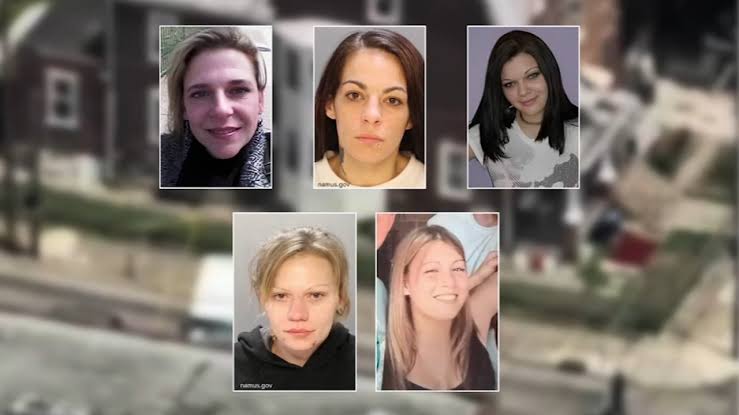
Among the names publicly associated with the investigation are Amy McHale, Gabrielle Amarando, Maribel Fresses, Nicole Fusaro and Blair Tonzelli. Authorities have also identified other women who either disappeared after spending time at the house or were seen in the recovered digital evidence.
Police have said Amarando and Fresses appeared in material recovered from the home, while Fusaro was allegedly depicted in violent footage involving R.C. Horsch.
Authorities are still working to determine precisely what happened to each woman.
That process is complicated by the enormous amount of evidence.
Investigators have recovered hundreds of thousands of images and tens of thousands of video files, along with documents and other digital material. Only a fraction has been fully analyzed.
Why the Case Is Raising Questions About Earlier Missing-Person Investigations
As the number of linked women grows, relatives and public officials are asking whether the individual disappearances should have triggered a broader investigation years ago.
The central issue is not whether police ignored a known serial crime pattern.
At the time many of the women disappeared, investigators did not have the evidence now connecting them to the same house.
Instead, the emerging question is whether repeated reports involving women associated with one individual or one location could have been cross-referenced more aggressively.
That concern has now reached Philadelphia city government.
Councilmember Jim Harrity said he would be willing to consider changes that might help authorities recognize similar patterns earlier in future investigations.
The challenge is particularly difficult in missing-person cases involving adults who may have unstable housing, substance-use problems or irregular contact with relatives.
Authorities and advocates have long noted that disappearances involving vulnerable adults can be difficult to investigate because there may initially be no clear evidence of foul play.
In the Olney case, investigators now believe Horsch may have targeted women struggling with addiction or other vulnerabilities.
Harrity said that possibility was especially troubling because people dealing with substance use may have been easier to exploit.
R.C. Horsch Cannot Be Prosecuted
Another unusual aspect of the case is that the man now at the center of the most serious allegations is dead.
R.C. Horsch died in 2025.
That means even if investigators conclude that evidence shows he killed one or more women, he cannot face criminal prosecution.
The investigation could still establish what happened, identify victims and potentially provide answers to families who have spent years waiting.
It could also reveal whether anyone else participated in crimes, helped conceal evidence or had knowledge of what was happening inside the house.
Eugene Horsch remains in federal custody on unrelated firearms and drug charges.
His attorney, who previously represented his father as well, has declined to comment on the widening missing-women investigation.
The Search for Answers Is Far From Over
The investigation is now being handled with assistance from federal authorities as police continue examining the digital material.
For families of the missing women, the process may be especially difficult because the evidence appears to offer clues without yet providing complete answers.
Five women are feared dead, but authorities are still searching for remains and trying to establish exactly what occurred.
Two other women linked to the property remain missing.
And many of the 58 people identified in the recovered material are still being interviewed or located.
The house on West Chew Avenue is no longer being treated simply as the former residence of a controversial filmmaker.
It has become the center of one of Philadelphia’s most complicated missing-person investigations in years.
For investigators, the immediate task is to identify victims, determine which images document actual crimes and separate staged material from evidence of real violence.
For the families, the question is far more personal.
Some have been waiting a decade for an answer.
And as police continue working through the massive collection of evidence, the most unsettling possibility is that the full scope of what happened inside the Olney house may still not be known.