DEADPOOL & WOLVERINE — He breaks the rules… he breaks everything.
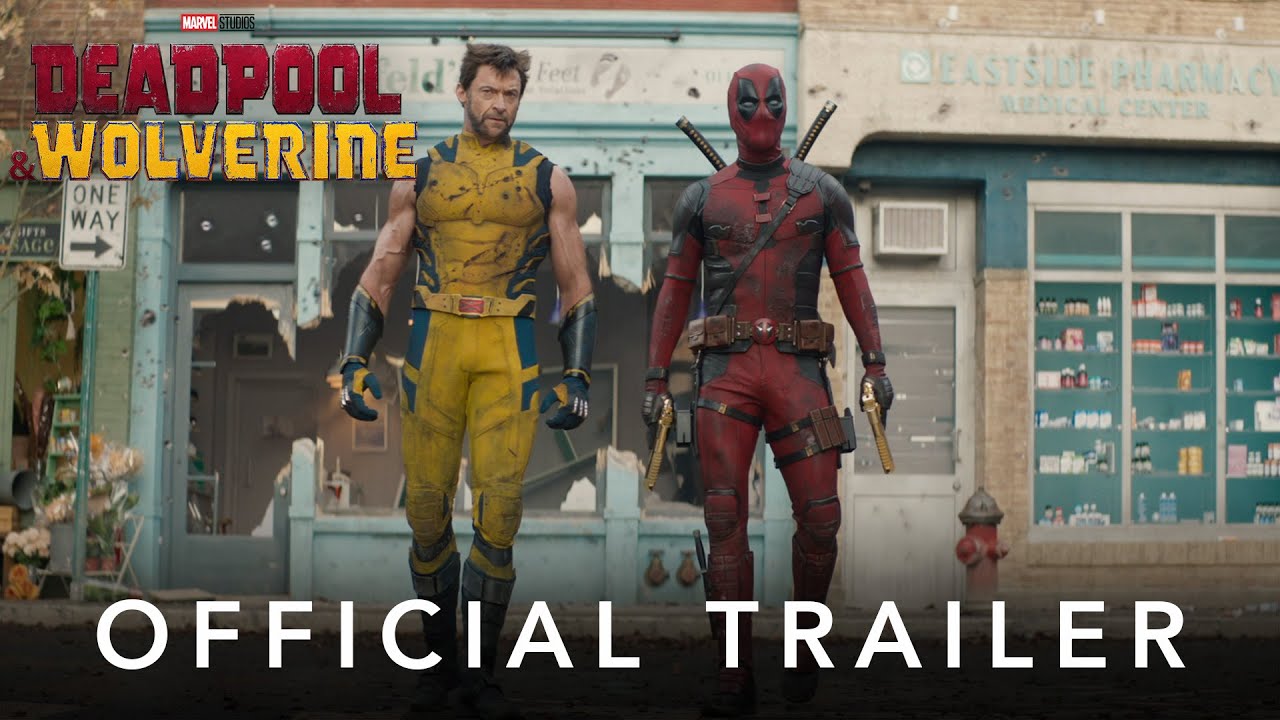
There’s a certain madness to this film that feels almost dangerous. Deadpool & Wolverine (2026) doesn’t politely introduce itself—it crashes in, kicks the door off its hinges, and dares you to keep up. From the opening moments, it’s clear this isn’t just another superhero movie. It’s a collision of chaos and consequence.
Deadpool arrives exactly as expected—loud, unfiltered, and completely unhinged. But beneath the jokes, there’s something more calculated this time. His humor feels sharper, almost desperate, like a man laughing at the edge of something he doesn’t fully understand. And then there’s Wolverine—quiet, grounded, and carrying a storm behind his eyes. When he steps into the frame, the entire tone shifts.
What makes this film hit harder than expected is the tension between them. Deadpool treats everything like a joke because nothing feels real. Wolverine treats everything like it matters because he’s lost too much. Their dynamic isn’t just entertaining—it’s uncomfortable in the best way, like watching two opposing philosophies collide.
The action is relentless, but it never feels hollow. Every fight carries weight. Wolverine’s brutality feels personal, almost painful, while Deadpool moves like chaos incarnate—reckless, unpredictable, impossible to pin down. Together, they turn every battle into something that feels alive.
Visually, the film plays with contrast in a way that mirrors its characters. Dark, grounded environments wrap around Wolverine’s presence, while bursts of color and absurdity follow Deadpool like a shadow. It creates a rhythm that constantly shifts between intensity and insanity.
The dialogue is where the film quietly elevates itself. Yes, it’s packed with jokes—but listen closely, and there’s something else underneath. Deadpool’s humor starts to feel like deflection. Wolverine’s silence starts to feel louder than any line spoken. Their conversations aren’t just funny—they’re revealing.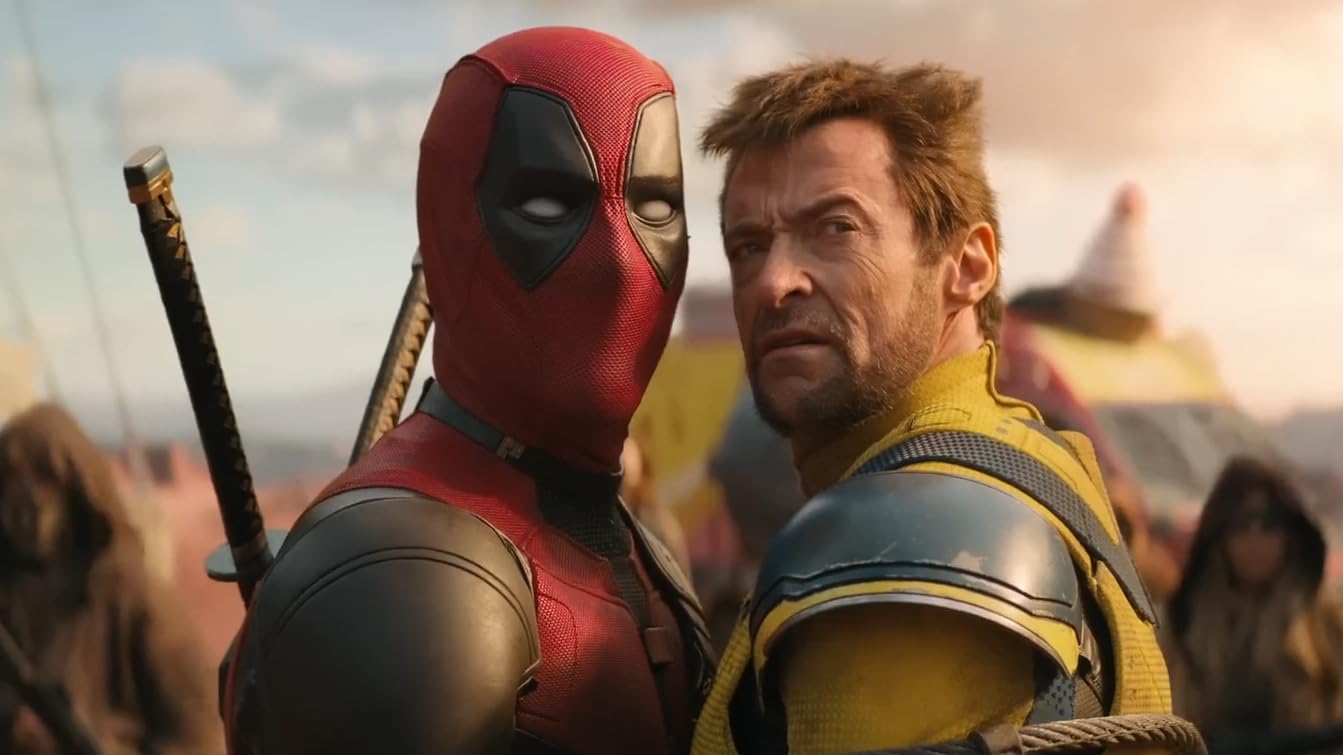
There’s also a layer of self-awareness that goes beyond simple fourth-wall breaks. The film seems to question its own existence, poking at the idea of legacy, reboots, and what it means to keep a character alive long past their natural ending. It’s bold, and at times, surprisingly honest.
And then, unexpectedly, the film slows down. In between the chaos, there are moments that linger—small, quiet beats where the masks slip. Wolverine feels tired in a way that cuts deep. Deadpool feels uncertain in a way we’ve never quite seen before. These moments give the film its weight.
The pacing is chaotic, but intentionally so. It moves fast, hits hard, and rarely gives you time to breathe—but that’s the point. This isn’t a story meant to be comfortable. It’s meant to overwhelm, to entertain, and occasionally, to hit you when you’re not expecting it.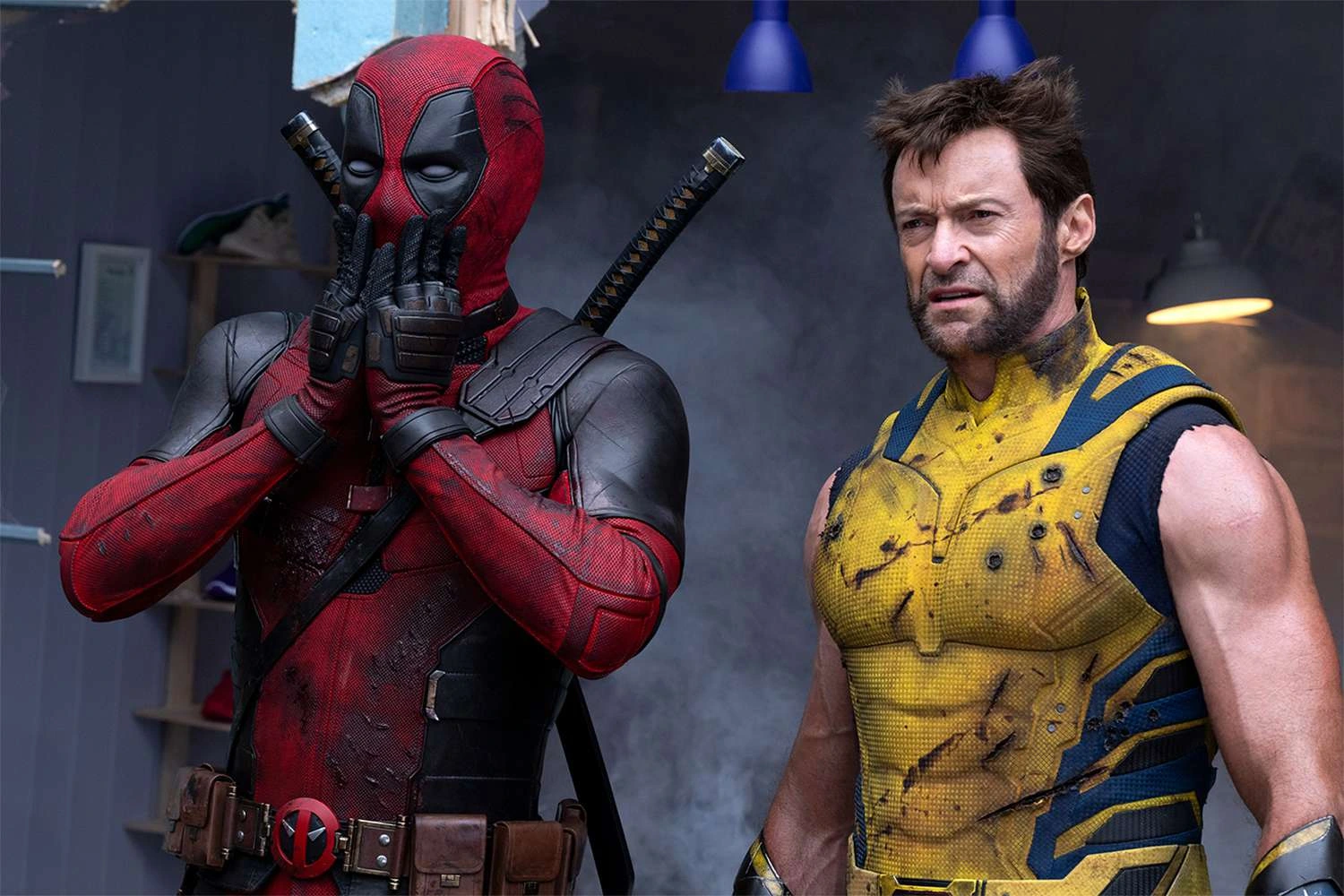
What stays with you after it ends isn’t just the spectacle. It’s the contrast. The noise versus the silence. The jokes versus the pain. The idea that even characters who can’t die are still searching for something that makes it all matter.
Deadpool & Wolverine (2026) isn’t just a crossover. It’s a clash of identities, a fight between meaning and madness—and somewhere in the middle of all that chaos, it finds something real.