She Trained for Three Months With the Chicago Cubs—Then Walked Away Just Weeks Before Filming Began
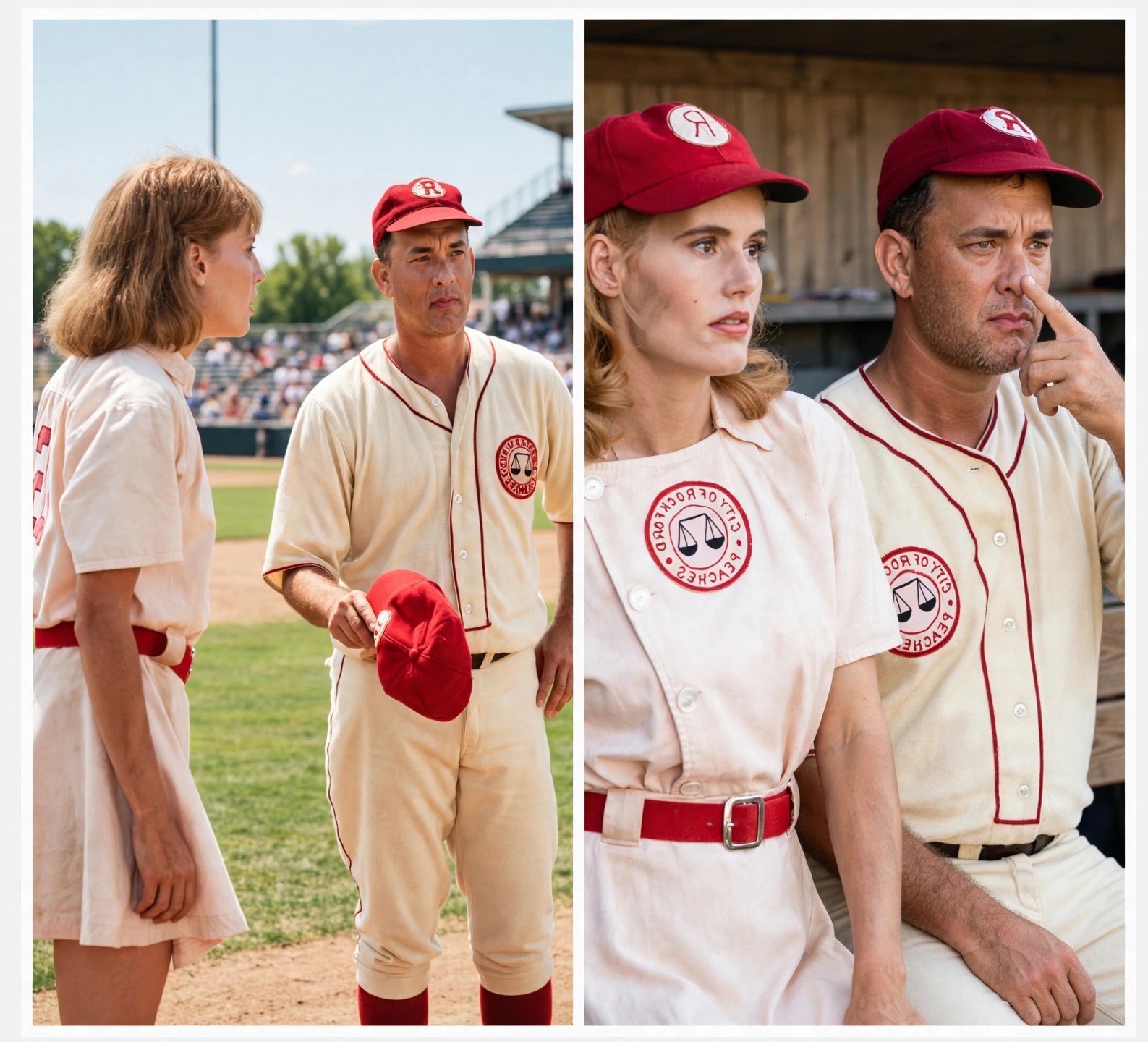
The Role That Seemed Meant for Debra Winger
In the early 1990s, Hollywood was preparing what many believed would become one of the definitive sports dramas of its era. A League of Their Own promised to tell the largely forgotten story of the women who kept professional baseball alive during World War II, when many male players were overseas serving in the military.
The film would celebrate the athletes of the All-American Girls Professional Baseball League (AAGPBL), whose achievements had long been overshadowed in baseball history.
At the center of the story was Dottie Hinson, a gifted catcher and natural leader. The role was initially set to be played by Academy Award-nominated actress Debra Winger, who was determined to portray the character as authentically as possible.
Rather than relying on movie tricks, Winger immersed herself in the demanding world of baseball.
Training Like a Professional Athlete
Months before cameras rolled, Debra Winger reportedly trained alongside members of the Chicago Cubs organization to master the physical demands of catching.
She learned how to block pitches in the dirt, throw out runners attempting to steal bases, frame pitches behind the plate, and move with the confidence of an experienced athlete. The intensive preparation left her with bruises, sore muscles, and countless hours of practice.
According to people familiar with the production, Winger was committed to honoring the real women whose stories inspired the film. She wanted audiences to believe they were watching an actual baseball player rather than an actress pretending to play one.
By all accounts, she had become the perfect choice for Dottie Hinson.
Then everything changed.
One Casting Decision Changed Everything
As production moved forward, Columbia Pictures announced another major casting addition.
Madonna.
At the time, Madonna was arguably the biggest pop star in the world. Every public appearance made headlines, and her involvement instantly transformed the film into one of Hollywood’s most talked-about productions.
While the studio welcomed the enormous publicity, Winger reportedly viewed the decision very differently.
She feared the focus would shift away from the remarkable true story of female athletes and toward celebrity culture.
According to numerous interviews over the years, Winger summarized her concerns with a single remark that has since become part of Hollywood legend:
“This is becoming an Elvis film.”
The comparison reflected her belief that one superstar’s presence could overshadow the very story the movie was meant to tell.
Walking Away From a Dream Role
For many actors, leaving a major studio production just weeks before filming would be almost unimaginable.
Winger did exactly that.
Despite months of preparation and what could have become one of the defining performances of her career, she withdrew from the project.
The decision reportedly cost her a significant payday and stunned both the studio and the film’s creative team.
Her departure also created an enormous challenge.
Production schedules had already been established, locations secured, and dozens of cast members were preparing to begin filming.
Now the movie had suddenly lost its lead actress.
Finding a replacement on such short notice seemed nearly impossible.
Geena Davis Steps In
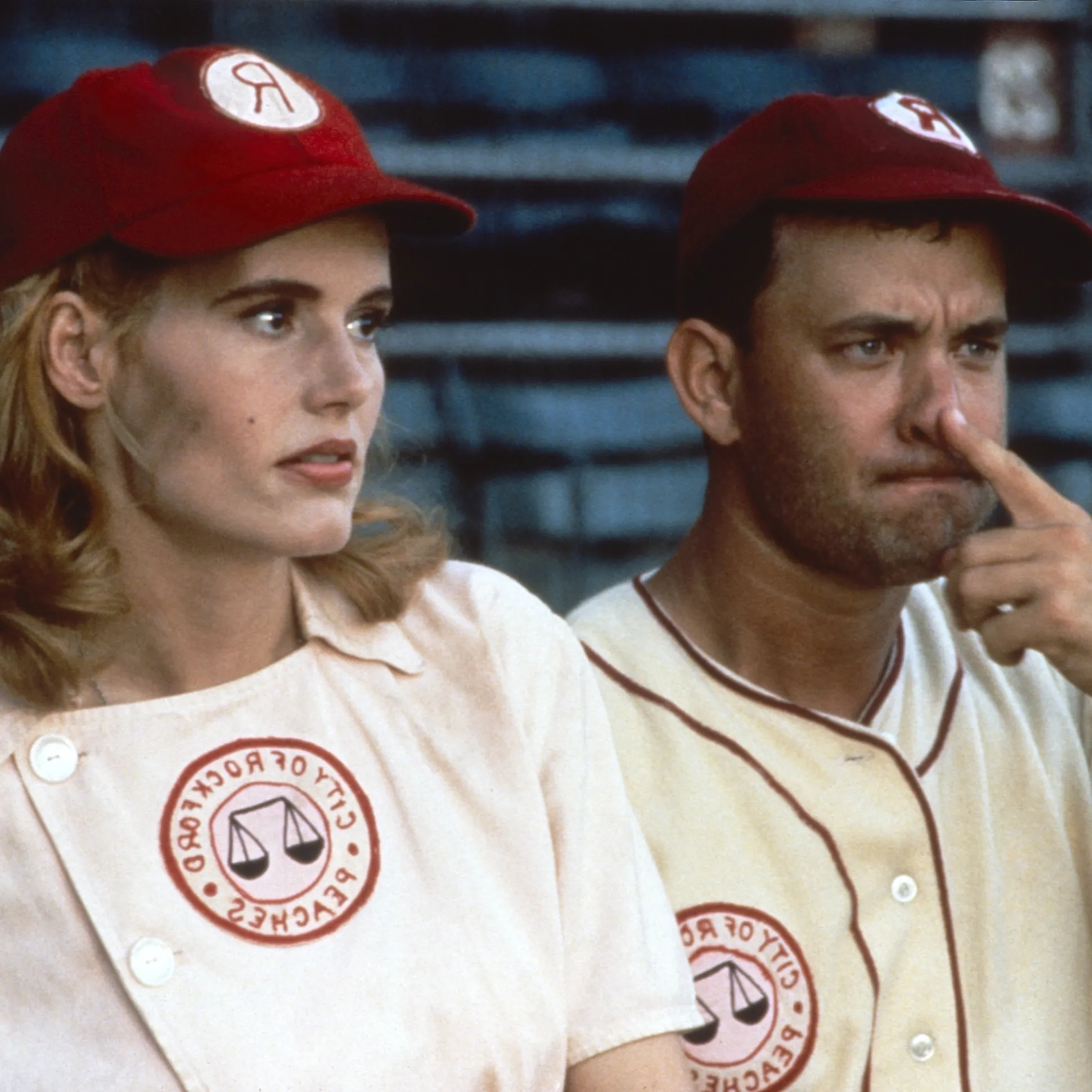
With time running out, the filmmakers turned to Academy Award-winning actress Geena Davis.
Unlike Winger, Davis had no extensive baseball background.
She was stepping into a physically demanding role that required convincing athletic ability, leadership, and emotional depth.
The challenge was enormous.
Determined not to let the production collapse, Davis threw herself into intensive baseball training.
She practiced throwing, batting, catching, and learning the mechanics of the game as quickly as possible.
Although she had only a fraction of the preparation time Winger enjoyed, Davis worked relentlessly to become believable as Dottie Hinson.
Her dedication impressed both the coaching staff and fellow cast members.
Madonna’s Place in the Film
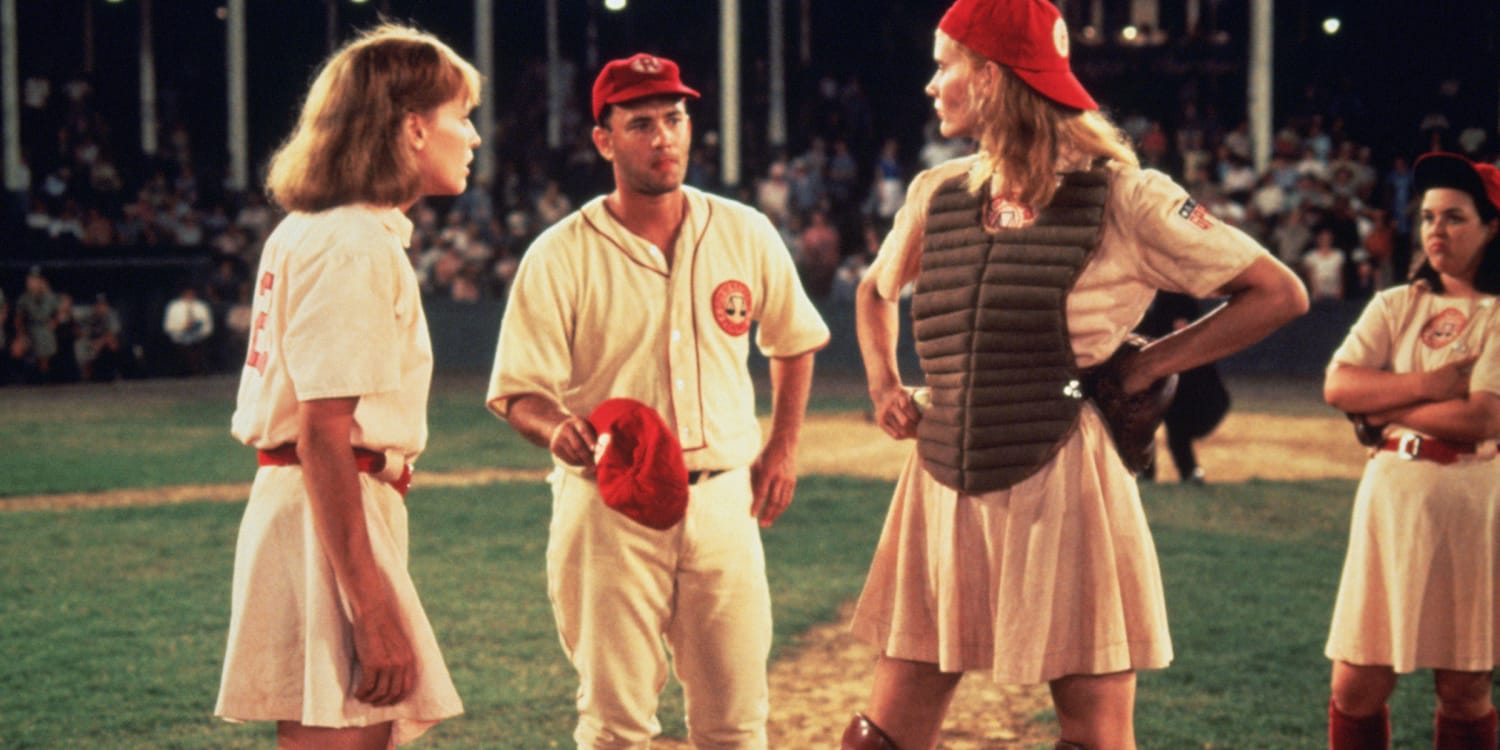
Despite the controversy surrounding the casting, Madonna ultimately played Mae Mordabito, one of the team’s most confident and outspoken players.
Her performance surprised many critics.
Rather than dominating the film, Madonna blended into an ensemble cast that included Geena Davis, Lori Petty, Rosie O’Donnell, Tom Hanks, and several other memorable performers.
She also contributed the song “This Used to Be My Playground,” which became a worldwide hit and remains closely associated with the film.
Over time, audiences came to appreciate her role as one part of a larger ensemble rather than the movie’s central attraction.
A Classic Is Born
Released in 1992, A League of Their Own exceeded expectations both commercially and critically.
The film earned widespread praise for its humor, emotional storytelling, and celebration of women athletes whose contributions had been largely forgotten.
Many scenes became instantly iconic, especially Tom Hanks’ unforgettable line:
“There’s no crying in baseball!”
Meanwhile, Geena Davis received widespread acclaim for her portrayal of Dottie Hinson, delivering a performance that balanced athletic confidence with emotional vulnerability.
Today, many viewers find it difficult to imagine anyone else in the role.
The Casting Decision That Still Sparks Debate
More than three decades later, fans continue to wonder what A League of Their Own might have looked like had Debra Winger remained with the production.
Would her months of professional baseball training have created an even more authentic portrayal?
Or did her departure ultimately open the door for Geena Davis to deliver one of the most memorable performances of her career?
The debate remains one of Hollywood’s most fascinating “what if” stories.
What is undeniable, however, is that the unexpected casting shake-up nearly derailed the production before filming even began.
Instead, it became part of the film’s remarkable legacy—a reminder that sometimes the greatest classics emerge from moments of uncertainty.
More than thirty years later, A League of Their Own continues to inspire audiences around the world, honoring the pioneering women of professional baseball while proving that perseverance, teamwork, and determination can overcome even the most dramatic behind-the-scenes challenges.