When Jimmy Kimmel Turned Toward Pope Leo XIV, a Late-Night Moment Became a Global Question About Hope
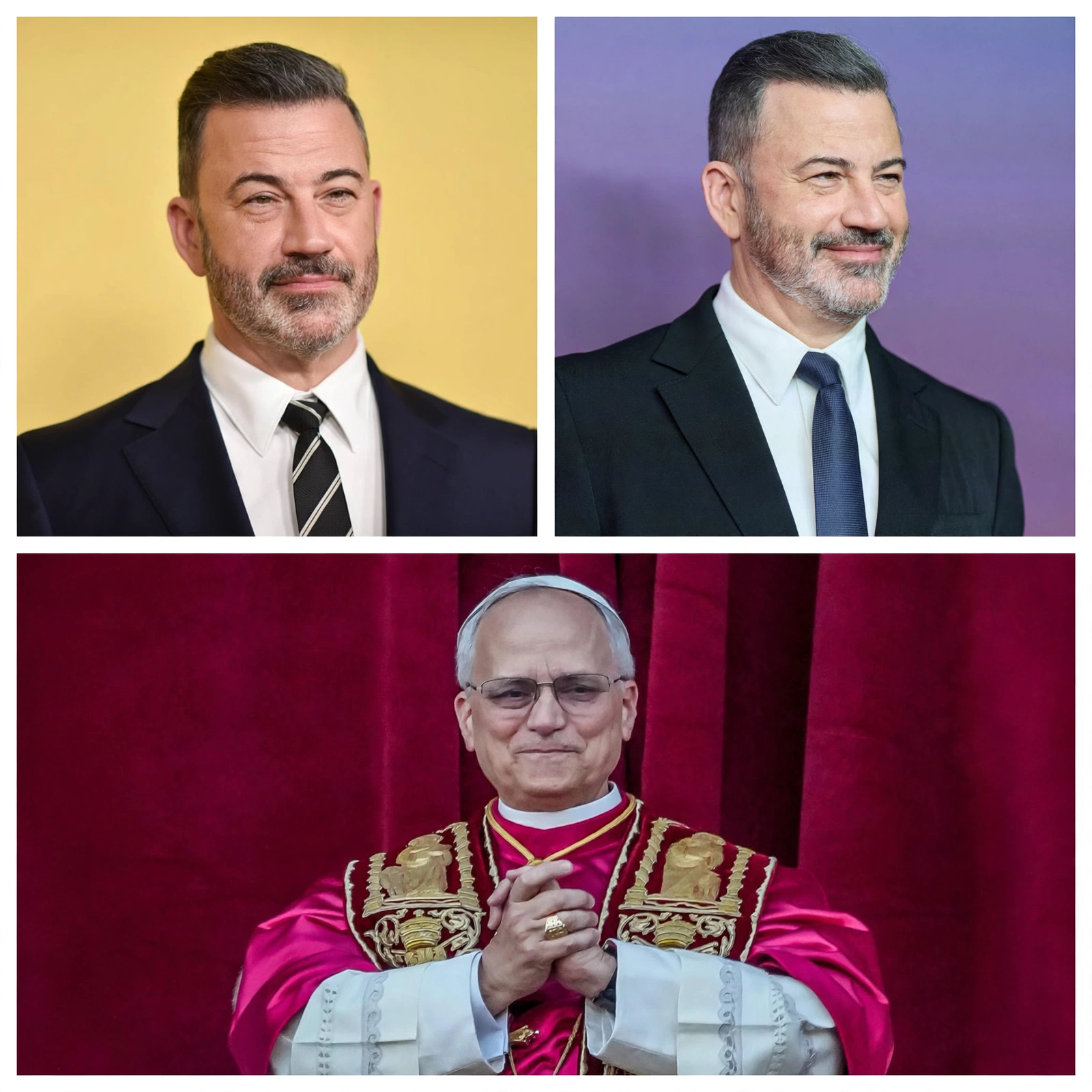
Jimmy Kimmel built his career in a world of punchlines, celebrity interviews, political jokes, and sharply delivered observations. Pope Leo XIV represents something almost entirely different: an ancient religious institution centered on faith, moral responsibility, and spiritual guidance.
Yet when those two public figures became connected in an unexpected conversation, the contrast proved impossible to ignore.
What might normally have passed as another brief moment on late-night television quickly developed into a much larger debate. Viewers were no longer focused only on entertainment. They began discussing leadership, compassion, religion, cultural influence, and the kind of guidance people seek when society feels increasingly divided.
The attention was striking partly because audiences rarely expect a comedian to lead them toward questions of faith and morality. Kimmel is known for finding humor in public life, interviewing famous guests, and commenting on events that dominate American headlines. His platform is designed to entertain, but over the years, late-night television has become far more than a place to end the day with a few jokes.
Hosts like Kimmel now operate as influential cultural commentators. Their words are clipped, shared, debated, and viewed by audiences far beyond those watching the original broadcast. A single observation can move from television to social media within minutes, reaching people across countries, political groups, and religious communities.
That enormous reach helps explain why his discussion involving Pope Leo XIV drew such intense interest.
The pope occupies a role shaped by centuries of tradition. Although the position is rooted in the Catholic Church, the influence of a pope often extends well beyond religious ceremonies or Church teaching. Popes have historically spoken about poverty, violence, war, peace, suffering, human dignity, and the responsibility people have toward one another.
For many listeners, those messages are not limited to Catholicism. They touch on universal concerns about how people should live, how leaders should behave, and how societies should respond to those who are vulnerable.
Pope Leo XIV has therefore entered the public imagination at a complicated moment. Political conflict has become part of everyday conversation. Social media frequently rewards outrage, while patience and understanding struggle to attract the same attention. People are surrounded by arguments, alarming headlines, and competing claims about whom they should trust.
Against that background, the idea of moral leadership has taken on renewed importance.
Supporters of spiritual leadership often look for qualities that are difficult to measure through popularity or political power. They value humility, forgiveness, kindness, and the ability to speak firmly without deepening hostility. To them, a religious leader can offer stability during uncertain periods by reminding people that influence carries responsibilities as well as privileges.
Others take a more cautious view. They argue that religious leaders, like politicians, entertainers, and other powerful figures, should be questioned rather than automatically admired. Their decisions and public messages can affect millions, making scrutiny both natural and necessary.
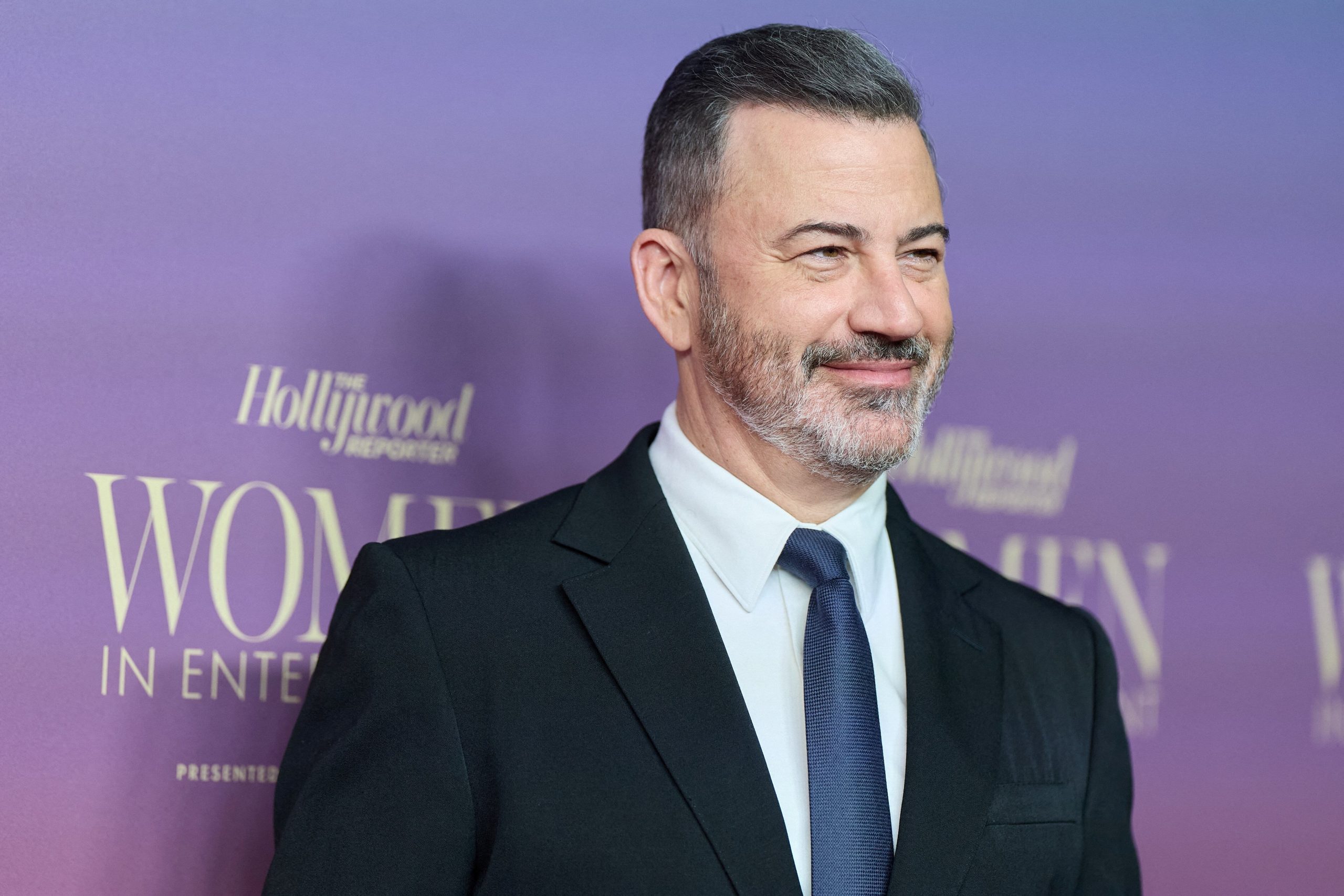
The disagreement surrounding such figures is hardly new. Throughout history, people with substantial influence have inspired loyalty, suspicion, admiration, and criticism—sometimes all at once. What made this particular discussion unusual was the way it brought those debates into the world of American entertainment.
Kimmel and Pope Leo XIV appear to belong to separate cultural universes. One uses humor to examine society and challenge public figures. The other speaks from a spiritual tradition that emphasizes faith, conscience, and moral direction.
But both occupy positions from which words can travel rapidly and shape how people interpret the world.
That shared power of communication became the heart of the debate.
Some viewers saw the moment as evidence that conversations about faith and human values can emerge in unexpected places. A television program usually associated with comedy suddenly created room for reflection. The contrast itself gave the subject greater force, encouraging people who might not ordinarily follow religious discussions to pay attention.
Others questioned why so much significance should be attached to the remarks of an entertainer. To them, the reaction demonstrated how quickly modern media can transform a passing comment into a global controversy.
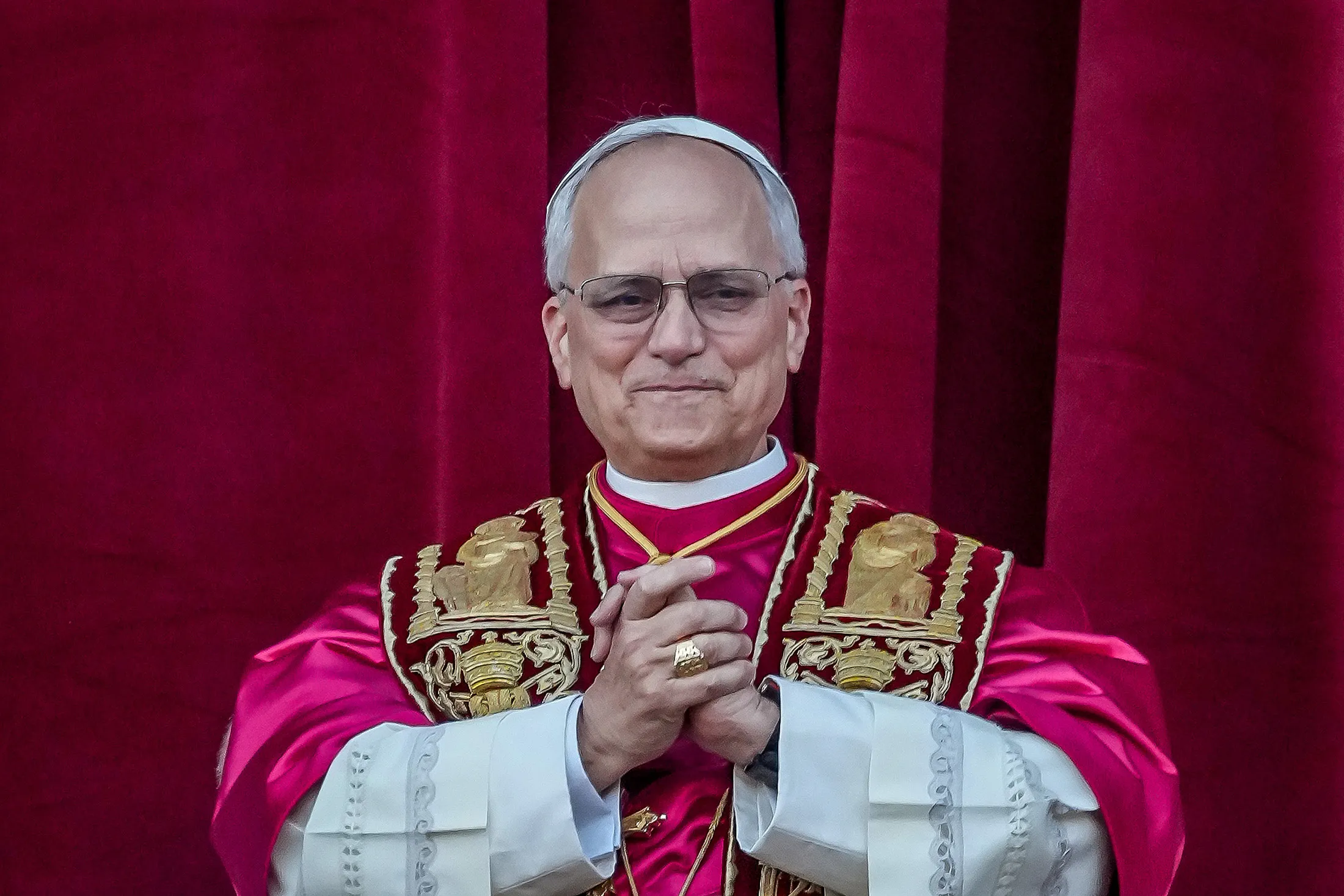
Both responses reveal something important about the current information landscape.
News and opinions now move at extraordinary speed. A few seconds of video can be separated from its original setting and placed before millions of viewers. Each person then interprets it through personal experiences, political beliefs, religious convictions, and expectations.
The same moment can appear profound to one viewer, unnecessary to another, and simply surprising to someone else.
That fragmentation makes genuine public conversation increasingly difficult. People often respond before they have time to reflect. Debate becomes confrontation, and disagreement is treated as proof of bad character rather than a natural part of living in a diverse society.
In that environment, messages about unity and compassion can feel unusually powerful.
The discussion also highlighted the changing social role of comedy. Humor has never been only an escape from serious issues. At its strongest, comedy exposes contradictions, questions authority, and encourages audiences to look at familiar problems from a different angle.
Comedians can say what others hesitate to express. A joke may open the door, but what follows can become a serious examination of fear, hypocrisy, injustice, or hope.
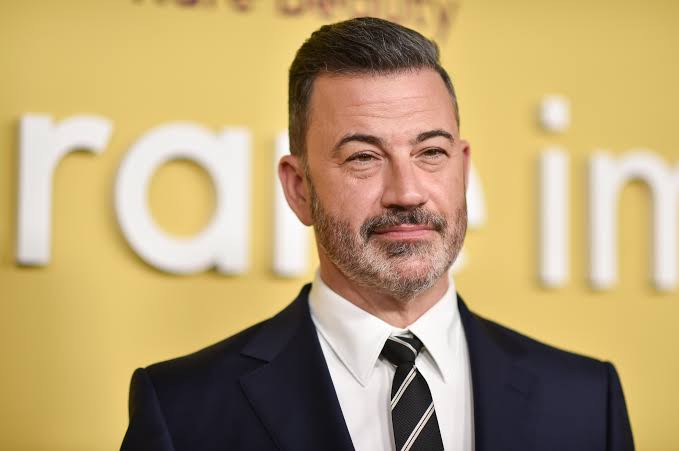
That is why an unexpected connection between a late-night host and a pope could resonate far beyond one television segment. It invited people to consider who is capable of starting an important conversation—and whether meaningful reflection must always come from traditional institutions.
Perhaps the larger issue was never about choosing between entertainment and religion. It was about recognizing how both can influence public life.
Millions of people are searching for voices they can trust. They want leaders who do not merely intensify anger but help others understand one another. They want public figures who recognize suffering, speak with empathy, and remind audiences that disagreement does not have to destroy a shared sense of humanity.
Fame, authority, and visibility can attract attention, but they do not automatically create meaningful leadership. The deeper measure may be whether a person can inspire reflection, encourage compassion, or offer hope when people feel overwhelmed by conflict.
The debate surrounding Jimmy Kimmel and Pope Leo XIV ultimately became larger than either man. It reflected a society trying to determine which voices matter, what genuine leadership looks like, and whether unity is still possible amid constant division.
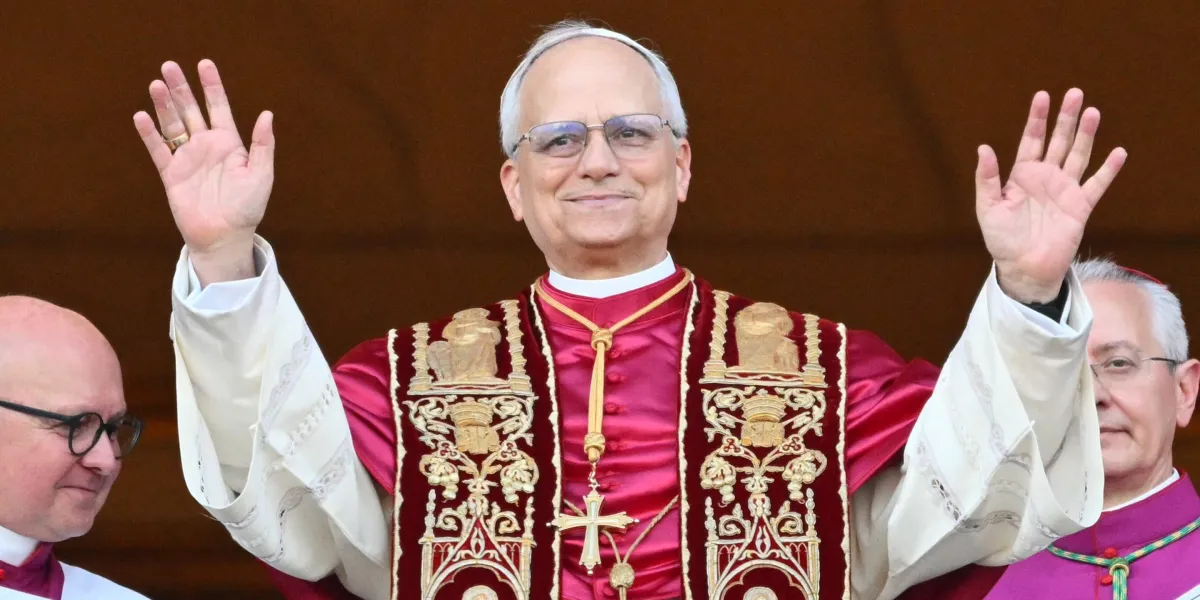
People may continue to disagree about the importance of the moment. Some will view it through faith, others through politics, media, or popular culture.
But the widespread reaction revealed one clear truth: beneath the noise of modern life, many people are still listening for something deeper.
They are listening for reassurance that compassion has not disappeared, that thoughtful leadership remains possible, and that even an unexpected television conversation can briefly create space for hope.