The Maharaja Who Opened His Kingdom to Strangers: How One Man Gave 740 Polish Children a Second Chance at Life
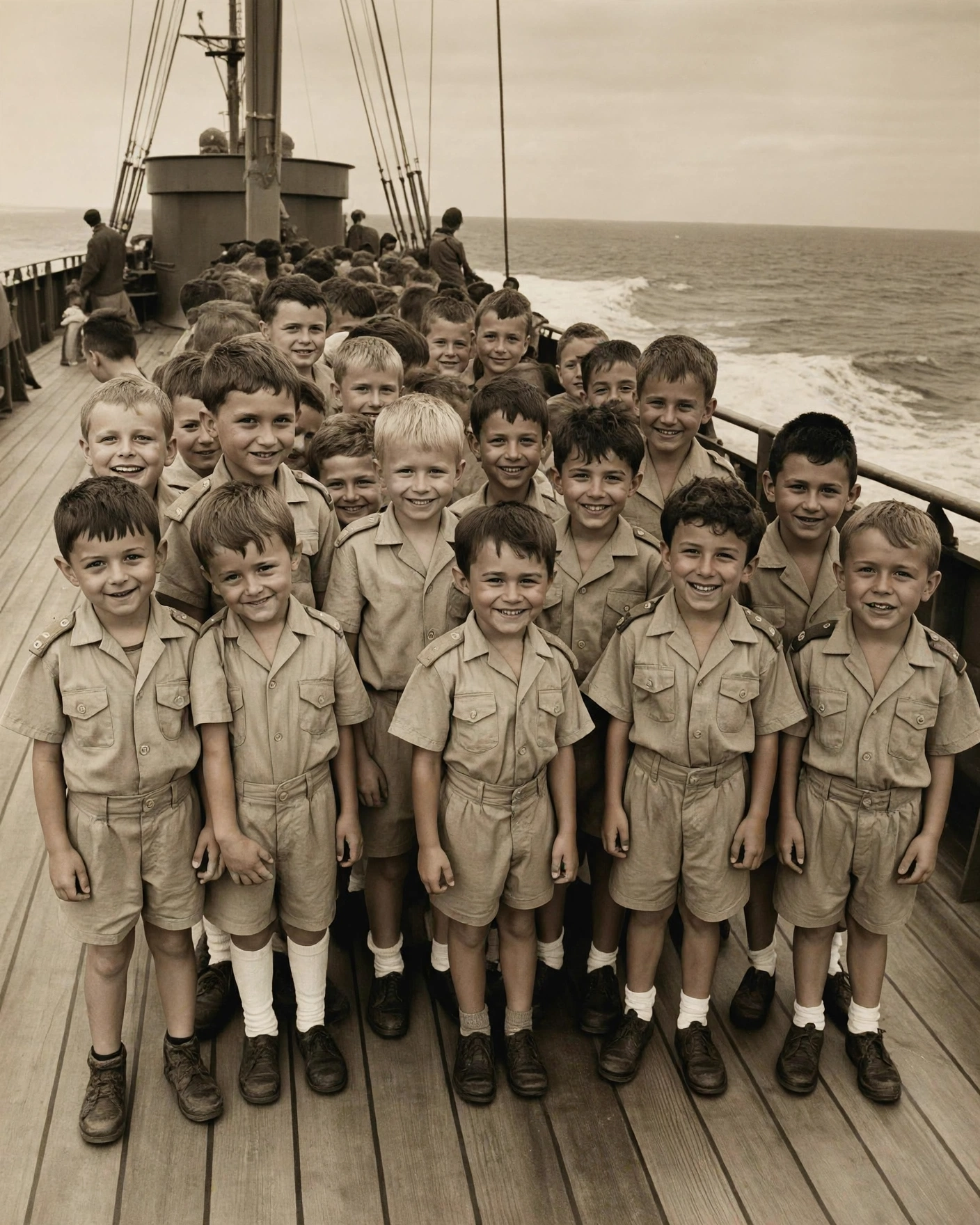
They arrived with almost nothing—thin, exhausted, and carrying memories no child should ever have to bear.
After years of displacement, hunger, and fear, hundreds of Polish children stepped onto unfamiliar land thousands of miles from home. They had lost families, homes, and any sense of certainty. The world had turned away more than once.
But in western India, one man chose a different response.
The ruler of a small princely state, known as the Maharaja of Nawanagar, made a decision that would forever change the lives of 740 children who had nowhere left to go.
At a time when much of the world was closing its doors, he opened his.
The story begins in the early years of World War II, when Poland was invaded and its people faced brutal occupation. Thousands were deported, separated from their families, or forced into harsh conditions across distant regions. Among them were children who would spend years moving from place to place, surviving in environments where food was scarce and safety was never guaranteed.
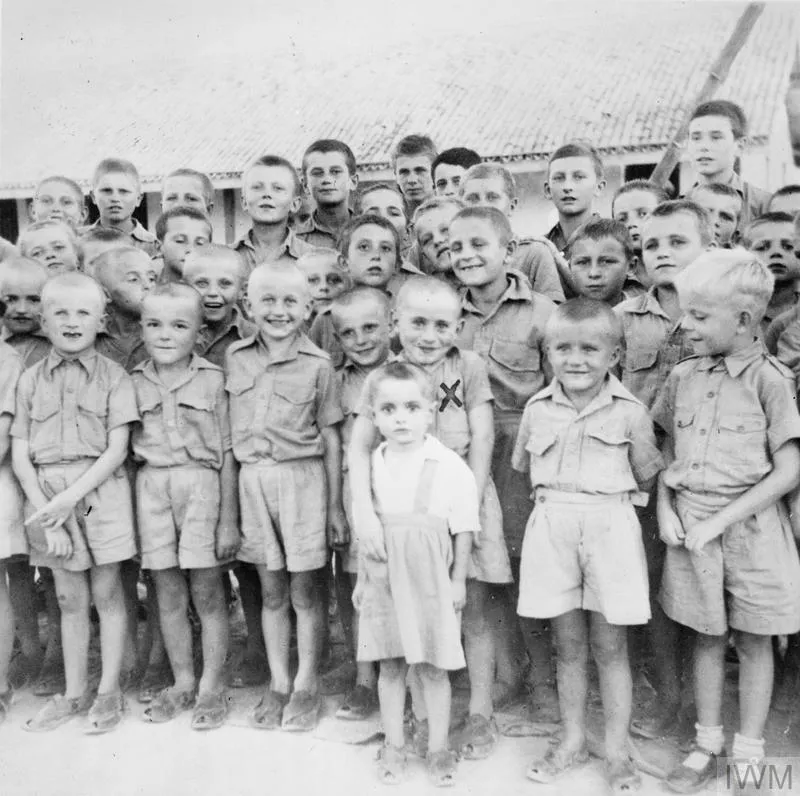
By the time an opportunity for evacuation emerged, many of these children were physically weak and emotionally broken.
They had already endured more than most adults could imagine.
Arrangements were eventually made to transport a group of Polish children out of the Soviet Union. Their journey took them across continents, through uncertainty, and toward a destination they did not fully understand.
India was not an obvious refuge.
Yet when the request for assistance reached the Maharaja of Nawanagar, he did not hesitate.
Rather than treating the children as temporary guests, he welcomed them as his own.
He arranged for them to be brought to his state and ensured they would have a place not just to survive, but to live with dignity. A special settlement was created at Balachadi, where the children were given shelter, food, clothing, and, perhaps most importantly, a sense of stability.
For the first time in years, they could sleep without fear.
The Maharaja’s approach went far beyond basic care.
He insisted that the children be treated with compassion and respect. Schools were established so they could continue their education. Cultural activities were encouraged, allowing them to preserve their identity even while living far from home.
He reportedly told them they were not orphans in his land—they were his children.
That message mattered.
For children who had lost everything, the idea of belonging again was as powerful as any material support.
Life at Balachadi slowly transformed their reality.
The same children who had arrived malnourished and traumatized began to regain strength. They played, learned, and formed friendships. Laughter, once absent, returned to their daily lives.
Teachers and caretakers worked to rebuild not only their health, but their confidence.
The scars of the past did not disappear, but they no longer defined every moment.
What made this act even more remarkable was the broader context of the time. The world was consumed by war. Resources were limited. Political tensions shaped decisions at every level.
Yet in the midst of that global crisis, a regional ruler chose compassion over indifference.
He did not act because it was expected.
He acted because he believed it was right.
The children remained under his protection for several years, growing up in an environment that allowed them to recover both physically and emotionally. When the war eventually ended, many were able to continue their lives elsewhere, carrying with them the memory of the place that had given them a second chance.
For some, that journey led them far from India.
But they never forgot what had been done for them.
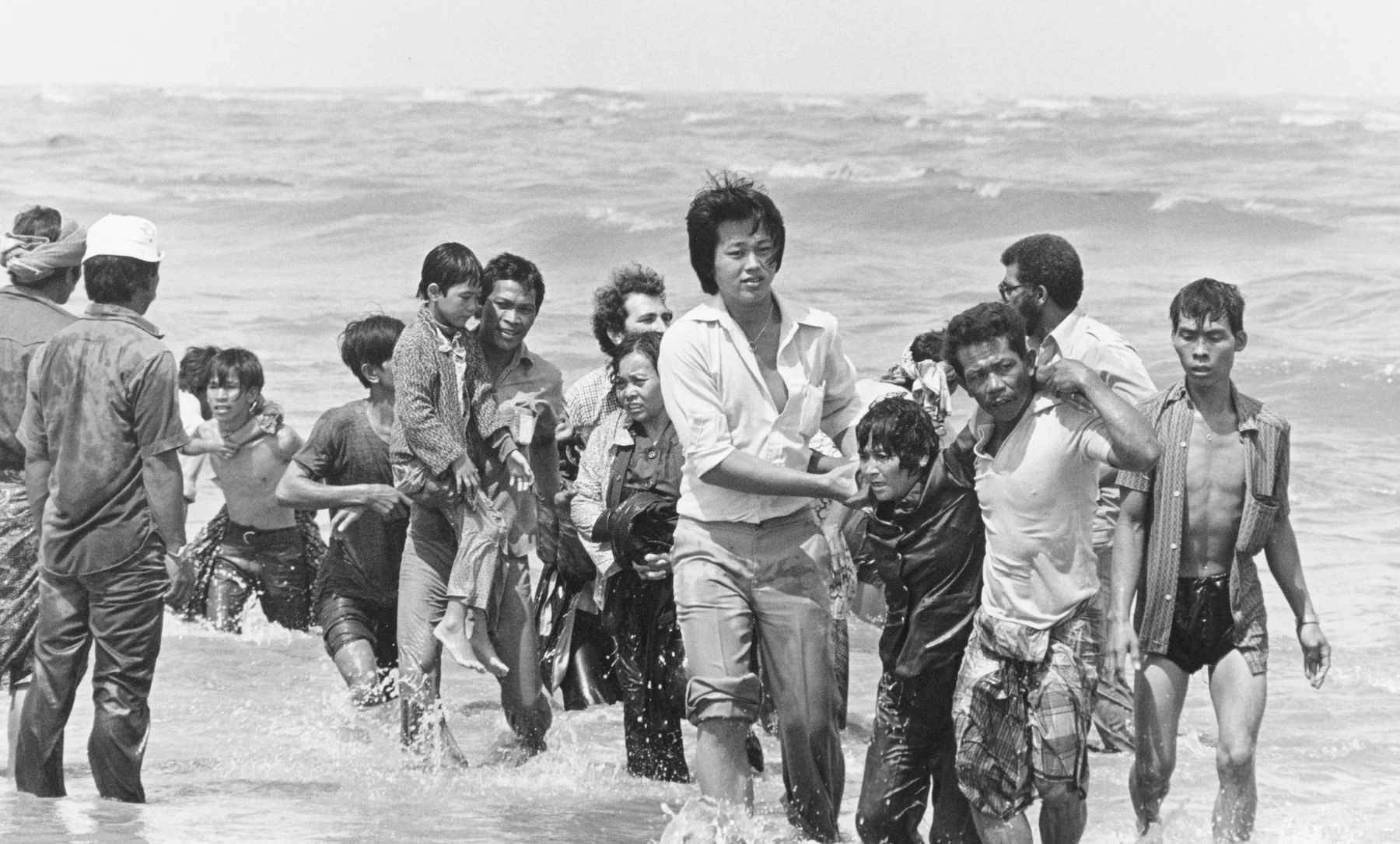
Decades later, survivors and their descendants continued to speak about the Maharaja with deep gratitude. To them, he was not simply a ruler from a distant country.
He was the man who stepped forward when others could not—or would not.
The legacy of his decision extended beyond those 740 children.
It became a symbol of what is possible when compassion is placed above politics, and when leadership is defined not by power, but by humanity.
In a time marked by division and suffering, his actions created a story that still resonates across generations.
The children who once arrived as refugees left as individuals who had been given the chance to rebuild their lives.
They carried forward not only survival, but memory.
A memory of a place where strangers became protectors.
A memory of a man who refused to see them as burdens.
And a memory of kindness that crossed borders, cultures, and circumstances.
History often remembers wars through battles and strategies. But sometimes, its most powerful stories are found in quieter decisions—moments when one person chooses to care.
The Maharaja of Nawanagar made that choice.
And because he did, 740 children were not lost to history.
They were given the chance to live beyond it.