Buried Before Dawn: How the 2024 Wayanad Landslides Became One of Kerala’s Deadliest Natural Disasters
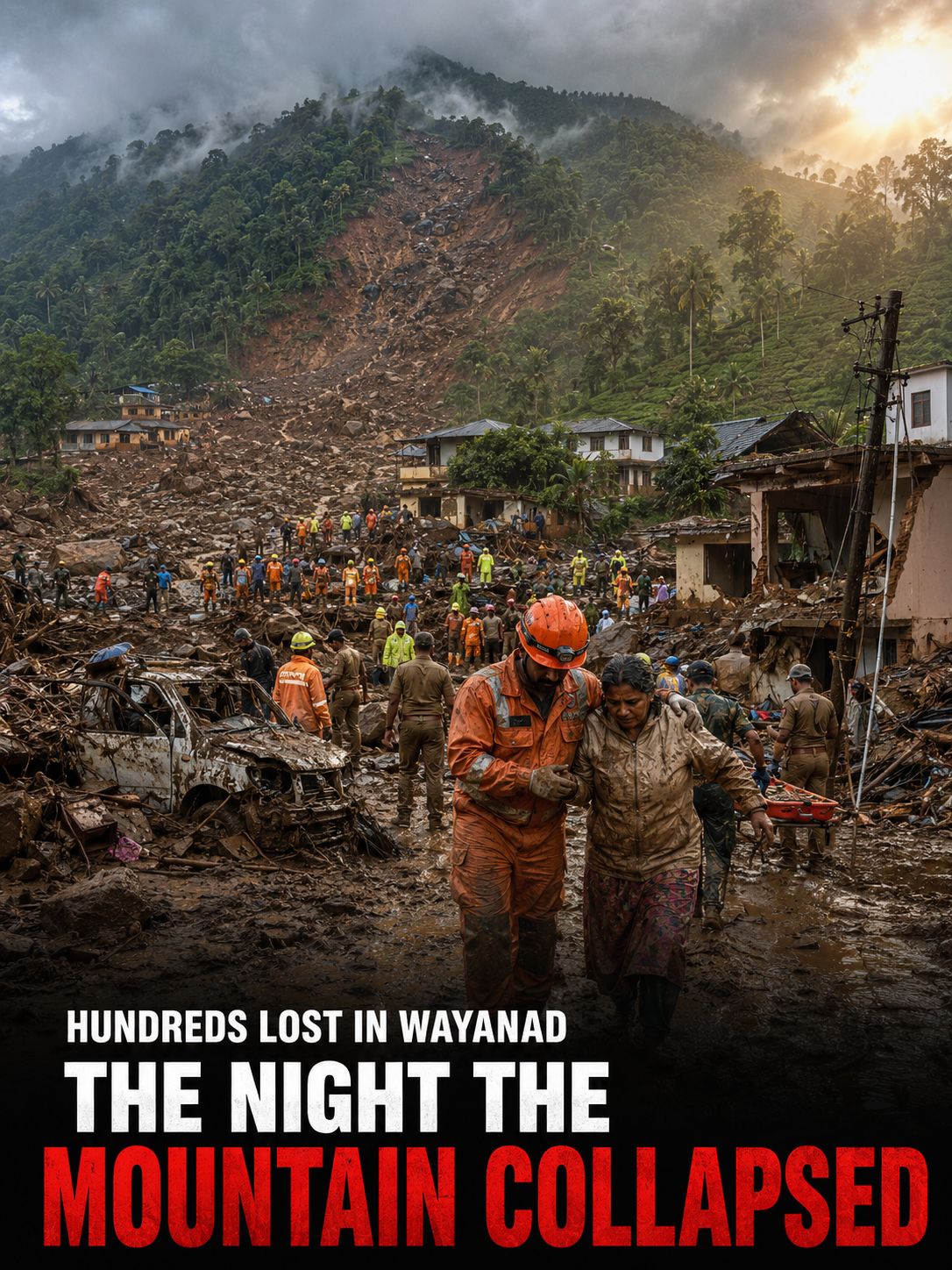
The hills gave way while much of the region was still asleep.
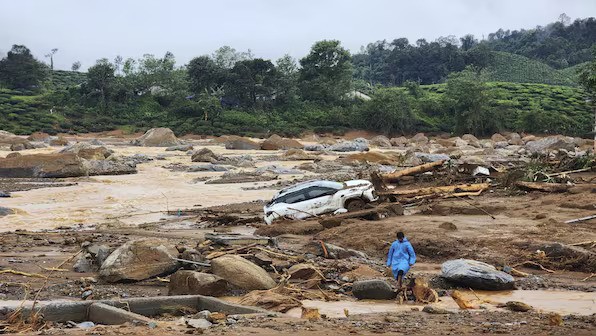
In the early hours of July 30, 2024, a series of devastating landslides swept through several villages in Wayanad district, Kerala, leaving behind widespread destruction and one of the darkest chapters in the state’s modern history. Triggered by intense rainfall, collapsing hillsides overwhelmed communities below, transforming peaceful mountain settlements into disaster zones within moments.
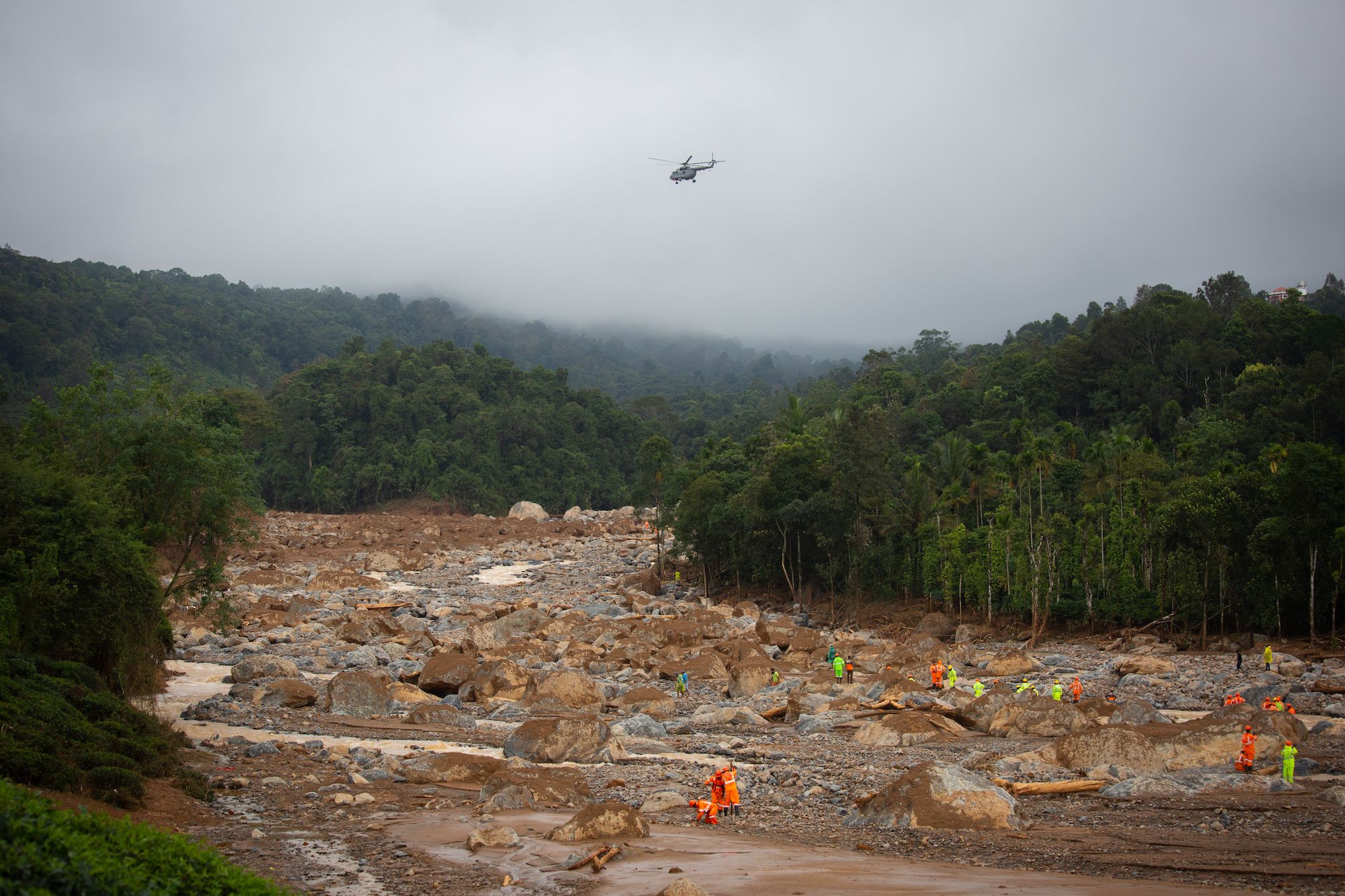
The tragedy unfolded across the villages of Punjirimattom, Mundakkai, Chooralmala, and Vellarimala, all located within Meppadi panchayat in Vythiri taluk. What began as heavy rain quickly escalated into a catastrophic event as saturated hillsides failed, sending massive amounts of earth and debris crashing downhill.
For many residents, there was little or no time to react.
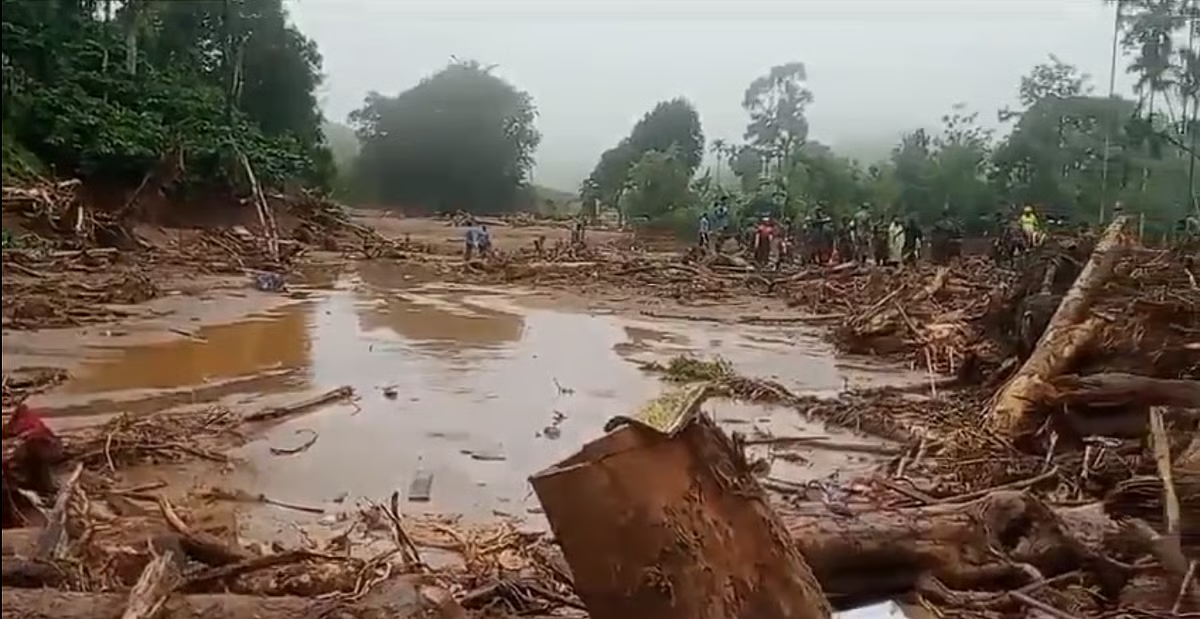
Entire communities were suddenly confronted with the force of nature as landslides tore through populated areas. Homes, roads, and everyday life were caught directly in the path of the collapsing terrain, leaving widespread devastation in their wake.
The human toll was staggering.
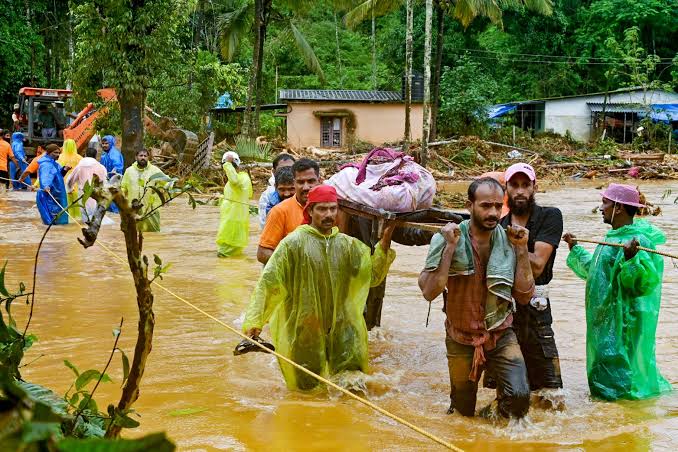
The disaster resulted in 420 reported fatalities, while 397 people were injured. Even after the immediate destruction had passed, uncertainty remained, with 118 people reported missing, leaving families searching for answers and communities struggling to cope with immense loss.
The scale of the catastrophe placed the event among the deadliest disasters in Kerala’s history.
The landslides did not affect a single isolated location. Instead, multiple villages experienced destruction during the same disaster, amplifying both the emergency response and the emotional impact felt across the region.
Although the heavy rainfall directly triggered the landslides, attention soon turned to broader questions about why the disaster had become so severe.
Several possible contributing factors were identified.
Among them were deforestation, which may have reduced the natural stability of the hillsides, and the area’s seismic sensitivity, raising concerns about the vulnerability of the surrounding terrain. Poor building construction was also identified as a possible factor influencing the extent of the destruction, while global warming was cited as another potential contributor to both the landslides and their devastating consequences.
Together, these possible causes highlighted the complexity of the disaster.
Rather than being explained by a single factor, the tragedy reflected the interaction of extreme weather with environmental and structural conditions that may have increased the vulnerability of the affected communities.
The disaster unfolded in Kerala, a state located along the Malabar Coast of southern India.
Established on November 1, 1956, under the States Reorganisation Act, Kerala was created by unifying the country’s Malayalam-speaking regions into a single state. Today it covers approximately 38,863 square kilometers (15,005 square miles).
Kerala’s geography is both beautiful and challenging.
The state stretches as a narrow band of coastal plains bordered by the Western Ghats on one side and the Laccadive Sea on the other. It shares borders with Karnataka to the northeast and Tamil Nadu to the east, while the Lakshadweep Islands lie offshore to the west.
This landscape has long defined life in Kerala.
Mountain ranges, forests, rivers, and coastal regions contribute to the state’s natural beauty, but they also create areas where heavy rainfall can pose significant risks. In regions such as Wayanad, steep hillsides and intense monsoon conditions can combine to produce dangerous natural hazards.
According to the 2011 census, Kerala had a population of approximately 33 million people, making it the 13th-most populous state in India.
Its capital city is Thiruvananthapuram, while the Kochi metropolitan area is the state’s largest urban region. Malayalam is the most widely spoken language, and together with English, it serves as an official language of the state.
Against this broader backdrop, the events of July 30, 2024, stand out as an extraordinary tragedy.
The landslides were not simply a consequence of heavy rain. They became a devastating reminder of how quickly natural forces can overwhelm communities when multiple risk factors converge. The combination of collapsing hillsides, damaged infrastructure, and the high number of casualties left an enduring mark on Kerala.
Long after the rain stopped, the impact of the disaster continued to be measured not only in damaged landscapes but also in lives forever changed.
The reported deaths, injuries, and missing persons underscored the profound human cost borne by the affected villages. Families faced unimaginable loss, while entire communities confronted the challenge of rebuilding after one of the state’s most destructive natural disasters.
The Wayanad landslides of July 30, 2024, will be remembered as a defining moment in Kerala’s history. The catastrophe demonstrated the devastating power of extreme rainfall and collapsing terrain while raising important questions about the environmental and structural conditions that may contribute to such disasters. Above all, it remains a solemn reminder of the lives lost and the resilience required to recover from tragedy on such a profound scale.