Abandoned in a Shopping Cart as a Newborn, She Found the Truth 53 Years Later
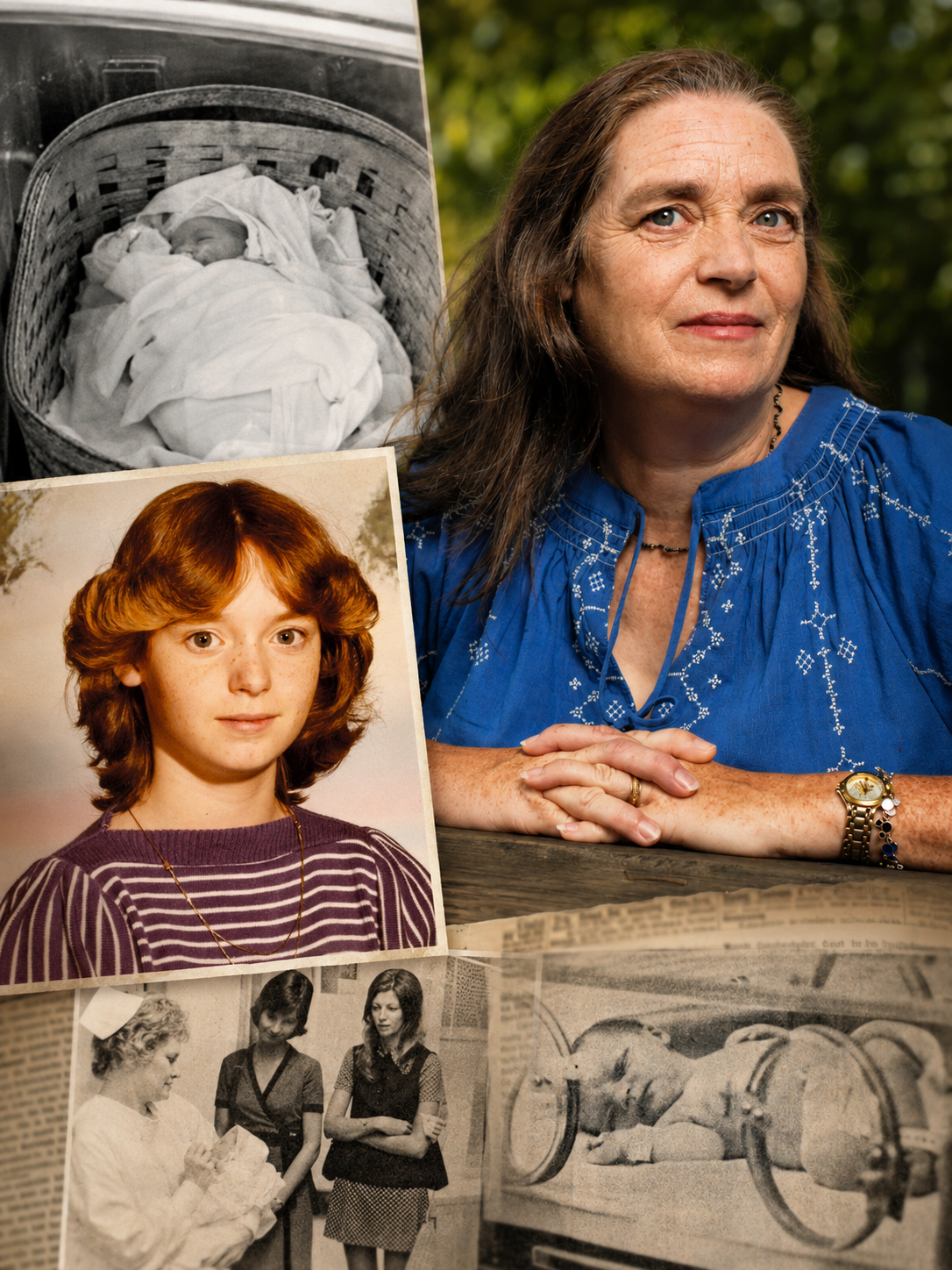
For more than half a century, Pearl Marshall knew almost nothing about the first hours of her life.
She had no names for her biological parents, no family medical history and no ordinary birth story. What she eventually discovered was far more extraordinary: As a newborn, she had been placed inside a brown paper bag, left in a shopping cart outside an Ohio shopping center and found by two women leaving a movie theater.
That discovery was only the beginning.
After years of searching, unexpected assistance from strangers and breakthroughs through genetic genealogy, Pearl finally learned who her birth parents were—and why her mother had made the painful decision to leave her behind.
The story began on an August evening in 1972 at Westgate Shopping Center in Fairview Park, Ohio.
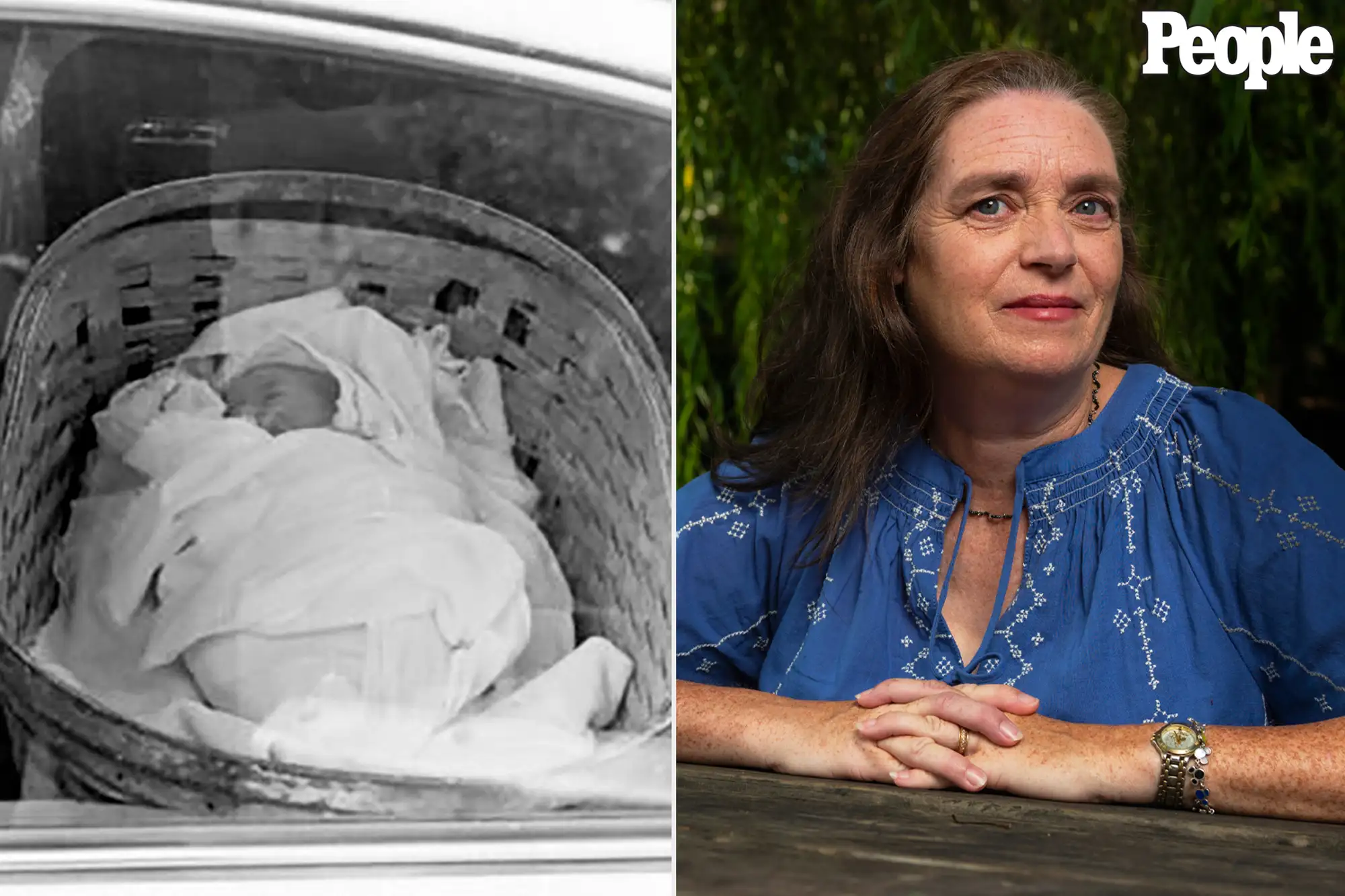
Darlene Gilleland and her friend Rita Marshall had just finished watching a movie when they approached Rita’s Ford Galaxie in the parking lot. A shopping cart had been positioned against the front of the car.
Inside it was a brown paper bag with its top carefully folded.
Then the bag moved.
When the women looked inside, they found a newborn girl who appeared to be only hours old. She was clean, dressed in a onesie and wrapped in a blanket. Despite the circumstances, the baby was remarkably calm.
The women immediately contacted police.
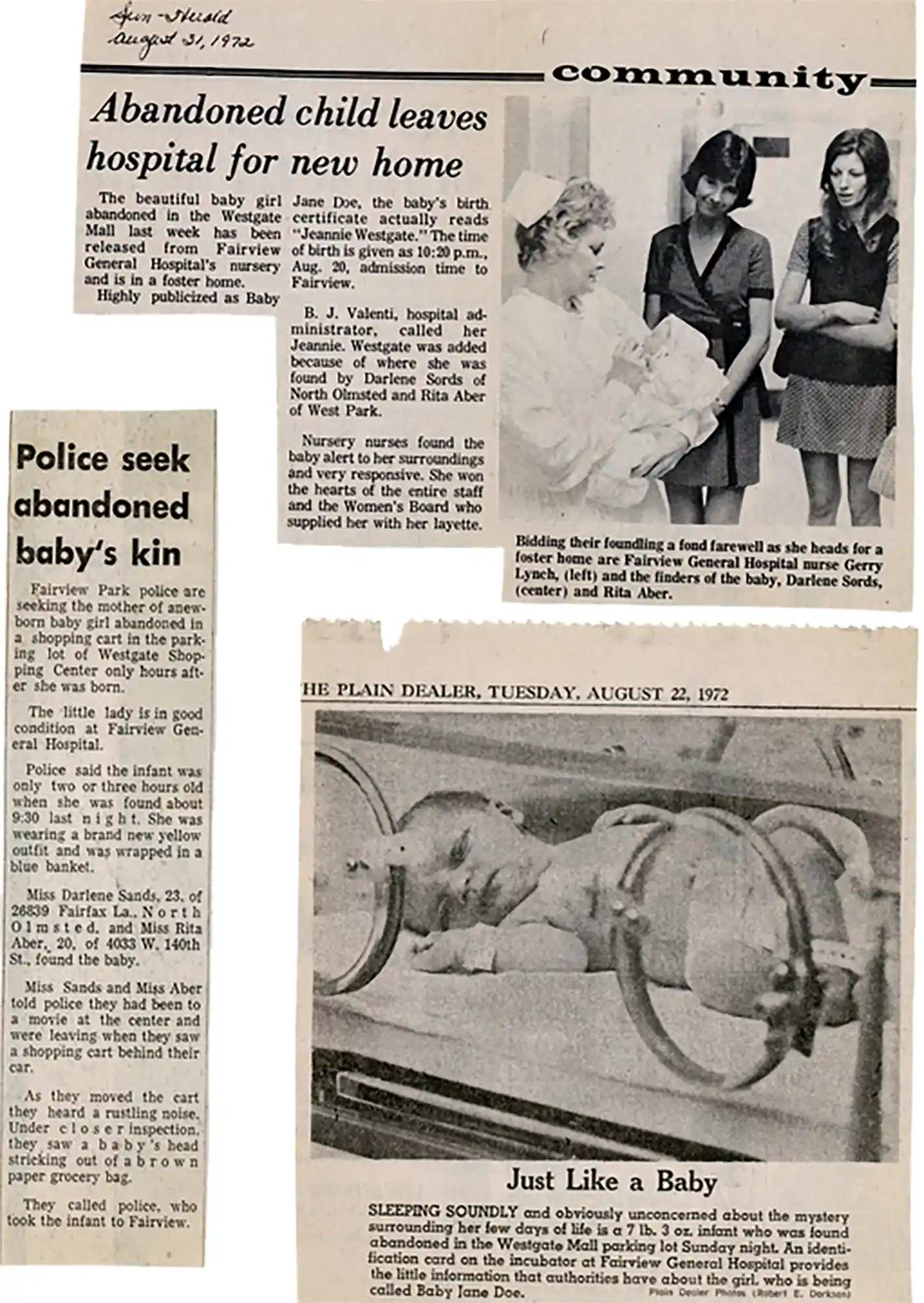
The infant was taken to a hospital, where she received medical attention. News reports referred to her as “Baby Westgate,” a name inspired by the shopping center where she had been discovered.
Four months later, she was adopted.
Pearl grew up in Cleveland, Pittsburgh and Washington, D.C., knowing from an early age that she had joined her family through adoption. But unlike other adopted children she knew, she possessed almost no information about her biological background.
Some adoptees had documents describing their birth parents, including basic physical characteristics or family details. Pearl had nothing comparable.
Even the circumstances surrounding her birth remained unclear.
When Pearl was in college, her adoptive mother shared a suspicion she had carried for years: Pearl might have been the abandoned newborn whose discovery had appeared in Ohio newspapers during the summer of 1972.
There was no easy way to prove it.
Pearl’s adoption had been closed, and Ohio law kept her original birth certificate sealed—even from her. Without that document, she believed there was nowhere meaningful to begin searching.
A change in state law eventually opened the door.
In 2015, Ohio allowed many adoptees to obtain previously sealed records. Pearl decided to request her original birth certificate, though the process took time. She finally received it in 2023.
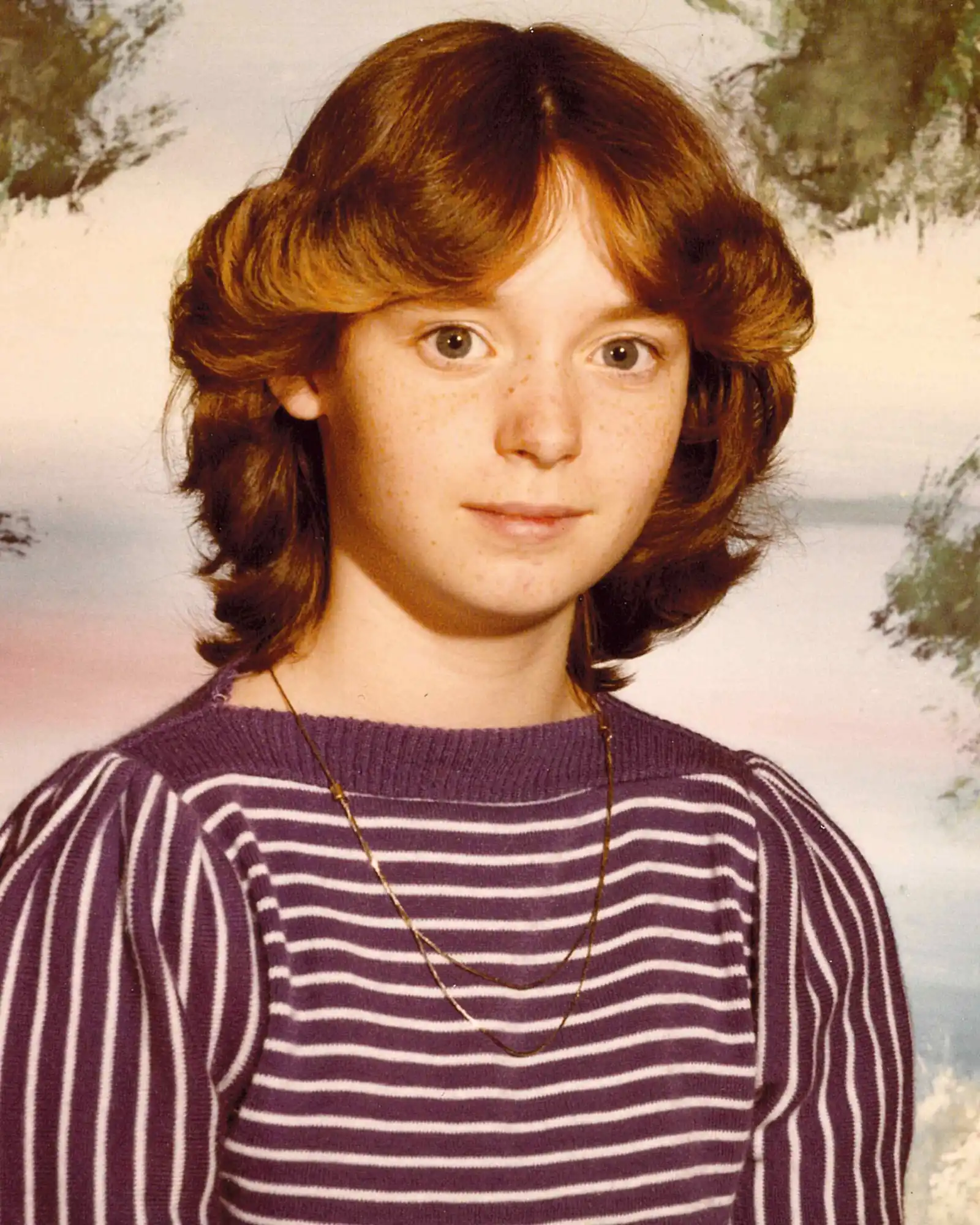
The document did not identify her biological mother or father.
But it contained two crucial details: her date of birth and a highly unusual birthplace—the Westgate Shopping Center.
Pearl and her husband, Jack Marshall, began searching online. Jack, who had also been adopted, used his internet research skills to locate an old newspaper report about the baby found in the shopping cart.
The dates and location matched.
Pearl’s adoptive mother had been right.
At 53, the music teacher from Salem, Virginia, finally understood that she was Baby Westgate. Yet confirming that identity created another set of questions.
Who were the women who found her? Could they still be alive? Most importantly, who had given birth to her, and what had happened that night?
Pearl contacted police in Fairview Park and eventually connected with Chris Gerrett, an engineer and member of the local historical society.
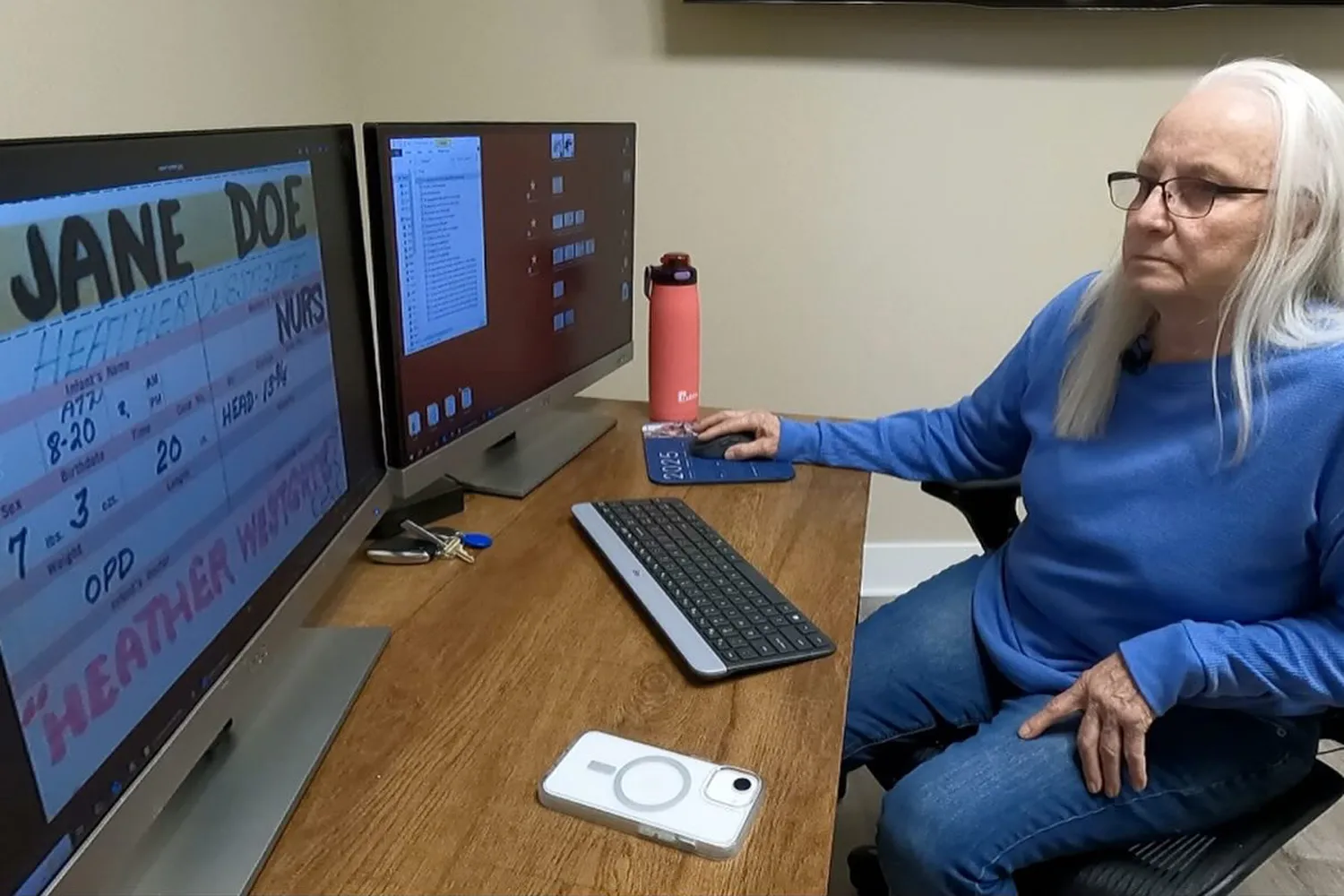
Gerrett, then 72, took an interest in Pearl’s case and began searching newspaper archives. Using the birth certificate as a guide, she uncovered the names of Darlene Gilleland and Rita Marshall—the two friends who had opened the paper bag in 1972.
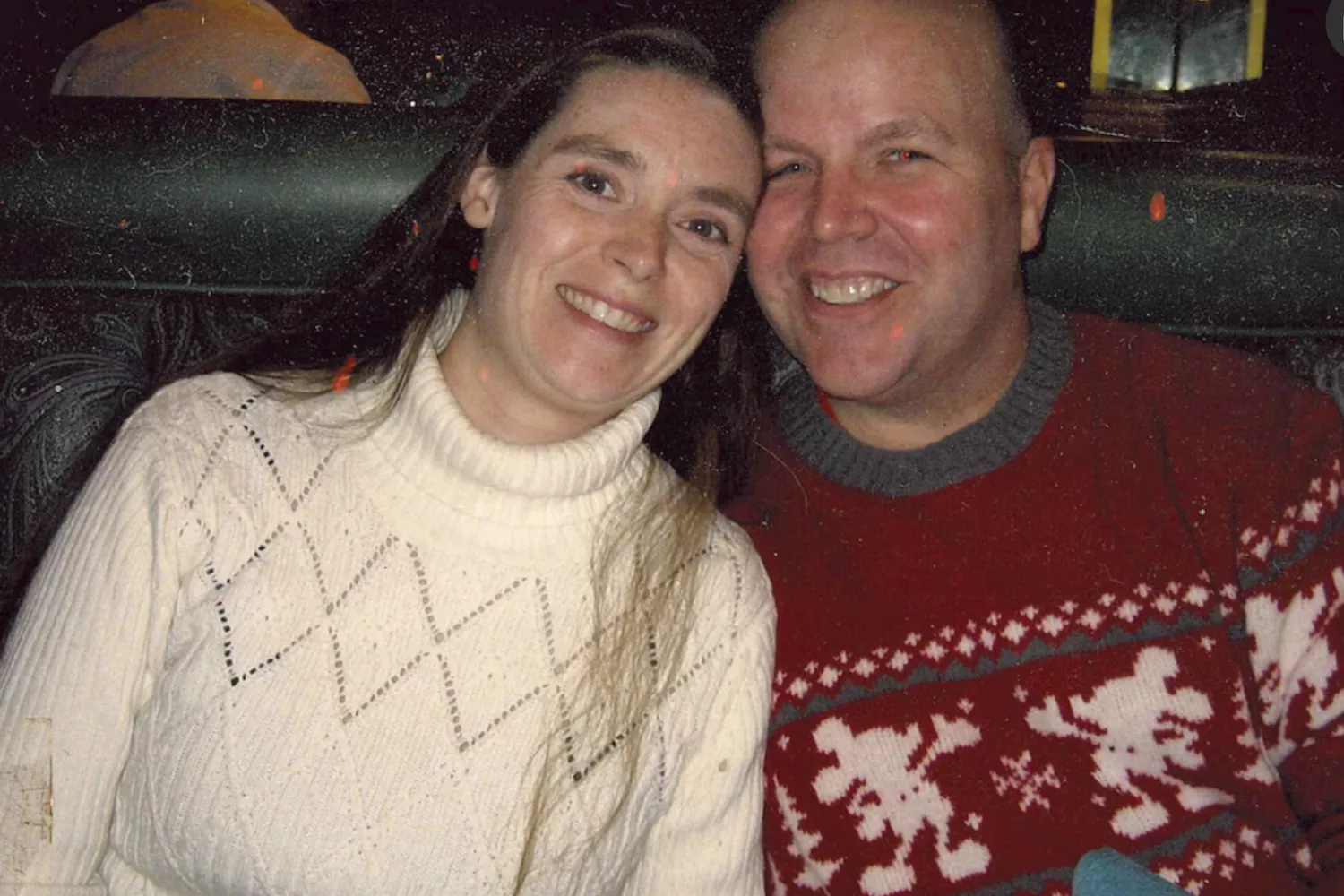
Finding their names was one challenge. Locating them more than 50 years later required a deeper search through property documents, probate records and old yearbooks.
When Gerrett could not reach Gilleland directly, she called the woman’s son and tried to explain why a stranger was asking about an abandoned baby from decades earlier.
His response confirmed that the search had reached the right family: The woman who found Baby Westgate was his mother.
The connection led to an emotional reunion.
Gilleland and Rita had never forgotten the infant. Over the years, they had saved newspaper clippings and repeatedly wondered what had become of the child they discovered in the parking lot.
In the summer of 2025, Pearl met both women in Ohio.
For the women who had found her, seeing Pearl as an adult brought closure to a mystery they had carried for decades. For Pearl, the reunion allowed her to meet the first people known to have held and protected her after she was left alone.
Her search for her biological family was also advancing.
Using genetic testing, Pearl located her birth father in 2023. He was still alive, but he could not tell her the identity of her biological mother.
A local news report about Pearl’s reunion with Gilleland and Rita later produced another unexpected clue. In the comments, someone suggested that she contact The Fronczak Files, an investigative podcast supported by researchers experienced in genetic genealogy and historical cases.
The team helped identify Pearl’s mother.
In June 2026, Pearl sat down for lunch with the woman who had given birth to her 53 years earlier. At first, neither knew what to say.
Jack gently guided the conversation until the two women became more comfortable.
Pearl did not arrive carrying anger. Instead, she offered forgiveness—even though she did not believe her mother needed to be condemned.
The gesture appeared to provide something her birth mother had carried without for more than five decades: permission to release at least part of the guilt surrounding that night.
Pearl then learned the details that transformed her understanding of her abandonment.
Her mother had been 22, unmarried and unable to raise her. During the pregnancy, she sang lullabies to her unborn daughter each night.
After giving birth, she cleaned and dressed the baby, wrapped her in a blanket and placed her securely inside the bag in the shopping cart.
She did not simply drive away.
Pearl’s mother circled the parking lot in her car, watching until someone found the newborn. She wanted to make certain her daughter would not remain alone.
Later, she took a job at Westgate Shopping Center. Each day, she parked in the same place where she had left her baby.
Learning those details changed the emotional meaning of Pearl’s story.
What had long appeared to be an act of unexplained abandonment was also the desperate decision of a young woman who believed she could not keep her child but still tried to ensure that the baby would be discovered safely.
Pearl came to view the choice as an act made out of love under painful circumstances. Her mother had wanted her, but believed someone else could give her the life she could not provide.
The search also expanded Pearl’s family tree.
Her biological mother later married and raised a daughter and son. Pearl has met her maternal half brother. On her father’s side, she connected with a half sister who shares an especially meaningful coincidence: She is also a music teacher.
Pearl’s biological and adoptive relatives have requested privacy, and she has chosen not to identify them publicly.
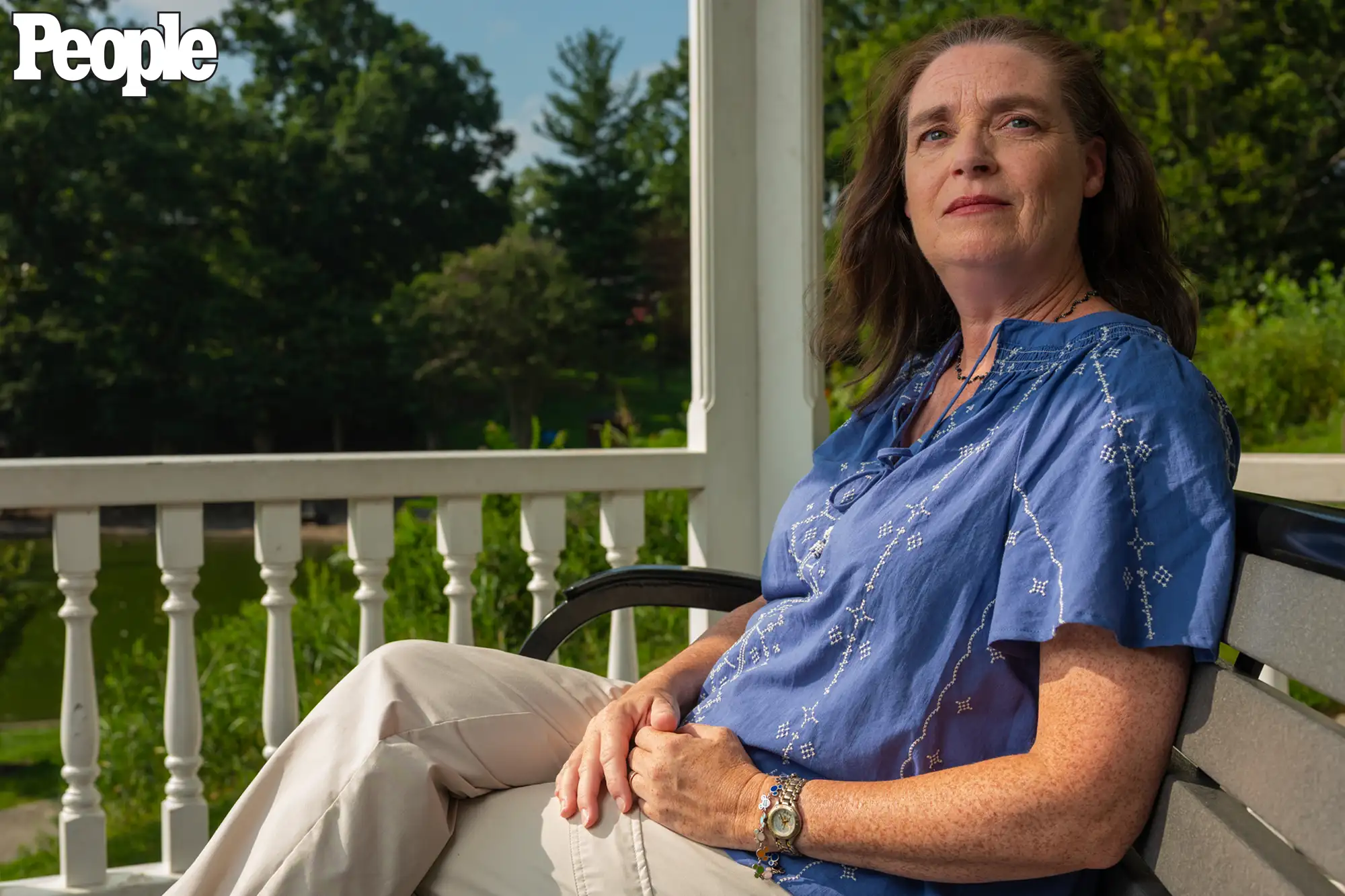
Her journey is not emotionally complete. New feelings continue to surface as she processes the discoveries, relationships and missing decades.
Still, she recognizes how fortunate she has been.
Both of her birth parents were alive when she found them. The women who discovered her as a newborn were also able to see what became of Baby Westgate. A sealed certificate was opened, an old newspaper mystery was solved and people separated for more than 50 years were finally brought together.
Pearl began with only a date and the name of a shopping center.
She ended with a history.
The paper bag, the carefully wrapped blanket and the shopping cart were no longer isolated details from an old headline. They were pieces of a mother’s difficult choice, two strangers’ lifesaving discovery and the opening chapter of a life Pearl could finally understand as her own.