New Mexico Court Blocks Key Confession in Case of Newborn Found in Hospital Trash
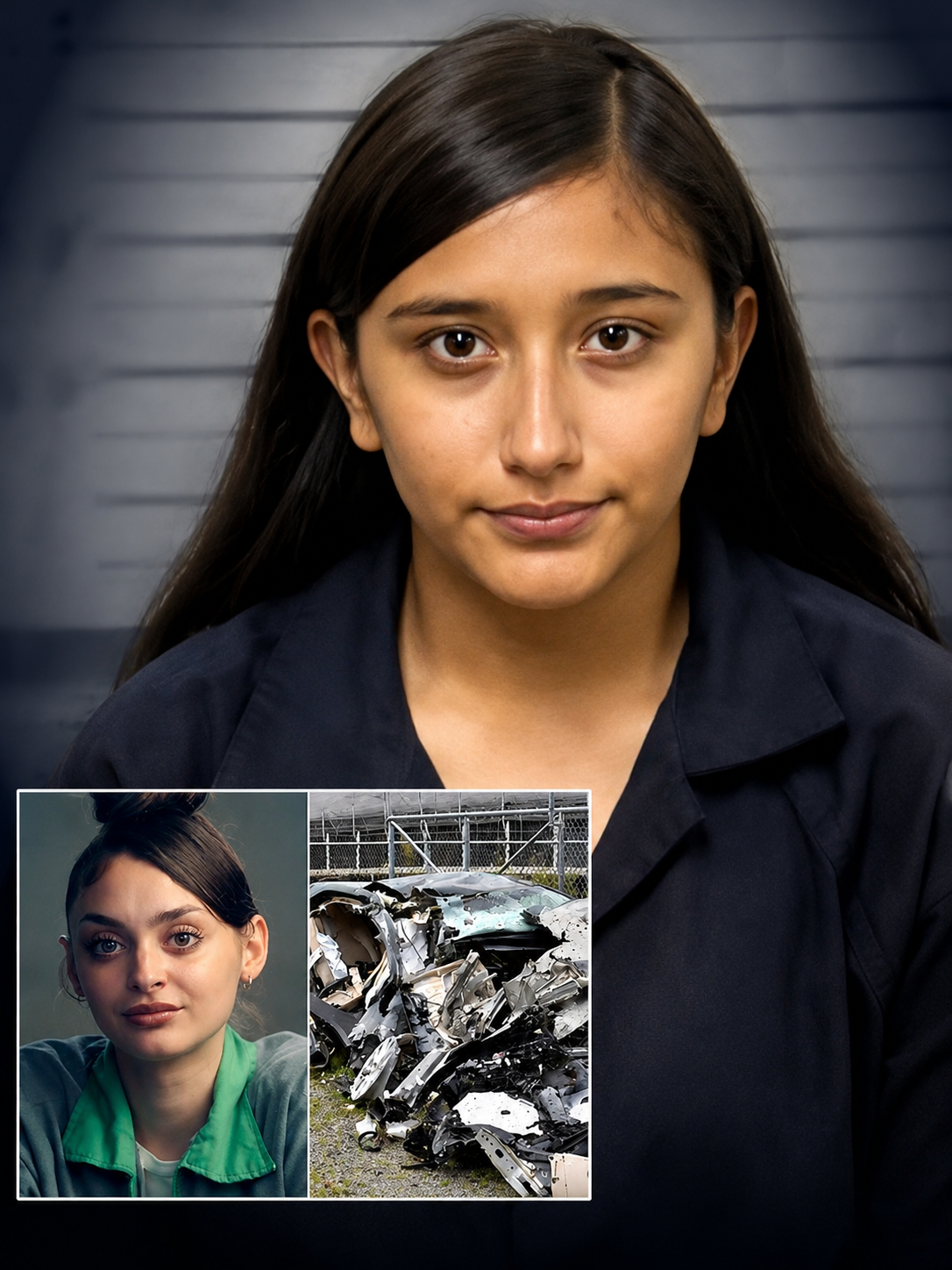
A murder case that began with the discovery of a newborn inside a hospital trash can has been transformed by a ruling from New Mexico’s highest court.
The state Supreme Court unanimously decided that prosecutors cannot use statements made by Alexee Trevizo while she was receiving medical care, including her recorded acknowledgment that she had placed the baby in a trash bag.
The justices also upheld the exclusion of police body-camera recordings and hospital surveillance footage connected to those statements. The ruling removes some of the most powerful evidence against Trevizo and leaves prosecutors facing the difficult task of rebuilding a case that once appeared to rest heavily on her own words.
Trevizo, who was a high school senior and cheerleader when the incident occurred, has maintained that the baby was stillborn. Her attorney has said she did not know she was pregnant until she delivered the child inside a hospital bathroom.
She was later charged with first-degree murder, child abuse and tampering with evidence.
The case began during the early morning hours of January 27, 2023, when Trevizo arrived at Artesia General Hospital in Artesia, New Mexico, complaining of severe back pain.
Hospital employees began examining her and ordered tests to determine what was causing the pain. She was also given morphine while medical staff waited for the results.
At one point, Trevizo left her room and entered a bathroom.

When she returned, she climbed back into her hospital bed without telling staff that she had delivered a baby.
A member of the hospital’s cleaning crew later entered the bathroom. The worker noticed that a trash bag felt unusually heavy and looked inside.
There, hospital staff discovered the body of a newborn boy.
Police were called to the hospital after employees reported the possibility of a crime. At least one officer entered Trevizo’s room while wearing an activated body camera.
What happened next became central to the criminal case—and ultimately to the Supreme Court’s decision.
Dr. Heather Vaskas entered the room with two officers and informed Trevizo and her mother that hospital staff had discovered a dead baby in the bathroom.
Trevizo responded by saying the baby had come from her and that she had not known what to do.
Her mother began asking questions, including where the baby had been placed. During the recorded exchange, Trevizo indicated that she had put the newborn inside the trash bag.
She also said that the baby had not been crying.
Prosecutors viewed those statements as an admission. They also relied on hospital security recordings that showed Trevizo entering and later leaving the bathroom where the newborn was found.
But the defense argued that the conversation took place while Trevizo was undergoing treatment and that her statements were protected by physician-patient confidentiality.
The courts agreed.
The New Mexico Supreme Court upheld an earlier ruling from the Fifth Judicial District Court, concluding that Trevizo had not voluntarily surrendered her right to keep medical communications private.
In an opinion written by Justice Michael E. Vigil, the court focused on the circumstances inside the hospital room.

Trevizo was still dealing with an unresolved medical emergency. The doctor entered with two armed police officers, who remained positioned in or near the doorway. Trevizo had not been warned that her private medical condition would be discussed in front of them, nor had she been given a meaningful opportunity to ask anyone to leave.
Under those conditions, the justices said they could not conclude that she freely waived her physician-patient privilege.
The Miranda issue added another layer to the dispute.
Police had not advised Trevizo of her right to remain silent before the conversation occurred. Prosecutors argued that Miranda warnings were unnecessary because she was responding to her doctor and mother rather than being directly questioned by an officer.
The defense maintained that the presence of law enforcement, combined with Trevizo’s medical condition and the nature of the discussion, made the recorded statements legally problematic.
The Supreme Court’s decision centered on medical privacy rather than relying solely on the lack of a Miranda warning.
Its ruling means the jury will not see the body-camera footage of the hospital-room exchange. The surveillance video showing Trevizo’s movements through the hospital has also been excluded, along with the statements made while medical personnel and police were present.
The evidence had played a major role in the prosecution’s original charging decision.
After the newborn was discovered, Trevizo received treatment and was initially allowed to return home. She continued attending school while authorities waited for the results of an autopsy.
The medical findings later became another central element of the case.
According to prosecutors, the autopsy showed that the baby had air in his lungs. It also identified evidence of hemorrhaging that was consistent with hypoxia, a condition caused by inadequate oxygen.
Prosecutors have argued that those findings conflict with Trevizo’s position that the baby was not breathing when he was delivered.
Trevizo was arrested on May 10, 2023, and charged with first-degree murder.
Her attorney has continued to insist that she is innocent, saying she was unaware of the pregnancy before unexpectedly giving birth in the hospital bathroom and believed the child had been stillborn.
The case attracted widespread attention partly because Trevizo attempted to continue her life as a student while awaiting trial.
A judge granted her pretrial release despite objections from prosecutors. Trevizo attended her high school prom and had expected to participate in graduation, though the school ultimately asked her not to attend the ceremony.
She was also permitted to enroll in college. Her presence there later prompted some students to create a petition demanding that she be removed from campus.
Throughout those developments, the murder charge remained pending.
Now, however, the case has entered a period of profound uncertainty.
The Supreme Court did not dismiss the charges or declare that Trevizo could not be prosecuted. Its ruling instead determines what evidence the state will be allowed to present if the case proceeds to trial.
Prosecutors still have the autopsy findings and may possess other evidence that was not covered by the decision. But they have lost the recorded conversation in which Trevizo discussed delivering the baby and placing him in the trash.
They have also lost the hospital footage that helped establish her movements before and after the newborn was discovered.
That creates a significant challenge.
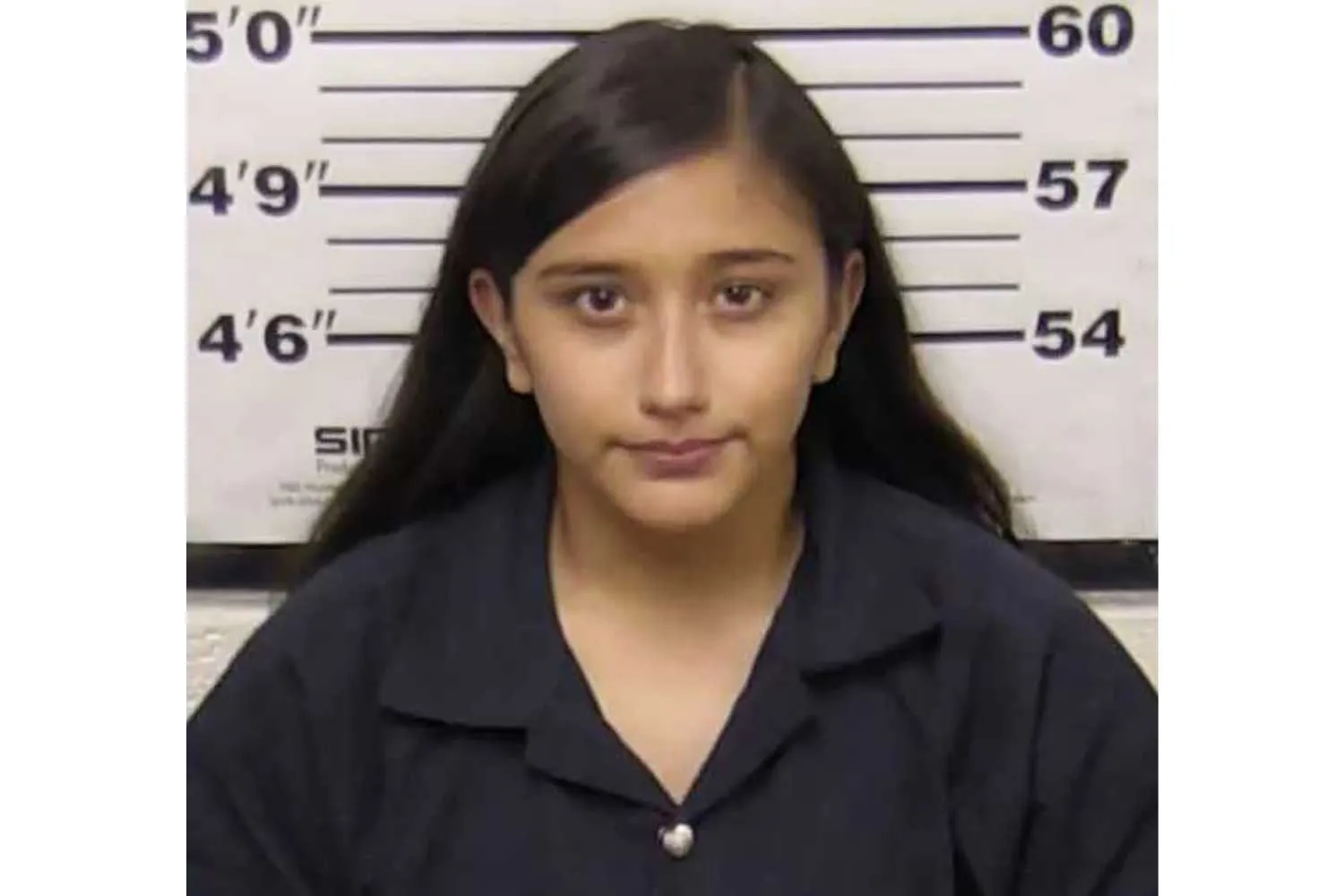
Without Trevizo’s statements, prosecutors must find another way to prove not only what happened inside the bathroom but also her state of mind during and immediately after the delivery.
The defense, meanwhile, can continue arguing that the newborn was stillborn and that Trevizo did not knowingly cause his death.
The legal battle now reaches far beyond the facts of one tragic night.
At its center is the boundary between a patient’s right to confidential medical treatment and the responsibility of hospital employees to report a suspected crime. It also raises questions about what happens when police are present during a medical conversation with a patient who has not been advised of her rights.
For Trevizo, the ruling removes her most damaging recorded statements from the courtroom.
For prosecutors, it eliminates evidence that once offered jurors a direct account of what she said moments after the baby was found.
And for the newborn at the heart of the case, the question of what happened inside that hospital bathroom remains unresolved.
More than three years after a cleaner lifted a heavy trash bag and made a horrifying discovery, the future of the prosecution is no longer clear. The state may still move forward, but it must do so without the confession and footage that originally shaped the case.