Missing at 15, Found Alive Four Years Later: Teen Was Allegedly Held Captive 730 Miles From Home
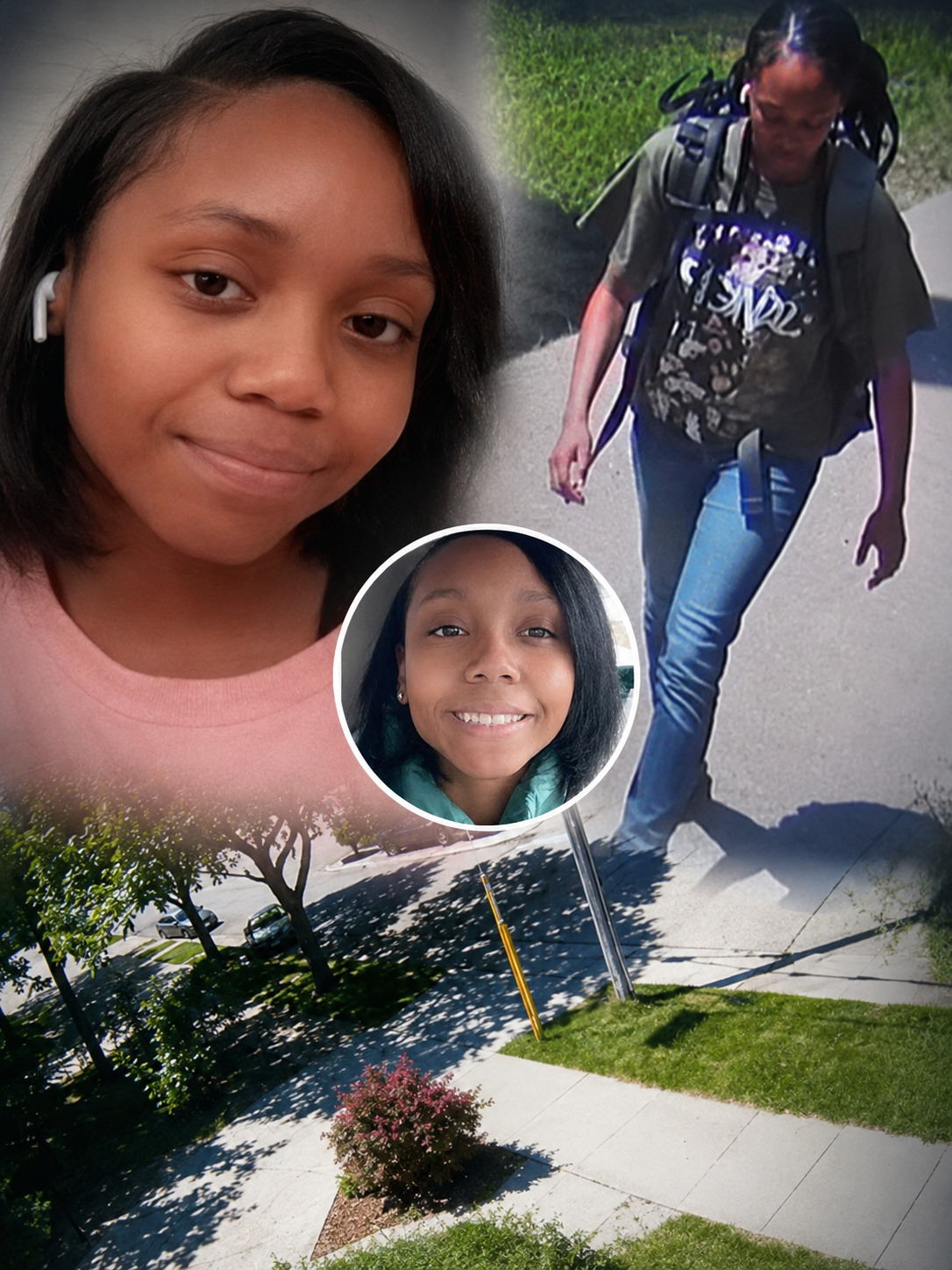
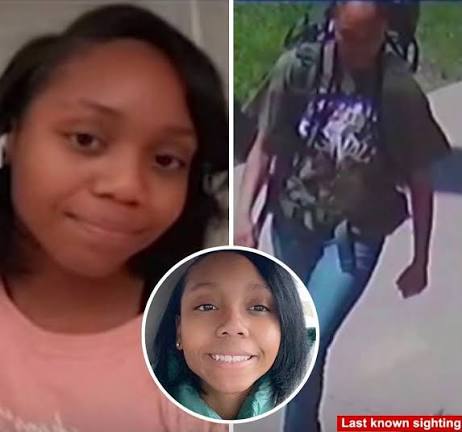
For nearly four years, the last known image of Joniah Walker showed a quiet 15-year-old leaving her Milwaukee home with a large backpack.
Her phone soon went silent. Her digital accounts disappeared. Her family pleaded publicly for help, fearing she had been drawn into danger by someone she met online.
More than 700 miles away, Joniah was still alive.
Now 19, she was found in Blacksburg, Virginia, after authorities responded to a domestic disturbance. Investigators say the man she had traveled to meet as a teenager had kept her under his control for years, subjecting her to physical and sexual abuse.
The discovery ended one mystery while opening a far more disturbing investigation into how a child could vanish across state lines and remain hidden for so long.
Authorities have identified the accused man as 37-year-old Owen Anderson. He is being held in Virginia and faces kidnapping and child-abduction charges in Wisconsin, with additional allegations connected to Joniah’s treatment during the years she was missing.
The case began on June 23, 2022.
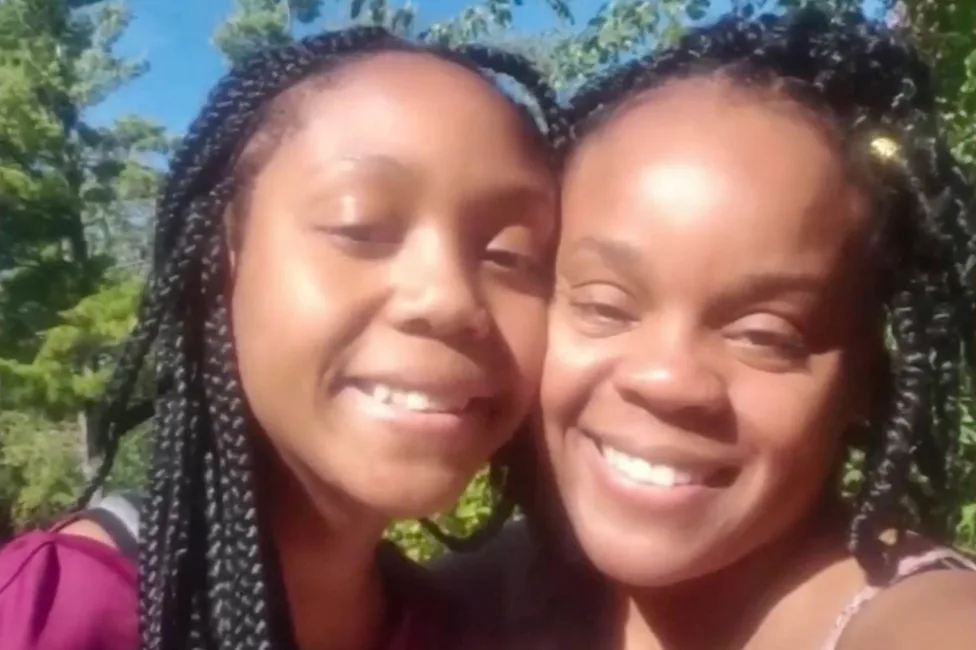
Joniah lived with her mother, Tanesha Howard, in Milwaukee. That morning, Howard left for work after seeing her youngest daughter resting in bed. The two remained in contact during the day before Joniah abruptly stopped responding.
She was supposed to meet her father that afternoon so they could apply for a work permit connected to a new job.
She never arrived.
When Joniah’s father called Howard and said their daughter’s phone was going directly to voicemail, the family immediately sensed that something was wrong. Joniah’s sudden silence was out of character, especially when she had plans with her father.
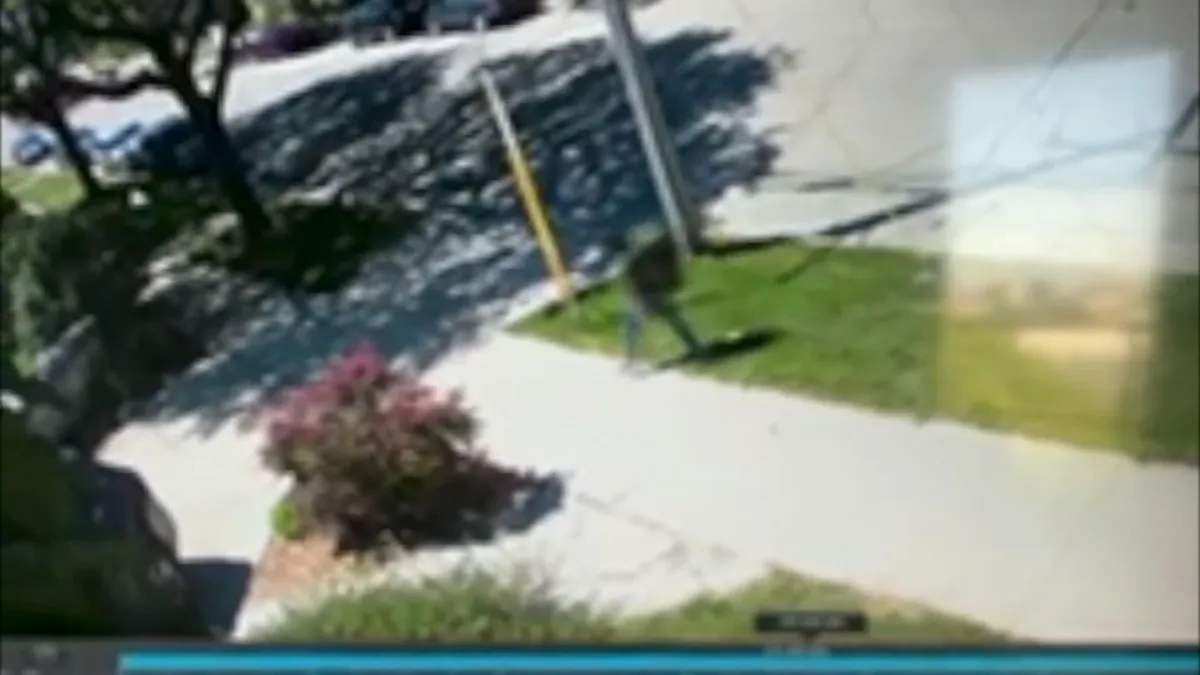
A neighbor’s doorbell camera provided the last known images of her in Milwaukee.
At about 2:30 p.m., Joniah was recorded walking away from the area near Buffum and Reservoir streets, only a few blocks from her home. She carried a large backpack and appeared to be leaving for more than a brief trip.
According to investigators, Joniah had arranged to travel from Milwaukee to Chicago in an Uber.
The ride had allegedly been organized by Anderson, a man she had communicated with online for several years. Authorities say the conversations began when Joniah was approximately 12 years old.
By the time she was 15, he had convinced her to meet him in person.
Joniah arrived in Chicago and met Anderson outside a movie theater on June 23. Investigators allege that he then abducted her and transported her to Virginia.
Records in the case indicate that Anderson disposed of Joniah’s regular cellphone as well as a separate prepaid phone he had given her. Both devices were allegedly thrown into a sidewalk trash can.
Removing the phones severed Joniah’s most direct connection to her family and made it more difficult for investigators to trace her movements.
Her mother quickly became convinced that someone had targeted her online.
Howard noticed that Joniah had erased much of her digital footprint before leaving. The unfamiliar backpack and the sudden disappearance strengthened her belief that another person had influenced her daughter’s actions.
She repeatedly described Joniah as intelligent, gentle and soft-spoken. She also said the teenager had experienced depression and post-traumatic stress disorder, circumstances that may have made her especially vulnerable to manipulation.
The family launched its own effort to find her.
Relatives searched for surveillance recordings, spoke publicly about the case and appealed to anyone who might know where Joniah had gone. They criticized the response from Milwaukee police, arguing that investigators did not move quickly enough during the earliest and most critical period.
Family members said they obtained neighborhood camera footage themselves and questioned why officers had not immediately canvassed the area more thoroughly.
Howard later said months passed before she received a meaningful follow-up interview from law enforcement. Her frustration grew as her daughter remained missing and the family struggled to learn what investigators were doing.
Police initially classified Joniah as an endangered runaway rather than a critically missing child. That distinction became a source of concern because such classifications can influence how urgently resources are deployed.
To Joniah’s relatives, the evidence suggested something more dangerous than a teenager voluntarily leaving home.
They believed she had been groomed.
As the months became years, Howard continued appearing in public and asking for help. She urged her daughter to call, reminding Joniah that she was loved and could always come home.
The case also became connected to a broader effort in Wisconsin to draw attention to missing Black women and girls.
State Rep. Shelia Stubbs worked with Howard while advocating for the creation of a Missing and Murdered African American Women and Girls Task Force. Joniah’s disappearance became one of the cases used to demonstrate why families needed greater support and why missing-person investigations required stronger attention.
Stubbs repeatedly encouraged Howard not to abandon hope.
That hope finally produced an answer on May 25, 2026.
Police in Virginia responded to a 911 call involving a domestic dispute. During that response, officers made contact with Joniah.
She identified herself and told them she had been reported missing from Milwaukee.
According to investigators, Joniah said Anderson had held her against her will and physically and sexually abused her. Authorities determined that she had been living in a small home in Blacksburg, roughly 730 miles from where she disappeared.
The teenager whose family had last seen her on a security camera was now a 19-year-old woman.
Milwaukee police initially announced only that Joniah had been found safe. They did not immediately explain where she had been located or what had happened during the years she was missing.
More details emerged when charges were filed against Anderson.
Investigators alleged that his contact with Joniah was not a sudden encounter between strangers. Instead, they described a lengthy period of online communication that began when she was still a child and eventually led to the arranged Uber ride.
Authorities say Anderson used that relationship to persuade Joniah to travel to Chicago, where he took control of her phones and transported her across multiple state lines.
He has not yet appeared in a Wisconsin courtroom and remains in custody in Virginia.
The criminal proceedings are expected to address conduct that allegedly occurred in several jurisdictions. Joniah left Wisconsin, met Anderson in Illinois and was taken to Virginia, creating the possibility of separate state and federal legal questions.
For her family, however, the most important fact is that she survived.
For almost four years, they lived without knowing whether Joniah was injured, hiding, being controlled or even still alive. Birthdays passed. Appeals circulated. Her childhood photographs remained attached to missing-person notices while she grew into adulthood somewhere beyond their reach.
The discovery in Virginia brought relief, but it also revealed the scale of what she may have endured.
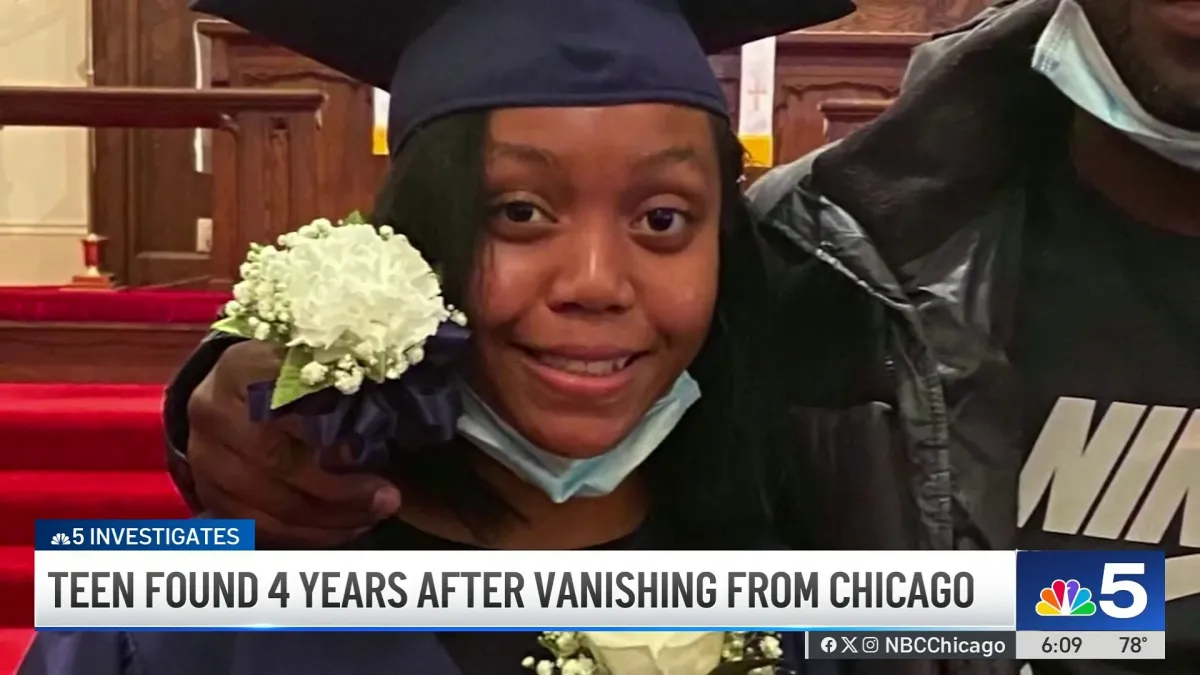
Joniah must now begin recovering from years that investigators say were marked by captivity and abuse. Her family has requested privacy as they reunite with the daughter they never stopped searching for.
The case also leaves difficult questions about the original investigation.
Could digital records have revealed the person communicating with Joniah? Could the Uber journey have been traced earlier? Did labeling her a runaway reduce the urgency of efforts to locate her? And how did an adult allegedly keep a nationally publicized missing child hidden for almost four years?
Those questions may take time to answer.
What is already clear is that Howard’s earliest fear appears to have been justified. She believed her daughter had not simply walked away. She believed someone had spent time gaining Joniah’s trust before luring her from home.
The final image from June 2022 no longer represents the end of Joniah’s story.
She left her Milwaukee neighborhood with a backpack, traveled to Chicago and disappeared into a situation her family could not see. Four years later, a police response to a Virginia home finally brought her identity back into the light.
Joniah was found alive.
And after years of uncertainty, the person accused of taking her is now facing the justice system while she begins the far more personal journey of reclaiming the life that was interrupted when she was only 15.