A SHOPLIFTING STOP THAT SPIRALED INTO A GUNSHOT AND A 40-YEAR SENTENCE PART 2
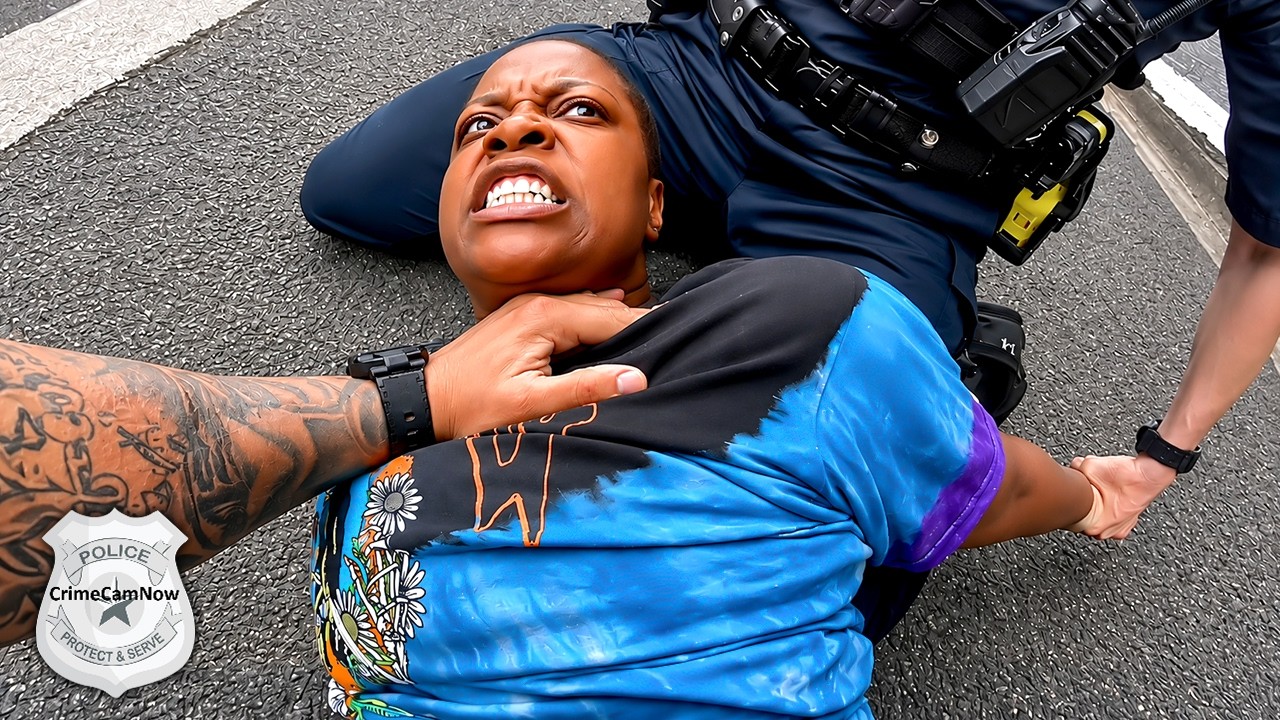
The confrontation had already escalated far beyond the original shoplifting investigation.
One woman was on the ground, officers were struggling to control her, and she was repeatedly telling them that she was three months pregnant.
Then came the moment that changed the entire encounter.
During the struggle, an officer suddenly shouted a warning that carried a very different level of urgency:
“Let go of my gun.”
Seconds later, a gunshot was heard.
What had begun as a Dollar General theft investigation was now a potentially deadly confrontation involving an officer’s firearm.
“Let Go of My Gun”
At approximately 5:28 in the footage, the struggle is already intense.
The woman continues yelling that she is pregnant and tells officers not to touch her. Commands are being shouted from multiple directions as officers attempt to bring the situation under control.
Then the tone changes sharply.
One officer can be heard yelling:
“Let go. Stop. Let go of my gun.”
The command is repeated.
A moment later, a gunshot rings out.
The footage is chaotic, and the camera does not provide a perfectly clear visual account of every movement around the firearm. But the officer’s words make one thing unmistakable: he believed the woman had gained some kind of contact with his weapon during the struggle.
The shot immediately raises the stakes.
What had been a disputed detention and resisting-arrest situation now carried the risk of a fatal outcome.
The woman continues screaming after the discharge. She repeatedly says she is pregnant, calls for police and claims that officers are hurting her.
Nearby officers continue trying to stabilize the scene.
No one appears to have been struck by the shot.
But the danger of what had just happened becomes increasingly clear in the minutes that follow.
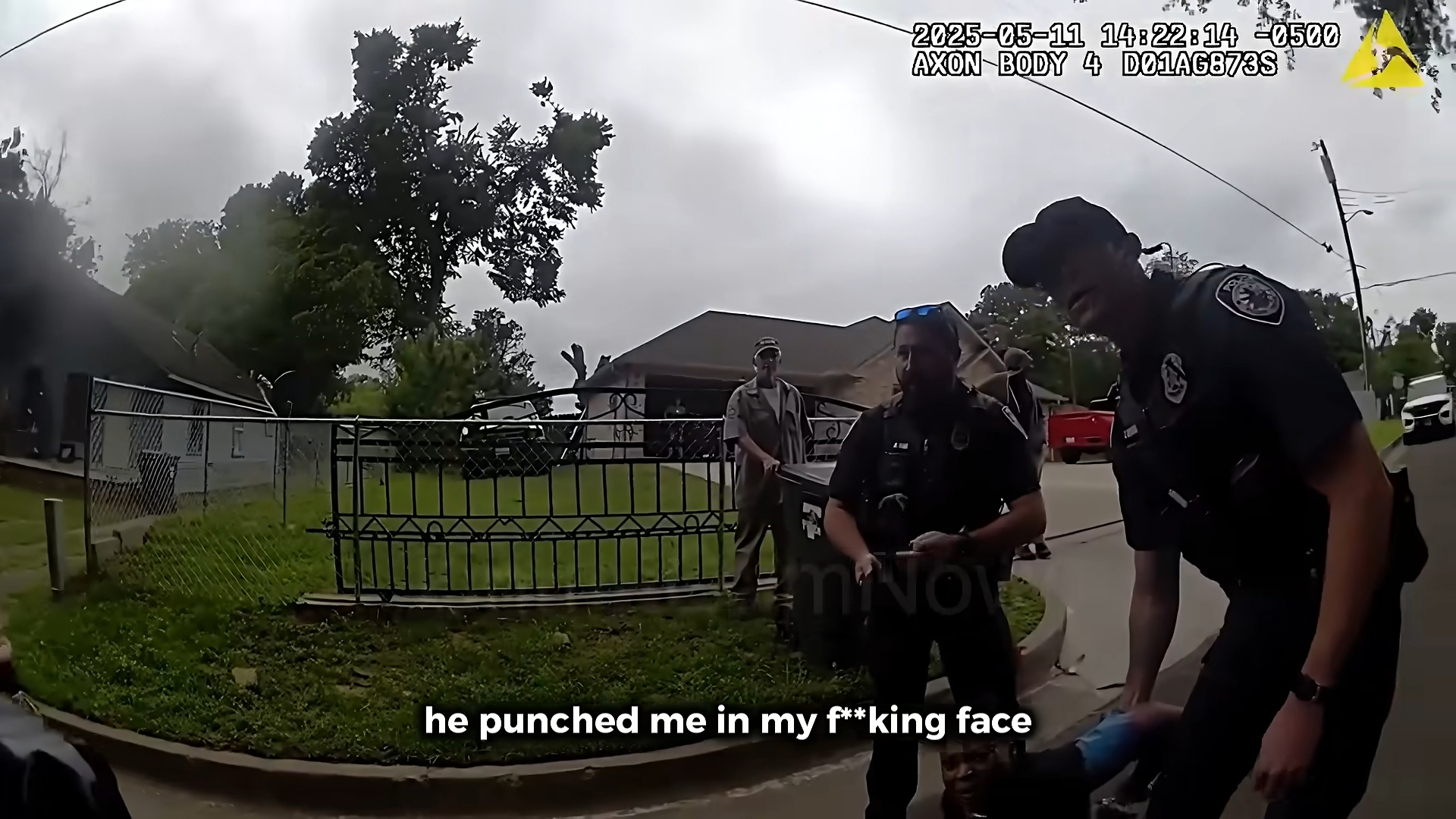
Officers Move to Restrain Both Women
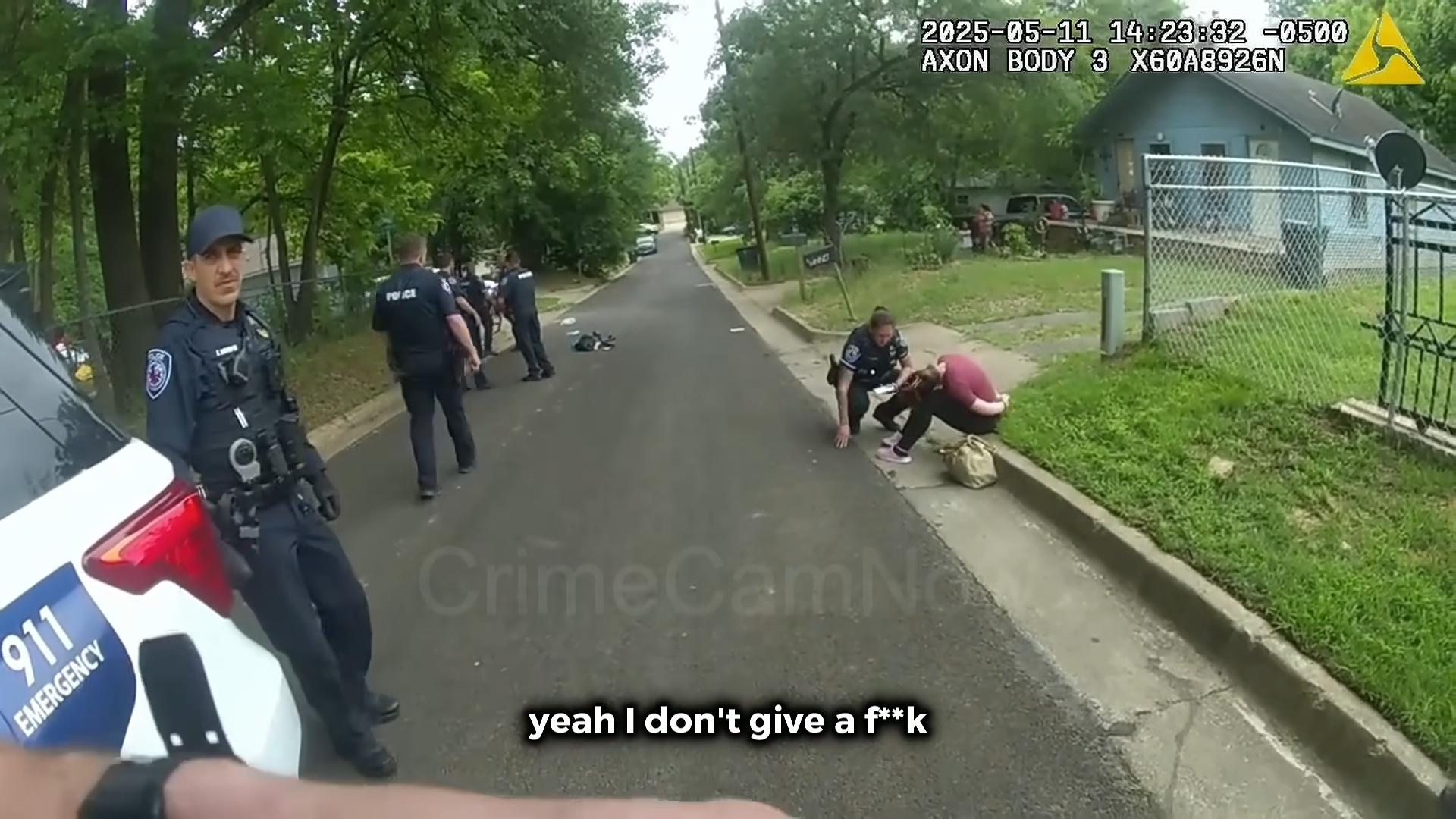
By around 7:39, police begin taking firmer control of the scene.
One officer orders a second woman to stand and put her hands behind her back.
She immediately protests.
“What did I do?” she asks.
She argues that she had not been involved in the physical struggle and says she had merely been standing nearby.
The officer responds by explaining what had just happened with the other woman.
“She just tried to take my gun,” he says.
Then he adds a blunt assessment:
“She’s lucky she’s alive.”
That statement reflects how seriously officers viewed the struggle.
From their perspective, the encounter had moved beyond simple resistance. Any attempt to reach for or control an officer’s firearm presents an immediate threat not only to police but also to anyone standing nearby.
The primary woman, meanwhile, continues accusing officers of using excessive force.
She says that an officer punched her in the face and repeatedly reminds those around her that she is three months pregnant.
One officer acknowledges striking her.
When she accuses him directly, he responds that he did punch her.
The officer later explains why.
According to him, she had reached for his gun during the fight.
The woman disputes the way officers characterize the encounter. She says she reached toward the officer because he was on top of her and she was trying to get him off her stomach.
Her repeated claim of pregnancy remains central to her argument that the officers’ actions were dangerous.
She also asks for an ambulance, saying her body hurts and accusing police of slamming her to the ground.
The officers, however, continue focusing on the firearm struggle as the defining event of the arrest.
The Most Important Explanation Comes Later
The clearest account of how the firearm discharged comes several minutes later, after the immediate struggle has ended.
At approximately 10:55, another officer asks what happened.
The involved officer begins reconstructing the confrontation.
“We were fighting,” he explains.
According to his account, while he and the woman were struggling, she reached around and began grabbing his gun.
He says he does not know exactly how the weapon fired.
“I don’t know if she somehow got her finger in there,” he says.
But he makes another important point:
The firearm was still inside his holster when it discharged.
That detail helps explain why the shot did not necessarily mean the weapon had been fully removed from the officer’s possession.
According to his description, the struggle involved the woman pulling at the firearm while it remained secured in the holster.
Somehow, during that physical fight, the gun went off.
The officer also confirms that the spent casing did not eject in the normal way because the firearm was still in the holster.
Another officer asks where the incident occurred.
He points toward the area where the woman had been struggling with police.
Then he adds one more significant detail.
“I punched her in the face.”
It is a direct acknowledgment of the force used during the confrontation.
Two Very Different Accounts of the Same Struggle
By this point, the encounter has produced two competing narratives.
The woman argues that officers used unnecessary force, repeatedly emphasizing that she was pregnant and claiming she reached toward the officer because she was trying to protect herself while he was on top of her.
The officer’s account centers on a different concern entirely.
He says she was trying to access his firearm.
That difference is critical.
From the woman’s perspective, the struggle was about police restraining her too aggressively.
From the officer’s perspective, it became an immediate weapons-retention emergency.
Those two interpretations explain why both sides repeatedly return to the same moment.
She focuses on the punch, the takedown and her claimed pregnancy.
The officers focus on her hand reaching toward the gun.
The shot itself becomes the dividing line between a difficult arrest and an incident with potentially catastrophic consequences.
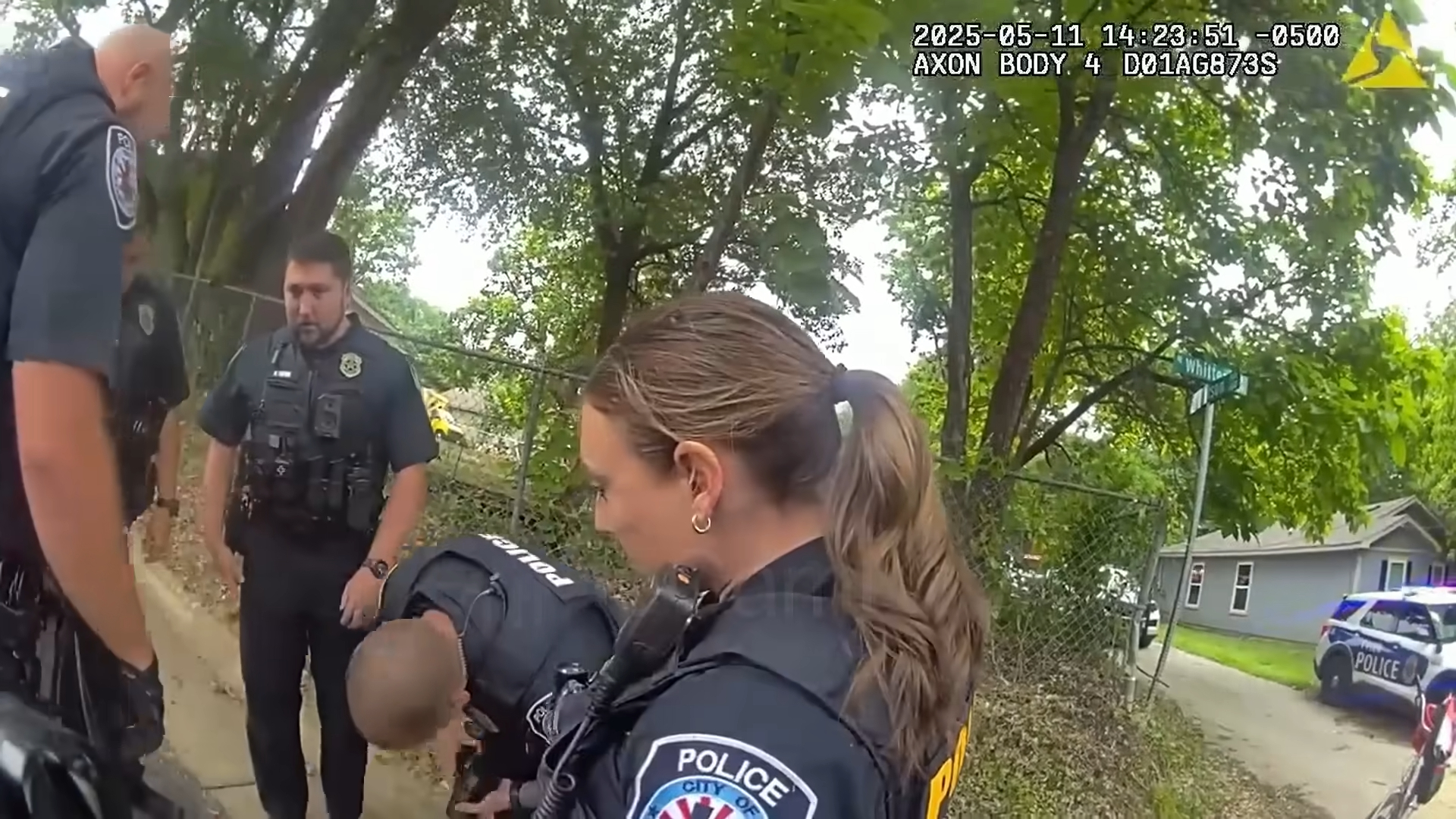
A Shoplifting Case Has Become Something Far More Serious
Only minutes earlier, the entire encounter had revolved around whether two women had stolen merchandise from a Dollar General.
Now officers were discussing an attempt to grab a firearm, a gunshot during a physical struggle, the use of force and whether additional arrests were necessary.
The original shoplifting allegation had become almost secondary.
The officer’s later explanation provides the key context: he says the woman grabbed at his weapon while they were fighting, the firearm remained in the holster, and it discharged during the struggle.
No one was hit.
But the encounter had crossed into a completely different level of danger.
And the confrontation was still not over.
The woman would continue accusing officers of mistreatment, demanding medical attention and challenging nearly every step of the arrest.
Later, she would make statements that would significantly change the legal picture of the case — including an admission about what she had done inside the store.