A Tiny Hedgehog Wandered Onto a Train Line in England—What Happened Next Turned an Ordinary Morning Into a Rescue Mission
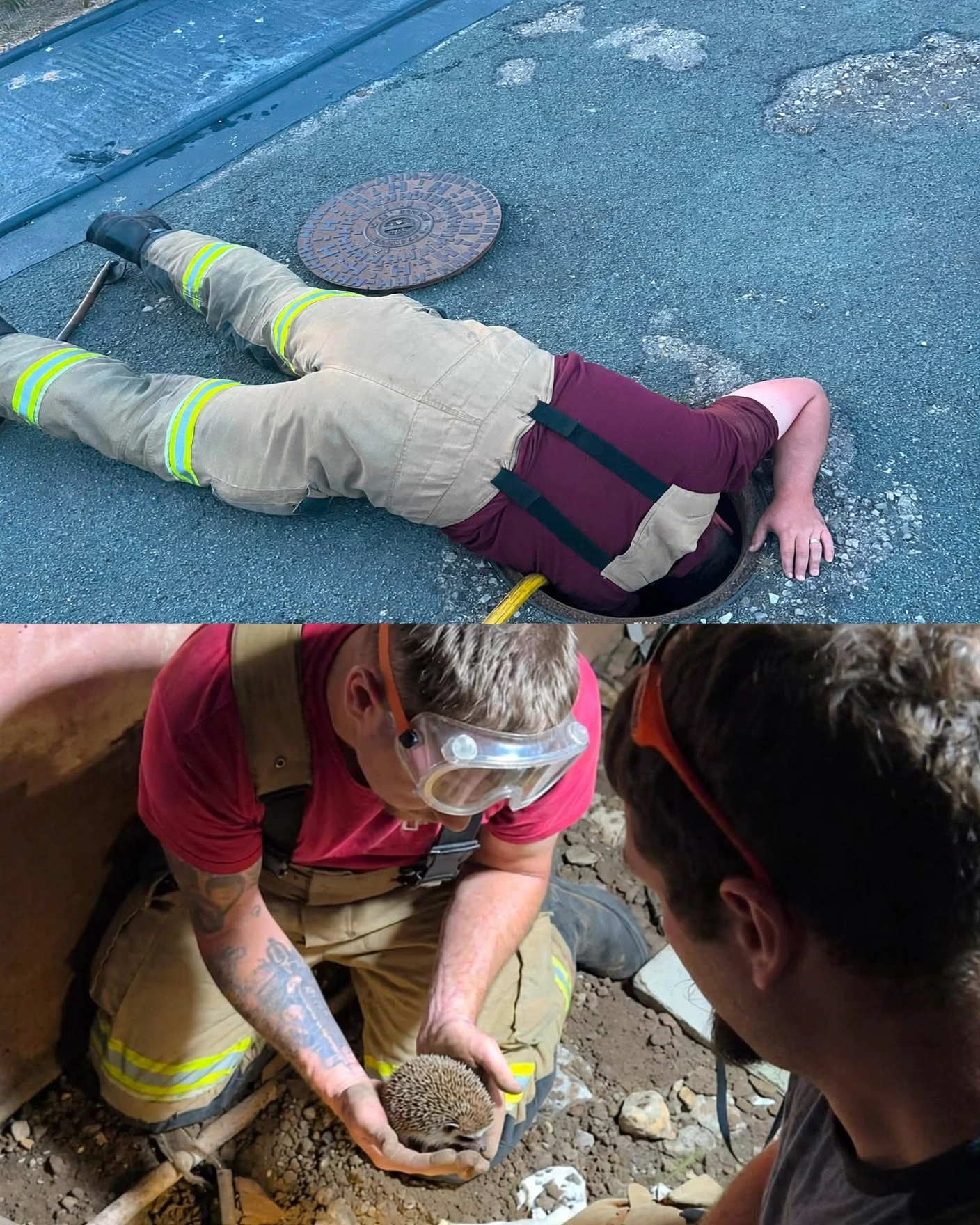
The train was supposed to pass through quietly, just another routine journey across the English countryside. But on that day, something unusual forced it to stop—a tiny, spiky passenger had wandered onto the tracks, unknowingly bringing everything to a halt.
What followed was a small but powerful moment of compassion that captured attention far beyond the railway line.
The unexpected incident unfolded near Ellesmere in Shropshire, England, where a hedgehog was spotted dangerously close to an active train track. The animal, no bigger than a human hand, had somehow made its way onto the line, placing itself directly in the path of passing trains.
For railway workers, the situation was urgent.
Even a brief delay in noticing the animal could have ended tragically. But thanks to a quick response, the train approaching the area was brought to a stop, giving staff the precious time needed to act.
Instead of continuing forward, the focus shifted entirely to the tiny creature.
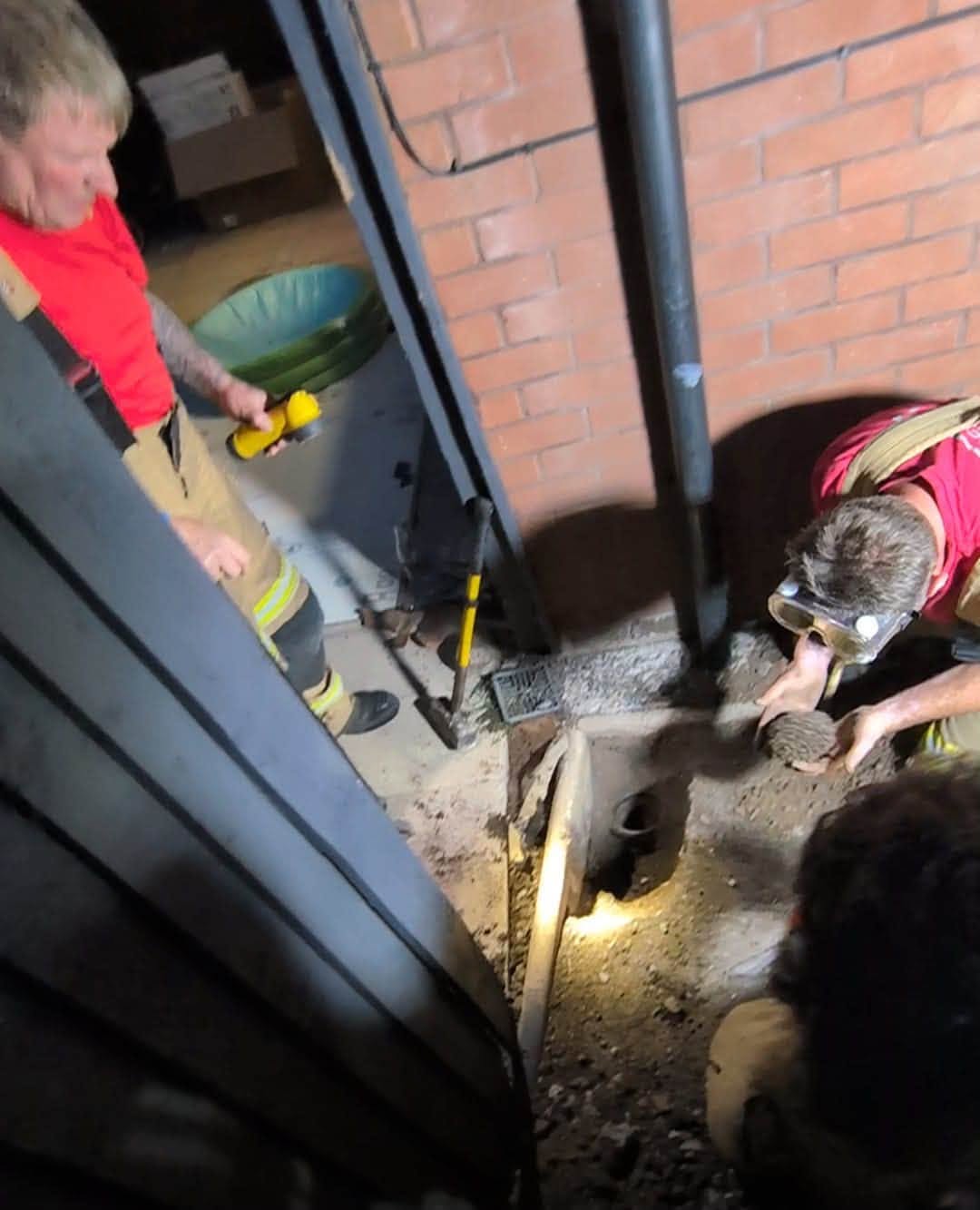
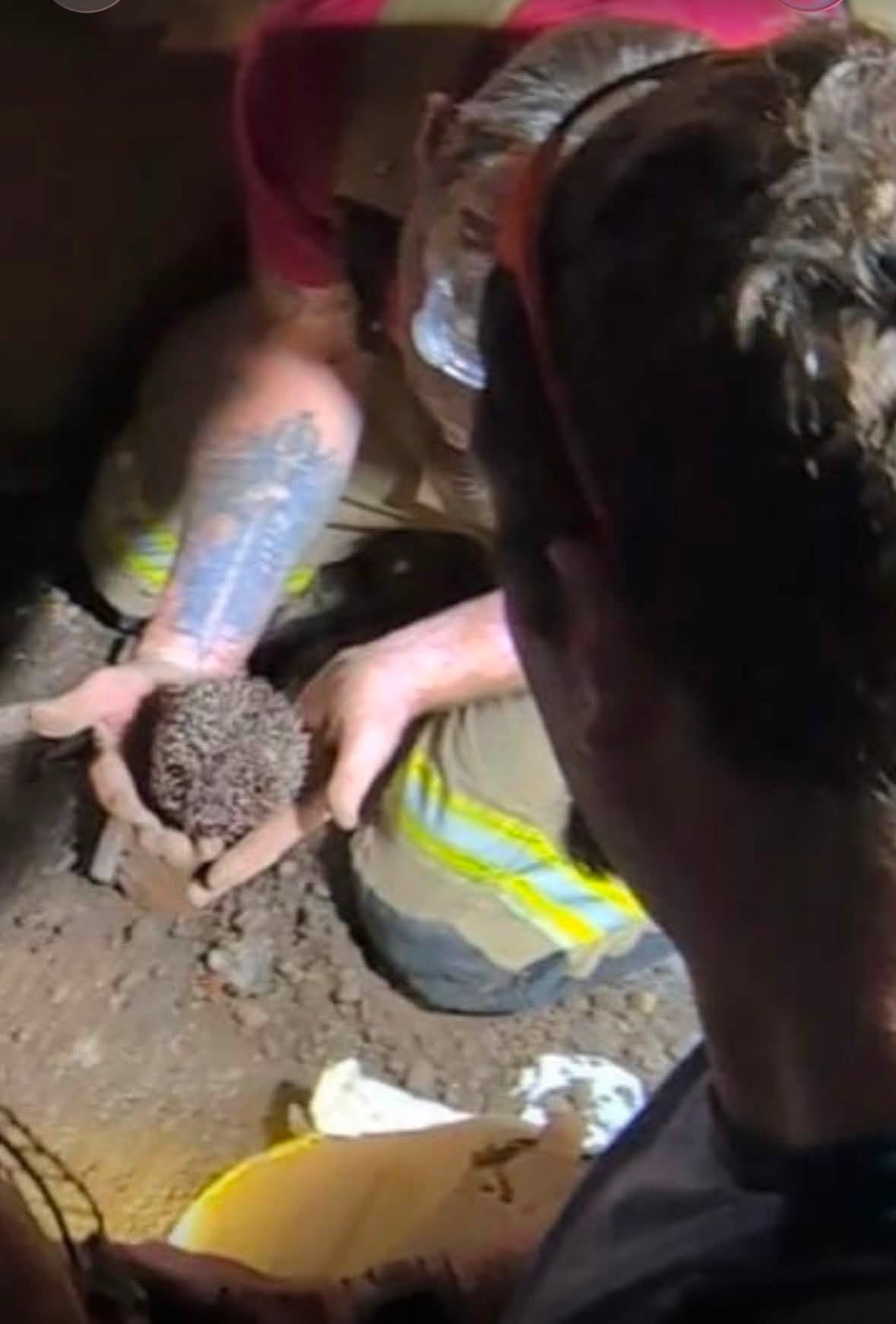
Railway personnel carefully approached the hedgehog, aware that even small movements could startle it into rolling further into danger. Hedgehogs, known for curling into tight balls when frightened, are particularly vulnerable in such environments. On a railway line, that instinct can make escape even more difficult.
The rescue required patience.
Workers gently guided the animal away from the rails, ensuring it was safely removed from the track before allowing the train to continue its journey. The brief interruption caused only a minor delay, but it likely saved a life.
For those involved, the moment was simple but meaningful.
Incidents like this are rare, but they highlight a broader reality—wildlife often crosses paths with human infrastructure in unpredictable ways. In rural parts of England, hedgehogs frequently roam through fields, gardens, and roadside areas in search of food. Occasionally, those journeys bring them into contact with roads, railways, and other hazards.
In this case, the outcome could not have been more different.
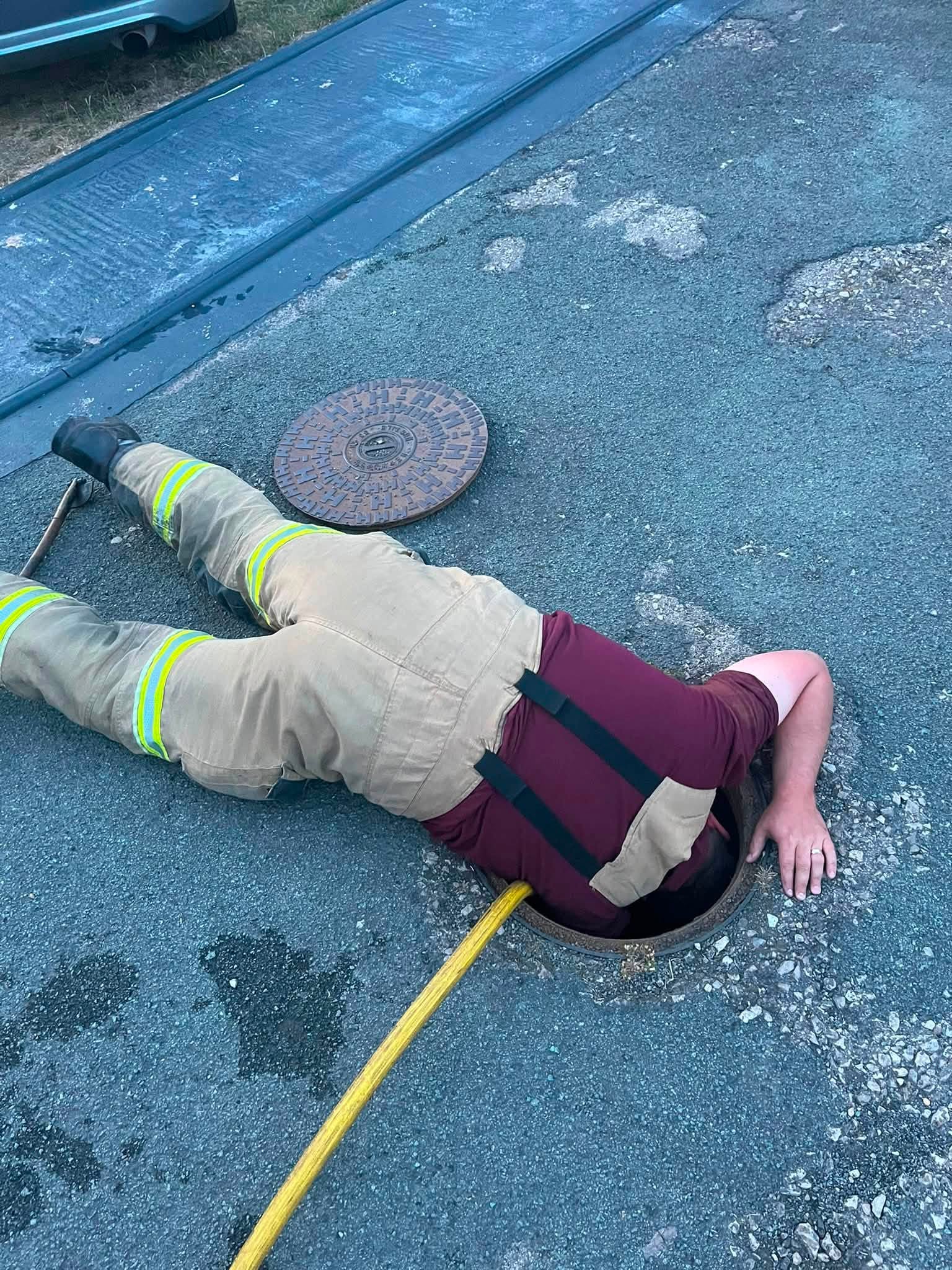
Instead of becoming another unseen casualty, the hedgehog became the center of a rescue effort that demonstrated how quickly people can act when they choose to prioritize life, no matter how small.
The story quickly drew attention, not because of dramatic danger or large-scale disruption, but because of its quiet humanity.
A massive machine weighing hundreds of tons had been stopped for a creature weighing only a fraction of a pound.
That contrast resonated with many people.
It served as a reminder that even in highly structured systems like railway networks—where schedules, timing, and efficiency are critical—there is still room for compassion.
The response also reflected growing awareness of wildlife protection across the United Kingdom.
Hedgehogs, once a common sight in British gardens, have experienced population declines in recent decades. Habitat loss, road traffic, and environmental changes have all contributed to their reduced numbers. As a result, there has been increasing public interest in protecting these small, nocturnal animals.
Moments like the Ellesmere rescue reinforce that effort.
They show how awareness can translate into action, even in unexpected places like train tracks.
For the railway workers involved, the decision to stop the train may have felt instinctive. But its impact reached far beyond that single moment. It became a story shared widely, reminding people that compassion is not limited by size or circumstance.
In a world often defined by speed and efficiency, the pause itself became the message.
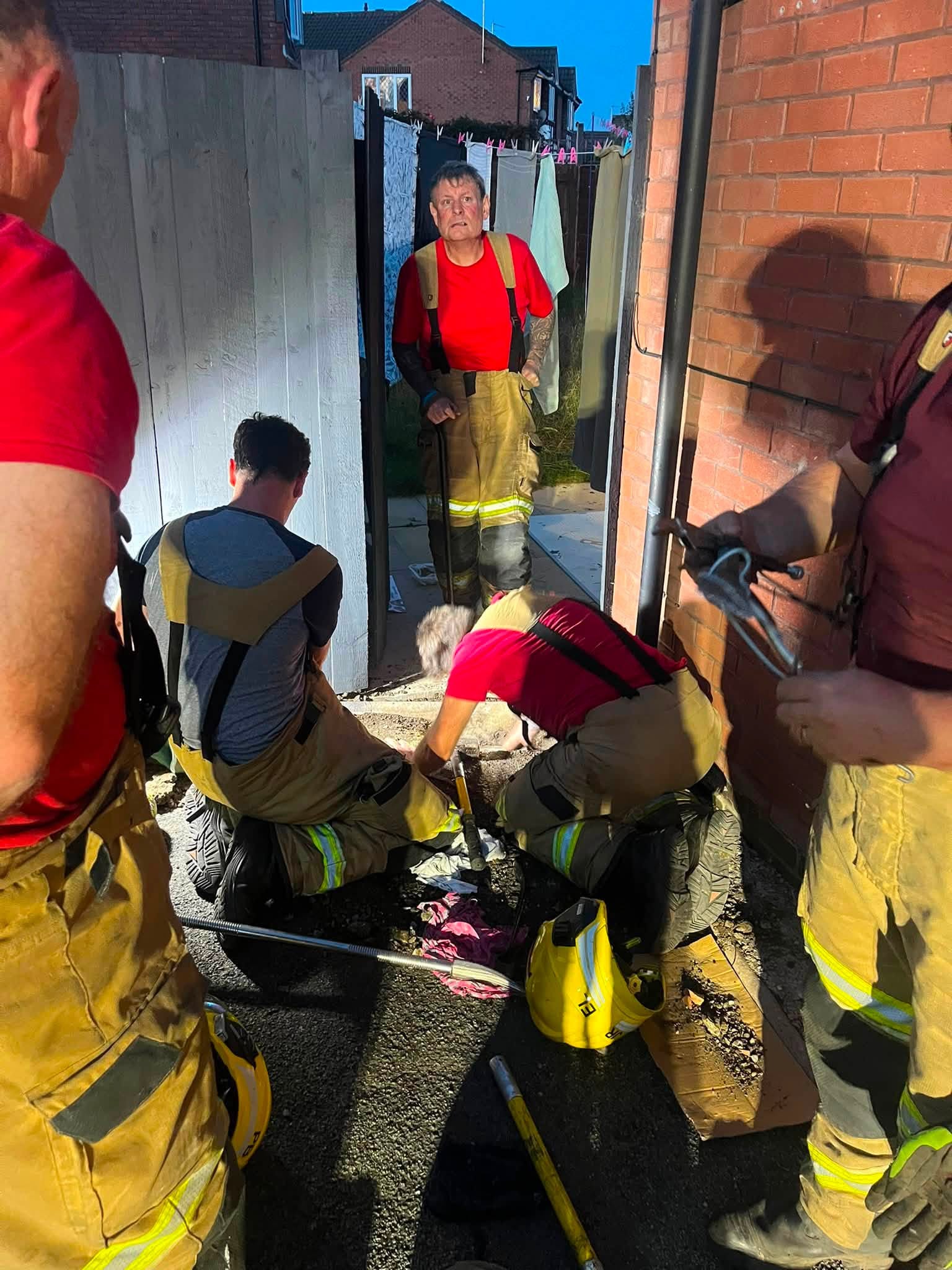
The train eventually continued on its route, the delay barely noticeable in the broader schedule. The hedgehog, meanwhile, disappeared back into the safety of nearby vegetation, unaware of the attention it had received or the danger it had narrowly avoided.
No one knows where it went next.
But for a brief moment, its journey intersected with a human system designed for movement and precision—and changed it.
There were no headlines about heroics or dramatic rescues. No grand speeches or official ceremonies followed. Just a quiet understanding among those who witnessed it: sometimes, the smallest lives can bring everything to a stop.
And sometimes, stopping is exactly the right thing to do.