After a Night of Violence Shattered Her Family, Charlize Theron Built a Life Her Past Could Not Control
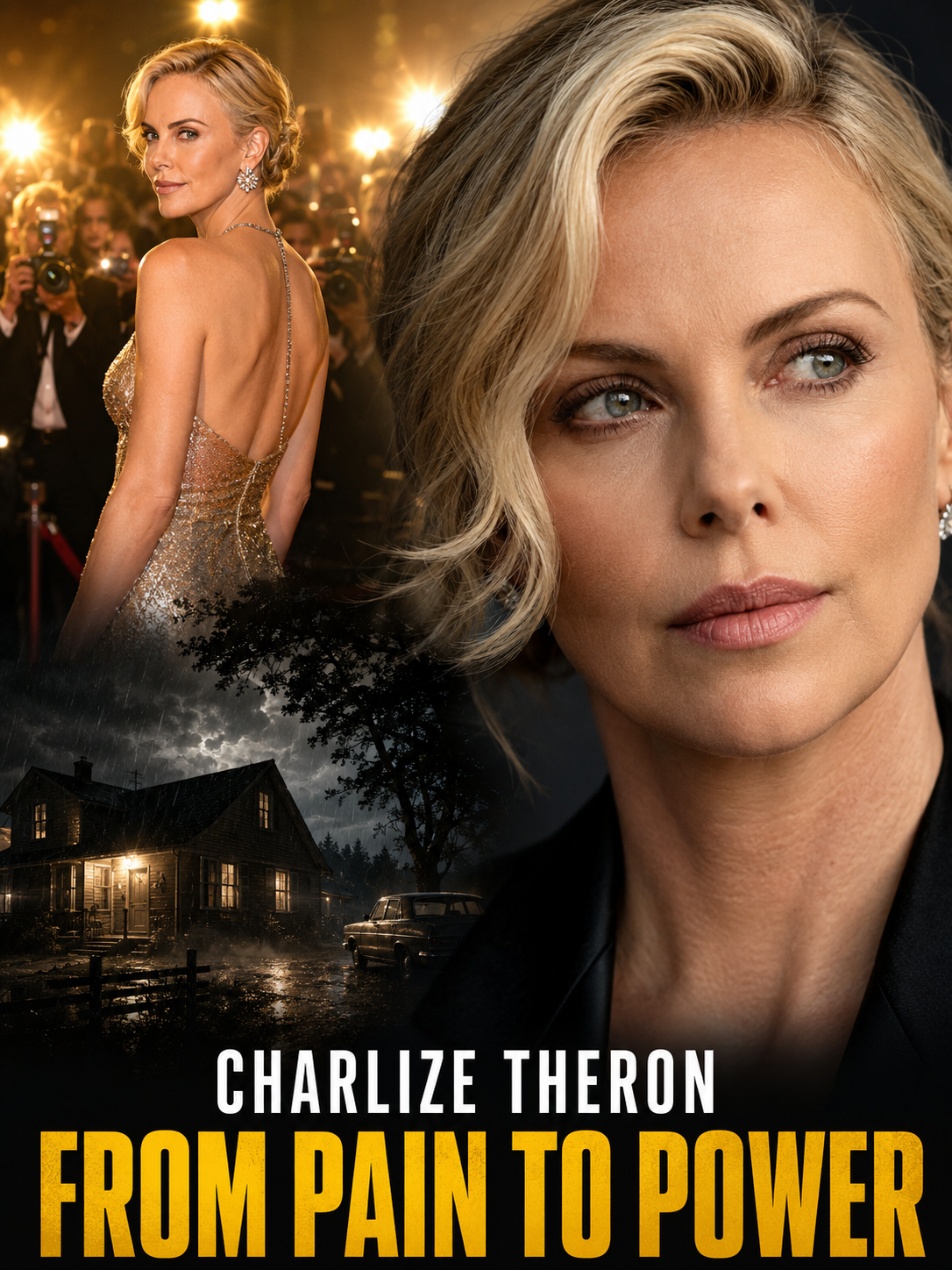
Long before Charlize Theron stood on an Academy Awards stage, she stood behind a bedroom door with her mother, fearing that neither of them would survive the night.
Theron was 15 when violence inside her family’s South African home reached its most terrifying point. Her father, Charles, had struggled with alcoholism and had become abusive. On the night that changed the family forever, he returned home intoxicated and armed.
According to Theron’s account, she and her mother, Gerda, tried to hold a bedroom door closed as he threatened them and fired through it. Gerda eventually retrieved a handgun and shot back, killing her husband.
Authorities determined that she had acted in self-defense, and she was not charged.
For Theron, the event did not become a dramatic story she could simply leave behind. It was the devastating conclusion to years of living with addiction and domestic violence—and the beginning of a life in which survival would require far more than escaping one dangerous night.
She would leave South Africa, lose the career she originally wanted, arrive in Hollywood with little money, and repeatedly fight against assumptions about what kind of actress she could become.
Years later, she would transform herself for Monster, win an Oscar, become a major action star and use her public platform to confront the kinds of violence that had shaped her childhood.
Growing Up With Beauty and Fear
Theron was born on August 7, 1975, in Benoni, near Johannesburg. An only child, she grew up on her parents’ farm and spoke Afrikaans before learning English.
Her memories of South Africa contain sharp contrasts. There was open land, animals and the freedom of a rural childhood. But inside the family, her father’s alcoholism created instability and fear.
Theron has resisted reducing him to a simple villain. She has spoken about addiction as an illness while remaining direct about the danger he created. The violence was not limited to a single unexpected episode; the fatal shooting occurred after a longer history of turmoil in the household.
That distinction matters. The tragedy was not simply that Theron’s mother killed her father. It was that mother and daughter had reached a moment in which Gerda believed lethal force was necessary to protect both of their lives.
Theron later said she chose to discuss the experience because domestic violence often remains hidden behind shame and silence. By speaking publicly, she hoped people facing similar danger would understand that they were not alone.
Yet in the immediate years after the shooting, she did not build her identity around tragedy.
With her mother’s encouragement, she looked outward.
The Dream Before Acting
Theron’s original ambition was not to become a movie star. She wanted to dance.
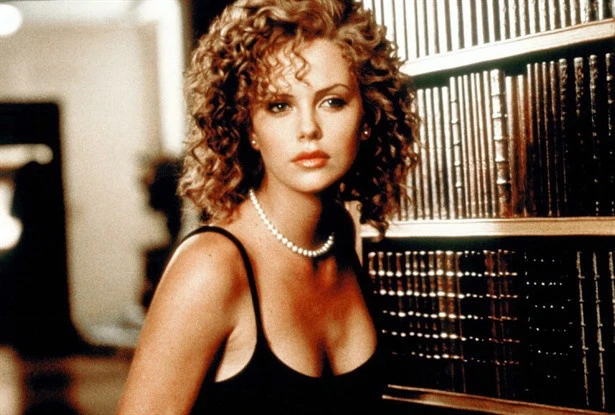
At 16, she left South Africa after winning a modeling contract and worked in Europe, including Milan. Modeling gave her a way to travel and earn money, but she did not view it as her final destination.
She later moved to New York, where she studied ballet at the Joffrey Ballet School. Dance demanded discipline, emotional expression and physical control—qualities that would later become central to her acting.
Then a knee injury ended the plan.
For a young woman who had already endured enormous upheaval, losing dance meant losing the future she had been building toward. Theron found herself in New York without a clear profession and uncertain about what should come next.
Her mother refused to let her retreat indefinitely.
Gerda encouraged her to try acting and bought her a one-way ticket to Los Angeles. In 1994, Theron arrived in Hollywood with limited money, no established industry connections and an English accent that did not yet sound American.
The move was less a triumphant entrance than another uncertain beginning.
Discovered During an Argument
Theron’s breakthrough began not at an audition, but during a confrontation at a bank.
She was trying to cash a check her mother had sent from South Africa. The bank would not accept it, leaving Theron frightened about how she would pay her expenses. She argued with the teller, pleading and expressing her frustration.
A talent manager named John Crosby witnessed the exchange.
Rather than being disturbed by the scene, he noticed the force of her personality and approached her. Crosby helped connect Theron with acting opportunities, giving her a first route into an industry she barely understood.
She began studying acting and working to alter her accent because she feared her South African speech would limit the roles available to her.
Small parts followed. She appeared briefly in Children of the Corn III: Urban Harvest and later landed a more visible role in Tom Hanks’ directorial debut, That Thing You Do!
By the late 1990s, audiences were beginning to recognize her.
Roles in The Devil’s Advocate, Mighty Joe Young and The Cider House Rules established Theron as a major Hollywood presence. She possessed the beauty the industry expected from a former model, but that image soon created another limitation.
Hollywood knew how to present her as glamorous. Theron wanted to prove she could do far more.

Becoming Someone Hollywood Did Not Expect
The role that changed her career was Aileen Wuornos in Monster.
Wuornos was a sex worker convicted of murdering men in Florida and executed in 2002. The film, written and directed by Patty Jenkins, did not offer Theron the protection of glamour or conventional stardom.
Theron also became deeply involved in getting the project made through her production company. She underwent a substantial physical transformation, gaining weight and using makeup, prosthetic dental work and other details to change her face and posture.
The most important transformation, however, was emotional.
Rather than treating Wuornos as a spectacle, Theron portrayed her as volatile, damaged, frightening and tragically human. The performance confronted audiences with a woman shaped by abuse, poverty and violence without excusing the murders she committed.
It was the kind of role that could have failed disastrously. Instead, it changed how Hollywood viewed Theron.
At the 76th Academy Awards in 2004, she won Best Actress for Monster.
Her mother was present for the moment.
The woman who had pushed Theron toward Los Angeles after her dancing career collapsed watched as her daughter became the first South African to win an acting Oscar.
Refusing to Be Confined Again
Winning an Academy Award did not make Theron’s path predictable.
She continued seeking women who were difficult, complicated or physically demanding. Her performance as a mine worker challenging sexual harassment in North Country earned another Best Actress nomination. Years later, her portrayal of television anchor Megyn Kelly in Bombshell brought a third.
Theron also pushed into action filmmaking at a level few actresses were being allowed to occupy.
As Imperator Furiosa in Mad Max: Fury Road, she created one of modern action cinema’s most memorable heroes. Furiosa was physically formidable but emotionally restrained, carrying trauma without being defined only by it.
In Atomic Blonde and The Old Guard, Theron continued performing demanding action roles while also producing projects through Denver and Delilah Productions. She was no longer waiting for studios to decide what kind of woman she was permitted to play.
She was helping create the opportunities herself.

Turning Survival Into Service
Theron’s connection to South Africa also remained central to her work beyond film.
In 2007, she founded the Charlize Theron Africa Outreach Project, which supports young people in sub-Saharan Africa, particularly through programs addressing HIV prevention, health, safety and gender-based violence.
The United Nations appointed her a Messenger of Peace in 2008. Her work in that role has focused on preventing HIV and ending violence against women.
That advocacy gives her life story a meaning larger than professional success.
Theron did not overcome trauma by pretending it had never happened. Nor has she suggested that fame erases the effects of witnessing violence within one’s family.
Instead, she built a life in which the past became neither a secret nor a permanent identity.
She became an actress after losing dance. She became a respected performer after being treated primarily as a beautiful face. She became an action star in an industry that frequently limited women’s opportunities as they aged. And she became an advocate willing to speak about domestic violence because she understood the damage silence could cause.
The night her father died divided Charlize Theron’s life into a before and an after.
But it did not write the ending.
That came through the decisions made in the years that followed: leaving home, beginning again, accepting uncertainty, choosing difficult work and turning survival into something that could help others.
Hollywood made Theron famous.
The far greater achievement was building a future that fear no longer controlled.