After Nearly Two Years Behind Bars, Lil Durk Was Acquitted of Murder-for-Hire — But He Still Isn’t Going Home
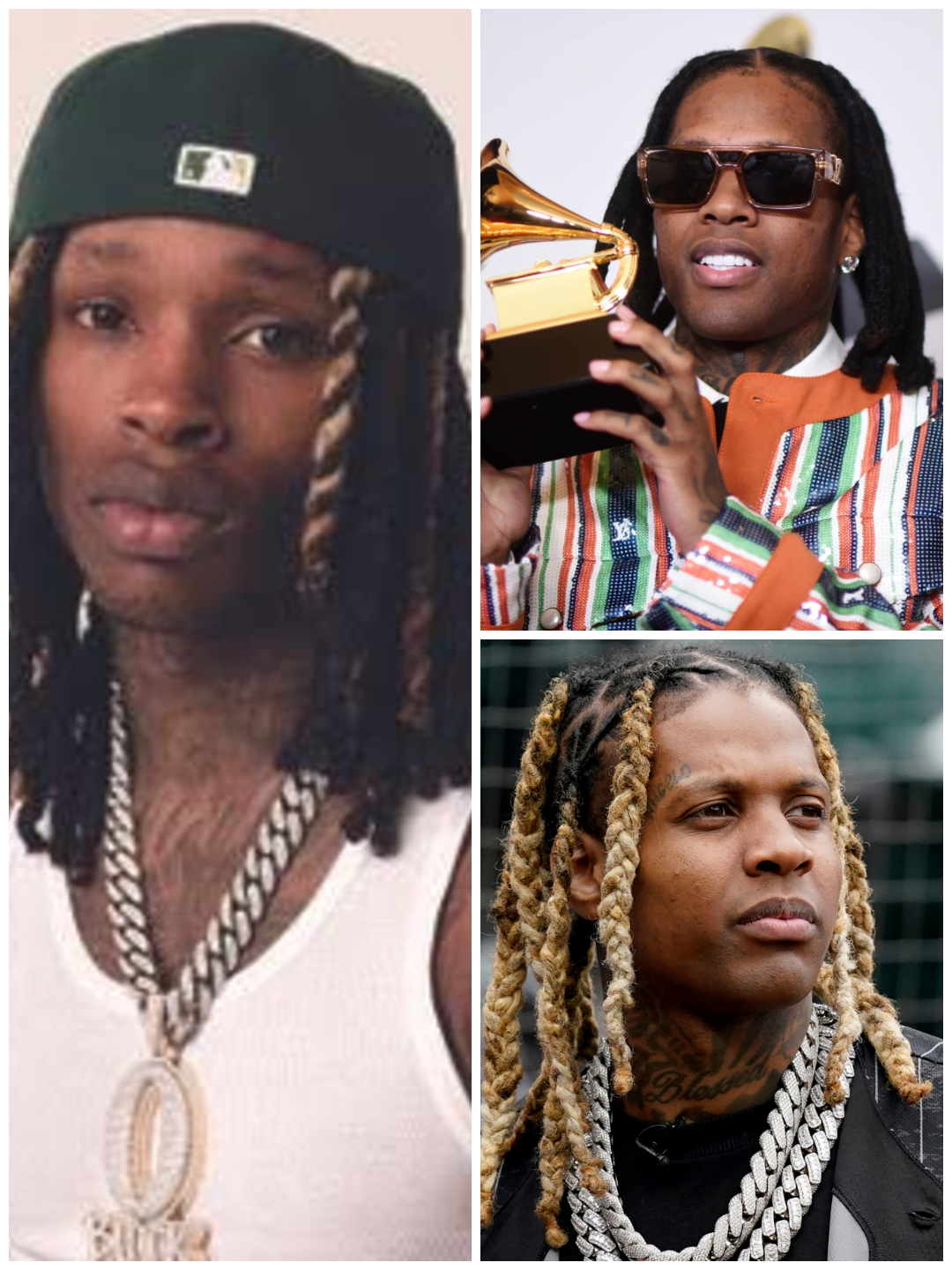
For nearly two years, Grammy-winning rapper Lil Durk sat in federal custody facing allegations that could have kept him in prison for the rest of his life.
Prosecutors accused him of orchestrating and financing a murder-for-hire plot against rival rapper Quando Rondo — an alleged revenge mission that instead ended with Rondo’s 24-year-old cousin dead on a Los Angeles street.
Then, on September 11, 2026, a federal jury delivered a verdict that dramatically changed the direction of the case.
Not guilty.
Durk Banks, better known as Lil Durk, was acquitted on all five counts he faced, including murder-for-hire-related charges, conspiracy and stalking offenses connected to the deadly 2022 shooting. The jury reached its decision after three days of deliberations following a highly watched federal trial in downtown Los Angeles.
Inside the courtroom, Durk reportedly kept his head down as the verdicts were read.
When the second “not guilty” was announced, he began wiping away tears.
His family cried.
Outside the courthouse, supporters who had spent days gathering in “Free Durk” shirts celebrated.
But there was one major complication.
Lil Durk was not going home.
Despite being cleared in the murder-for-hire case, the 33-year-old rapper remained in federal custody because he still faces a separate racketeering and weapons prosecution. That second trial is scheduled to begin October 5.
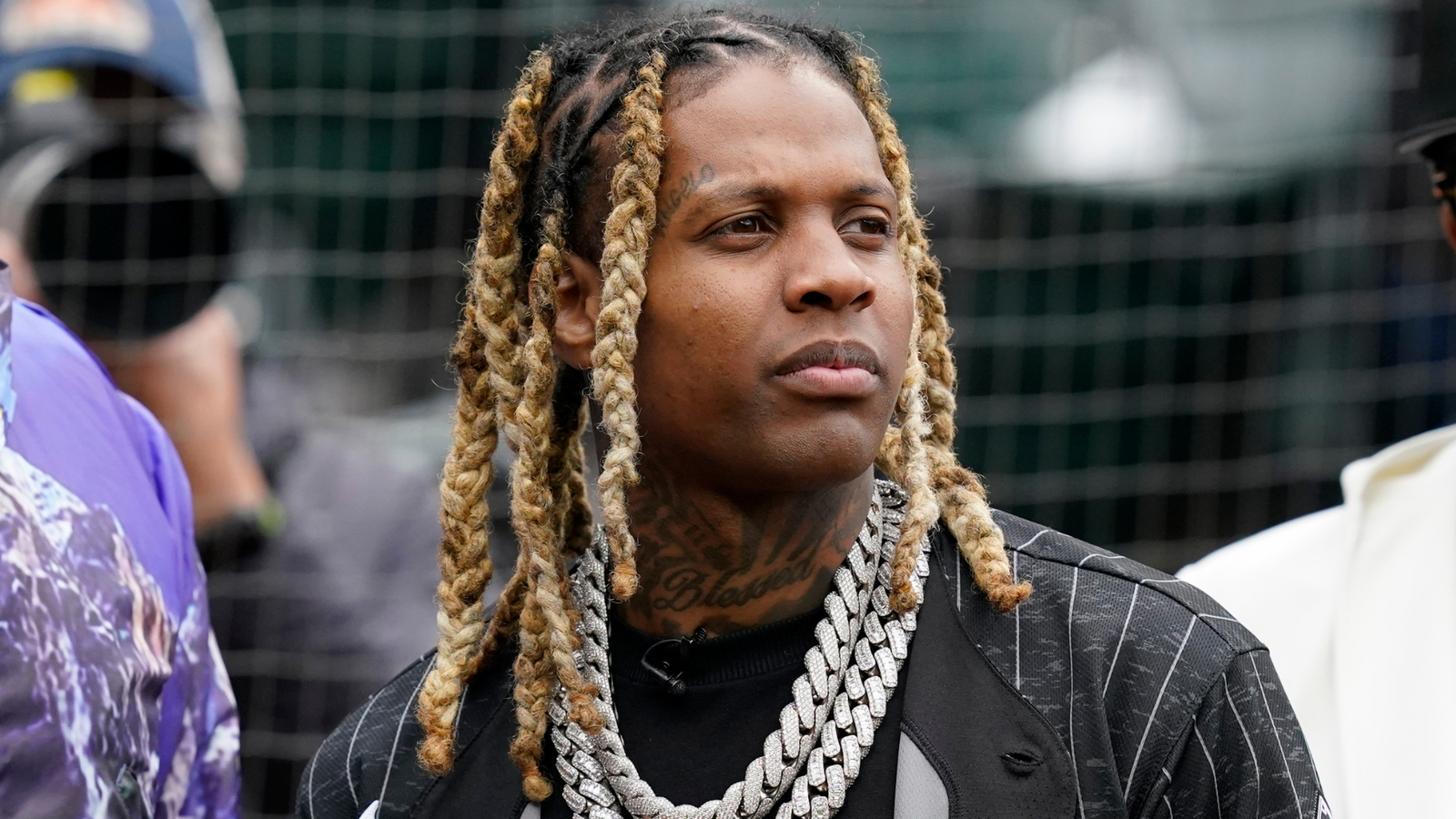
The result creates an unusual legal reality: Durk defeated the case that had made national headlines for nearly two years, yet his fight for freedom is not over.
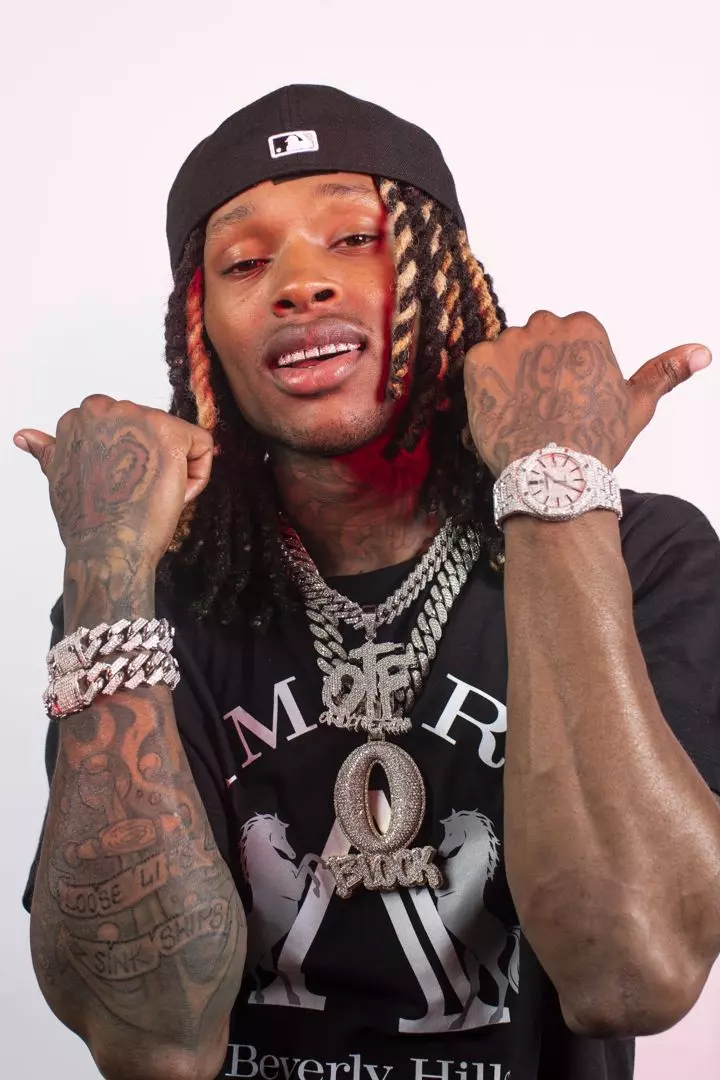
The murder-for-hire prosecution centered on a deadly feud that prosecutors traced back to the November 2020 killing of Durk’s close friend, Chicago rapper Dayvon Bennett, better known as King Von.
Von was fatally shot during a confrontation outside an Atlanta nightclub involving people connected to rapper Quando Rondo, whose real name is Tyquian Bowman.
Federal prosecutors alleged that Durk became consumed with revenge.
According to their theory, he used his money, influence and members of his Only the Family collective to arrange an attack on Bowman.
Nearly two years after Von’s death, the alleged retaliation reached Los Angeles.
On August 19, 2022, Bowman and several other people were near a gas station close to the Beverly Center when gunmen opened fire.
Bowman survived.
His cousin, Saviay’a Robinson, also known as Lul Pab, did not.
Robinson was 24 years old.
Prosecutors argued that Robinson was not the intended target. The government claimed the real objective was to kill Bowman and that Durk had financed and directed the operation even though he was not physically present at the shooting.
“No one is saying he was the one on the ground with a gun in his hand,” Assistant U.S. Attorney Ian Yanniello told jurors during closing arguments, according to the Los Angeles Times.
The prosecution’s theory was that the plot would not have happened without Durk’s leadership.
Durk’s lawyers presented a dramatically different version of events.
They insisted the rapper did not order the shooting and had no knowledge of the murder plot.
Instead, the defense turned its attention toward Durk’s former personal assistant, Kavon Grant, arguing that Grant and others had organized the attack themselves and were now blaming Durk in hopes of receiving favorable treatment from prosecutors.
Three cooperating witnesses became crucial to the government’s case: Grant and admitted participants Kacey “OTF Jam” Hester and Keith Jones.
Defense attorney Brian Steel attacked their credibility, arguing that witnesses who had admitted their own criminal involvement had powerful incentives to tell prosecutors whatever would help reduce their punishment.
Another Durk attorney, Drew Findling, portrayed Grant as the person with access to Durk’s resources who was capable of securing vehicles, firearms and other logistical support without the rapper directing him to do so.
The jury ultimately found reasonable doubt.
Durk was acquitted of conspiracy to commit stalking, stalking using a dangerous weapon, stalking resulting in death, conspiracy to use interstate commerce facilities to commit murder for hire resulting in death, and using interstate commerce facilities to commit murder for hire resulting in death.
Two men tried alongside him, David Lindsey and Deandre Wilson, received mixed verdicts.
They were acquitted of the central murder-for-hire charges but convicted on stalking-related counts, including stalking resulting in death.
Durk’s acquittal marked a major reversal from the circumstances of his arrest.
Federal authorities arrested him in October 2024 after five other defendants had been charged. He remained jailed while the case moved toward trial.
By September 2026, he had spent nearly 23 months in custody.
The stakes were enormous.
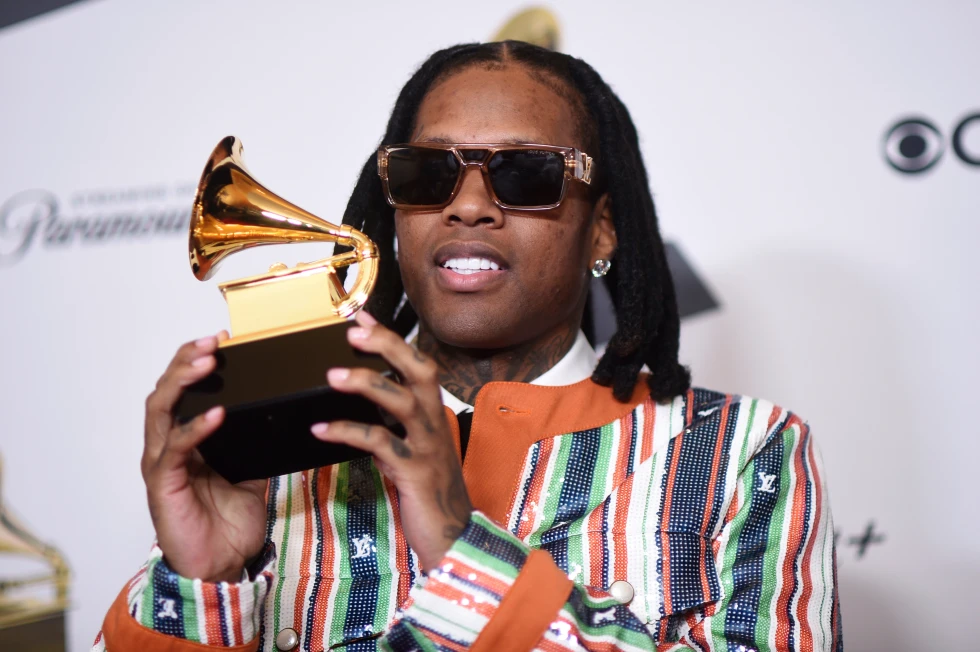
Durk had built one of the most successful careers to emerge from Chicago’s drill music scene. He collaborated with artists including Drake, J. Cole and Morgan Wallen, and in 2024 he won the Grammy Award for Best Melodic Rap Performance for “All My Life,” featuring J. Cole.
Then his career was interrupted by federal detention and the allegation that he had transformed a musical and street rivalry into a paid assassination plot.
The trial itself became a spectacle.
Fans gathered daily outside the federal courthouse. Musicians including Ye, formerly known as Kanye West, and MGK appeared in support of Durk. More than 60 people packed into the courtroom for the verdict while others were left waiting outside.
But amid the celebrity attention was the death at the center of the case.
Saviay’a Robinson was killed.
After the verdict, Durk’s father, Dontay Banks, publicly expressed sympathy for Robinson’s mother.
He said he understood the pain of losing a son and offered condolences to her family.
The acquittal did not mean the jury concluded that no crime occurred.
It meant prosecutors failed to prove beyond a reasonable doubt that Durk was criminally responsible for the offenses charged against him.
That distinction is critical.
And so is the distinction between this verdict and Durk’s remaining legal problems.
He is still facing another federal prosecution involving racketeering and firearms allegations. Prosecutors have described Only the Family in that separate case as a criminal enterprise connected to violent activity, allegations Durk contests.
After losing the murder-for-hire case against him, federal prosecutors made clear that they intended to continue.
First Assistant U.S. Attorney Bill Essayli said prosecutors were disappointed by the verdict regarding Durk but looked forward to presenting their evidence at his second trial.
Durk’s attorneys, meanwhile, immediately shifted their attention toward getting him released.
Outside the courthouse, Findling celebrated the acquittal but said the work was not finished.
Now, he said, the defense had to get the “shackles” removed so Durk could return to his family.
That moment captured the strange position Lil Durk found himself in after one of the biggest victories of his life.
He had entered the courtroom accused of arranging a revenge killing.
He left that courtroom legally cleared of every charge the jury was asked to decide against him.
Yet he did not walk through the courthouse doors as a free man.
Instead, federal custody continued.
Another indictment remained.
Another jury awaited him.
After nearly two years behind bars, Lil Durk had won the murder-for-hire trial that threatened his career and his future.
But the verdict did not end his legal story.
It simply moved him to the next chapter.