Harrison Ford Says He Doesn’t Think Much About Acting — After 62 Years, He Still Treats It Like Problem-Solving
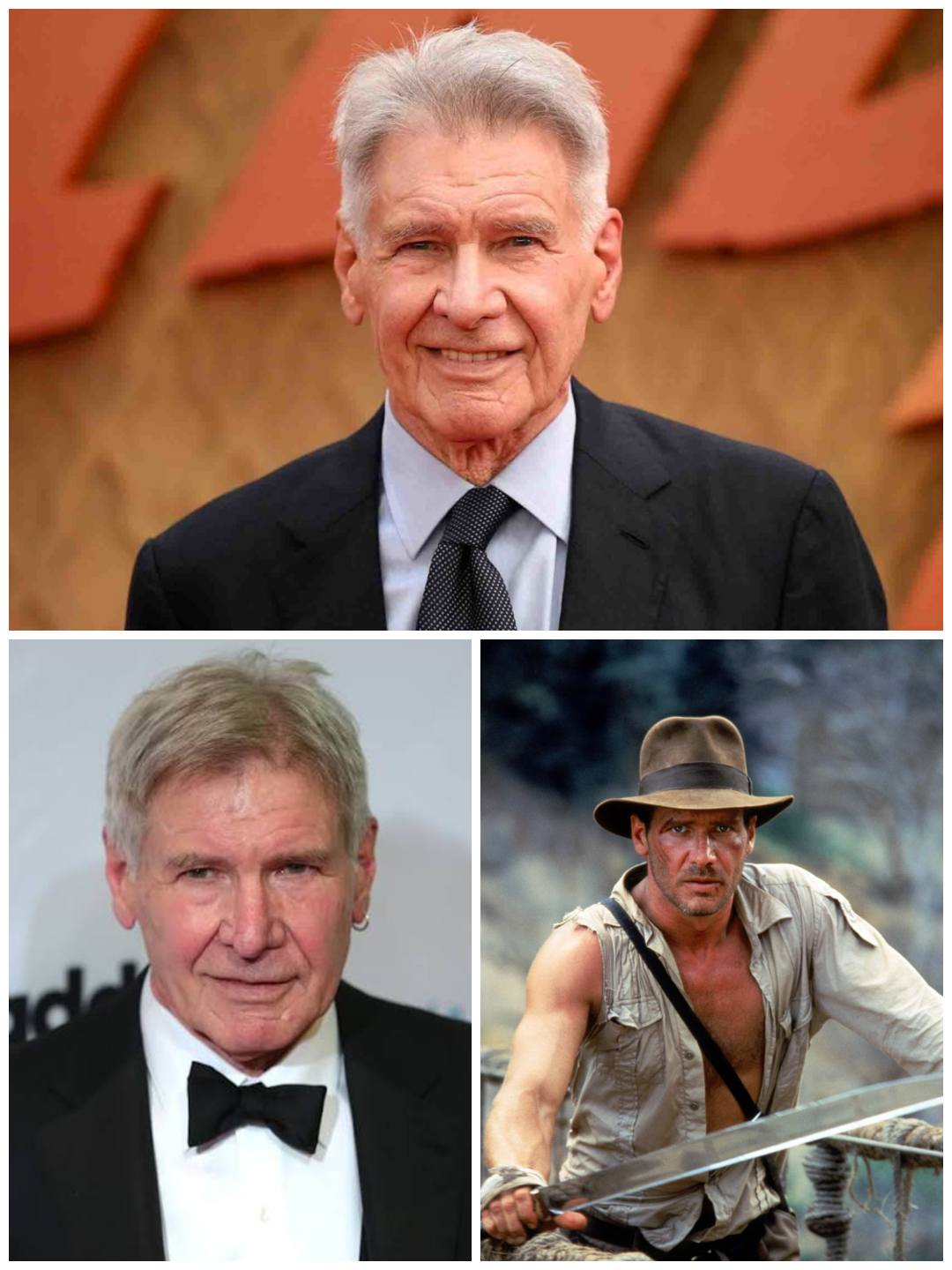
Harrison Ford has spent more than six decades playing some of the most analyzed characters in movie history.
Han Solo became one of cinema’s defining rogues.
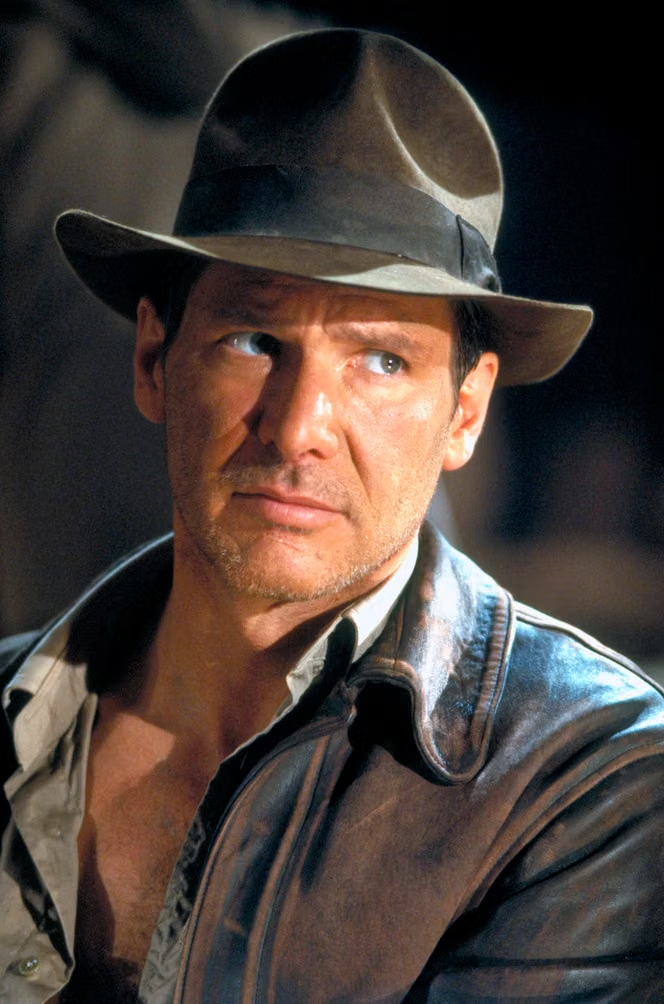
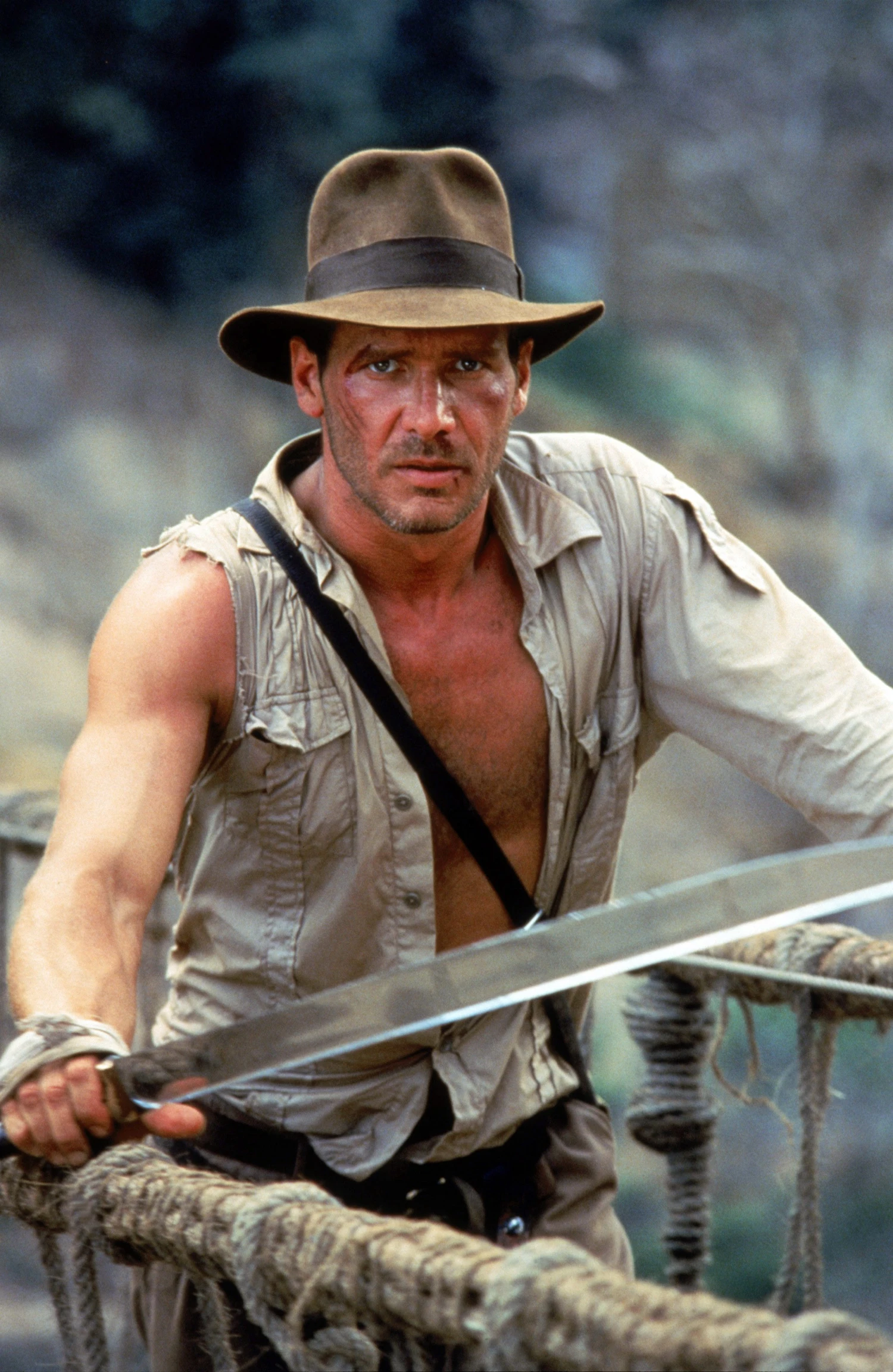
Indiana Jones turned an archaeologist with a whip and a fear of snakes into an adventure icon.
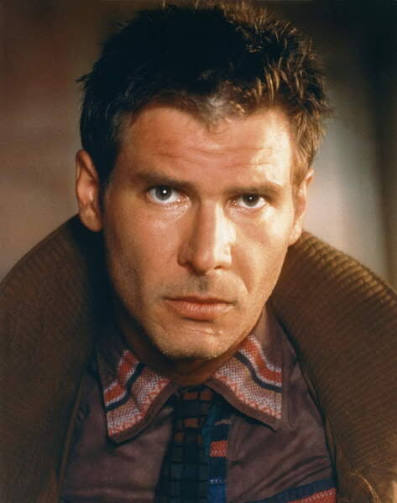
Rick Deckard in Blade Runner, Jack Ryan in Patriot Games and Richard Kimble in The Fugitive added entirely different kinds of men to a career that has generated billions of dollars at the box office.
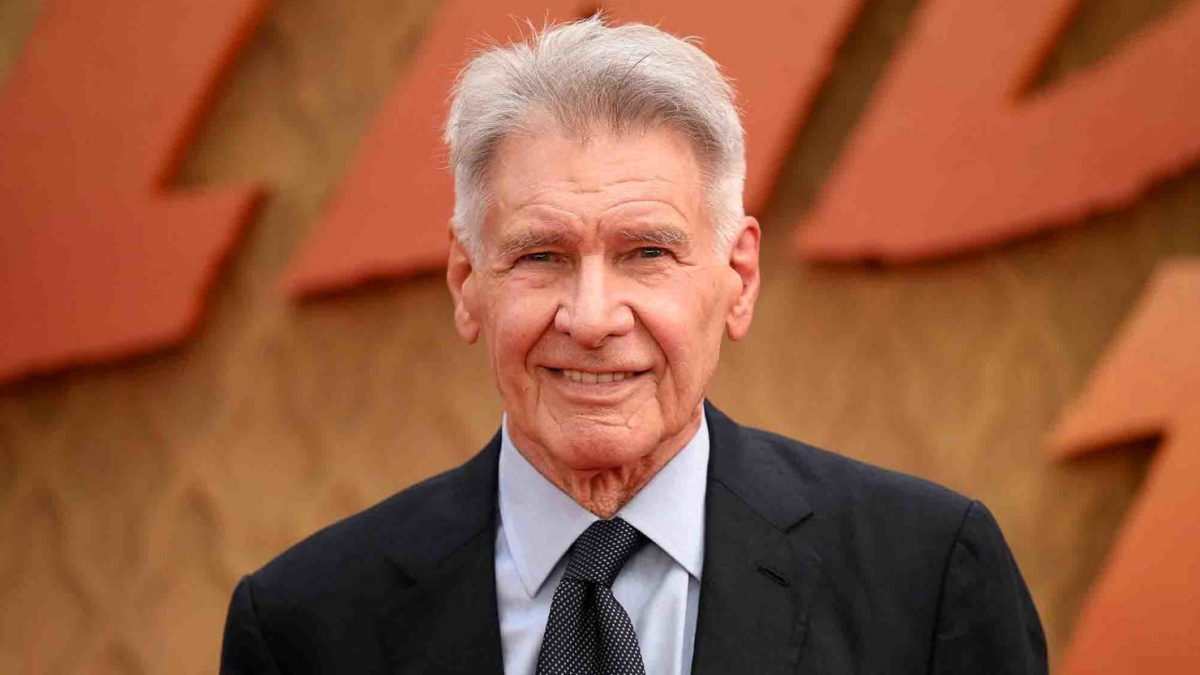
At 84, Ford is still working — and still receiving some of the strongest reviews of his career for Apple TV’s Shrinking.
Yet ask him to explain the secrets behind all of that acting, and his answer is remarkably unsentimental.
“I don’t think that fucking much about acting,” Ford told Backstage in a rare long-form interview published Aug. 17.
Then he laughed, apparently realizing how strange that sounded coming from one of Hollywood’s most enduring stars.
But Ford’s larger point was serious.
After 62 years, he still sees acting less as a mysterious art to be endlessly discussed and more as a practical problem that has to be solved on the day.
He Says Acting Is About What Happens in Front of You
Ford has little interest in creating elaborate theories about performance.
To him, each scene changes depending on the actor standing opposite him, the director, the available time and the circumstances of the production.
The goal is simple: tell the story through the character.
He said actors have to respond to what another performer gives them and try to remove whatever barriers might prevent the scene from working.
That uncertainty is part of what he still enjoys.
“There’s a clock ticking,” Ford explained.
There is only so much time, energy and patience available before the scene has to be finished.
For Ford, that pressure makes acting exciting.
And, he added with typical dryness, they pay him for it.
What he does not do is endlessly analyze the performance afterward.
Asked whether he reviews his acting the way he evaluates a flight after piloting an airplane, Ford gave an immediate answer: absolutely not.
He tries to do the work as well as possible when the cameras are rolling and then leaves it behind.
Shrinking Is Asking Something New From Him
Ford is currently filming the fourth season of Shrinking, the Apple TV comedy in which he plays Dr. Paul Rhoades, a therapist living with Parkinson’s disease.
The role has revealed a softer, more emotionally exposed side of Ford than audiences often associate with his action heroes.
It has also earned him his second Emmy nomination.
Playing Paul comes with a responsibility Ford takes very seriously.
He has worked with neurologists and other experts to understand Parkinson’s symptoms, but he does not want the performance to become a collection of physical imitations.
The disease affects every patient differently.
More importantly, Ford sees Parkinson’s as something that shapes Paul’s relationships, confidence and uncertainty about the future rather than simply changing how he moves.
He said his greatest concern is getting it wrong — making the portrayal sentimental, foolish or inaccurate.
That challenge has become even more interesting because Michael J. Fox, who has lived publicly with Parkinson’s for decades, joined Shrinking.
Ford told Backstage that he had filmed a scene with Fox only the day before their interview.
He described Fox as extraordinarily inventive and talented and said working with him left Ford feeling genuinely happy.
Fox also told Ford that he could see Paul’s illness in Ford’s eyes.
Ford considered that observation extremely generous.
Ford Once Thought Acting Meant Hiding
His attitude toward performance has changed considerably since 1964.
That year, while attending Ripon College, Ford appeared as Mr. Antrobus in Thornton Wilder’s The Skin of Our Teeth.
The transformation was deliberately ridiculous.
He wore a fake mustache.
His hair was covered in talcum powder.
A pillow was stuffed under his shirt.
Ford said he felt invisible.
And he loved it.
More importantly, he discovered a community in theater.
He had never been an exceptional student or football player, and he had struggled to feel that he truly belonged somewhere.
Then he found a group of theater people he initially viewed as “geeks and misfits.”
Eventually, he realized he was one of them.
At first, acting appealed to Ford because he could hide behind someone else.
Later, he came to understand that the opposite was more useful.
He did not need to disappear.
He needed to bring what was already inside his own “heart and head” to the character.
Carpentry Gave Him Something Hollywood Couldn’t: Independence
Ford’s rise to fame has become one of Hollywood’s favorite legends.
Before Star Wars, he became frustrated with the small roles he was being offered as a contract actor at Columbia Pictures.
So he learned carpentry.
That decision is often reduced to the charming story of a carpenter accidentally becoming Han Solo.
Ford sees it differently.
Carpentry allowed him to feed his family without accepting acting jobs he hated.
That gave him independence.
If an audition did not work, he could simply go back to building something.
He no longer had to enter a room carrying what he called the desperation of an unemployed actor.
That freedom changed his relationship with Hollywood.
It also indirectly put him in the right place when George Lucas was casting Star Wars.
Ford had previously worked with Lucas on American Graffiti. While doing carpentry work around the production offices where Lucas was holding auditions, Ford was asked to read lines with other actors.
Then Han Solo happened.
Ford was 34 when Star Wars opened in 1977.
Some now describe him as an actor who achieved success relatively late.
Ford does not seem particularly interested in that narrative either.
Alec Guinness Taught Him Something Beyond Acting
George Lucas once suggested that working on the original Star Wars, particularly alongside experienced British actors, mellowed Ford as a performer.
Ford said that might be true.
He specifically remembered Alec Guinness, who played Obi-Wan Kenobi.
Guinness was not merely an acclaimed older actor.
Ford remembered him as funny and generous.
When Guinness discovered Ford had not yet found somewhere to live during production, he immediately offered to help, asking what Ford needed and whether friends might know of an available place.
Ford said that kind of generosity probably did mellow him.
He was less certain that it changed his acting.
At the time, Ford said, he did not yet understand acting well enough to make such calculated adjustments.
His Last Traditional “Audition” Was for Indiana Jones
After Star Wars, Ford’s career changed dramatically.
Eventually, auditions largely disappeared.
He remembers his final one as something that barely resembled an audition at all.
George Lucas called and told him to read a script, then go meet Steven Spielberg at his house.
The script was Raiders of the Lost Ark.
Ford spent roughly an hour with Spielberg.
He got the job.
He has not had a conventional audition since.
Still, Ford believes every early conversation about a project contains an element of auditioning.
Actor and director are trying to determine whether they understand the same story and whether they can actually make something together.
He Still Thinks Like a Carpenter
Perhaps the clearest explanation of Ford’s acting philosophy comes from his years working with wood.
He said carpentry taught him that a structure needs a square, solid foundation.
After that, you build one piece at a time.
Only then do you decorate.
Ford applies the same principle to characters.
Vulnerability, charm and other details cannot simply be added because an actor wants audiences to like him.
They have to emerge from the foundation of the story.
Carrie Fisher apparently understood the connection between Ford’s two professions perfectly.
She once made him two magnetic signs for his pickup truck.
One read “Famous Actor School of Carpentry.”
The other: “Famous Carpenter School of Acting.”
He Isn’t Particularly Worried About His Legacy — or AI Preserving It
Ford also addressed artificial intelligence, an especially relevant subject for someone whose face and voice have become so recognizable.
He praised Troy Baker’s performance as Indiana Jones in the video game Indiana Jones and the Great Circle, joking previously that a real actor had managed the performance without AI.
But Ford does not claim to understand where the technology is heading.
He acknowledged genuine concerns and said those issues deserve serious attention.
At the same time, he does not spend much time worrying about what AI might do with Harrison Ford after Harrison Ford is gone.
“What goes on after I’m dead is not my business,” he said.
He has already experienced digital technology firsthand through the de-aging used in Indiana Jones and the Dial of Destiny. In that case, Lucasfilm could draw on decades of actual photographic and filmed material of Ford rather than inventing his younger appearance from nothing.
He thought the result worked.
Other uses of the technology have impressed him less.
After Six Decades, His Rule for Actors Is Surprisingly Simple
Ford has worked with George Lucas, Steven Spielberg, Francis Ford Coppola, Peter Weir and Mike Nichols.
He could easily present himself as an authority on how actors should behave.
Instead, his advice is extremely basic.
Help the other actor.
Ford believes that no matter how small another performer’s role may seem, that person becomes equally important when the scene begins.
If they fail, your performance suffers too.
So an actor should do whatever helps the person opposite them feel comfortable enough to give their best work.
There will always be competitive people, Ford acknowledged.
But his preferred philosophy can be summarized much more simply.
“You just have to fucking be nice.”
That may be the most Harrison Ford answer imaginable.
After 62 years, billions at the box office and characters that audiences will likely discuss long after he is gone, he still refuses to make acting sound mystical.
Build the foundation.
Pay attention.
Solve the scene.
Help the person beside you.
Then go home.
And don’t think about it too much.