Against All Medical Odds: The Extraordinary Survival of the Baby Born Without a Skull Cap
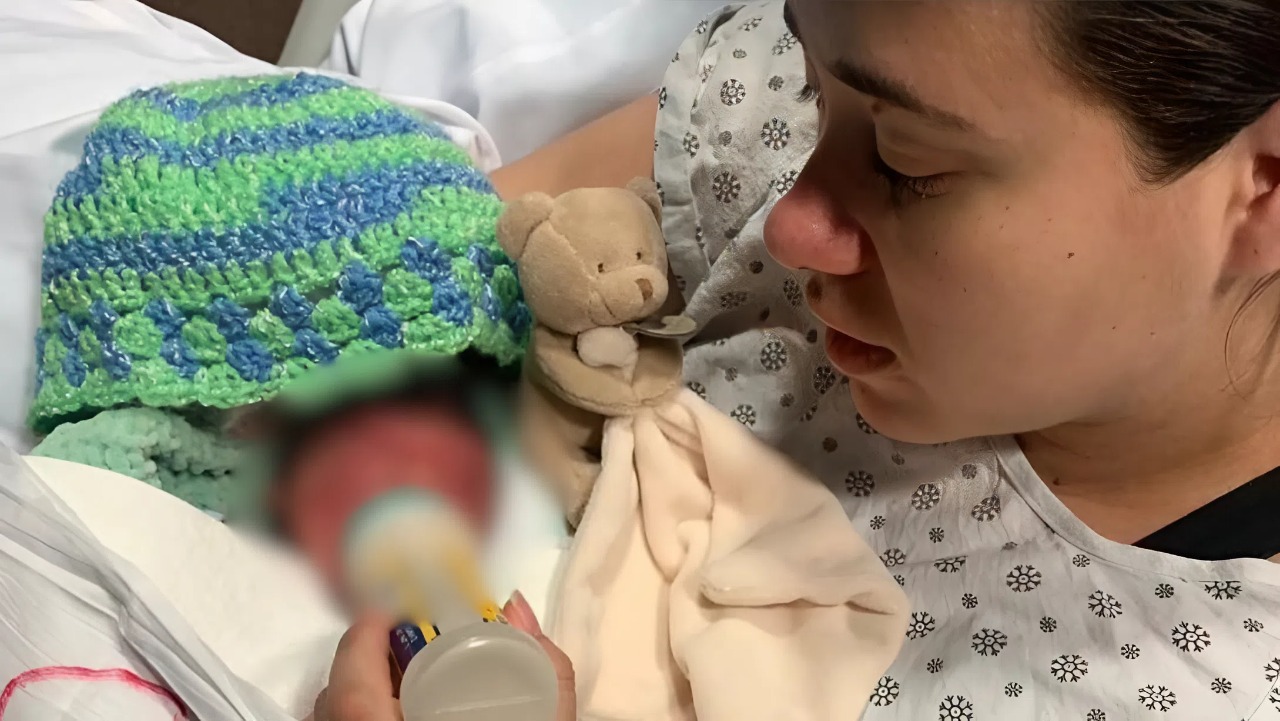
Human resilience has always had a way of defying the most rigid boundaries of medical science. Every now and then, a story emerges that completely challenges what we believe to be possible, reminding us of the fierce will to live that exists within the smallest of individuals. One of the most extraordinary examples of this endurance is the journey of Matthew Gelato, a young boy from the Philippines who was born with a severe congenital condition known as acrania. This incredibly rare anomaly occurs in approximately one out of every twenty thousand births and is characterized by the partial or complete absence of the fetal skull, leaving the delicate brain tissue exposed beneath a layer of skin while the base of the face remains flattened.
When Isabella and Raven Gelato first discovered they were expecting, they envisioned a standard journey into parenthood. However, just two months before a scheduled caesarean delivery at a hospital in Santiago, an ultrasound revealed a devastating reality. Physicians bluntly informed the expectant couple that their unborn son had a nearly nonexistent chance of surviving more than a few days or weeks outside the womb. The structural deformity was simply too severe. When the day finally arrived, the physical manifestation of the condition shook the new parents to their core. Raven recalled the overwhelming wave of shock he felt in the delivery room, describing the heartbreaking moment he first looked at his newborn child, whose head and upper features were completely altered by the missing cranial bone.
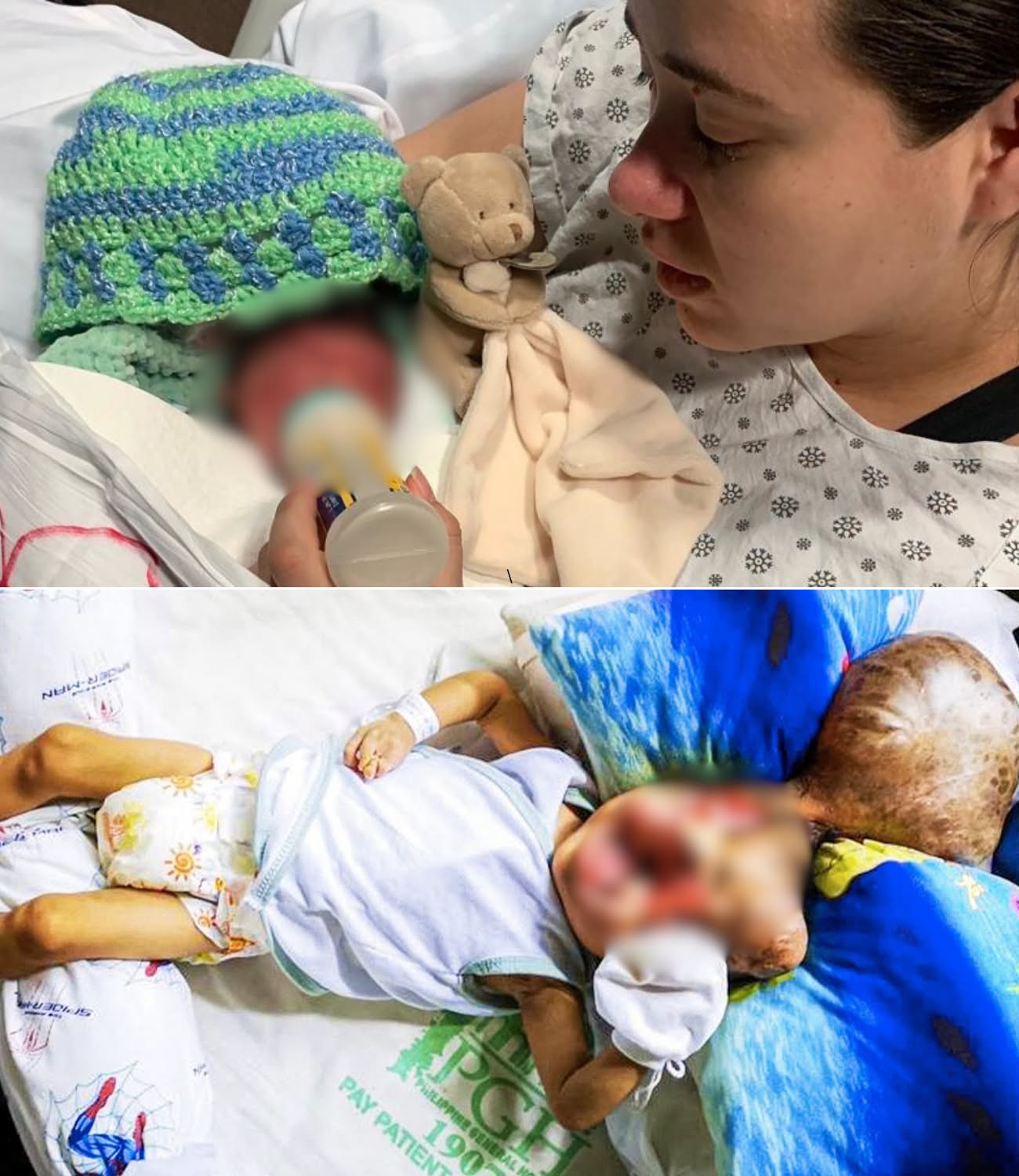
In the wake of the delivery, the family faced a double crisis. While little Matthew was discharged just a day after birth despite his critical state, Isabella was forced to remain in the intensive care unit for two full weeks due to severe postpartum complications. During these agonizing days, the family relied on sheer determination to keep their newborn stable at home, carefully administering drops of milk and essential vitamin supplements. The parents speculated that the condition might have been triggered by over-the-counter medications Isabella took for a fever early in her pregnancy, though medical professionals have noted there is no scientific evidence to support this theory.
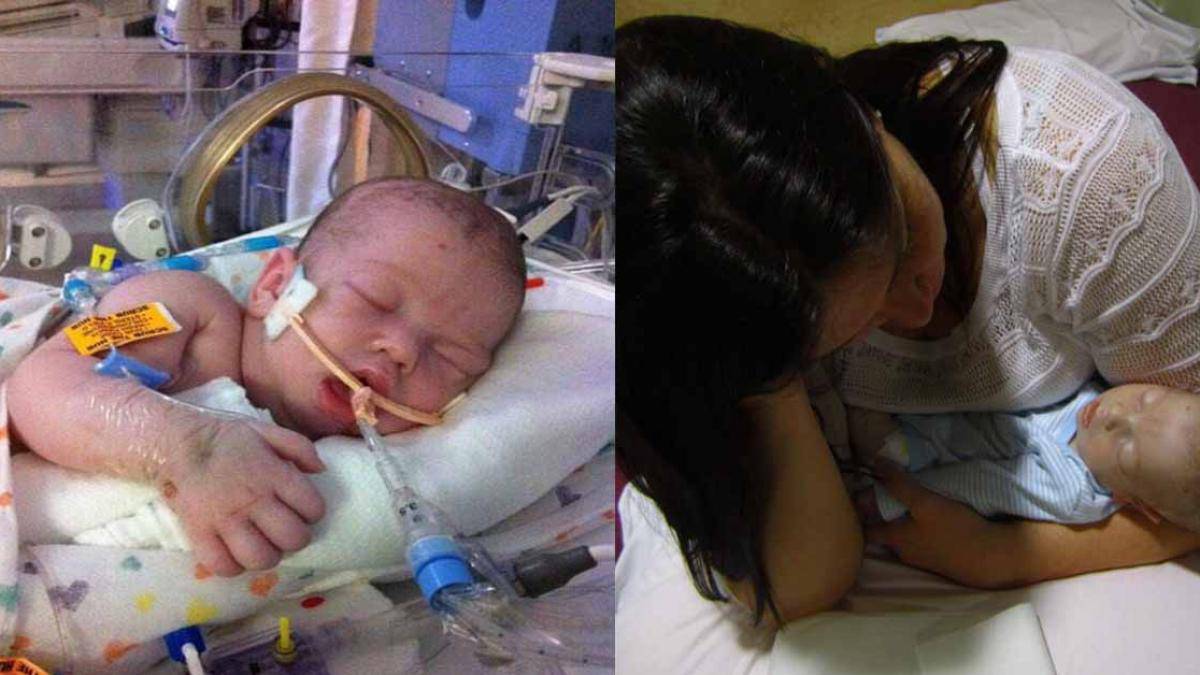
Despite the gloomy predictions, Matthew managed to celebrate his first birthday, an milestone that baffled his initial care team. However, navigating his ongoing healthcare remains an uphill battle. The family recently traveled over three hundred kilometers from Santiago City to the Philippine General Hospital in Manila, seeking specialist consultations and a path forward for facial reconstruction. Unfortunately, the medical staff determined that major surgical intervention is currently far too dangerous. At one year old, Matthew weighs a fragile eleven pounds, and his delicate physical frame simply cannot withstand the intense trauma of a complex cranial operation.
Financial hardship further complicates their daily reality, as Raven earns a meager wage working in a local factory. Yet, through the constant emotional and financial support of extended relatives, neighbors, and friends, the family has managed to secure essential daily care. Instead of leaving Matthew in a permanent clinical setting, Isabella and Raven have chosen to keep him at home, choosing to fill his life with affection, holding and kissing him daily. For this family, Matthew’s name—meaning a gift from God—remains a powerful symbol of hope. They refuse to give up, holding onto the belief that as medical science advances, they will eventually find a way to safely reconstruct his features and secure a brighter future.
Source: https://tv.gymroomathome.com/56941/?fbclid=IwY2xjawTJKDJleHRuA2FlbQIxMABicmlkETF1cWR3OHR6bTRYRXVOR3ZEc3J0YwZhcHBfaWQQMjIyMDM5MTc4ODIwMDg5MgABHl59tGKqOU7FfyOZK_ktXVKsAaPhZLUvxYJFYfUn6mwck9JYiVm2dyxH9HRS_aem_qekY6x3sMSgfi69PhGCBvA