Duty Without a Price Tag: How Princess Anne Spent a Lifetime Serving Without Relying on Public Money
- NgoPhong
- July 29, 2026
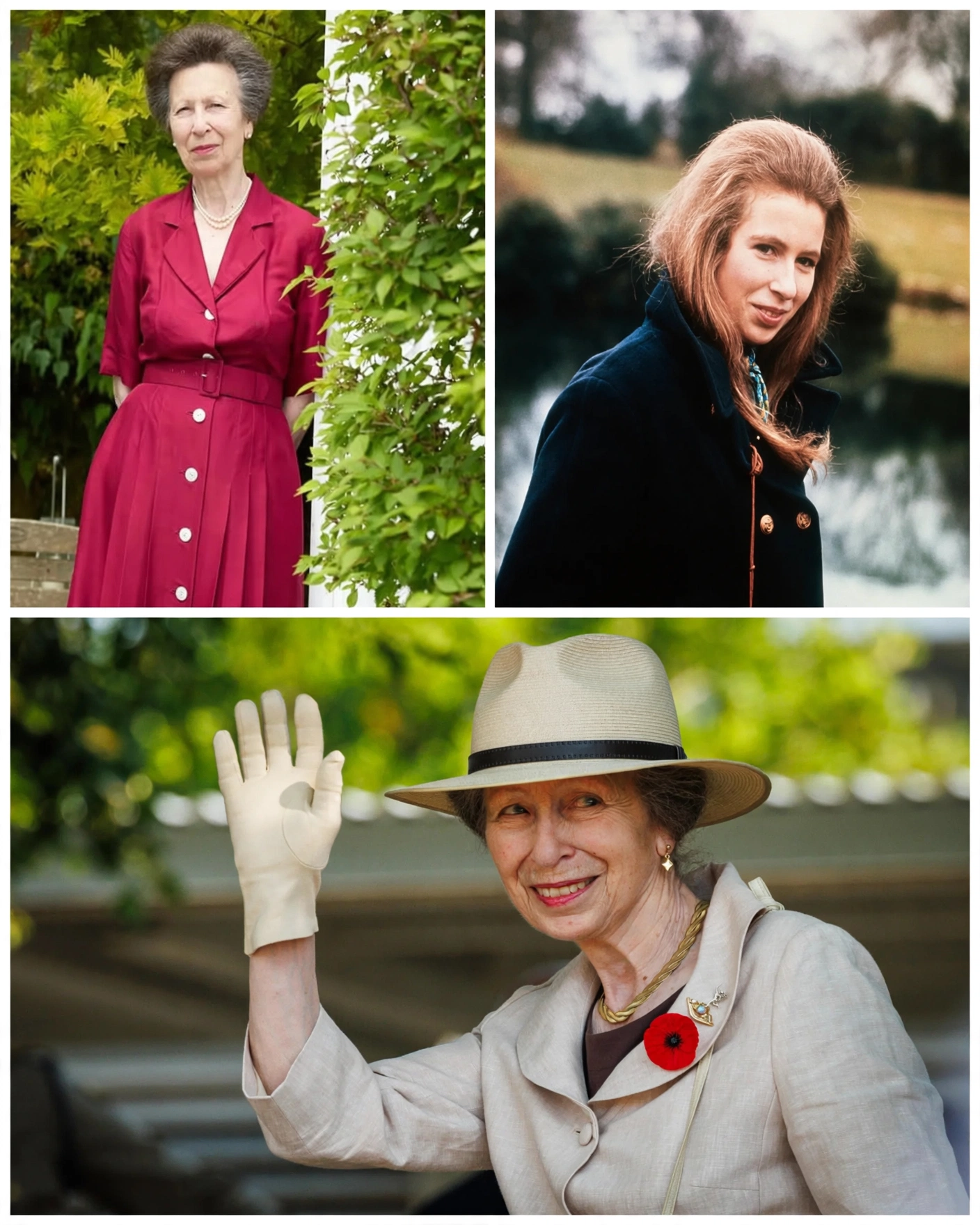
There were no grand announcements, no headlines demanding attention.
For decades, the work simply continued—quietly, consistently, and without pause.
While much of the world associates royal life with privilege and public funding, Princess Anne built a very different reputation. Her story is not defined by what she received, but by what she gave—year after year, engagement after engagement, without drawing on public money in the way many might expect.
It is a legacy shaped not by spectacle, but by discipline.
Born into the British royal family as the only daughter of Queen Elizabeth II, Anne grew up in a world of expectations. From an early age, she understood that her life would be guided by duty—public appearances, charitable work, and a constant presence in service of the Crown.
But what set her apart was how she approached that role.
Rather than embracing the more visible aspects of royal life, she focused on work itself. Not the ceremonial kind alone, but the steady, often unseen effort that defines long-term commitment.
Over time, she became known as one of the hardest-working members of the royal family.
Her schedule reflected it.
Year after year, she carried out hundreds of official engagements—visiting communities, supporting charities, and representing the United Kingdom both at home and abroad. These were not isolated appearances designed for publicity. They were part of a routine she maintained with remarkable consistency.
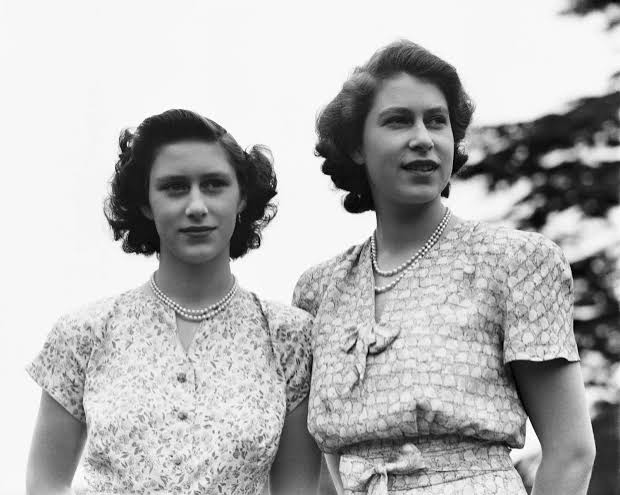
And she did so without relying on public funding in the way many might assume.
Instead, her work was supported through other means, including private income and established royal structures that did not draw directly from taxpayer resources for her personal role. This distinction, while not always widely discussed, became an important part of how her service was understood.
It reflected a different approach to responsibility.
For Anne, duty was not something that required compensation in the traditional sense. It was something that came with the position she held—and something she chose to fulfill fully.
That mindset influenced every aspect of her public life.
Unlike some of her contemporaries, she maintained a relatively low profile. She did not seek attention, and she rarely engaged with the kind of media presence that often surrounds modern public figures.
Instead, she focused on substance.
Her work with charities became one of the most defining elements of her career. Over the years, she became involved with numerous organizations, supporting causes that ranged from education and health to international development and humanitarian efforts.
Her involvement was not symbolic.
She remained actively engaged, building long-term relationships with the organizations she supported. In many cases, she stayed connected to the same causes for decades, offering continuity in a world where attention often shifts quickly.
This consistency earned her respect.
Not just within the United Kingdom, but internationally as well. Her visits, speeches, and involvement were seen as meaningful contributions rather than formal obligations.
It was work that required time, energy, and commitment.
And she gave all three.
There were also moments that revealed her character in more personal ways.
Her dedication to equestrian sport, for example, showed a different side of her life—one defined by discipline and competition. She became an accomplished rider, even representing her country at the Olympic level.
That same determination carried over into her public duties.
She approached her responsibilities with a sense of purpose that did not change over time. Decades passed, roles evolved, and the world around her shifted, but her approach remained steady.
Work came first.
Recognition, if it came at all, was secondary.
In a modern context, where public figures often navigate constant scrutiny and changing expectations, her consistency stands out even more.
She did not adapt her role to fit trends.
She stayed true to a model of service that emphasized reliability over visibility.
And in doing so, she created a legacy that is both understated and significant.
Her story also raises broader questions about the nature of public service.
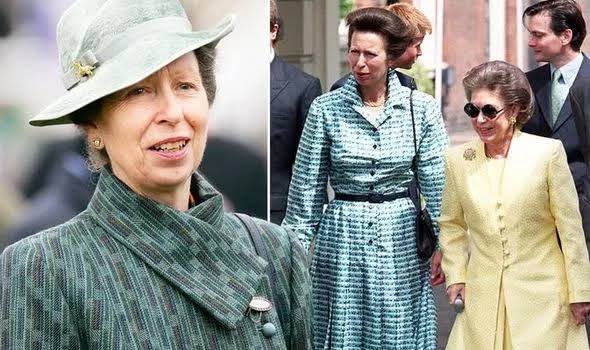
What does it mean to serve without expectation of personal gain? How does long-term commitment shape the impact of that service? And how do individuals in positions of influence choose to use their roles?
For Princess Anne, the answers are reflected in decades of work.
Not in a single moment, but in thousands of small ones—visits, meetings, conversations, and decisions that, taken together, form a lifetime of contribution.
As the years have passed, her role has continued.
Even as newer generations of the royal family take on greater visibility, she remains a constant presence—continuing her work with the same focus that has defined her from the beginning.
There is no need for reinvention.
No need for dramatic change.
Because what she built has already endured.
In the end, the story of Princess Anne is not about avoiding public funding alone.
It is about a philosophy.
A belief that duty is something to be fulfilled, not displayed.
That service is measured over time, not in moments.
And that true commitment does not need to be announced—it simply needs to be carried out.
For decades, she has done exactly that.
And in doing so, she has shown that sometimes, the most powerful legacy is the one built quietly—through work that never stops, even when no one is watching.