At 42, Sandra Gabriel Returned to the Ice After Losing Her Mom
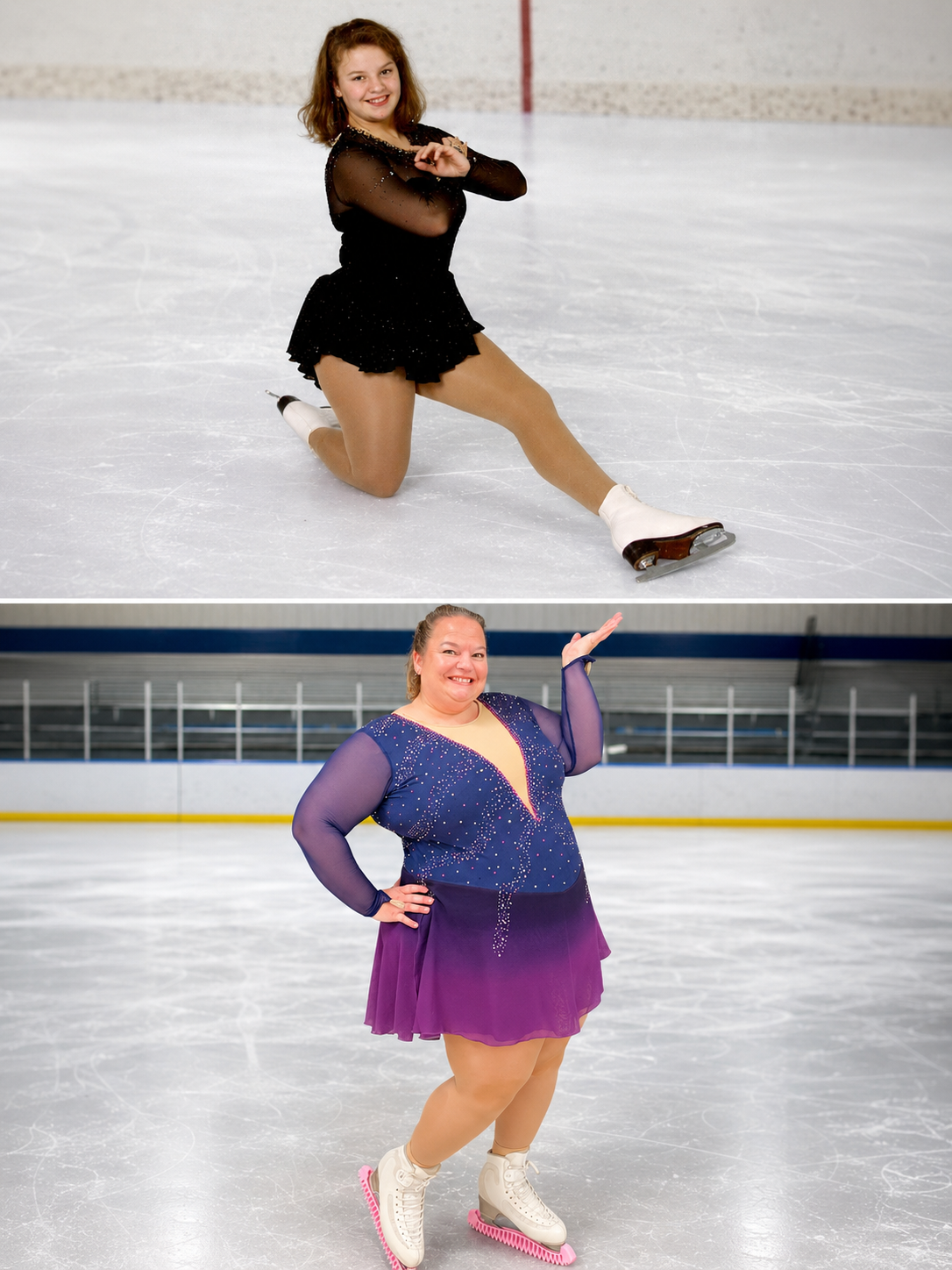
The first time Sandra Gabriel stepped onto the ice again, almost everything felt familiar and strange at once.
She knew how skates should move. Her mind remembered motions her body no longer wanted to make. After roughly two decades away from figure skating, even an hour on the rink could feel out of reach.
Still, one feeling cut through the discomfort.
“It felt like coming home again,” Gabriel told PEOPLE.
Gabriel, now 49, had spent much of her childhood skating in Canada before walking away from the sport as a young adult. She eventually stopped watching competitions altogether. Returning at 42 wasn’t simply an attempt to reclaim an old hobby. By then, the person who had spent years cheering beside the rink was gone.
The Rink Had Once Been Her Second Home
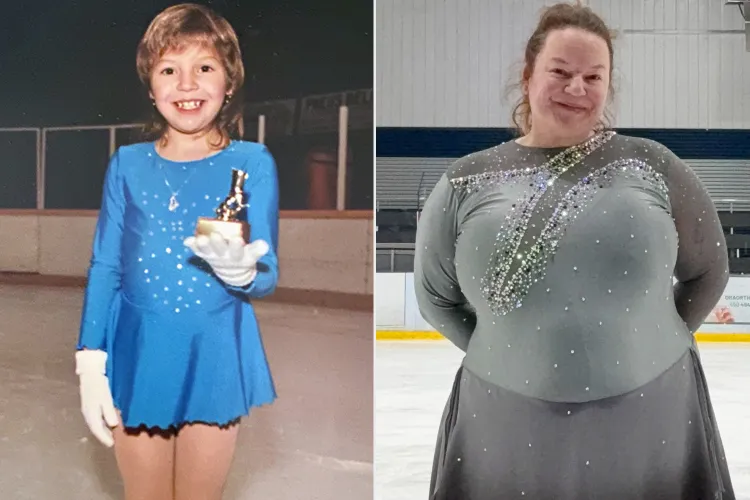
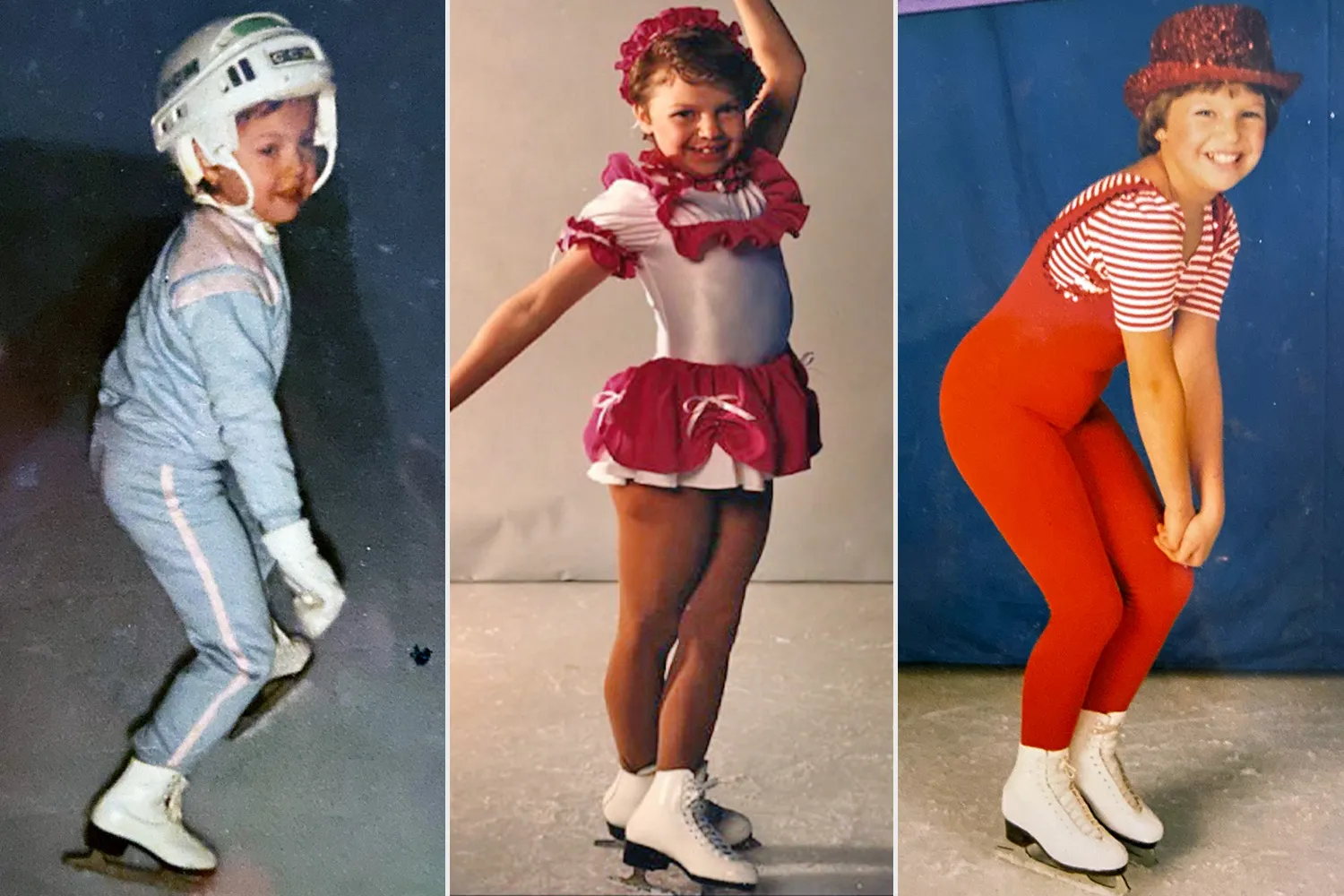
Gabriel received her first pair of skates when she was 4.
For the next 17 years, skating shaped much of her life. Lessons, practice and repetition filled her childhood, while her mother remained a steady presence behind the scenes.
A stay-at-home mom who loved figure skating herself, Gabriel’s mother drove her daughter from lesson to lesson and encouraged her as she learned the sport.
“She was my biggest cheerleader,” Gabriel told PEOPLE.
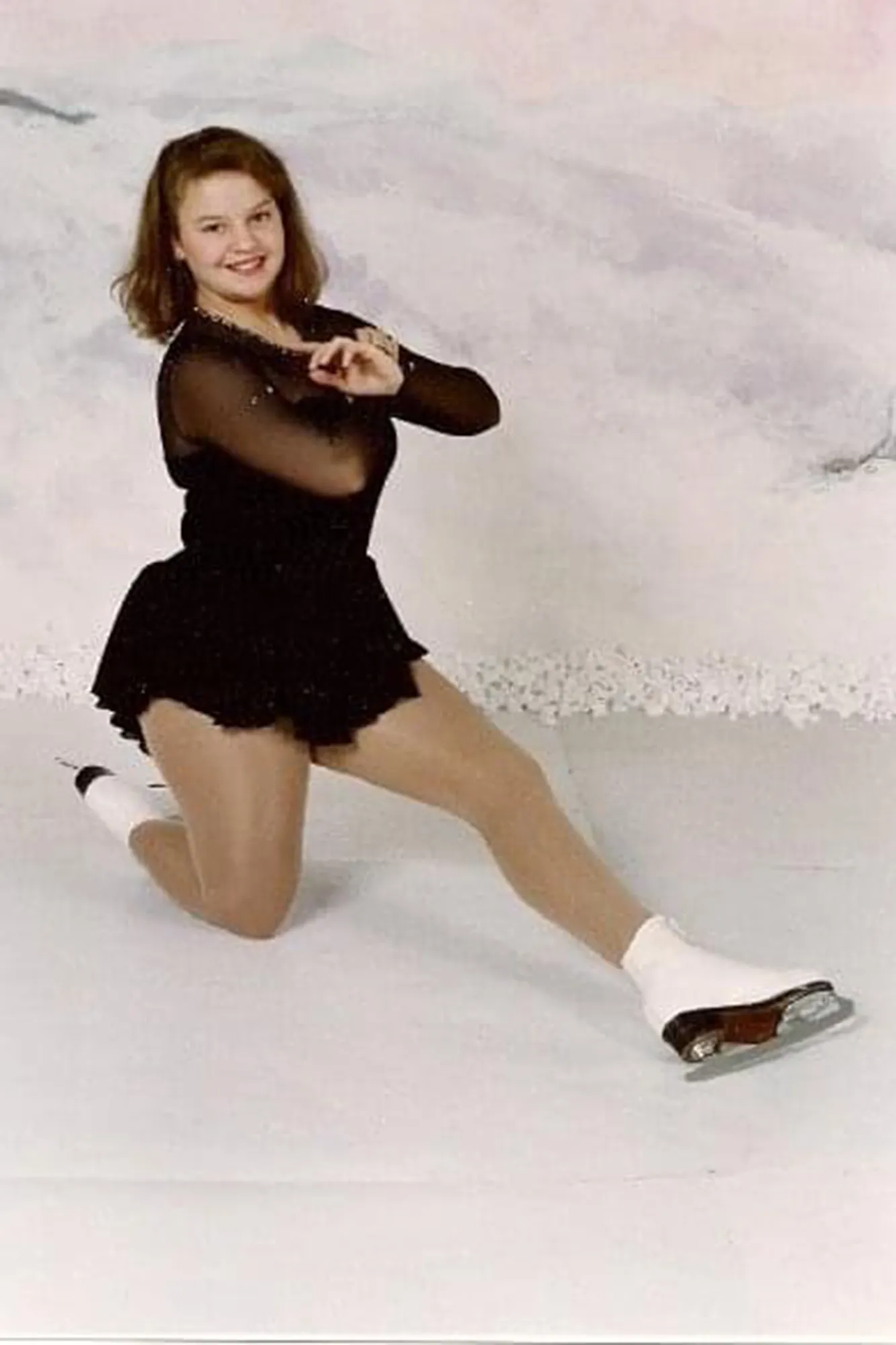
Gabriel first stepped away at 16, only to discover that she missed skating enough to call her coach and ask to return. For another four years, she moved in and out of the sport.
Then college changed the equation.
By 21, Gabriel believed there was nowhere left for her to go as an adult skater. In 1997, she said, adults weren’t commonly encouraged to remain in figure skating clubs.
“I felt like I was done with it,” she said.
This time, she stayed away.
Gabriel stopped skating and even avoided watching competitions. Something that had once taken up so much of her childhood became a part of herself she no longer wanted to visit.
“I felt this sport didn’t do anything for me anymore,” she told PEOPLE.
That feeling lasted for about 20 years.
After Years of Caregiving, Everything Went Quiet
During the later years of her mother’s life, Gabriel became her caregiver.
Then, in November 2017, her mother died.
Gabriel was working as a kindergarten teacher and had spent years organizing part of her life around caring for someone else. After the loss, she was left with grief, exhaustion and more free time than she had been used to having.
Three months later, the PyeongChang Winter Olympics began.
For the first time in years, Gabriel watched figure skating.
She was teaching four days a week, which gave her time to sit with the competition instead of turning away from it. As she watched, an idea that would once have seemed closed began returning.
“The games must have inspired me,” Gabriel said, because she caught herself thinking that skating again “wouldn’t be so bad.”
By May 2018, she had acted on it.
At 42, Gabriel signed up for an adult figure skating club on Montreal’s South Shore and laced up her skates again.
The return wasn’t graceful.
Her Mind Remembered More Than Her Body Could Do
Gabriel could still manage the basics, but much of what had once been automatic was gone.
“I had to relearn almost everything except maybe the basic skating,” she said.
Her skates hurt. She needed frequent breaks. Her body didn’t respond the way it had when she was younger, even when her mind remembered exactly what it wanted to do.
“Going back was very, very humbling,” Gabriel told PEOPLE.
Instead of measuring herself against the skater she had been at 16 or 21, Gabriel began figuring out what skating could look like in her 40s.
Some jumps and other elements were no longer realistic goals. She focused instead on strength, staying active and respecting what her body could do now. With coach Melanie Guy, progress came piece by piece.
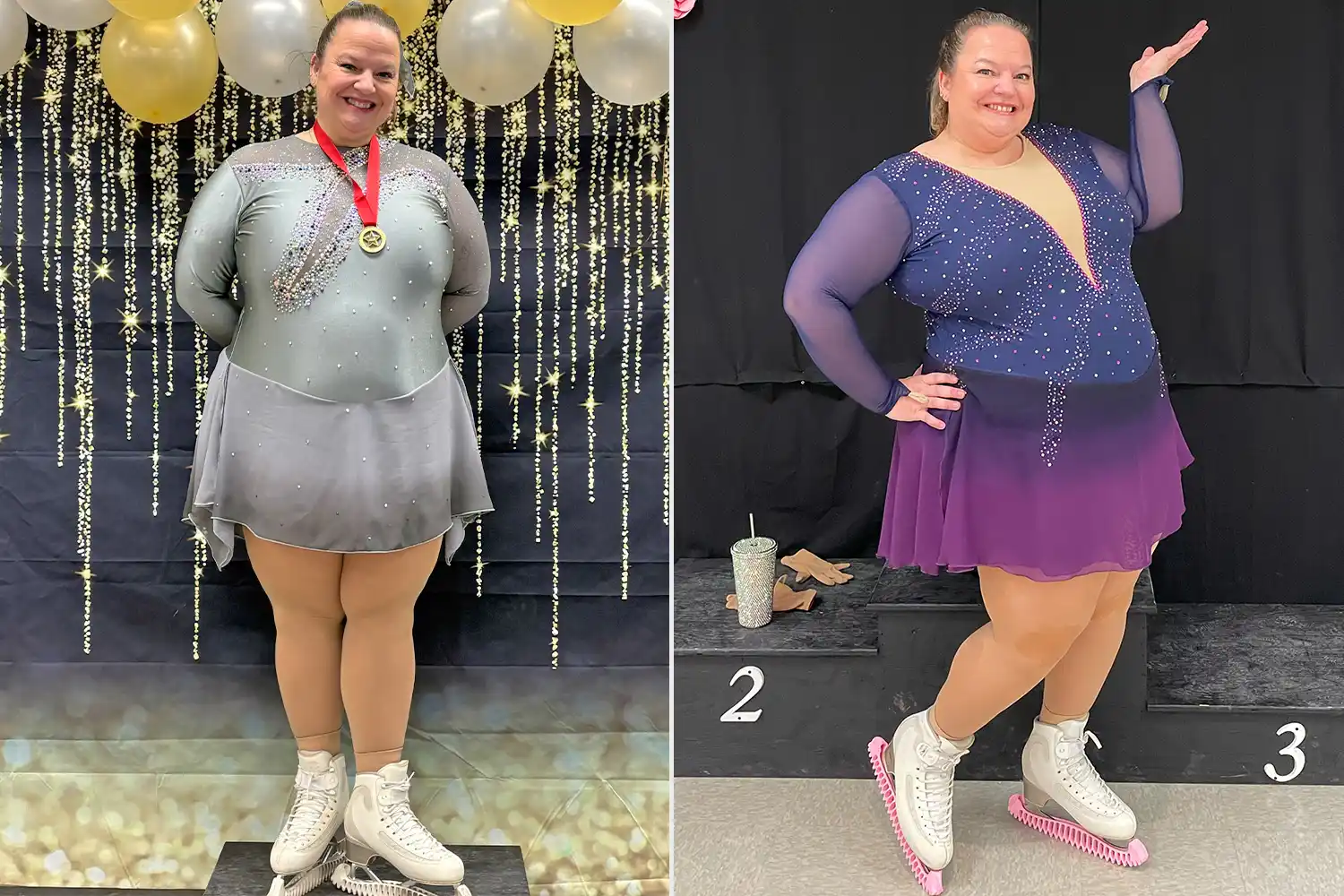
Eight years after returning, Gabriel was still skating.
But the reason she stayed went deeper than technique.
The rink had once been a place where her mother waited, watched and cheered. Going back after her death gave Gabriel a way to touch a period of life in which her mother had been woven into almost every part of the sport.
It also brought back someone else.
Herself.
She Was Looking for the Woman She Used to Be
Gabriel eventually understood that she hadn’t returned only because an Olympic competition made skating look appealing again.
She was reaching toward a version of herself that had existed before years of responsibility and caregiving.
“I think I needed to go back to a time where I felt carefree,” she told PEOPLE.
That was the part she had thought was gone.
As first reported by PEOPLE, Gabriel now skates for different reasons than she did as a child. There is no expectation that the sport must lead somewhere bigger. At 49, she can leave some elements behind and keep the parts that still give her something.
Her relationship with skating has also changed the way she talks about age. Gabriel no longer sees adulthood as the point when a childhood passion has to be shut away.
“A lost love can come back,” she said. “A passion can be reignited.”
For Gabriel, that return began three months after losing the woman who had driven her to lessons and stood behind her skating for years.
Now, when she steps onto the rink, her mother isn’t waiting at the boards.
But the ice is still there.
So is the woman who once felt carefree on it.