Before Gloria Steinem Became a Feminist Icon, She Took CIA Money for a Mission Few People Know About
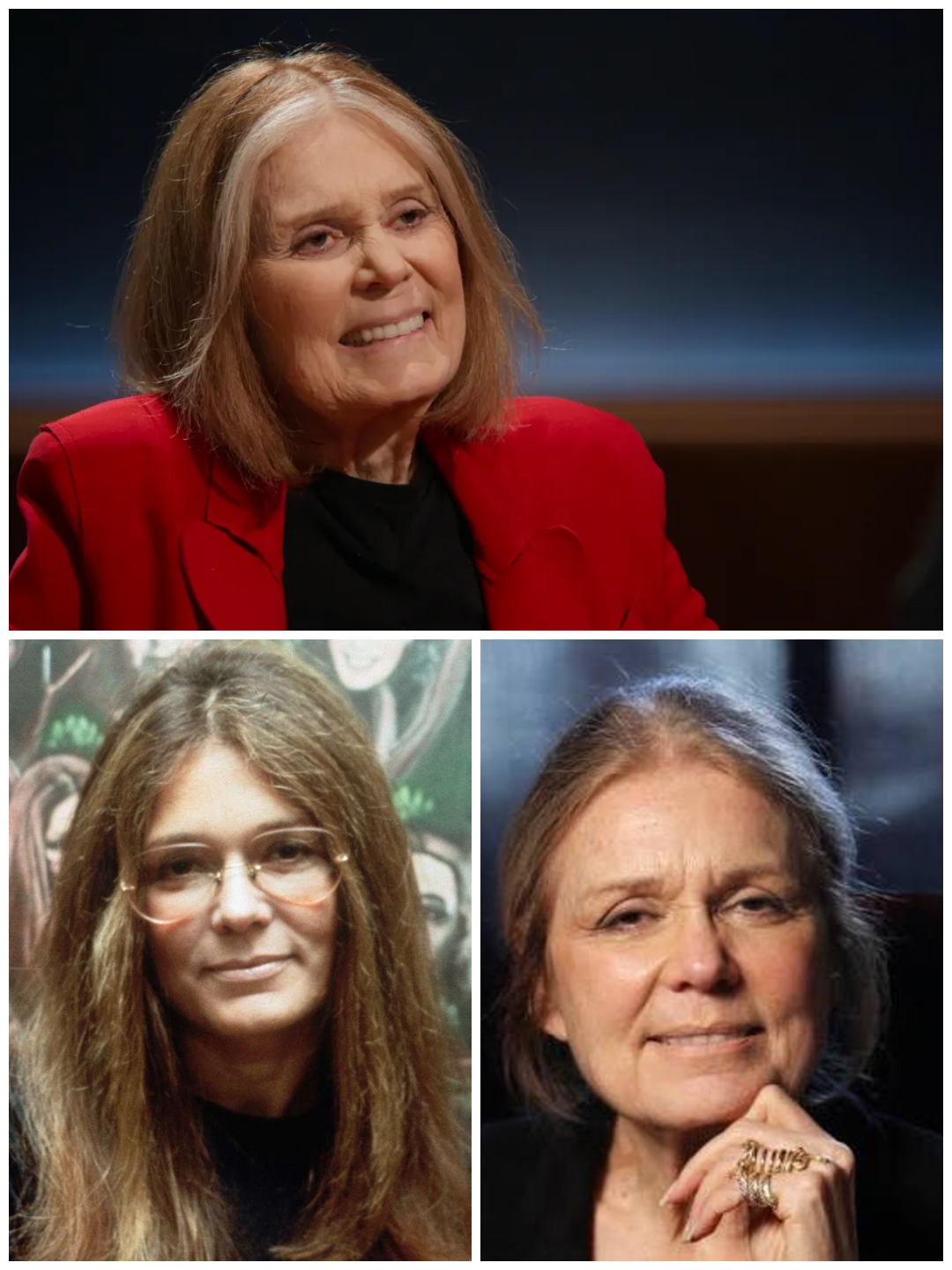
Long before Gloria Steinem became one of the most recognizable leaders of the American women’s movement, she was involved in a very different kind of political battle.
It was the late 1950s.
The Cold War was intensifying.
The United States and Soviet Union were competing not only through military power and diplomacy, but through culture, universities, labor movements — and young people.
And Steinem, then a recent Smith College graduate in her twenties, became involved in an American effort to counter Soviet influence at international youth festivals.
The surprising part was who helped pay for it.
The CIA.
Steinem worked with an organization that became known as the Independent Research Service, which helped recruit and support young Americans attending Soviet-backed World Youth Festivals in Vienna in 1959 and Helsinki in 1962.
The CIA secretly provided substantial financial support.
But there is an important distinction that often disappears when the story is reduced to a provocative headline.
Steinem said she was not sent overseas to spy on festival attendees.
She said the CIA never asked her to report on Americans she met or evaluate foreign nationals for intelligence purposes.
What she described was closer to Cold War political and cultural competition: getting Americans with a range of non-Communist viewpoints into festivals where the Soviet bloc otherwise had a powerful platform.
And when the secret relationship became public years later, Steinem did something else that surprised critics.
She did not disown it.
She defended the decision.
It Started After Steinem Returned From India
Before her rise in American journalism, Steinem spent roughly two years in India after graduating from Smith College in 1956.
The experience exposed her to political activism and movements for social change at a formative point in her life.
When she returned to the United States in 1958, international youth politics had become another arena of Cold War competition.
The World Festival of Youth and Students attracted thousands of young people from around the world.
To American officials, the festivals presented a problem.
They were heavily influenced by Communist organizations and offered the Soviet bloc an enormous opportunity to shape how young people from Asia, Africa, Latin America and Europe viewed both communism and the United States.
Steinem believed more Americans should attend and challenge that picture.
The goal was not simply to send conservative anti-Communists.
Organizers sought Americans representing a wider spectrum of U.S. political opinion who could demonstrate that American society was more diverse than Soviet propaganda suggested.
That required organization.
It also required money.
And obtaining private funding for anything associated with a Communist-sponsored youth festival was difficult.
That was where the CIA entered the story.
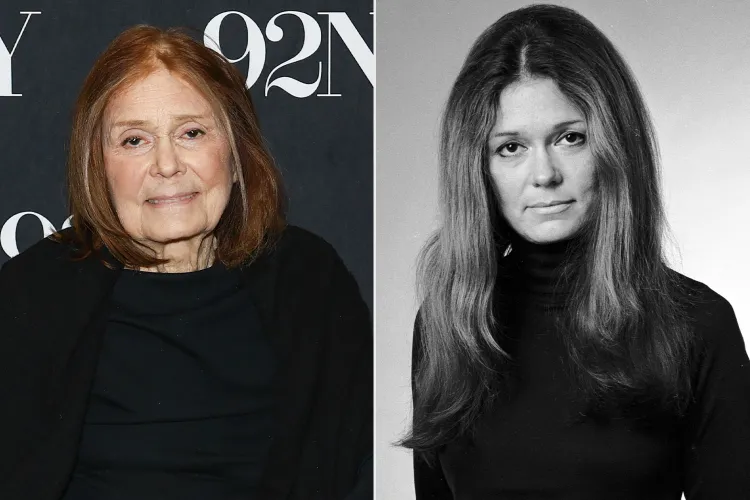
The CIA Quietly Backed the Operation
Steinem became involved in organizing what was initially known as the Independent Service for Information on the Vienna Youth Festival, later known as the Independent Research Service.
The organization recruited Americans to attend the 1959 Vienna festival and later helped organize participation in Helsinki in 1962.
Behind the scenes, CIA money helped finance the effort. Historical accounts differ on some details of exactly how the organization and funding relationship developed, but the covert financial connection itself is well documented.
The activities were not insignificant.
Participants tried to present alternatives to the Communist message dominating the festivals.
The American effort included publishing material, operating a news bureau, presenting cultural activities and even organizing jazz clubs.
The larger objective was to engage young people from other countries directly and demonstrate that the United States contained competing political ideas rather than one rigid official line.
Steinem later described the project as an attempt to present a broader, more realistic picture of America.
But Was Gloria Steinem a CIA Spy?
This is where the story requires care.
It is accurate to say that Steinem knowingly worked with an organization receiving covert CIA support.
It is accurate to say she dealt with people connected to the agency.
It is accurate to say that the project was part of the wider ideological struggle of the Cold War.
But Steinem explicitly rejected the idea that she was collecting intelligence on the people around her.
When the relationship became public in 1967, she said: “I was never asked to report on other Americans or assess foreign nationals I had met.”
That distinction matters.
The project was intended to influence political perceptions and counter Soviet propaganda.
That is different from secretly gathering personal intelligence on festival attendees and passing it back to the CIA.
The young Americans participating in the program also did not necessarily know where the money ultimately originated.
Steinem acknowledged that almost none of the participants knew the CIA was helping finance their involvement.
So there was secrecy.
But the secrecy primarily concerned the funding relationship.
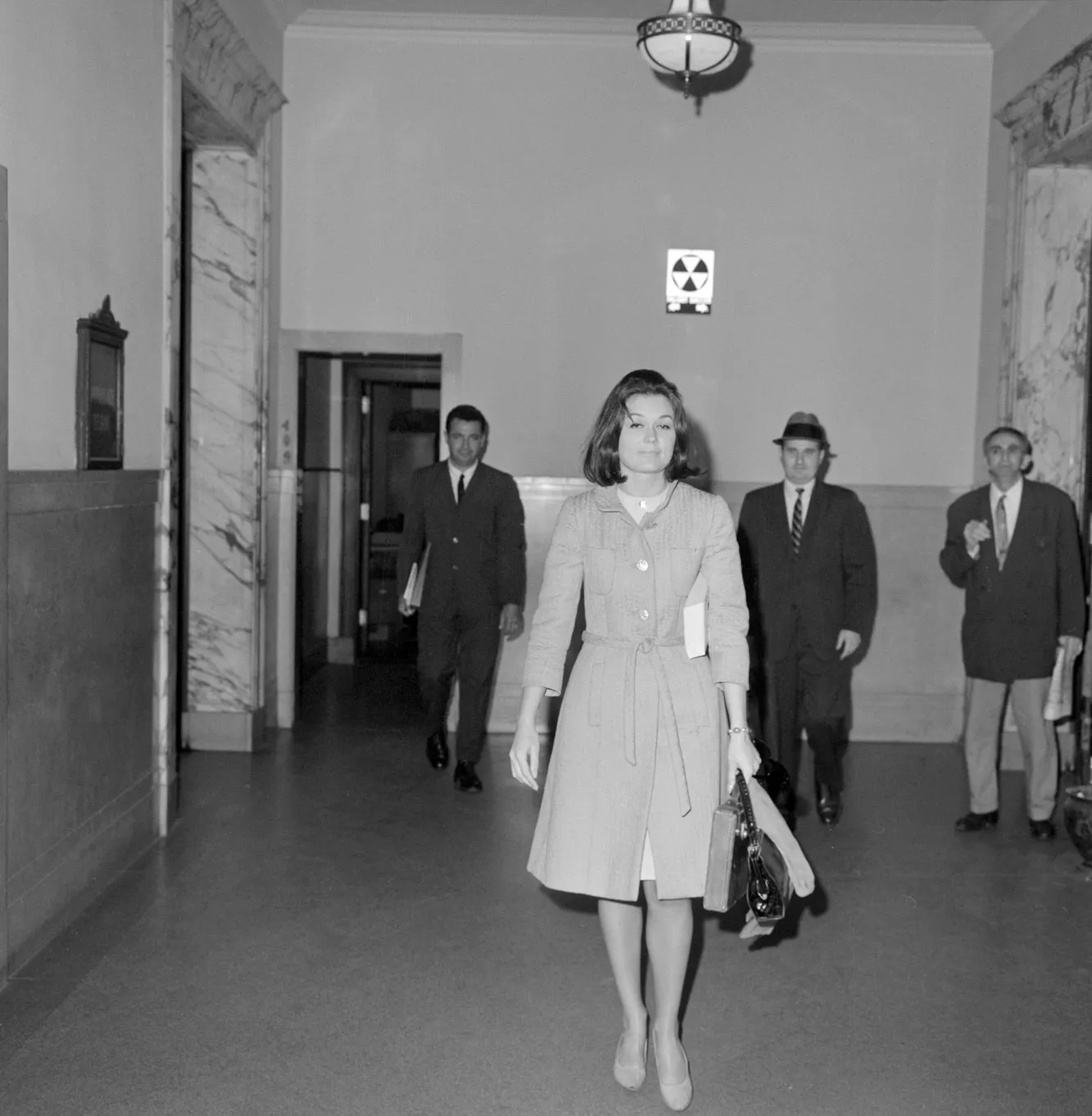
Why Would the CIA Care About a Youth Festival?
Seen from the modern perspective, the idea of an intelligence agency secretly financing students to attend a youth gathering can sound bizarre.
In the Cold War, however, culture was part of the battlefield.
Washington and Moscow competed over literature, art, universities, labor unions, international conferences and student organizations.
Newly independent countries were especially important.
Both sides wanted to influence young political leaders and intellectuals who might eventually shape governments across Africa, Asia and Latin America.
World Youth Festivals offered the Soviet Union an unusually large audience.
The American organizers wanted another voice in the room.
Steinem later argued that, at the time, the CIA was one of the few institutions willing to recognize how important those international student networks could be.
That did not make the covert funding uncontroversial.
When revelations about secret CIA support for American organizations exploded publicly in the late 1960s, the disclosures generated serious questions about whether intelligence agencies should secretly manipulate supposedly independent civic groups.
Steinem’s involvement became part of that controversy.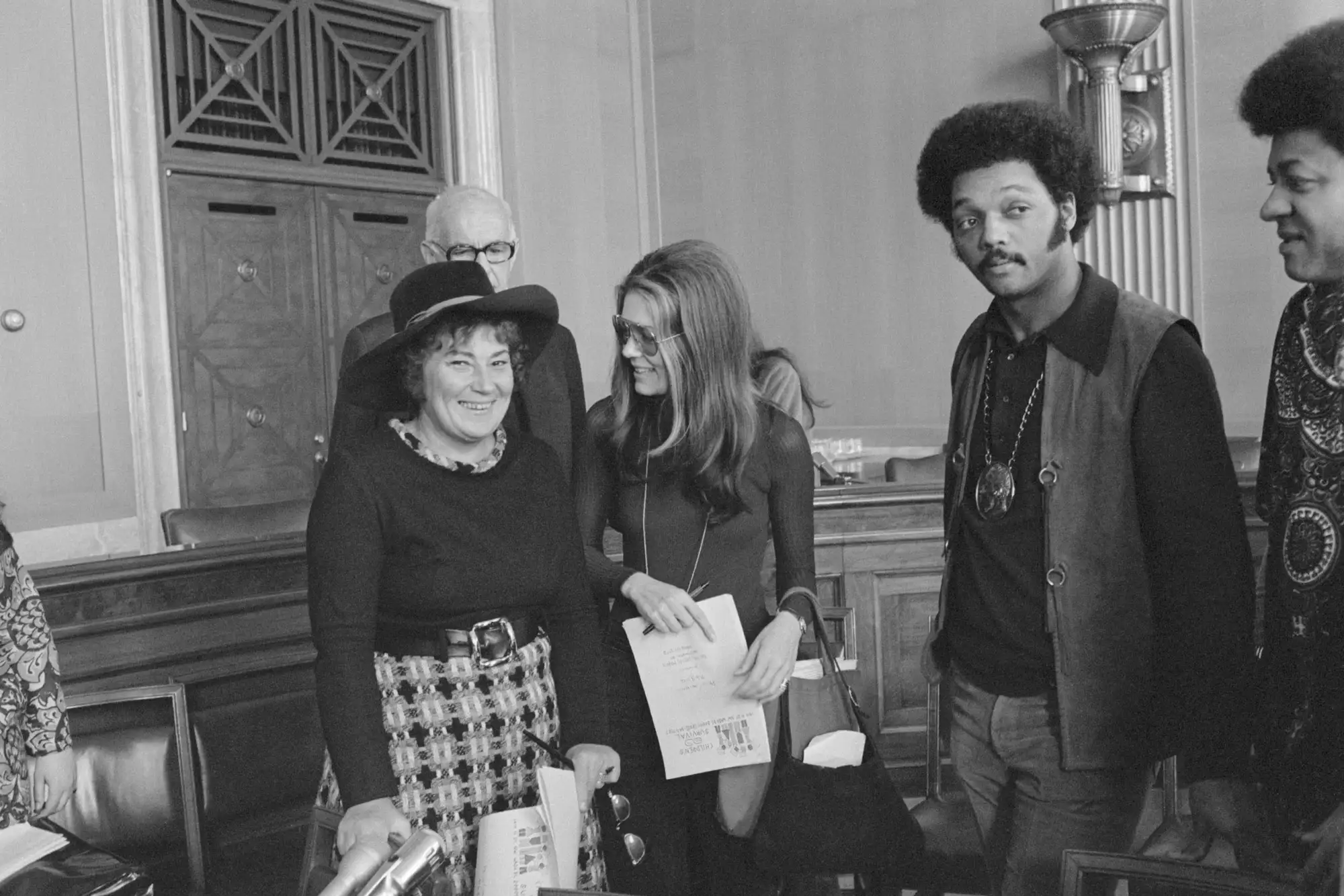
Steinem Didn’t Run Away From the Story
This is perhaps the most surprising part.
By the time the CIA relationship became widely known, Steinem was moving toward the journalism and activism that would eventually make her internationally famous.
A secret intelligence connection could have been an extraordinarily uncomfortable piece of biography.
But she did not say she had been tricked.
She did not claim she regretted the entire operation.
She defended the underlying goal.
In a 1967 statement quoted in later accounts, Steinem said she had finally found people in the CIA who understood why it was important to represent the diversity of American ideas at Communist-controlled festivals.
Then she added an unusually direct line:
“If I had the choice, I would do it again.”
That position followed her for years.
Some critics on the left saw the CIA connection as deeply troubling, particularly after Steinem became such a prominent figure in progressive politics and feminism.
Others viewed the episode primarily through its Cold War context.
Steinem herself continued to frame it as political organizing rather than espionage.
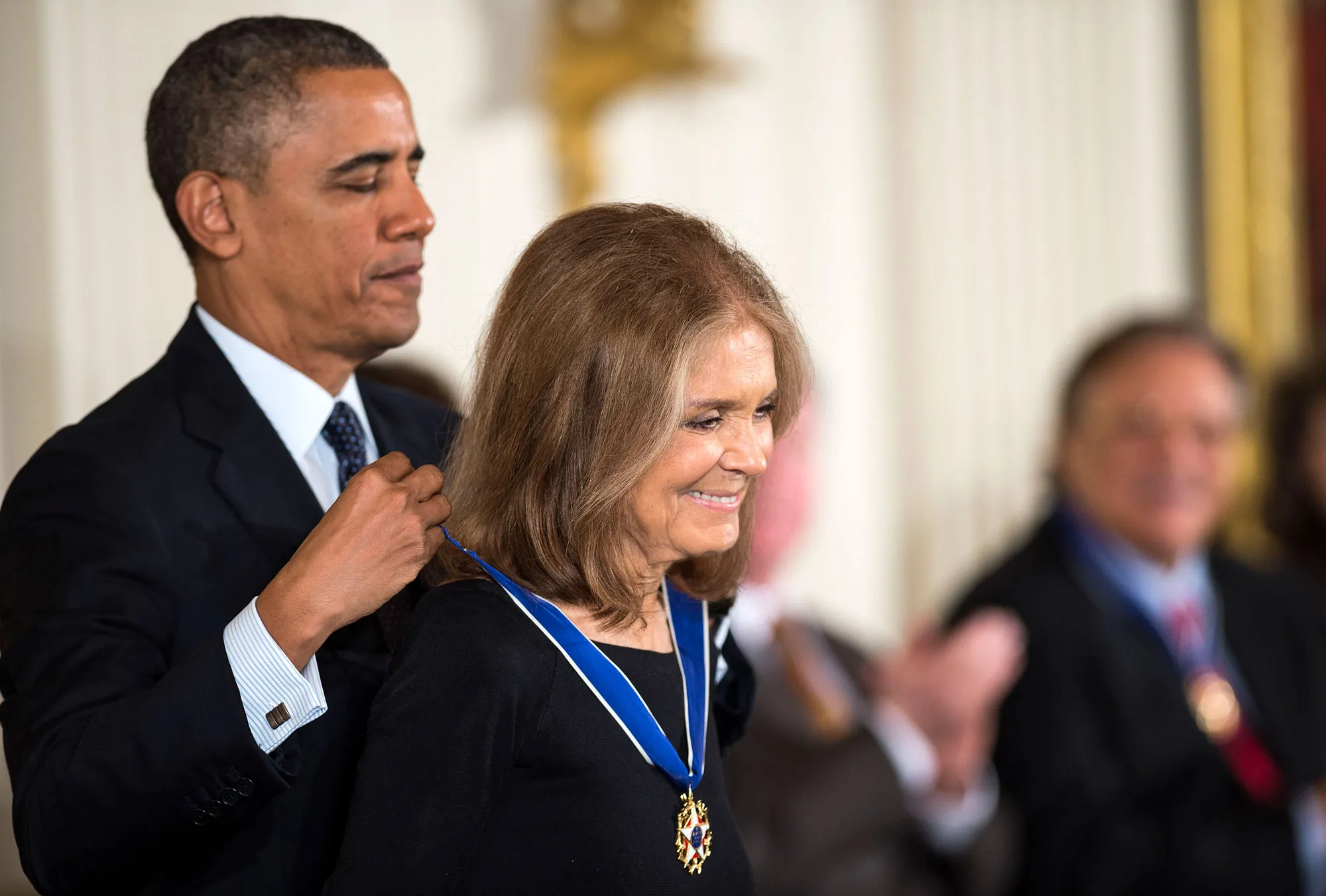
Then Her Life Took a Very Different Turn
Within a decade, most Americans who knew Gloria Steinem’s name associated it with something entirely different.
Journalism.
Women’s liberation.
Equal rights.
Political organizing.
She would become a co-founder of Ms. magazine and one of the most visible figures of second-wave feminism.
The image of Steinem organizing young Americans for CIA-funded Cold War activities seems almost disconnected from the person who later became an enduring symbol of the women’s movement.
But it was part of the same life.
And that is what makes the story so fascinating.
Before millions of Americans knew Gloria Steinem as a feminist leader, she had already entered international politics.
She helped recruit Americans to attend Soviet-influenced youth festivals.
She worked through an organization secretly supported by the CIA.
She knew where at least some of that support was coming from.
But according to Steinem, she was not being asked to spy on the people she met.
Her mission, as she described it, was to challenge a political narrative.
Decades later, people could debate whether accepting secret CIA money was justified.
Steinem’s own answer remained remarkably consistent.
She knew the choice was controversial.
She also said she would make it again.