Before Hollywood Knew His Name, Samuel L. Jackson Risked Everything for Change—and Nearly Lost Himself Along the Way
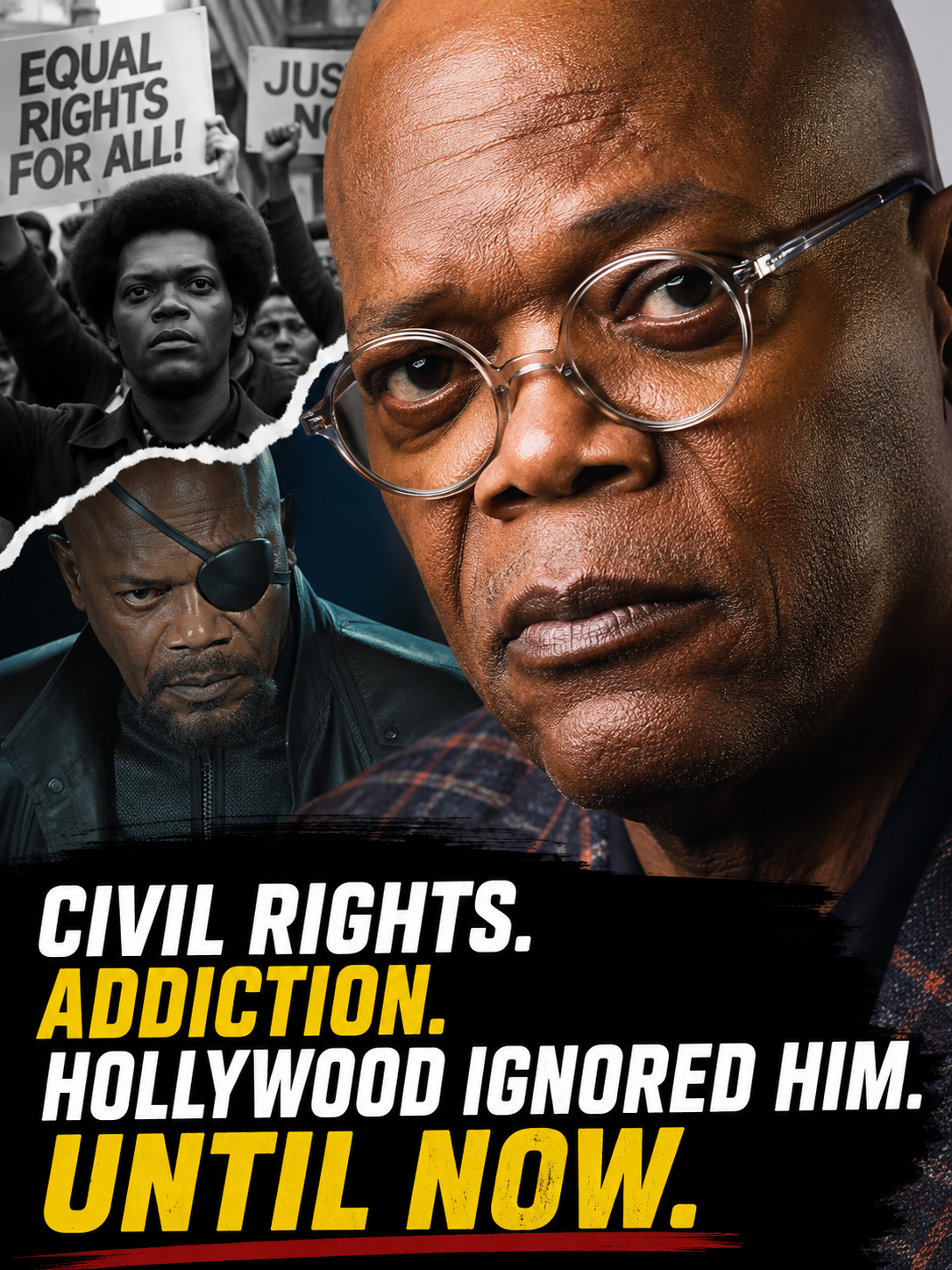
By the time Samuel L. Jackson became one of Hollywood’s most recognizable actors, he had already lived through several lives.
He had grown up under segregation, confronted college authorities during the civil rights era, flirted with a more militant path, spent years performing in relative obscurity, and fought an addiction that threatened both his family and career.
Then, at an age when many actors begin wondering whether their breakthrough will ever come, Jackson finally received the role that forced the film industry to notice him.
He was more than 40 years old.
The success that followed—from Pulp Fiction and Jurassic Park to Star Wars and the Marvel Cinematic Universe—made his rise appear inevitable. It was anything but.
Long before audiences knew his unmistakable voice, Jackson had spent decades searching for a place where that voice could be heard.
Growing Up in the Segregated South
Samuel Leroy Jackson was born in Washington, D.C., on December 21, 1948, and was raised primarily in Chattanooga, Tennessee, by his mother, grandparents, and extended family.
His childhood unfolded in the segregated South, where racism shaped schools, public spaces, opportunities, and the ordinary routines of daily life.
Jackson also struggled with a stutter. He later explained that acting helped him temporarily escape it by allowing him to speak as someone else. The difficulty did not disappear entirely, but performance gave him a method of controlling his voice rather than being controlled by it.
When he enrolled at Morehouse College in Atlanta, Jackson initially intended to study marine biology. His direction changed after joining a local acting group to earn extra credit. Theater offered him a combination of discipline, expression, and identity that science had not.
Outside the rehearsal room, the country was being transformed by the civil rights movement.
Jackson became involved in activism at a moment of growing frustration among young Black Americans. The victories achieved through boycotts, marches, and legal challenges were significant, but racial violence remained widespread, and many students believed established institutions were moving too slowly.
The assassination of Martin Luther King Jr. in April 1968 intensified that anger.
Jackson served as an usher at King’s funeral in Atlanta. Soon afterward, he traveled to Memphis and participated in demonstrations connected to the sanitation workers’ strike that King had supported before his death.
The experience moved Jackson further into political action.
A Protest That Nearly Changed His Future
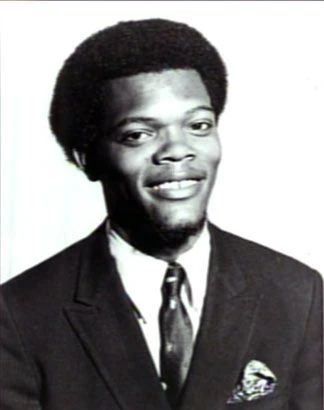
In 1969, Jackson and other Morehouse students took members of the college’s board of trustees hostage during a campus protest. Among those temporarily detained was Martin Luther King Sr.
The students demanded changes in the school’s governance and curriculum, including greater student influence and stronger attention to Black history.
The confrontation ended without bloodshed, but it brought serious consequences. Jackson was charged with unlawful confinement and suspended from Morehouse.
His political thinking grew more militant during that period. After spending time in Los Angeles, he returned to Atlanta and associated with figures connected to the Black Power movement. Jackson later recalled becoming increasingly prepared for armed confrontation.
According to his account, his mother was warned that her son might be in danger if he remained in Atlanta. She sent him to Los Angeles, removing him from the environment before his radicalization led to imprisonment or death.
Jackson eventually returned to Morehouse and completed his degree in drama in 1972. The young activist who had once considered a revolutionary path began directing his intensity toward the stage.
The struggle, however, was far from over.
Decades of Work Without Stardom
Jackson moved to New York and became active in theater. He performed in productions associated with the Negro Ensemble Company and developed relationships with actors including Morgan Freeman, who became an important mentor.
He also met actress LaTanya Richardson. They married in 1980 and later had a daughter, Zoe.
Jackson worked steadily, but fame remained distant.
He appeared in stage productions and gradually accumulated minor television and movie roles. He could be seen briefly in films such as Coming to America, Do the Right Thing, and Goodfellas, but these appearances did not make him a leading name.
For years, Jackson watched other performers move more quickly into prominent careers. He had training, experience, and presence, yet Hollywood rarely offered him enough screen time to display the full force of his ability.
He later remembered repeatedly calling his agent and asking whether Hollywood had contacted her.
The answer was always no.
Behind the professional frustration, another danger was growing.
Addiction Behind a Functioning Career
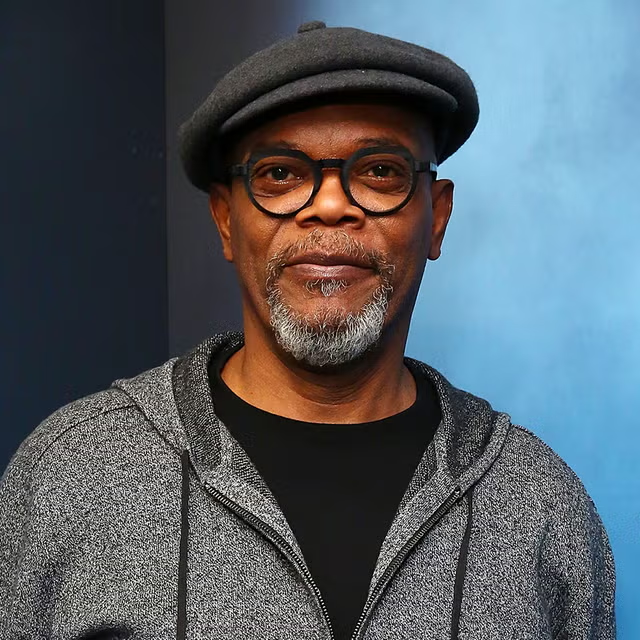
Jackson developed serious problems with alcohol and drugs, eventually becoming addicted to cocaine.
His addiction did not always resemble the public collapse commonly associated with substance abuse. He continued working and prided himself on arriving on time and remembering his lines.
That apparent functionality concealed the damage being done at home.
His wife and daughter lived with a man whose drug use had altered his behavior and emotional availability. LaTanya Richardson Jackson later confronted him after finding him unconscious in the kitchen, surrounded by evidence of his cocaine use.
His family insisted that he enter rehabilitation.
Jackson did.
Recovery required him to face more than the drugs themselves. For years, substances had numbed emotions that he carried from racism, anger, disappointment, and the exhausting uncertainty of his career.
He emerged from treatment sober in the early 1990s. Almost immediately, he was asked to portray a man being destroyed by the same drug world he had just escaped.
The role would change everything.
Turning Pain Into a Breakthrough
Director Spike Lee had already cast Jackson in smaller roles, including appearances in School Daze, Do the Right Thing, and Mo’ Better Blues.
For Lee’s 1991 drama Jungle Fever, Jackson pursued the role of Gator Purify, a crack-addicted man who repeatedly manipulates his family for money.
The timing was brutally close to his own experience.
Jackson had recently completed rehabilitation, and he understood Gator’s desperation from the inside. Instead of performing addiction as a collection of exaggerated gestures, he portrayed its hunger, charm, deception, and degradation.
The result was frightening because it felt lived rather than observed.
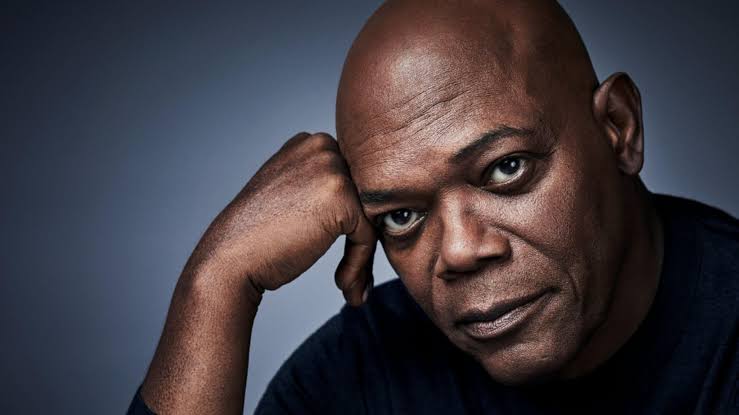
Jackson’s performance received extraordinary recognition at the Cannes Film Festival, where the jury created a special supporting-actor honor for him. Hollywood, which had ignored him through years of stage work and small roles, finally began calling.
The breakthrough came when Jackson was in his early forties.
It did not immediately make him a global star, but it moved him into more substantial films. He appeared in Patriot Games, White Sands, Juice, Menace II Society, and Steven Spielberg’s Jurassic Park.
Each performance revealed another part of his range: intelligence, menace, authority, humor, vulnerability, or explosive anger.
Then Quentin Tarantino gave him Jules Winnfield.
The Role That Made Him Unforgettable
Released in 1994, Pulp Fiction introduced Jackson to a worldwide audience.
Jules was a contract killer who could shift from casual conversation to terrifying violence in seconds. Jackson gave the character an imposing stillness, a theatrical command of language, and an unexpected spiritual depth.
The performance became one of the film’s defining elements and earned him an Academy Award nomination for Best Supporting Actor.
Jackson had spent more than two decades preparing for the moment. His stage training gave him control over Tarantino’s lengthy dialogue. His political past gave weight to Jules’ authority. His recovery gave meaning to a character questioning whether he could continue living as he had before.
At 45, Jackson was no longer waiting for Hollywood to notice him.
Hollywood was beginning to build movies around him.
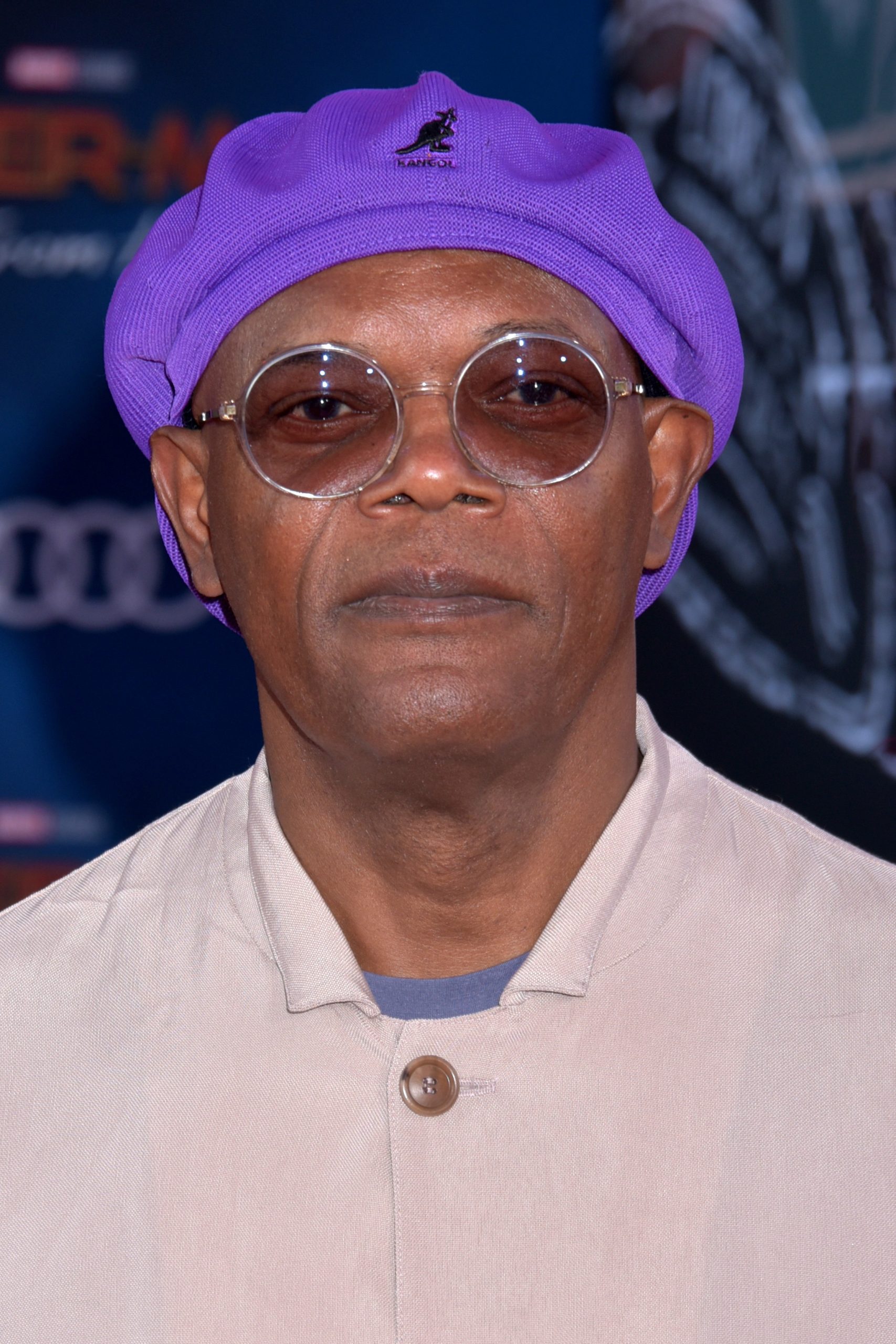
From Late Bloomer to Global Icon
The roles arrived quickly after Pulp Fiction.
Jackson starred in Die Hard with a Vengeance, A Time to Kill, The Long Kiss Goodnight, Jackie Brown, and Unbreakable. He entered the Star Wars universe as Jedi Master Mace Windu and later became Nick Fury, a central figure connecting the expanding Marvel Cinematic Universe.
Across action films, dramas, thrillers, animation, and franchise blockbusters, he turned qualities once considered unconventional into a personal trademark.
The childhood stutter gave way to one of cinema’s most commanding voices. The anger that had once pushed him toward dangerous political confrontation became controlled dramatic power. The years of obscurity gave him the discipline to keep working after success arrived.
In 2022, the Academy of Motion Picture Arts and Sciences presented Jackson with an honorary Oscar recognizing a career that had become inseparable from modern popular cinema. It came decades after his sole competitive Oscar nomination for Pulp Fiction.
Yet his achievement cannot be measured only through box-office totals, famous speeches, or franchise appearances.
Jackson survived long enough to become the actor he had spent years preparing to be.
He did not arrive in Hollywood as a protected young star. He entered slowly, carrying the history of the segregated South, the urgency of civil rights activism, the consequences of radicalization, the exhaustion of professional rejection, and the scars of addiction.
His breakthrough came late because the industry took too long to recognize him.
Once it did, Samuel L. Jackson made himself impossible to overlook.