Behind the Smile of Marilyn Monroe: The Quiet Pain That Marked Her Final Days
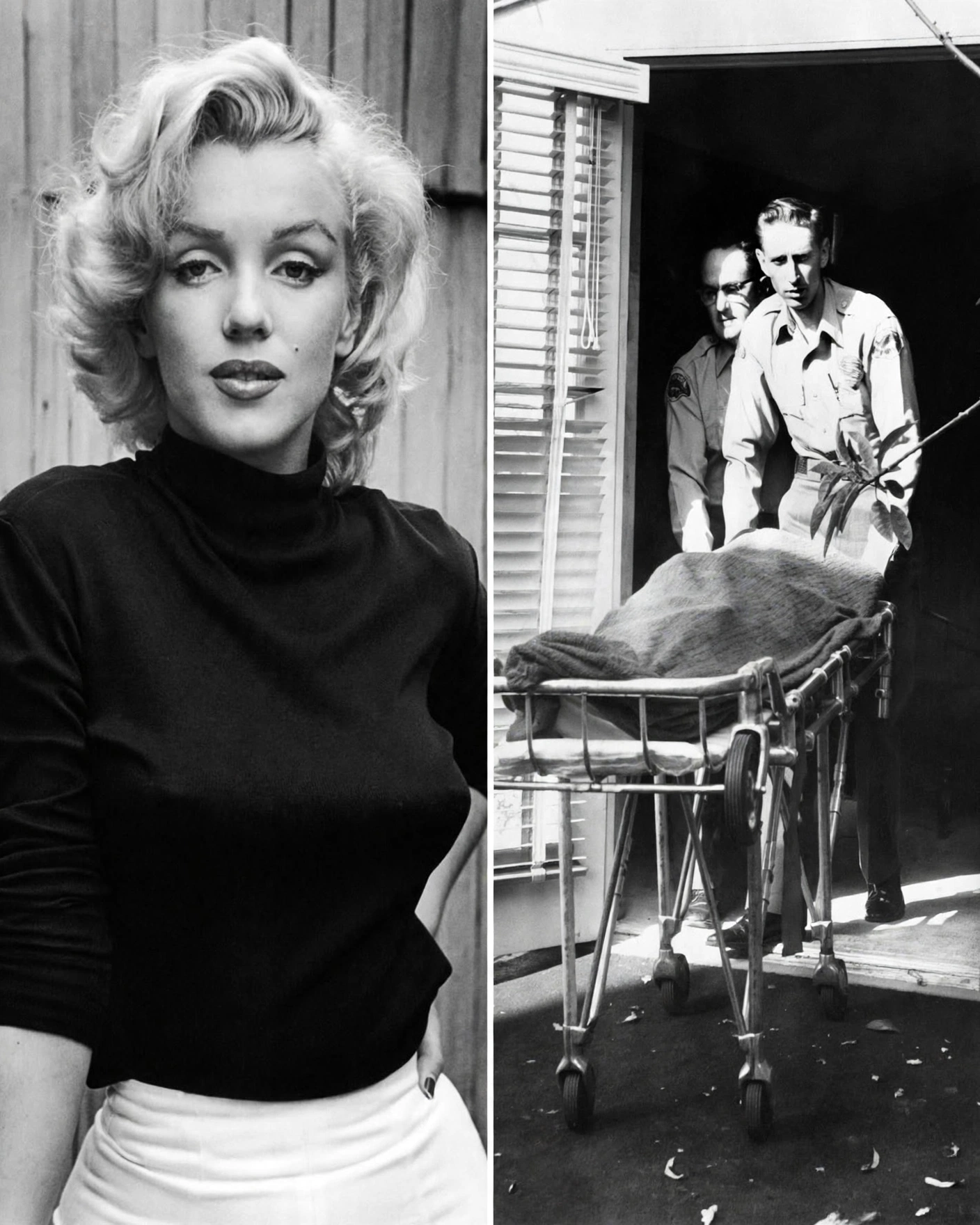
The world saw brilliance, beauty, and effortless charm. But behind the camera flashes and unforgettable smile, something far more fragile was quietly unraveling.
In the final chapter of Marilyn Monroe’s life, the contrast between her public image and private reality had never been more stark. She remained one of Hollywood’s most recognizable faces, yet the woman behind that image was increasingly alone, searching for stability in a life that seemed to offer everything except peace.
By the early 1960s, Monroe had already achieved what few performers ever do. She was not just a movie star—she was a global icon. Her presence defined an era of Hollywood glamour, and her performances made her unforgettable. But success did not bring the kind of happiness many imagined.
Instead, it came with pressure.
Her career demanded perfection, while her personal life seemed to drift further from it. Relationships became complicated, and the sense of belonging she longed for remained elusive. Those closest to her often described a woman who was deeply sensitive, someone who felt intensely but struggled to find emotional security.
That struggle became more visible as time went on.
Professionally, Monroe continued to pursue roles that would allow her to be taken seriously as an actress. She wanted to be seen for more than her beauty, more than the persona the world had come to expect. But the industry often resisted that change, continuing to cast her in roles that emphasized image over depth.
This tension added to her frustration.
Behind the scenes, her work became increasingly difficult. Missed appearances, delays on set, and conflicts with studios began to affect her reputation. To outsiders, it seemed like unpredictability. To those who understood her more closely, it was something deeper—a reflection of the emotional strain she was carrying.
Her personal life offered little relief.
Monroe’s relationships, including her marriages, had not brought the lasting stability she hoped for. Each connection seemed to end with more disappointment, reinforcing a growing sense of isolation. Even surrounded by people, she often felt alone.
The loneliness was not always visible.
Public appearances still showed the same radiant figure the world adored. Cameras captured her laughter, her elegance, her presence. But those moments were fleeting. Away from the spotlight, she faced long periods of uncertainty, self-doubt, and emotional exhaustion.
As her final months approached, those struggles intensified.
There were moments when she seemed determined to regain control—seeking new opportunities, attempting to reshape her career, and reaching out for support. But the balance was difficult to maintain. The weight of expectations, combined with personal challenges, created a cycle that became harder to break.
Those around her began to notice the shift.
Friends and colleagues saw glimpses of vulnerability that the public rarely witnessed. There were signs that she was searching for something more meaningful than fame—something that could ground her and bring a sense of peace.
But time was running out.
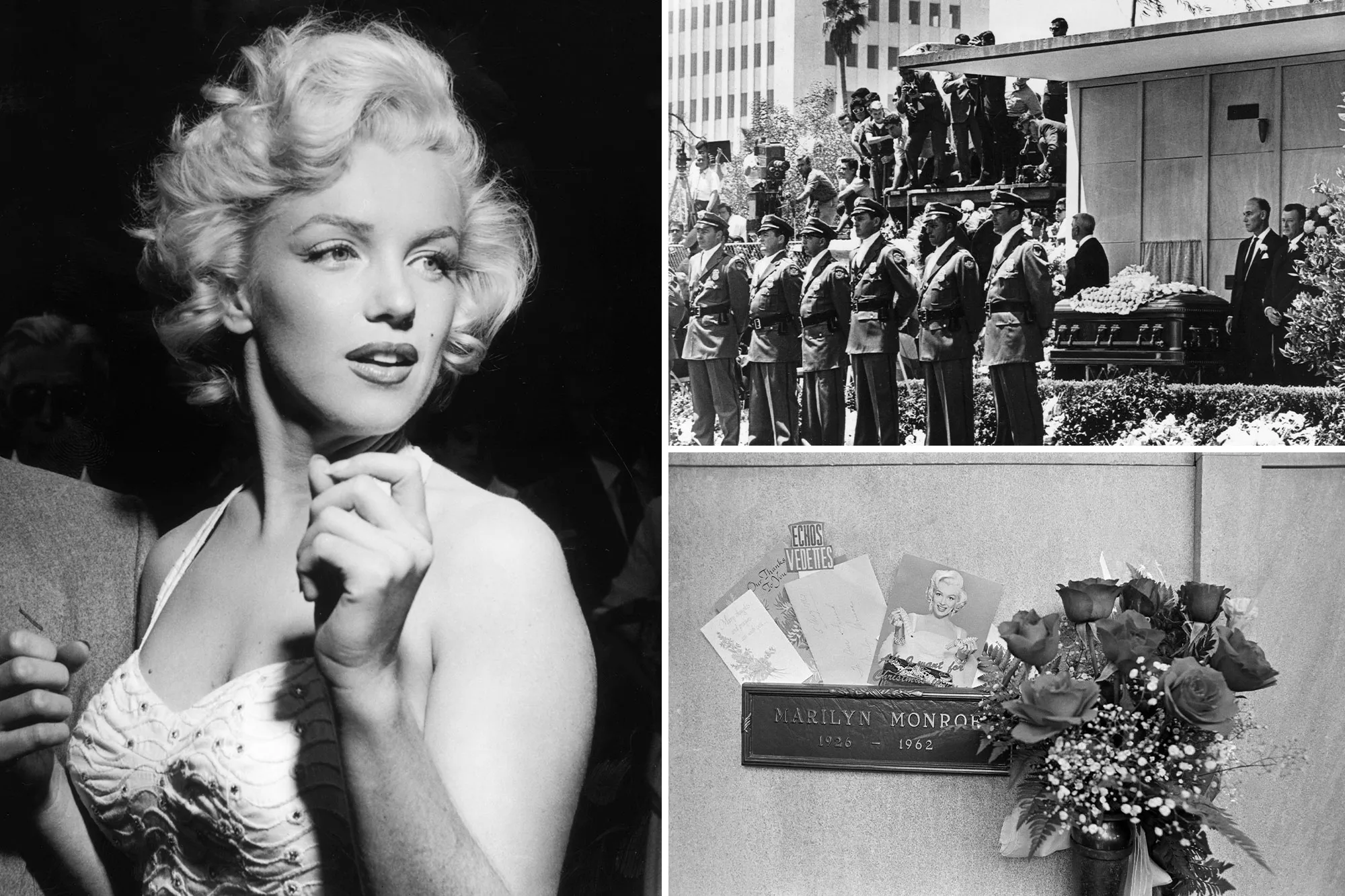
On August 5, 1962, Marilyn Monroe was found dead in her home in Los Angeles. She was just 36 years old.
The news sent shockwaves across the world.
For millions of fans, it felt impossible to reconcile the image they knew with the reality of her final moments. How could someone who seemed to have everything be suffering so deeply?
The answer lay in the life she had lived.
Monroe’s story was never just about fame. It was about a young woman who rose from a difficult childhood to become one of the most celebrated figures in history—and who, despite that success, continued to search for something she never fully found.
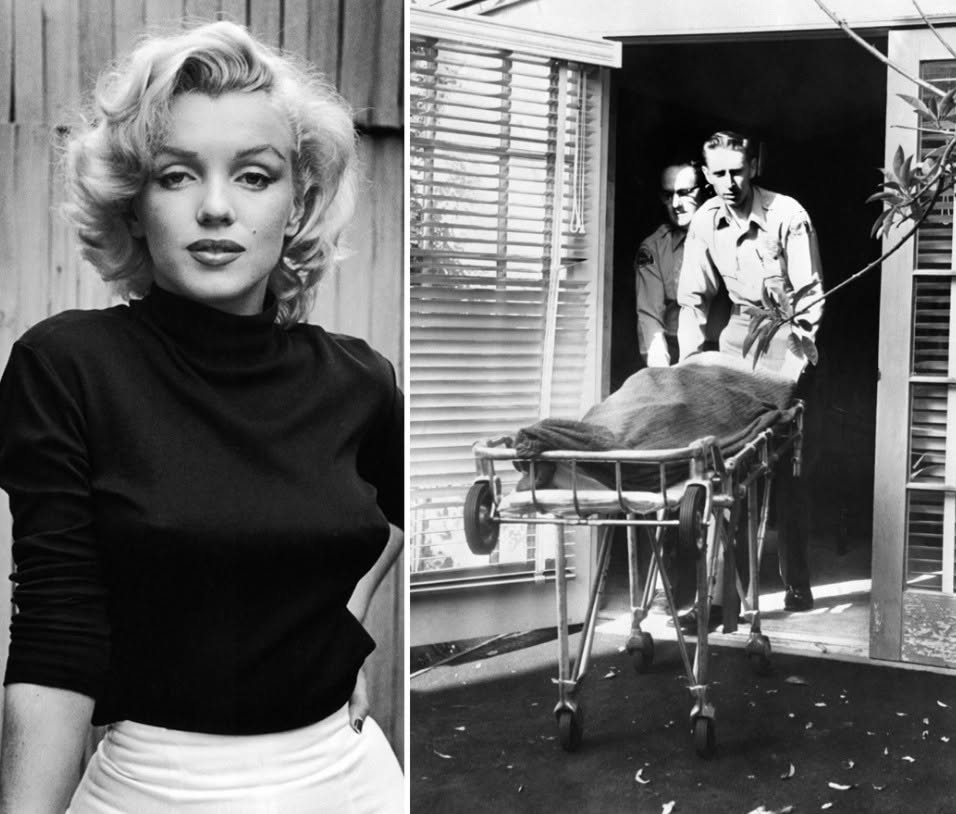
Her legacy, however, did not end with her passing.
In the decades since, she has remained a symbol of both glamour and vulnerability. Her films continue to be watched, her image continues to be recognized, and her story continues to be told—not just as a tale of stardom, but as a reminder of the human cost that can come with it.
There is something enduring about her presence.
Perhaps it is the way she combined strength and softness. Or the way her smile could light up a room, even when she herself was struggling. Or maybe it is the unanswered questions that still surround her life, leaving people searching for a deeper understanding of who she truly was.
What remains clear is this:
Marilyn Monroe was more than the image the world projected onto her.
She was a person who felt deeply, who dreamed of more than fame, and who carried a quiet pain that many never saw until it was too late.
In the end, her story is not just one of loss.
It is a reminder that behind every public face, no matter how bright it appears, there may be a private world filled with struggles, hopes, and unanswered questions.
And sometimes, the brightest stars shine the most intensely—just before they fade.