Canada wildfire exploded so fast that firefighters had to stop fighting and help people escape
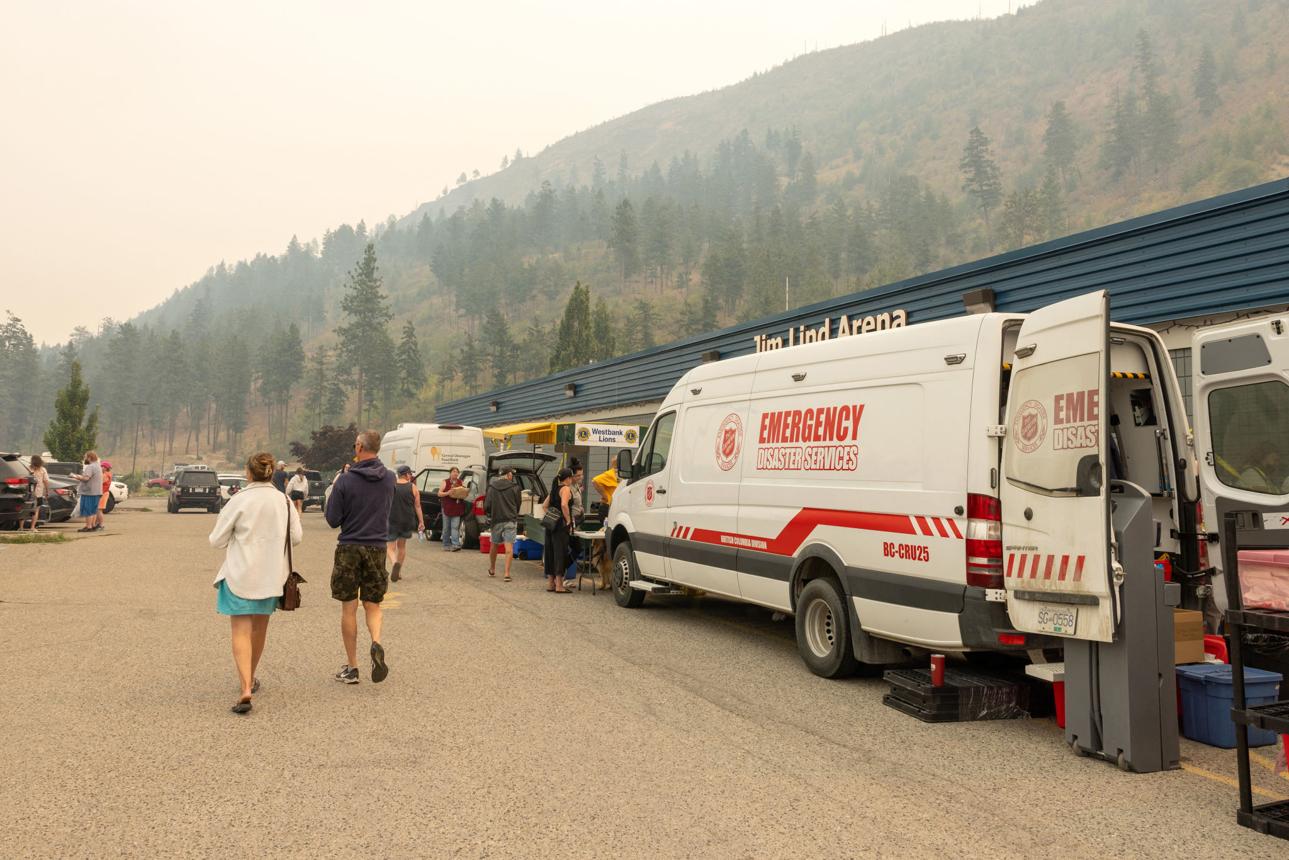
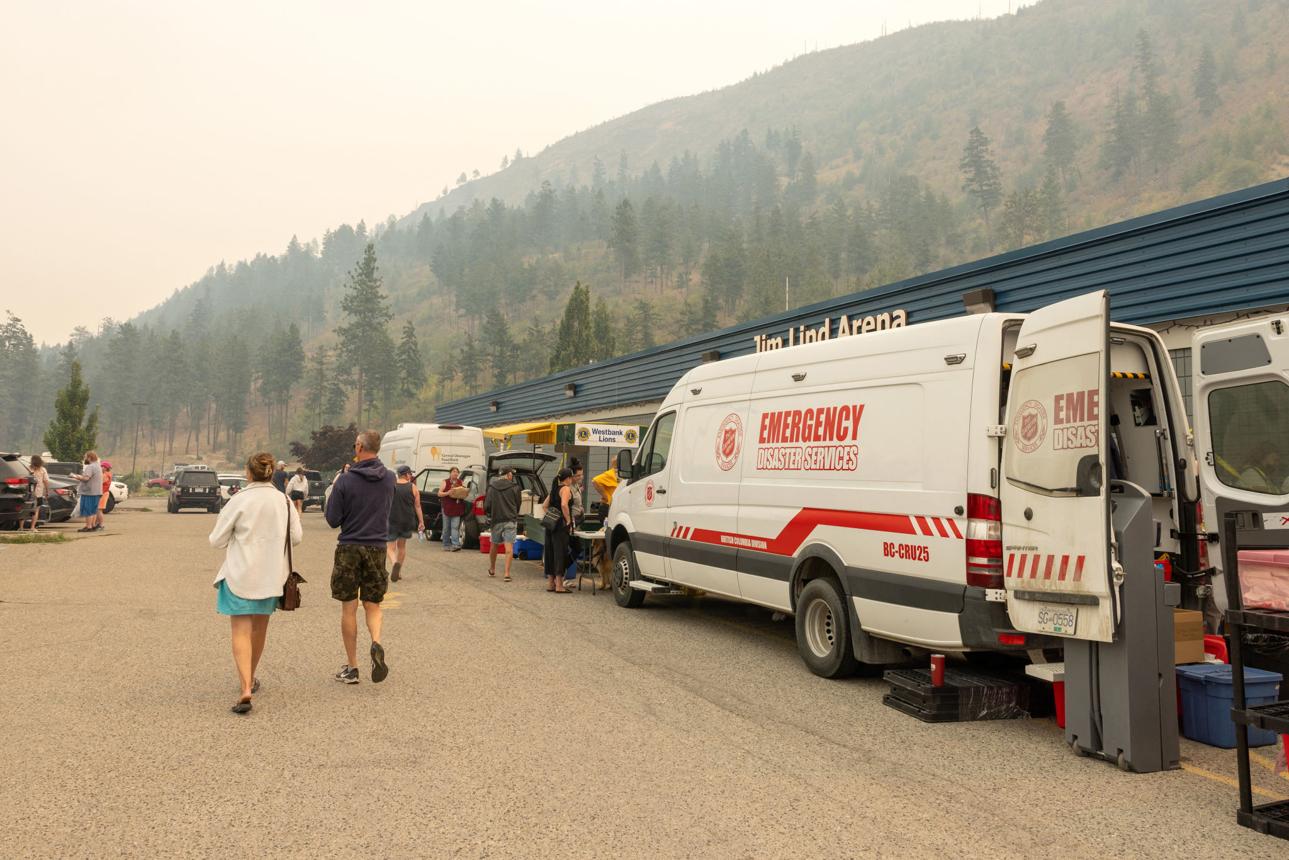
A fast-moving wildfire in British Columbia has forced more than 20,000 people from their homes, destroyed properties and claimed at least one life — after spreading so rapidly that firefighters had to shift their focus from battling the flames to helping residents escape.
The Bald Range wildfire erupted near Summerland in British Columbia’s Okanagan region on August 7 and quickly became one of the most alarming fires of the Canadian summer.
By August 12, the blaze had grown to roughly 184 square kilometers, or about 71 square miles. An 80-year-old woman was killed, while homes and other properties were destroyed.
The fire grew almost unbelievably fast
When the fire was first reported, it was about 15 kilometers west of Summerland.
Within hours, it had expanded to more than 5,000 hectares.
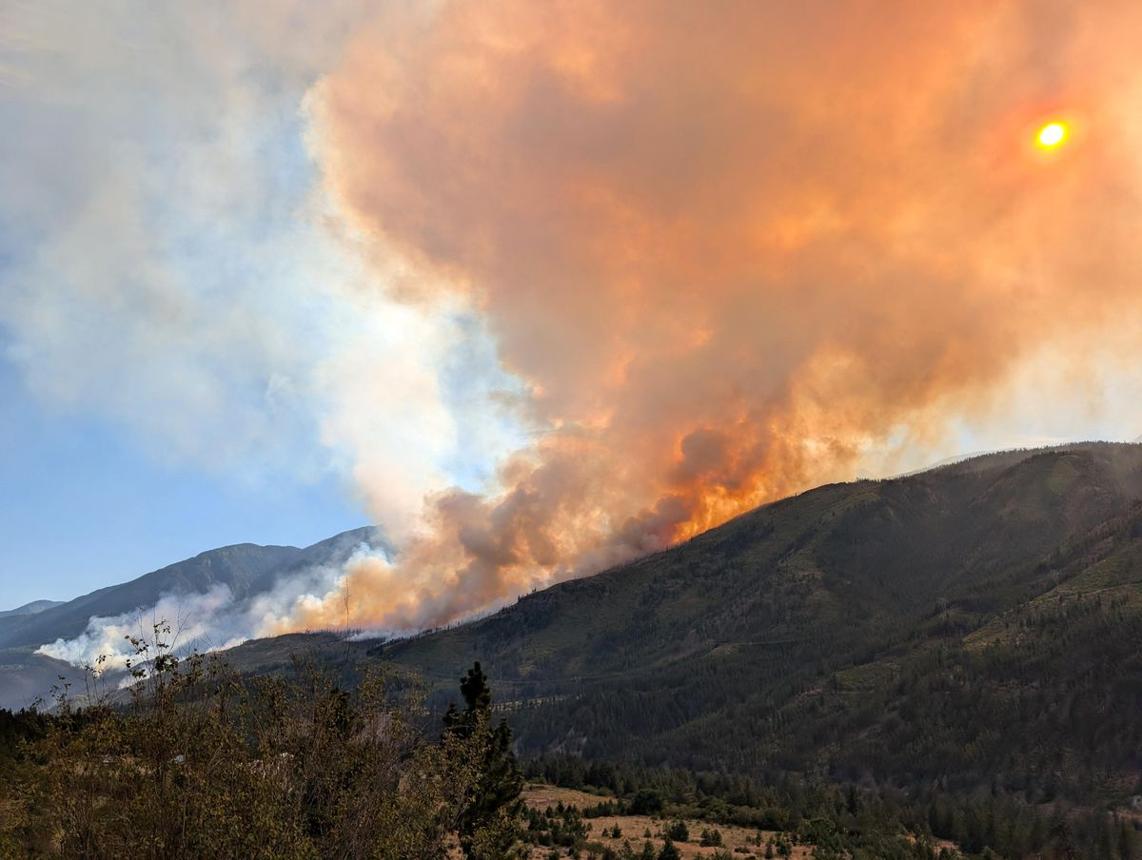
By the following morning, officials estimated it had reached about 9,500 hectares. The fire was classified as showing extremely aggressive behavior, with a fast-moving flame front and embers capable of traveling significant distances.
Residents described watching the fire appear to grow almost by the minute.
One Summerland resident said he could see the fire changing dramatically every time he looked at it — from hundreds of hectares to thousands in a matter of hours.
The speed left some people with very little time to prepare.
More than 20,000 people told to flee
Evacuation orders eventually covered the entire community of Summerland, home to around 12,000 people.
Another 8,000 residents in and around Peachland were also ordered to leave.
Some people escaped by road before highways closed. Others required assistance from search-and-rescue teams, and some residents had to be evacuated by helicopter after the fire cut off road access.
For many families, leaving meant grabbing only what they could carry.
Cars filled evacuation routes as people rushed toward safer communities.
Meanwhile, ash began falling over nearby neighborhoods and orange flames lit up the night sky.
Firefighters were forced to rescue people instead
The situation became so dangerous that firefighting crews had to temporarily prioritize evacuation and rescue efforts.
According to the Associated Press, the fire moved so quickly that crews abandoned some firefighting operations to help residents get out safely.
British Columbia Premier David Eby said the fire had moved faster than official wildfire models predicted and warned that its extreme speed could represent a “new normal” for future fires.
The fire also generated its own weather conditions. Officials described flames reaching enormous heights and the blaze producing enough energy to create lightning, potentially helping the fire spread even further.
Summerland was left without power
The wildfire disrupted basic services across the affected communities.
Summerland lost power and issued a boil-water advisory after untreated water entered the system when the wildfire disrupted normal treatment operations.
Health authorities also moved vulnerable residents out of the danger zone, including dozens of residents from a care facility and nearly 200 seniors from another Summerland facility.
Highway 97, a major route through the region, remained closed as officials warned that the area was still unsafe.
One of Canada’s most dramatic wildfire evacuations this summer
British Columbia declared a state of emergency as the fire spread.
Reuters reported that the evacuation was the largest in the province so far this summer, with more than 20,000 people forced from their homes.
The scale of the disaster is difficult to capture in a single image.
Aerial views show enormous plumes of smoke covering the landscape. Water bombers circle above the flames. Roads that normally carry traffic become evacuation routes, while entire communities disappear beneath thick layers of smoke.
And for thousands of residents, home suddenly became somewhere they could no longer safely reach.
The fire is still not over
Officials were still assessing damage as of August 12, and residents had not been given a timetable for returning home.
Crews were working to clear vegetation and slow the fire’s advance, while authorities warned that thunderstorms and unpredictable winds could cause another surge in activity.
The tragedy has also raised a frightening question about the future of wildfires in Canada.
If fires can grow this quickly — faster than models can predict and faster than entire communities can evacuate — how much time will people have when the next one starts?
For now, thousands of British Columbians are waiting away from their homes, hoping they will eventually be able to return.
But the flames have already left one unmistakable message: the wildfire season is becoming harder to predict, and sometimes, there may be only minutes to run.